
Key tips to secure your investment in the ideal move
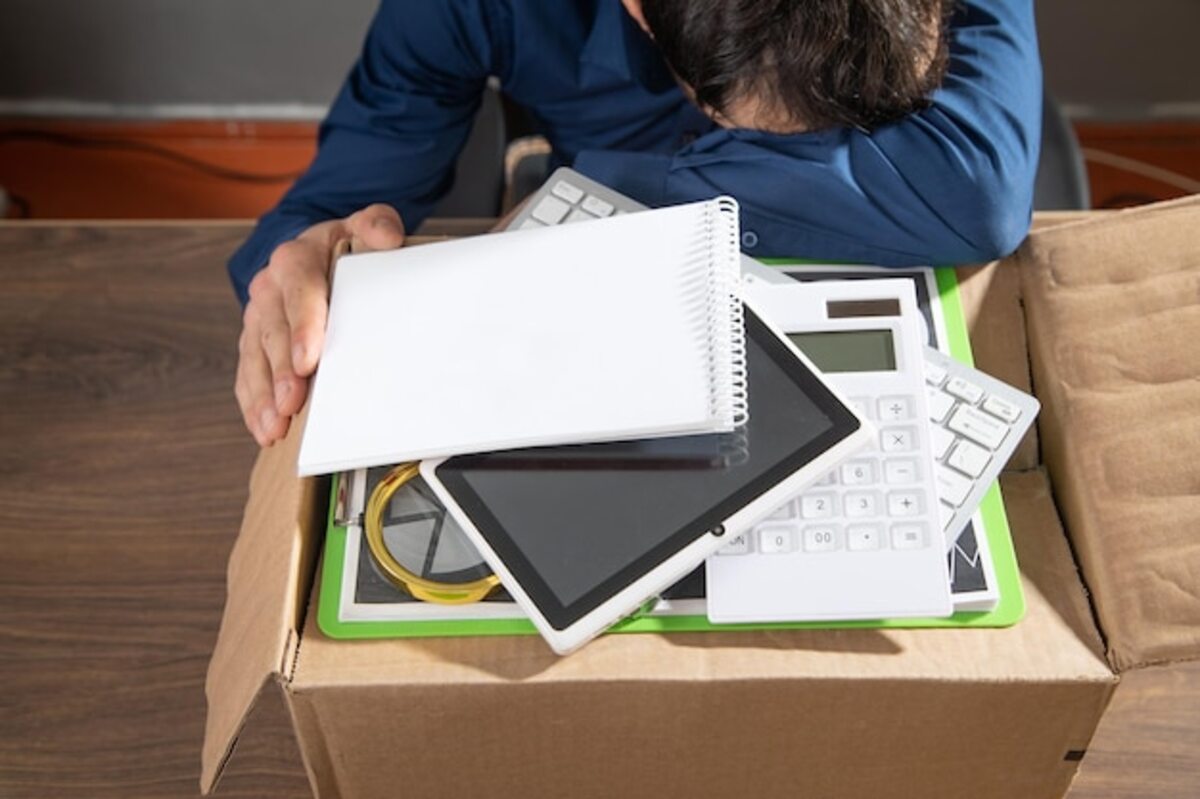
Securing your investment in an ideal move is essential to reduce stress and maximize satisfaction with your new home. In this article, I will share key tips that will ease your transition and ensure that every aspect of your move is well planned. From organization to choosing the right professionals, these tips will help make your move a positive and smooth experience. Get ready to turn this process into an exciting adventure!
Early planning: The first step towards a successful move
Advanced planning is the key to making your move a resounding success. Starting well in advance allows you to evaluate all aspects of this process, from assessing the new space to organizing your belongings. It is advisable to make a detailed inventory of everything you want to take with you and decide which items can be discarded or donated. This not only simplifies the process but can also minimize the costs associated with your move, as fewer items mean less weight and volume to transport. Taking the time to plan will help you feel more in control and less overwhelmed when moving day arrives.
By establishing a clear timeline with specific dates for each stage, such as packing, hiring moving services, and making address changes, you can ensure that nothing is left behind. This structure not only makes it easier to track pending tasks but also allows you to address any unforeseen issues more readily. Remember to include moments for rest and enjoyment in your planning; a positive attitude will make a big difference in how you face this transition to your new home. Advance planning not only ensures an efficient move but also transforms this change into an exciting and meaningful experience.
Advertisements
Set a realistic budget for your move.
Setting a realistic budget for your move is one of the most important steps you can take to ensure the success of this process. Before you start packing, make a detailed list of all the potential expenses you might face: from hiring a moving company to transportation costs, packing supplies, and any additional fees for special services. Remember to include unexpected expenses, such as the need to rent temporary space or make repairs in your new home. Considering all these elements will help you avoid unpleasant surprises and stay within the established margin. Once you have a clear idea of how much you are willing to spend, prioritize your needs and adjust the budget accordingly. Consider whether it is more convenient to opt for professional services or if you prefer to involve friends and family to reduce costs. Also, evaluate the available options, such as moving on less busy days that may offer more affordable rates. By establishing a well-thought-out and flexible budget, you will not only ensure that your investment is secure but also allow yourself to enjoy the process without significant financial worries.
Selection of the right moving company
Choosing the right moving company is one of the most crucial steps to ensure a satisfactory moving experience. Start by researching different options in your area, paying special attention to reviews and testimonials from other customers. A reliable company should not only have good feedback but also possess the necessary licenses and insurance to back its service. Comparing prices and services offered will allow you to make an informed decision that fits your needs and budget. Don't hesitate to request detailed quotes to fully understand what each company includes in its proposal, from packing to transportation.
It is also essential to communicate directly with the companies that interest you the most. This will not only give you the opportunity to ask specific questions about their processes, but it will also allow you to evaluate their customer service. Good service starts from the first interaction; therefore, pay attention to how they respond to your inquiries and whether they are proactive in offering personalized solutions. Once you have narrowed down your options, consider asking for references or checking their history through independent platforms to ensure that you are choosing a company that prioritizes customer satisfaction and the care of your belongings throughout the moving process.
Inventory: The key to not forgetting anything important
A detailed inventory is an essential tool to ensure that no valuable belongings are lost during the move. By creating a list of all the items you plan to relocate, you will be able to keep a thorough record of each article, from large furniture to small personal items. This process will not only help you identify what things are truly necessary and which can be discarded, but it will also provide you with peace of mind knowing exactly what you are taking with you to your new home. Additionally, if you hire a moving company, having an inventory will facilitate communication and ensure that everything arrives in perfect condition.
In addition to the practical benefit of avoiding losses, having an inventory can be crucial for the protection of your belongings. In case of damage or loss during transport, having a detailed record will allow you to file claims with your insurance company more easily. Don't forget to include photographs of the most valuable items and note their conditions before the move; this will serve as additional proof if necessary. In summary, investing time in creating a good inventory not only simplifies the logistical process of the move but also strengthens your peace of mind when facing this transition to your new home.
Efficient packing: Tips to avoid damage to your belongings
Packing efficiently is crucial to minimize the risk of damage to your belongings during the move. To start, make sure you have adequate packing materials, such as sturdy boxes, bubble wrap, packing tape, and markers. Sort your items by category and use boxes of the right size: heavier items should go in small boxes to prevent them from breaking, while lighter objects can be packed in larger boxes. Additionally, when filling the boxes, don’t forget to fill any empty spaces with crumpled paper or foam padding; this will help prevent internal movement that could cause damage.
Another effective strategy is to clearly label each box with its contents and the room it belongs to in your new home. This will not only facilitate the unpacking process but also allow you to quickly identify if any box has suffered damage during transport. Consider making a visual inventory or a written list of your most valuable belongings and their conditions before the move; this will serve as a reference to ensure that everything arrives in perfect condition at its destination. By following these practical tips, you will be able to adequately protect your personal items and fully enjoy your new adventure without unnecessary worries.
Change of address: Don't forget to update your important information.
One of the most important steps when moving to a new home is to remember to update your important information. This includes notifying entities such as banks, utilities, internet providers, and any other institution you have a relationship with. Make sure to create a list of all the places that need your new address to avoid future issues, such as the delivery of important correspondence or interruptions in the supply of essential services. Keeping your information updated will not only help you avoid inconveniences but will also provide you with peace of mind during the adjustment process to your new environment.
Also, consider informing your friends and family about your change of address. It's not only a kind gesture, but it will also ensure that they can stay in touch with you without any hiccups. You can choose to send postcards or informative emails to keep them updated. Remember to take this opportunity to share how exciting this new chapter in your life is; this can strengthen your relationships and create a sense of community from the start in your new home. Making these updates in advance will allow you to focus on enjoying the moving process and settling comfortably into your new house.
Adapting to the new neighborhood: Get to know your surroundings quickly.
Adapting to a new neighborhood is a crucial step in feeling comfortable in your new home. One of the first actions you should take is to explore your immediate surroundings. Go for a walk around the area, visit local shops, and get familiar with the restaurants and services available. Not only will it help you orient yourself, but it will also allow you to discover places that could become your favorites. Additionally, connecting with your neighbors can be an excellent way to gather information about the community and recommendations for useful activities or services in the area.
Another important aspect of getting to know your new neighborhood is to learn about the specific features of the area, such as public transportation, nearby schools, and parks. Research if there are community groups or local events you can participate in; this will not only enrich your experience in the new place but also make it easier to form new friendships. Taking some time to integrate and understand the environment around you will not only ease your adaptation but also ensure that you feel a true sense of belonging in your new home.
Unpack strategically for a functional home from day one.
Strategically unpacking is one of the keys to making your new home functional from day one. Instead of opening all the boxes at once and drowning in a sea of items, consider creating an action plan based on functionality. Start by identifying the most important areas, such as the kitchen and bedrooms, and prioritize unpacking those spaces. This will allow you to quickly establish a comfortable and familiar environment, which is essential for making the transition more manageable. Another useful tip is to clearly label your boxes before the move, indicating not only their contents but also the room they belong to. Upon arriving at your new home, you will be able to place each box in its respective location without wasting time searching for where each item goes. Additionally, by unpacking by specific rooms, you can organize items according to their daily use, thus facilitating an efficient and functional setup that will help you feel at home from the very first moment.
Finally, don't forget to set aside space for the essential items you will need right away: clothes for the next day, basic kitchen utensils, or personal hygiene products. Having these items on hand will prevent you from feeling chaotic in your first days and allow you to focus on enjoying your new space while organizing the rest little by little.
Maintain a positive attitude throughout the process.
Maintaining a positive attitude throughout the moving process is crucial to ensure that each stage proceeds smoothly. Moving, although exciting, can also be a time filled with uncertainties and challenges; however, your perspective can make a difference. Instead of focusing on the inconveniences that may arise, try to see each obstacle as an opportunity to grow and learn. Remember that this change represents a new beginning in your life, and each step brings you closer to that goal.
Surrounding yourself with positive-minded people can also influence your mood. Share your concerns and emotions with friends or family who have gone through similar experiences; their support and advice can be comforting. Keep open communication with the professionals you hired for the move, as they are there to help you overcome any difficulties. With this optimistic attitude, you will not only make the process easier but also enjoy the journey to your new home more, turning what could be a stressful period into a memorable adventure.
Advertisements
More in Adaptation
Preparation and Moving, Adaptation
Create a new beginning: preparations for a thoughtful move

Preparation and Moving, Adaptation
Guide to Making Key Decisions When Moving to Your New Home
Preparation and Moving, Adaptation
Guide to ensuring a smooth and trouble-free move
Preparation and Moving, Adaptation
Strategies for a move that maximizes your real estate investment
Most viewed in Preparation and Moving

Preparation and Moving, Moving
Tips for a successful move to your new home in Costa Rica

Preparation and Moving, Moving
Keys to ensure that your new home is a safe investment
Preparation and Moving, Transportation Services
Practical guide to ensure your move to an ideal new home
Preparation and Moving, Transportation Services
Practical tips for a move that protects your new investment