
Keys for a move that protects your real estate investment

A move can be an exciting process, but it can also pose a significant challenge for your real estate investment. To ensure that your new home is not only a place to live but also a valuable long-term property, it is crucial to adopt smart and careful strategies. In this article, you will discover the keys to making a move that not only minimizes risks but also enhances the value of your investment. Get ready to transform this change into a positive and profitable experience.
Advance planning: the first step towards a successful move
Advance planning is the first fundamental step to ensure a successful and smooth move. Starting early allows you to have a clear view of the logistical aspects you need to consider, from selecting the right moving company to organizing your belongings. By establishing a detailed timeline, you can assign specific tasks to each day, which will not only reduce the stress associated with the process but also allow you to identify any contingencies that may arise. This methodical approach ensures that nothing is overlooked and that every detail is attended to with the proper attention.
Additionally, careful planning gives you the opportunity to assess the current state of your property before leaving it. This includes making minor repairs or aesthetic improvements that may increase its value in the real estate market. By doing so, you not only protect your initial investment but also create an appealing environment for future tenants or buyers if you decide to rent or sell the property later on. In summary, taking time for planning not only facilitates the immediate moving process but also lays the groundwork for maximizing your long-term investment.
Advertisements
Evaluation of the property's condition before moving in
Before moving into your new home, it is essential to conduct a thorough assessment of the property's condition. This involves not only visually inspecting every corner of the house but also considering structural and functional aspects that may influence the long-term value of your investment. Check the electrical system, plumbing installations, the condition of the roof, and the windows. A detailed report on these elements will allow you to identify potential issues that may require immediate or future attention, avoiding unpleasant surprises after you have moved in.
In addition to the physical inspection, it is advisable to research the location and surroundings of the property. Gather information about the available services in the area, such as nearby schools, public transportation, and recreational options. These factors will not only affect your daily quality of life but also significantly influence the property's value over time. By having a clear overview of the general condition and the neighborhood, you will be able to make more informed decisions about future renovations or improvements that could further increase the appeal and value of your new home.
How to choose the best professionals for your move
When choosing the right professionals for your move, it is essential to conduct thorough research. Start by looking for moving companies with a good reputation in your area. Read reviews and testimonials from other customers, as these opinions can provide you with a clear insight into the quality of the service you can expect. Ask friends, family, or colleagues if they have had positive experiences with any particular company. A personal recommendation can be invaluable and will help you avoid unpleasant surprises.
Another crucial aspect is to verify that the moving company is properly registered and insured. Ensure they have the necessary licenses to operate in your area and check if they have adequate insurance to cover potential damages during the move. Don’t hesitate to request detailed quotes and ask about their policies in case of losses or damages. Remember that the cheapest option is not always the best; prioritize experience and commitment to the care of your belongings to effectively protect your real estate investment during this critical process.
Protect your furniture and belongings during the move.
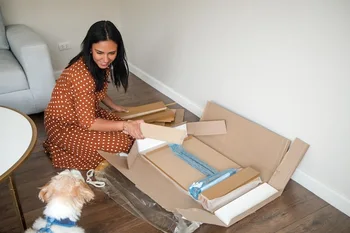
Protecting your furniture and belongings during the move is essential to avoid damages that could affect both your investment and your peace of mind. Before starting the move, make sure to have appropriate materials such as sturdy boxes, bubble wrap, and padded blankets. These items not only safeguard your belongings from bumps and scratches but also facilitate handling. Additionally, by labeling each box with its contents and the destination room, you can organize yourself better in the new home, reducing the risk of damaging fragile items due to poor placement.
It is equally important to consider hiring professionals for the move if your belongings are valuable or delicate. Moving experts have experience in handling all types of items, from heavy furniture to fragile artwork. Their knowledge of the best techniques for loading and securing objects during transport can make a significant difference in the safety of your belongings. Remember to also protect the space where the move is taking place; covering the floors and doors can prevent damage to your former home, ensuring that by the end of the process you not only arrive at a new home without mishaps but also preserve the real estate value of your previous property.
Post-move inspection: ensuring the integrity of your new home
The post-move inspection is a crucial step that is often overlooked in the excitement of settling into a new home. Once you have moved your belongings and are enjoying your new space, it is essential to take the time to check every corner of the house. Start with a thorough assessment of the electrical systems, plumbing, and the overall condition of the walls and floors. Identifying any issues from the beginning will not only allow you to address necessary repairs but will also prevent costly surprises in the future. Documenting any defects or damage observed is vital; this can be useful if you decide to claim warranties or insurance later on.
In addition to reviewing the structural and functional aspects, do not forget to conduct a detailed inspection of the exterior of the property. Check the condition of the roof, gutters, and foundations; ensure there are no leaks or visible damage caused by weather or pests. The integrity of the exterior is as important as that of the interior, as these factors directly impact the long-term value of your real estate investment. At the end of this post-move inspection, you will have a clear understanding of the current condition of your new home and can plan strategic improvements that increase its value as you settle into your new home.
Tips for quickly adapting to your new environment
Quickly adapting to a new environment is essential to ensure that your move is successful and your real estate investment remains protected. One of the first things you can do is explore your neighborhood. Getting to know the area will help you identify essential services such as schools, supermarkets, parks, and healthcare centers, which not only improves your quality of life but also increases the appeal of your property to potential future buyers or tenants. Going for walks and chatting with neighbors can provide you with valuable information about the community and help you establish connections from the start.
Also, establish a daily routine in your new home as soon as possible. This will help you feel more comfortable and familiar with the space. Take time to personalize each room according to your tastes and needs; this will not only make you feel more at home, but it can also help maintain or increase the value of your property by reflecting consistent care for its maintenance and aesthetics. Remember to also get involved in local activities or community groups; this will not only ease your adaptation, but it will also help strengthen your sense of belonging in your new home.
Strategies to maintain or increase the value of your real estate investment
To maintain or increase the value of your real estate investment, it is essential to conduct a thorough market analysis before moving. Understanding neighborhood trends, prices of similar properties, and local development projections will enable you to make informed decisions about improvements that can enhance the value of your home. Consider making small renovations that will appeal to future buyers, such as updating the kitchen or improving energy efficiency. These investments will not only make your property more comfortable for you but also increase its market appeal.
Additionally, maintaining a good relationship with your neighbors and actively participating in the community can significantly contribute to the value of your investment. A well-kept and cohesive neighborhood is usually more attractive to potential buyers. Engaging in community activities and keeping open communication with your neighbors can help you stay informed about any changes or improvements in the area that may positively impact the value of your property. Finally, consider establishing a regular maintenance plan to care for both the interior and exterior of your home; this will not only preserve its overall condition but also prevent costly repairs in the future, thus ensuring a solid long-term investment.
Advertisements
More in Adaptation
Preparation and Moving, Adaptation
Create a new beginning: preparations for a thoughtful move

Preparation and Moving, Adaptation
Guide to Making Key Decisions When Moving to Your New Home
Preparation and Moving, Adaptation
Guide to ensuring a smooth and trouble-free move
Preparation and Moving, Adaptation
Strategies for a move that maximizes your real estate investment
Most viewed in Preparation and Moving

Preparation and Moving, Moving
Tips for a successful move to your new home in Costa Rica
Preparation and Moving, Moving
Keys to ensure that your new home is a safe investment

Preparation and Moving, Transportation Services
Practical guide to ensure your move to an ideal new home
Preparation and Moving, Transportation Services
Practical tips for a move that protects your new investment