
Keys to ensure that your new home is a safe investment
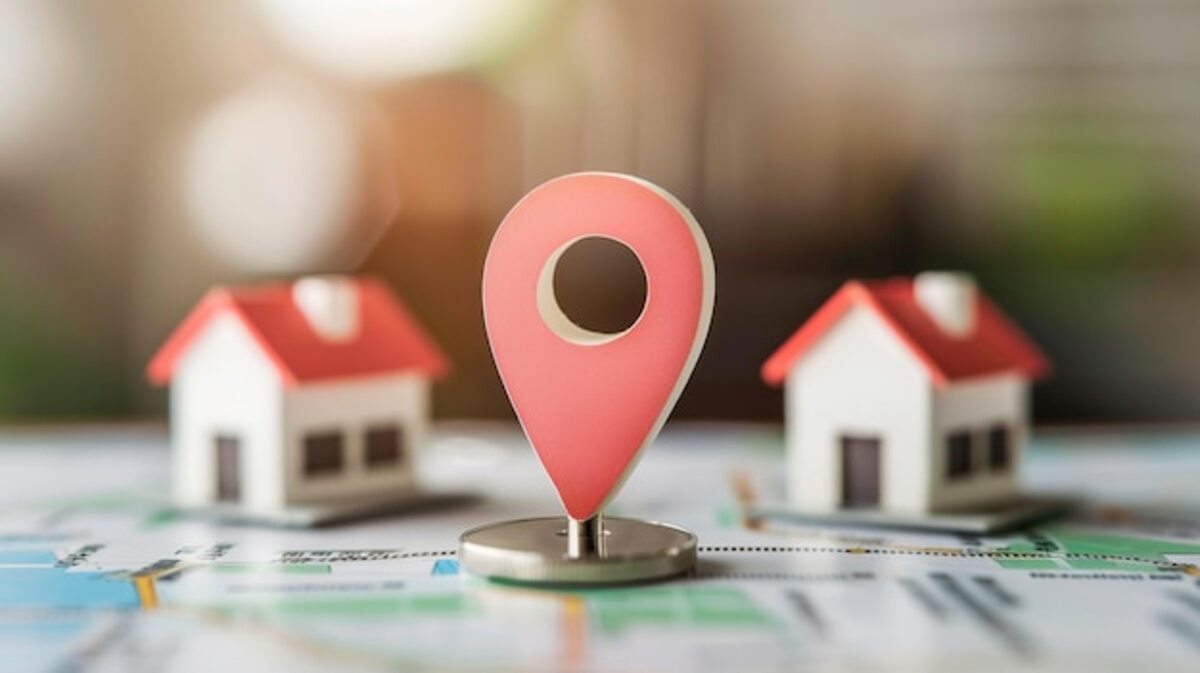
Ensuring that your new home is a safe investment is vital for your financial future. In the exciting process of moving, it's easy to get carried away by the excitement and overlook crucial details. However, with a strategic approach and some practical tips, you can turn this dream into a solid economic reality. In this article, you will discover how to make informed decisions and evaluate every aspect of your new home to ensure that it is not only a place to live but also an investment that grows over time.
Real estate market assessment: Is it the right time to buy?
The evaluation of the real estate market is a fundamental step before making the purchase of a home. Analyzing whether it is the right time involves observing various variables, such as interest rates, supply and demand in your desired area, and local market trends. For example, if interest rates are low, it may be a good time to acquire a property, as this translates into lower long-term costs. Additionally, researching the projected growth of the area will allow you to understand if your investment has the potential to increase in value in the future.
Another key aspect to consider is the overall economic situation and how it may affect the real estate market. Factors such as employment and the financial stability of households can influence housing prices. If the market is experiencing a bullish phase with rising prices, it may be riskier to buy without conducting a thorough analysis. On the other hand, if there are signs of a cooling market, it could be an opportunity to negotiate better terms. In summary, taking the time to assess the current market conditions will not only help you make more informed decisions but also ensure that your new home is truly a safe long-term investment.
Advertisements
Location: The decisive factor in the valuation of your property
Location is undoubtedly one of the most determining factors in the valuation of a property. A home situated in an area with access to essential services such as schools, hospitals, public transportation, and shops will have a much higher value than one far from these amenities. Furthermore, expanding areas or those with planned urban projects tend to increase in value quickly, becoming an attractive investment for future buyers. Therefore, it is crucial to research the development potential of the neighborhood and assess how it could influence demand in the medium and long term.
Another key aspect related to location is the safety and quality of life that the environment offers. Properties located in safe and well-maintained areas are not only more desirable for potential buyers, but they also tend to retain their value better over time. Communities with low crime rates, good recreational facilities, and active civic engagement are highly valued by families and professionals. Considering these elements when choosing your new home will not only ensure your daily peace of mind but will also significantly contribute to the increase in the value of your real estate investment.
Professional inspection: Why you should never overlook it
A professional home inspection is a crucial step that should not be underestimated in the buying process. Although it may seem like an additional expense, this service can save you thousands of dollars in the long run. A qualified inspector will examine every corner of the property, from the electrical system and plumbing fixtures to the foundation and roof. With their expertise, they can identify hidden issues that could turn into costly repairs in the future. By knowing the true condition of the house before closing the purchase, you can make more informed decisions and negotiate repairs or price adjustments with the seller.
Additionally, a detailed inspection provides you with peace of mind knowing that you are making a safe investment. It's not just about avoiding unpleasant surprises after moving in; it's also about protecting your investment in the long term. If the inspection reveals serious issues that may compromise the safety or structure of the home, you will have the opportunity to reconsider your decision or seek appropriate solutions before it’s too late. Not leaving this aspect to chance is key to ensuring that your new home not only meets your aesthetic expectations but also remains a safe and sustainable place over time.
Hidden costs of the purchase: Beyond the selling price
When considering the purchase of a new home, it is essential to look beyond the sale price and take into account the hidden costs that can significantly impact your investment. These additional expenses, such as property taxes, closing fees, and maintenance costs, can add up quickly. For example, property taxes vary by location and can become a considerable burden over time. Additionally, closing fees often include expenses that are not initially considered, such as legal fees or commissions for real estate agents, which can lead to unpleasant surprises if not properly planned for.
Another crucial aspect is the ongoing maintenance of the home. Many buyers underestimate the costs associated with caring for a property. From unexpected repairs to necessary upgrades to maintain its market value, all these elements must be considered in your budget. A well-maintained home not only provides comfort and security but also ensures that your investment continues to grow in the long term. By being aware of these hidden costs from the start of the buying process, you can make more informed decisions and avoid financial inconveniences in the future.
Legal documentation: Secure your investment with proper paperwork.
Legal documentation is a fundamental aspect that should not be underestimated when it comes to securing your investment in a new home. Before finalizing any deal, it is crucial to verify that all documents are in order and that the property has no pending legal issues. This includes reviewing the title deed, ensuring that there are no unpaid liens or mortgages, and confirming that the seller has the authority to sell the property. A mistake in this process can result in future complications that affect your investment and long-term plans.
It is also advisable to have the assistance of a lawyer specialized in real estate or a notary to guide you through the legal process. They can help you interpret complex clauses and ensure that everything is in line with local regulations. Transparency in documentation is also key; request reports on potential litigation related to the property and check if there are necessary building permits for future renovations. By ensuring you have all the correct legal documentation, you will be protecting your investment and increasing the financial security of your new home.
Future projection: How sustainable is the growth of the area?
Future projections are a crucial factor when evaluating the sustainability of growth in an area. Analyzing planned urban development, as well as investments in infrastructure and public services, can provide a clear view of how the area is expected to evolve in the coming years. Areas with renewal projects, improvements in public transportation, or the arrival of new businesses tend to attract more residents and, consequently, increase the demand for housing. Therefore, staying informed about these initiatives will allow you to anticipate whether your new property will maintain or increase its value.
Additionally, it is important to consider social and environmental aspects that influence the sustainability of growth in an area. The quality of life in a neighborhood depends not only on its facilities and services but also on the community atmosphere and access to green spaces. Areas that promote a healthy and sustainable lifestyle tend to be more attractive to future buyers and tenants. Researching local programs focused on environmental sustainability or community initiatives can provide you with valuable information on how long-term development is being managed and whether your investment will remain profitable in the future.
Post-Move Strategies: Maintaining Your Home's Value in the Long Term
Maintaining the long-term value of your home goes beyond the simple purchase and move; it involves implementing strategies that ensure its preservation and appreciation. One of the first actions you should consider is regular maintenance. Conducting periodic inspections, addressing necessary repairs, and taking care of electrical and plumbing systems not only prevents larger problems but also maintains the aesthetics and functionality of the home. Additionally, good maintenance can be a decisive factor in future valuation if you decide to sell the property.
Another key strategy is to make smart improvements that increase the appeal and value of your home without breaking the bank. Opting for sustainable renovations, such as installing solar panels or improving insulation, not only reduces energy costs in the short term but can also significantly increase resale value. Additionally, maintaining a well-kept and aesthetically pleasing garden can provide a great return on investment when putting your house on the market. In summary, adopting a proactive mindset towards ongoing care and improvement will help you not only fully enjoy your new home but also ensure it remains a solid investment in the years to come.
Advertisements
More in Moving

Preparation and Moving, Moving
Tips for a successful move to your new home in Costa Rica

Preparation and Moving, Moving
Strategies to confidently choose your new neighborhood
Preparation and Moving, Moving
How to choose the perfect time to move to your new home

Preparation and Moving, Moving
Tips to ease your adjustment to your new home in Costa Rica.
Most viewed in Preparation and Moving
Preparation and Moving, Moving
Tips for a successful move to your new home in Costa Rica

Preparation and Moving, Transportation Services
Practical guide to ensure your move to an ideal new home
Preparation and Moving, Transportation Services
Practical tips for a move that protects your new investment

Preparation and Moving, Transportation Services
Discover how music can make your move easier