
Key aspects to ensure your peace of mind when ending the rental.
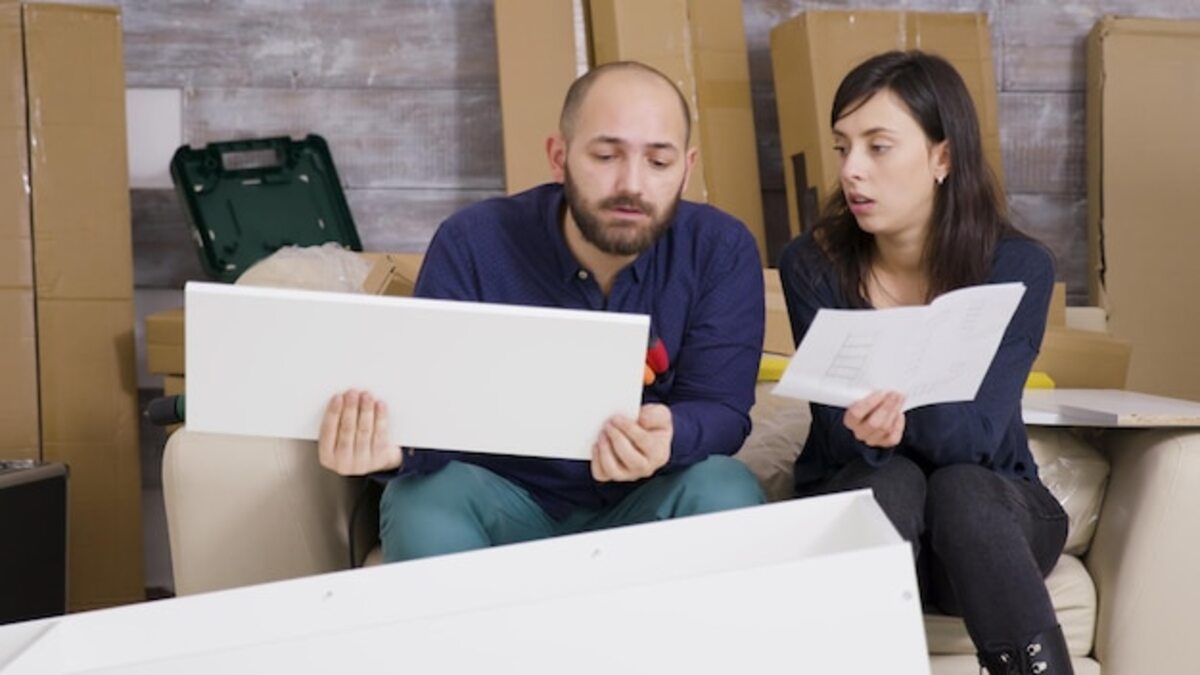
Ensuring your peace of mind at the end of a rental is essential to avoid surprises and conflicts later on. In this article, we will explore the key aspects you should consider when ending your contract, thus ensuring a smooth and trouble-free experience. From effective communication with the landlord to the handover of the property, every detail matters to ensure that your departure is as harmonious as your arrival. Get ready to learn the best practices that will allow you to close this chapter successfully and with confidence.
Importance of reviewing the rental agreement
Reviewing the rental contract is a fundamental step that should not be overlooked at the end of your lease. This document details the rights and obligations of both the tenant and the landlord, establishing the basis for a harmonious relationship. By carefully reading each clause, you will be able to identify crucial aspects such as the notice period, the conditions for the return of the security deposit, and any potential penalties for damages or breaches. This thorough review will allow you to be prepared and avoid misunderstandings that could arise during the termination process.
Additionally, a detailed study of the contract gives you the opportunity to clarify doubts directly with the owner before the final delivery of the property takes place. If there is any point that you do not understand or consider unfair, it is better to address it from the beginning to reach a mutual agreement. This not only facilitates a smooth exit but also establishes good communication between both parties, which is essential to ensure your peace of mind and close this chapter satisfactorily. In summary, taking the time to review the contract can save you future problems and ensure a smoother transition to your next home.
Advertisements
Proper notification of contract termination
Proper notification of the contract termination is a crucial step to ensure a smooth and conflict-free exit. It is advisable to review the rental agreement to understand the timelines established for communicating your intention to vacate the property. Generally, a notice period is required, which can range from 30 to 60 days, depending on what is stipulated in the agreement. Providing this notice in advance not only demonstrates your responsibility as a tenant but also allows the landlord to plan for the search for new tenants without setbacks. Additionally, it is essential to document the notification in writing, either through a formal email or a letter delivered in person. This provides backup in case misunderstandings arise regarding the agreed dates or conditions. By being clear and direct in your communication, you can establish a cordial relationship with the landlord until the end of the contract, which can be beneficial if you seek future references or if inquiries arise about the condition of the property after your departure. Remember to maintain a professional and respectful tone to facilitate a smooth transition.
Pre-delivery inspection of the property
A thorough inspection prior to the delivery of the property is crucial to ensure that there are no misunderstandings or disputes regarding the condition of the property. This process should be conducted together with the owner or the appointed agent, and it is advisable to carry a checklist that includes all the items agreed upon at the beginning of the rental. When inspecting each room, make sure to document any existing damage and take photographs as evidence. This will not only help you protect your security deposit but also facilitate a smooth closing between both parties.
In addition to checking for visible damage, pay attention to less obvious details, such as the condition of the appliances, plumbing, and electrical systems. If you find any issues during the inspection, inform the owner immediately to discuss possible solutions before finalizing the property handover. Transparency in this process can prevent future conflicts and ensure that all parties are satisfied with the final outcome. Remember that good communication and documentation are your best allies in this crucial stage of the rental process.
Required documentation at the end of the rental
At the end of a rental, it is crucial to have the proper documentation that supports both your departure and the condition of the property. This includes, first of all, a detailed inventory of all belongings and the condition of the apartment or house at the time of handover. A document describing any existing damage or the general state can be invaluable in avoiding disputes over the security deposit. Be sure to include dated photographs that corroborate your statements; this will provide you with an additional layer of protection against any future claims from the landlord.
Additionally, it is essential to request a receipt or proof from the owner once you hand over the keys. This document serves as evidence that you have fulfilled your contractual obligations and returned the property in the agreed-upon condition. It is also advisable to have a signed copy of the lease agreement that includes details about the duration of the rental and any clauses related to early termination if applicable. Having all this documentation ready not only facilitates the move-out process but also gives you peace of mind knowing that you are protected against potential issues in the future.
How to handle the security deposit
Managing the security deposit is one of the most critical stages when ending a rental, and it requires attention to detail to avoid misunderstandings. This fund, which usually amounts to one or two months' rent, is intended to cover potential damages or unpaid rent during your stay. Therefore, before handing over the keys, conduct a thorough inspection of the property with the landlord. Document any existing damage and ensure that both of you agree on the final condition of the property. This practice will not only protect you in case of disputes over the return of the deposit but will also help maintain a cordial relationship with the landlord.
Once you have completed the inspection, it is essential to understand how and when the deposit will be returned. Make sure to review your contract to know the established deadlines and any specific conditions related to its return. If everything is in order and there are no valid reasons to withhold part of the deposit, request a written receipt for the restitution of the amount. In case of discrepancies or if the landlord tries to unjustly deduct expenses, being prepared with photographic documentation and correspondence can be your best defense to recover what is rightfully yours. This will ensure that this final stage is handled with clarity and fairness, closing your rental experience without additional worries.
Cleaning and repairs before leaving the property
Before leaving the property, it is essential to carry out a thorough cleaning of the premises. This not only ensures that the place is in optimal condition for the next tenant, but it can also directly influence the return of your security deposit. Take the time needed to clean every corner: from surfaces to appliances, including bathrooms and floors. A well-maintained house reflects a good level of responsibility and respect towards the owner, which can facilitate a more amicable and hassle-free departure.
Minor repairs are also a key aspect to consider before finalizing your rental contract. Check for any small damages that may have occurred during your stay, such as stains on the walls or leaks in faucets. Making these repairs will not only help you avoid potential deductions from the deposit, but it also shows a commitment to maintaining the home. If you are unable to make the repairs yourself, contacting the landlord to discuss appropriate solutions can be a good option to ensure a smooth transition.
Effective communication with the landlord
Effective communication with the landlord is a fundamental pillar for successfully concluding your rental experience. From the moment you decide to end your contract, it is vital to maintain an open and honest dialogue. This not only allows you to address any concerns or questions you may have about the property handover process but also facilitates the resolution of potential disagreements. A proactive approach when communicating with your landlord can make the difference between a smooth exit and unnecessary complications. Additionally, it is advisable to document all important interactions, whether through emails or written messages. This provides a clear record of the agreements reached and helps avoid subsequent misunderstandings. Make sure to communicate your intentions well in advance and coordinate an appropriate date for the property condition review. Good communication not only strengthens the relationship with the owner but also allows you to recover your deposit without issues, thus ensuring a smooth transition to your next home.
Tips for moving stress-free
Moving can be one of the most stressful experiences, but with the right tips, you can make this process much more manageable. First, it is crucial to plan ahead; create a timeline that allows you to organize each stage of the move. Start packing your belongings weeks in advance, sorting and labeling the boxes. This will not only help you stay organized but also make the unpacking process easier in your new home. Additionally, consider hiring professionals for the move if your budget allows; this can significantly relieve the physical and emotional burden.
Another important aspect is to communicate openly with everyone involved in the process: from the property owner to the family members or friends who are helping you. Good communication ensures that everyone is aware of the plans and expectations, which reduces the possibility of misunderstandings or conflicts. Don't forget to make a checklist to ensure that you don't overlook any important details, such as canceling utilities or changing your address on official documents. By following these simple yet effective tips, you can enjoy a stress-free move and start this new phase with peace of mind.
Advertisements
More in Contract Termination

Rental Guides, Contract Termination
How to simplify the buying process after leaving your rental.

Rental Guides, Contract Termination
How to ensure an exit that enhances your next real estate investment.

Rental Guides, Contract Termination
How to prepare your future home after leaving the rental

Rental Guides, Contract Termination
Crucial aspects when leaving the rental and moving to purchase
Most viewed in Rental Guides

Rental Guides, Rights and Obligations
Tenant rights in Costa Rica: what to know before signing

Rental Guides, Rental Contracts
Strategies for Effectively Negotiating Your Rental Agreement

Rental Guides, Requirements for Renting
Tips to speed up the rental process in Costa Rica

Rental Guides, Renewal and Adjustments
Tips for ensuring a successful and surprise-free rental