
How to choose the ideal place for your new home in Costa Rica
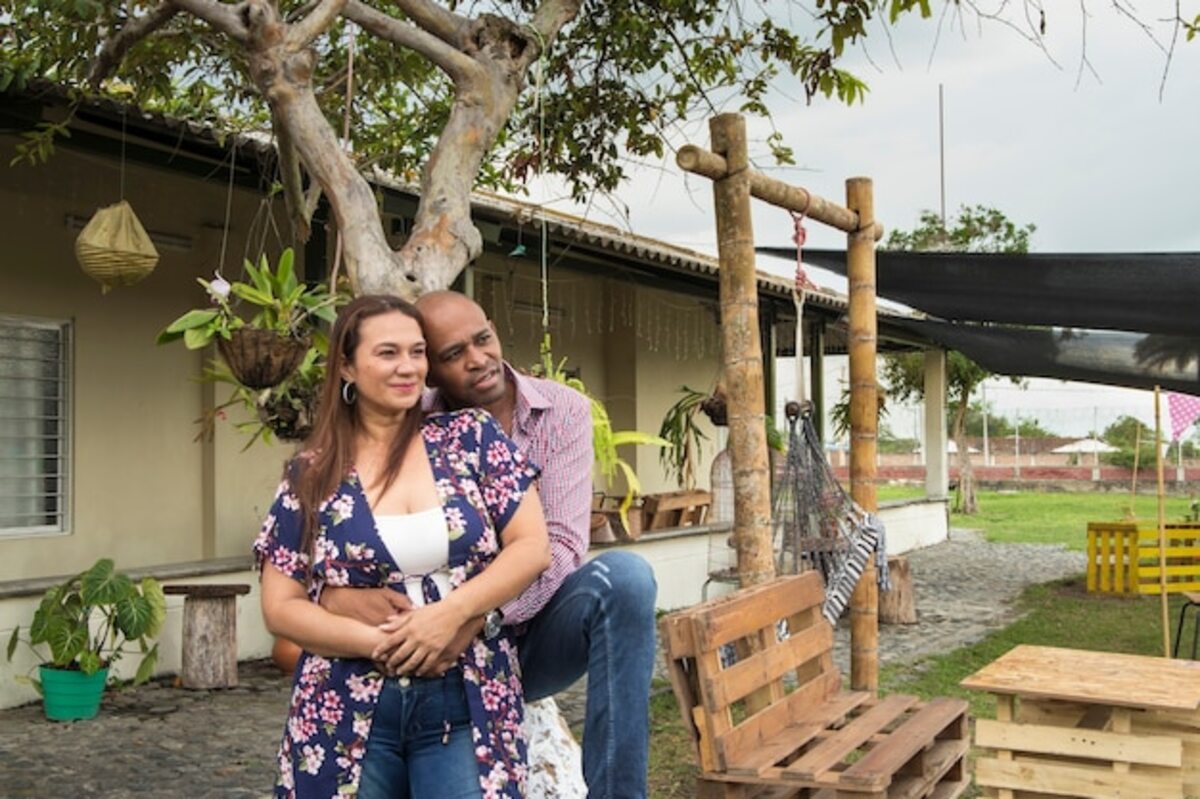
Choosing the ideal place for your new home in Costa Rica is an exciting decision, but it can be overwhelming. With landscapes ranging from paradise beaches to lush mountains, the variety of options can leave you feeling lost. This article will guide you through the key factors to consider in order to find that perfect corner that fits your needs and lifestyle. Get ready to discover how to make an informed and satisfying decision in your buying process in this beautiful country.
Consider your priorities: beach, mountain, or city?
When considering the ideal place for your new home in Costa Rica, it is essential to reflect on your personal priorities. Do you prefer the serenity of the mountains, where you can enjoy a cool climate and panoramic views? Or maybe you are more attracted to the idea of living near the beach, where you can enjoy the relaxing sound of the waves and a more active outdoor life? On the other hand, if you are a person who feels more comfortable in an urban environment, cities like San José or Liberia offer a wide range of services, culture, and entertainment. Defining your preferences will help you narrow down your options and make decisions more aligned with your lifestyle.
Additionally, it is important to consider the type of activities you enjoy doing in your day-to-day life. If you love hiking, birdwatching, or simply want to escape the urban hustle, mountainous areas might be ideal for you. In contrast, if you value proximity to the sea and water activities like surfing or snorkeling, then looking for properties near the coast will be the most suitable. You should also take into account how these decisions will impact your daily routine: from the time you will spend on transportation to the services available in each area. By clarifying your geographical and functional priorities, you will be one step closer to finding that dream home in this beautiful Central American country.
Advertisements
Research the climate: what is the best time to move?
Researching the climate is a crucial aspect to consider before moving to Costa Rica. The country is characterized by having two main seasons: the dry season and the rainy season. The dry season, which runs from December to April, is ideal for those looking to enjoy outdoor activities and explore the stunning beaches and mountains without worrying about rain. However, this period also coincides with high tourist demand, which can influence rental and purchase prices. On the other hand, the rainy season, which spans from May to November, offers a cooler and less crowded environment; although one should be prepared for daily downpours that may limit certain activities. In addition to the time of year you decide to move, you should also consider how the climate impacts your daily lifestyle. Some regions of the country have very distinct microclimates: while the coasts can be warm and humid, the mountainous areas tend to be cooler. If you are sensitive to heat or prefer temperate climates, researching these variations will help you choose a location that better fits your personal preferences. Remember that understanding the climate will not only affect your daily comfort but also practical aspects such as maintenance costs and the type of vegetation suitable for your new home.
In conclusion, taking the time to analyze the climate and its different seasons can make a significant difference in your experience when moving to Costa Rica. Choosing the best time to make this change will not only ease your adaptation to the new environment but will also allow you to make the most of everything this beautiful country has to offer during each season of the year.
Analyze the accessibility and transportation in the chosen area.
Analyzing accessibility and transportation in the chosen area is a crucial step when selecting your new home in Costa Rica. The connectivity of a location can significantly affect your quality of life, especially if you plan to commute regularly, whether for work, study, or recreational activities. Consider the proximity to major roads, as well as the availability of public transportation. Areas with good connections tend to offer greater convenience and allow you to make the most of what the country has to offer. Additionally, it is important to assess the existing infrastructure in the area concerning essential services such as hospitals, schools, and supermarkets. A place that provides easy access to these services not only improves your day-to-day life but can also influence the resale value of your property in the future. Also, consider aspects such as traffic during peak hours and alternative options to avoid congestion. Careful planning will enable you to enjoy a more harmonious life in your new Costa Rican home.
Assess the proximity to essential services: schools, hospitals, and supermarkets.
When choosing the location of your new home in Costa Rica, it is crucial to evaluate the proximity to essential services such as schools, hospitals, and supermarkets. These services not only ensure convenience in your daily life but are also important indicators of the quality of life in a specific area. For example, if you have children or plan to have them, proximity to good schools can be a deciding factor. Researching the educational institutions available in the neighborhood will allow you to learn about their ratings and programs, which will influence the educational development of your little ones.
Having quick access to hospitals and health centers is essential to ensure the well-being of the entire family. In emergency situations or even for regular check-ups, being close to a good medical center can provide great peace of mind. Finally, proximity to supermarkets and local stores makes daily shopping easier and prevents the stress of long trips for basic products. Considering these aspects when selecting a new location will help you find a home that is not only beautiful but also functional and accessible for all your daily needs.
Study the safety of the area: statistics and local perceptions.
When it comes to choosing the ideal location for your new home in Costa Rica, the safety of the area is a crucial factor that should not be overlooked. Researching crime statistics and other security issues will provide you with an objective perspective on the area you are considering. You can access data from local institutions or security reports, which offer an overview of crime rates and the most common types of offenses. This will allow you to get a clear idea of how that area compares to other regions of the country and whether it meets your expectations in terms of safety.
However, statistics are just one part of the puzzle. Local perceptions also play a crucial role in your decision. Talking to neighbors and residents can provide you with valuable insights about their personal experiences in the neighborhood, including how they feel about safety on a daily basis. Additionally, you can engage in community groups or online forums where local issues are discussed. The combination of statistical data and lived experiences will help you form a balanced opinion about the area's safety, allowing you to make a more informed decision when choosing your new home in this beautiful country.
Learn about the communities and their culture.
When considering the purchase of a new home in Costa Rica, it is essential to learn about the local communities and their culture. Each region of the country has its own identity, with traditions and customs that enrich daily life. For example, if you lean towards a quiet life near the sea, you can find coastal communities where artisanal fishing and seafood festivals are integral parts of the local culture. Understanding these particularities will not only help you integrate better into your new environment but also allow you to enjoy authentic and meaningful experiences. Moreover, each community may offer different levels of services and activities that can influence your quality of life. Some areas may be more active in terms of outdoor sports, while others may have a stronger focus on art and music. Researching local customs will also enable you to connect with your neighbors and participate in community events, which is essential for creating a sense of belonging. Ultimately, choosing a place where you can feel comfortable and connected to its culture will enrich your experience as a resident in this beautiful country.
Understand the cost of living in different regions of the country.
When considering the purchase of a new home in Costa Rica, it is essential to understand the living costs that vary significantly between different regions of the country. From the vibrant capital, San José, to the tranquil beaches of Guanacaste or the lush mountainous area of Monteverde, each place offers a unique lifestyle that is reflected in the cost of goods and services. For example, living in urban areas like San José tends to be more expensive due to the availability of infrastructure, employment, and entertainment. In contrast, rural areas may offer more affordable prices, but it is important to assess whether these places provide the necessary conveniences and services for your daily life. In addition to the cost of renting or purchasing properties, you should also consider other expenses associated with the place you choose. This includes food prices, transportation, and healthcare. Some regions have local markets where you can find fresh products at lower prices than in large supermarkets. Likewise, if you plan to move with a family, it is essential to research schools and their associated costs. Comparing these factors will allow you to make an informed choice that fits not only your budget but also the lifestyle you want to lead in this beautiful country.
At the end of the day, choosing the ideal place for your new home involves not only finding a pleasant physical space but also ensuring that you can enjoy it fully without financial worries. So take the necessary time to research and consider visiting different areas before making your final decision; this will help you gain a better perspective on what each region has to offer you both financially and in terms of quality of life.
Examine job opportunities according to your profession.
When considering the ideal place for your new home in Costa Rica, it is essential to examine the job opportunities that align with your profession. The country has various economic zones that offer different employment sectors, from tourism and agriculture to technology and education. Research which areas are growing in relation to your professional field; for example, if you work in the technology sector, places like San José may offer more options and a broader network of contacts. Be sure to also evaluate local companies and their needs, which will give you a clear idea of how you can integrate into the job market.
In addition to the direct opportunities in your profession, consider the cost of living and how it relates to the average salaries in each region. Some coastal cities may have a high cost due to their tourist popularity, while rural areas might offer more affordable prices but with fewer job opportunities available. It's essential to strike a balance between your professional aspirations and your financial needs to ensure that the chosen location is not only suitable for living but also for growing in your career. This will allow you to fully enjoy your new life in Costa Rica without compromising your professional goals.
Consult with local experts: real estate agents and current residents.
Consulting with local experts is an invaluable strategy when choosing the ideal location for your new home in Costa Rica. Real estate agents have a deep understanding of the market and can provide you with information about current trends, prices, and the best areas according to your preferences. Additionally, their experience can help you identify opportunities you may not have considered. By establishing a relationship with a trusted agent, you can receive guidance on aspects such as location, nearby amenities, and the quality of life in different neighborhoods, allowing you to make more informed decisions.
On the other hand, talking to current residents is equally crucial. They can provide you with a real perspective on daily life in the area you are considering. From advice on schools and transportation to recommendations for places to eat and enjoy leisure time, local inhabitants are an inexhaustible source of practical information. Moreover, their personal experiences can help you better understand the culture and community atmosphere of the place you are thinking of choosing. Together, consulting both real estate agents and residents will give you a comprehensive view that will facilitate your final decision and bring you even closer to finding the perfect home in this beautiful country.
Advertisements
More in Advice

Buying Process, Advice
Tips for choosing the ideal property without complications

Buying Process, Advice
How to choose the right time for your home purchase

Buying Process, Advice
Key aspects to ensure a successful home purchase

Buying Process, Advice
Guide to Making Informed Decisions When Buying Your Home
Most viewed in Buying Process

Buying Process, Legal Verification
Fundamental Aspects to Ensure Your Real Estate Purchase

Buying Process, Legal Verification
Legal Aspects That Boost Your Confidence When Buying Properties
Buying Process, Advice
Tips for choosing the ideal property without complications

Buying Process, Common Mistakes
Mistakes That Can Frustrate Your Purchase in La Fortuna