Quality of life
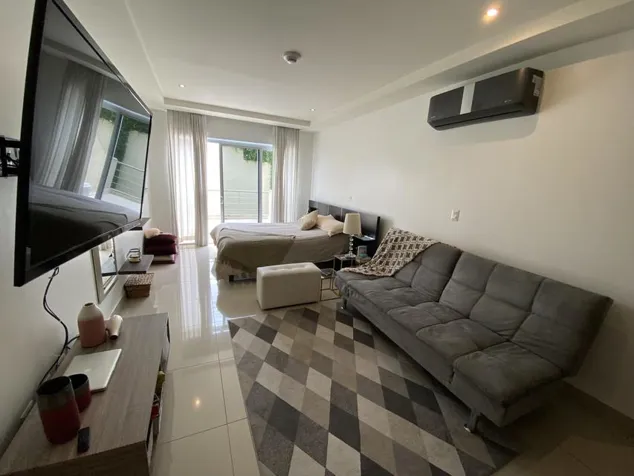
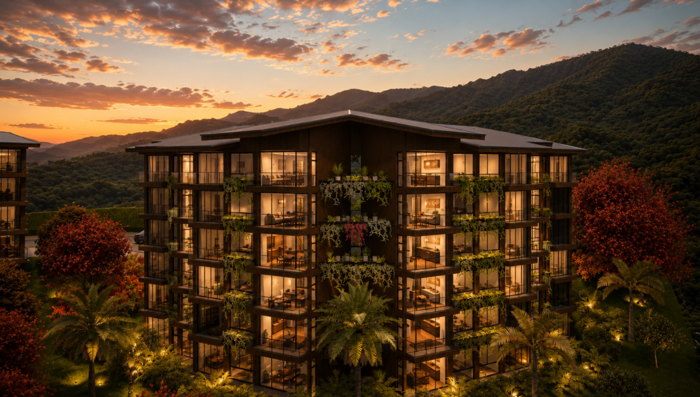
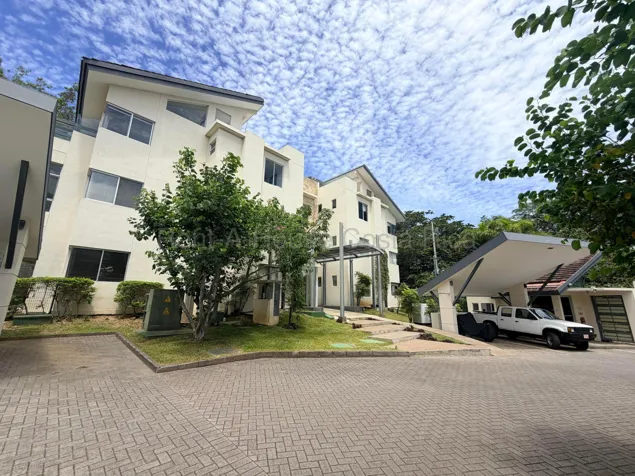
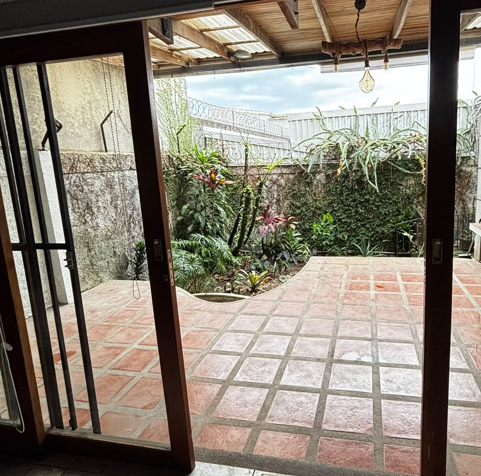
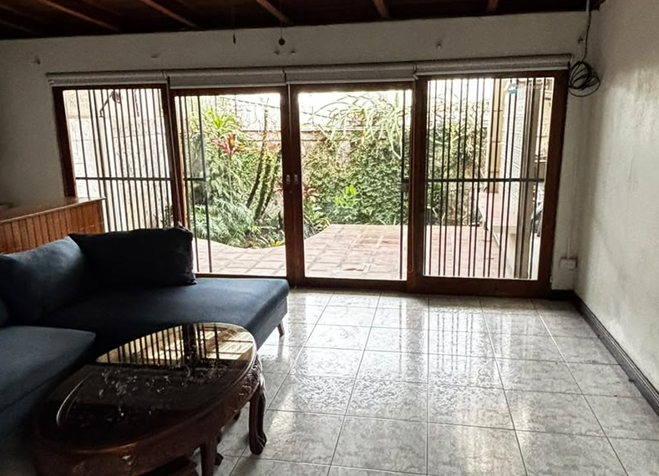
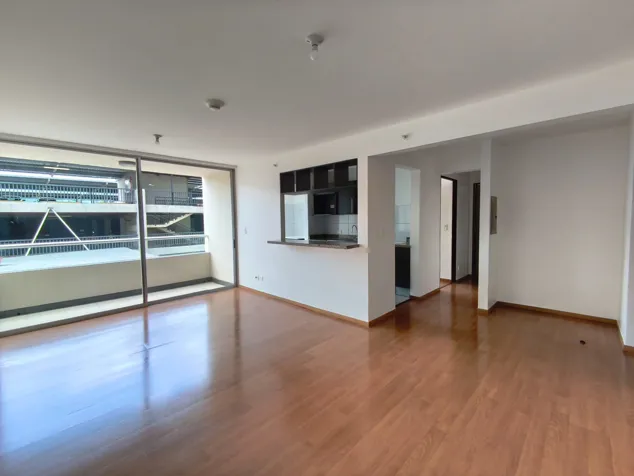
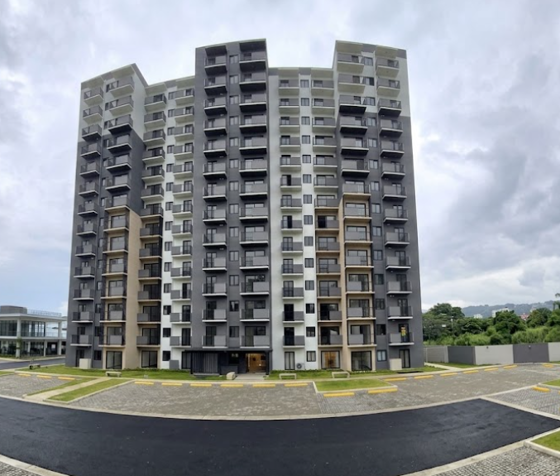
Costa Rica is a country, so quality of life depends heavily on which of its seven provinces and which local area you choose: Alajuela, Cartago, Guanacaste, Heredia, Limón, Puntarenas or San José. The country has a Pacific and a Caribbean coast, so you can find coastal, rural and urban settings. Listings cover houses, apartments or condos, lots and land, farms, commercial spaces, offices, warehouses and buildings.
Before moving, check the specifics of each neighborhood: access roads, water supply, noise, internet and the distance to everyday services. These vary from one place to another more than any national summary can show.
Cost of living
No national figure fits everywhere. Housing is usually the largest expense, and it changes with the province, the distance to the capital and whether the area is coastal or inland. Buyers and renters compare areas rather than rely on one country-wide number.
For a budget, add utilities such as electricity, water and internet, daily transport or vehicle costs, property tax and municipal fees if you buy, and condo fees if the home is in a managed complex. When there are enough listings, this page shows above the typical rent and purchase figures and what is listed by type.
Advertisements
Lifestyle
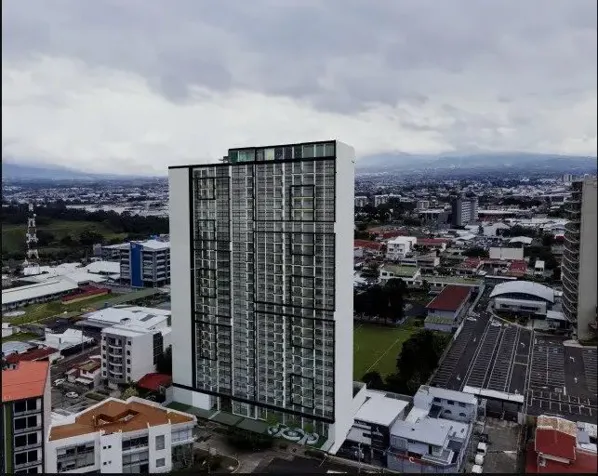
Daily life in Costa Rica depends on the setting. Urban areas, mostly in the central part of the country, put shops, offices and public services within shorter reach. Rural areas tend to rely more on a car and on trips to a larger town for errands.
Coastal areas on the Pacific and Caribbean sides often follow a rhythm tied to tourism and the seasons. Choosing the setting first, whether city, countryside or coast, makes it easier to narrow down a place to live.
Climate and nature
Costa Rica is a coastal country with a Pacific and a Caribbean coast. Its climate is tropical and is usually described by two seasons: a drier season and a rainy season. The Pacific side tends to have a more marked dry season, while the Caribbean side and the mountain slopes facing it tend to be wetter through more of the year.
Elevation matters as well: higher inland areas feel cooler than the lowlands and coasts. The country's varied terrain includes mountains, volcanoes, forests and beaches, so conditions can differ a lot over short distances.
Economy and opportunities
The national economy combines services, farming, tourism and industry. Services and most office jobs concentrate in the San José metropolitan area, while farming is spread across rural regions and tourism is strongest on the coasts and in nature areas.
Being near San José and an international airport can matter for work, study and frequent travel. Remote workers and investors often weigh that access against the lower density of rural and coastal regions.
Accessibility and location
Costa Rica is divided into seven provinces: Alajuela, Cartago, Guanacaste, Heredia, Limón, Puntarenas and San José. It has coasts on the Pacific Ocean and the Caribbean Sea, so it is a coastal country.
Because this page covers the whole country, there is no single postal code, area or distance to give. Real travel time between regions depends on the hour and the road, so check each route yourself.
History
The history of Costa Rica dates back to the arrival of the Spaniards, with the founding of the first city. Independence from Spain was later proclaimed, leading to the formation of a republic that prioritized education and peace. In the 20th century, Costa Rica stood out for abolishing its army, becoming a symbol of stability and democracy.
Its culture reflects indigenous and Spanish influences, shown in traditions such as the Yegüita festival and the celebration of the "Junta de los pueblos." Today, Costa Rica is recognized for its biodiversity and commitment to sustainability.
Tips
Visit the areas you are considering at different hours and drive the daily commute at rush hour. Ask about water supply and utilities for each property, and request recent bills to see real costs.
- Check the property at the National Registry before buying.
- If renting, sign a written lease under the General Law of Urban and Suburban Leases, Law 7527.
- Rent first in an area before committing to a purchase.
- On Anuntico, you can save listings in the zones you compare.
In summary
Living in Costa Rica is an ideal choice for those looking to establish their home or invest, thanks to its impressive biodiversity and warm climate year-round. Costa Rica is a country of seven provinces with two coasts, and conditions differ widely between regions. It makes sense for people who compare areas carefully before choosing a place to live or invest. It suits buyers and renters who weigh setting, access and budget one region at a time.