

Quality of life
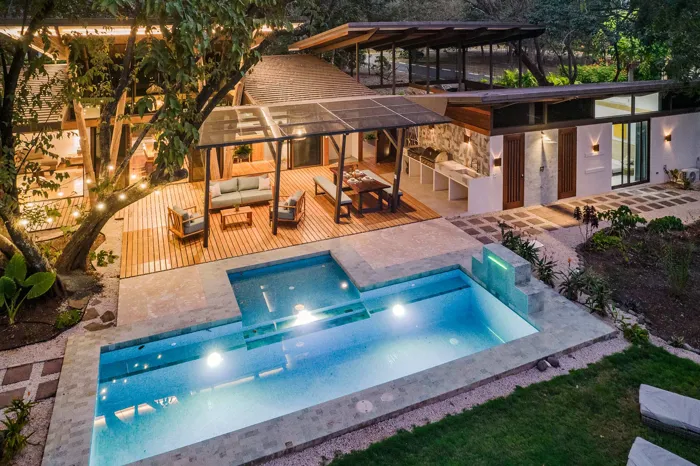
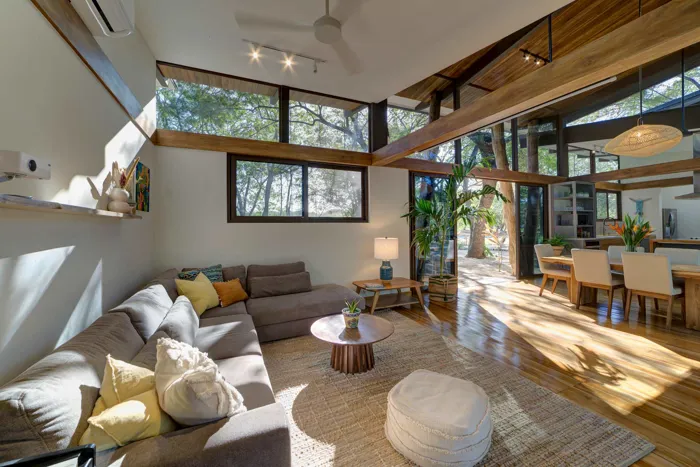
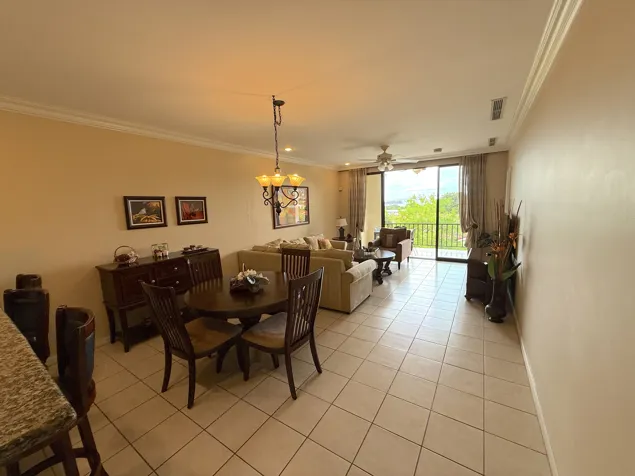
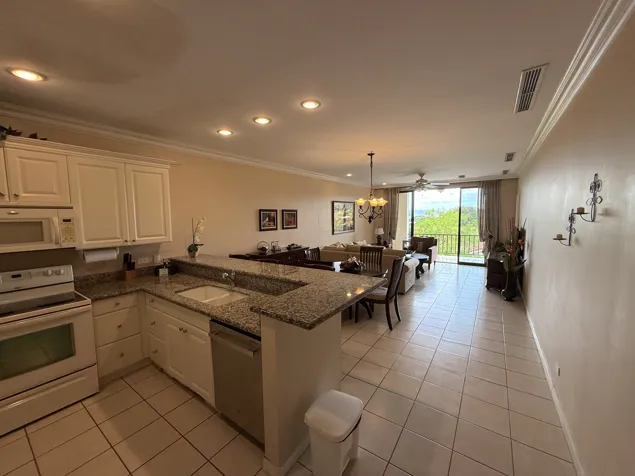
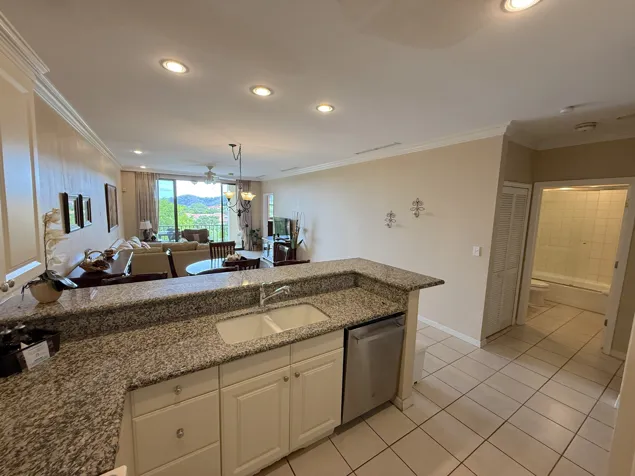
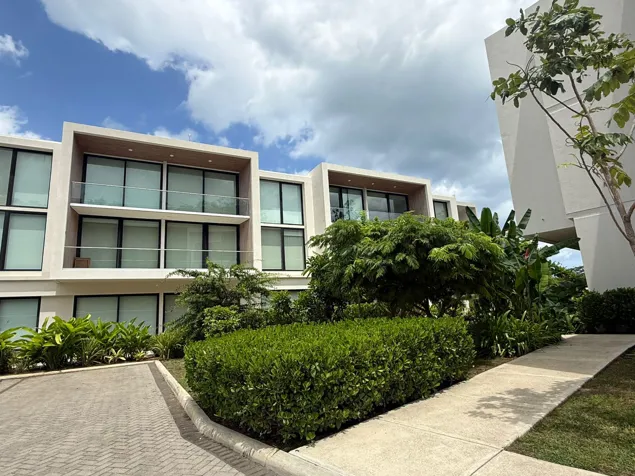
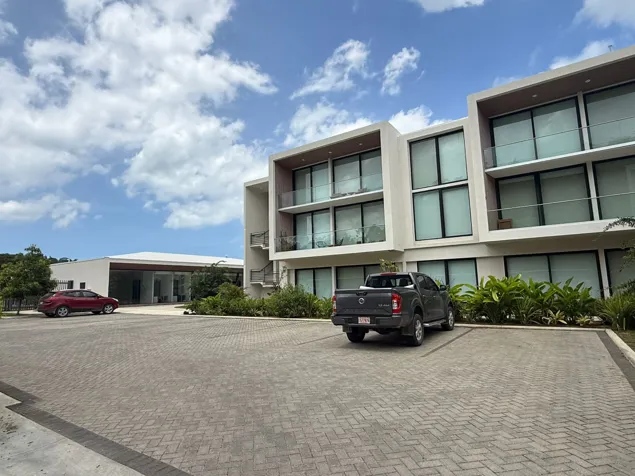
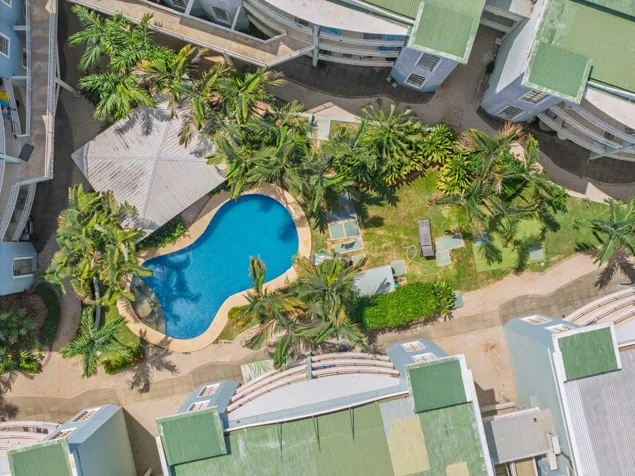
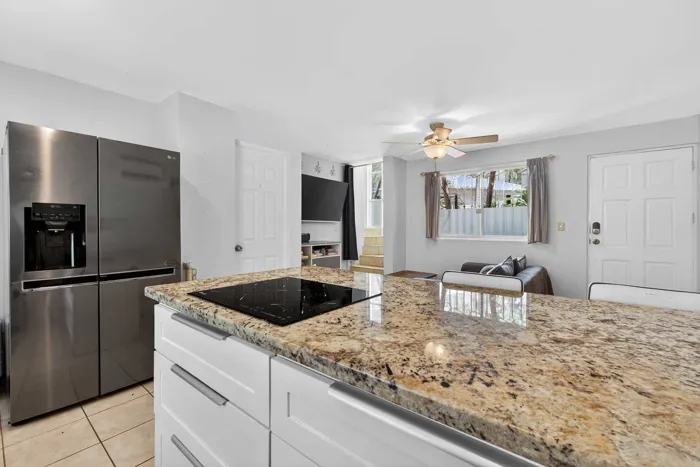
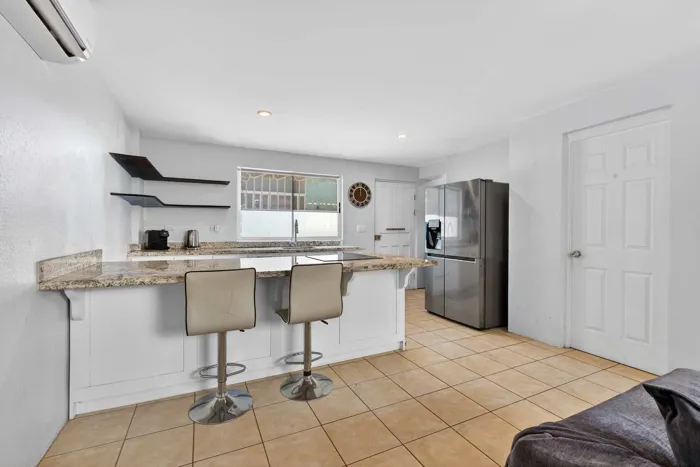
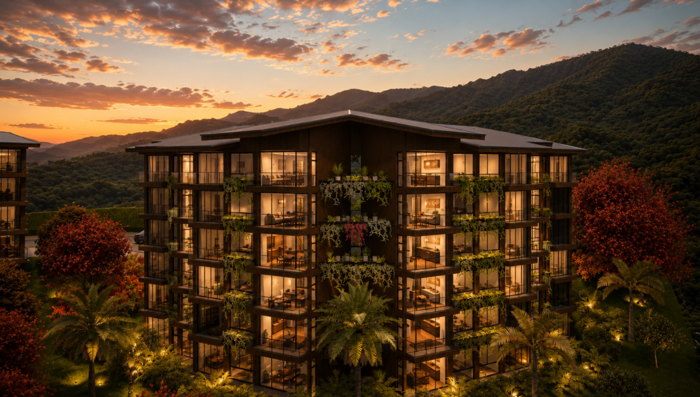
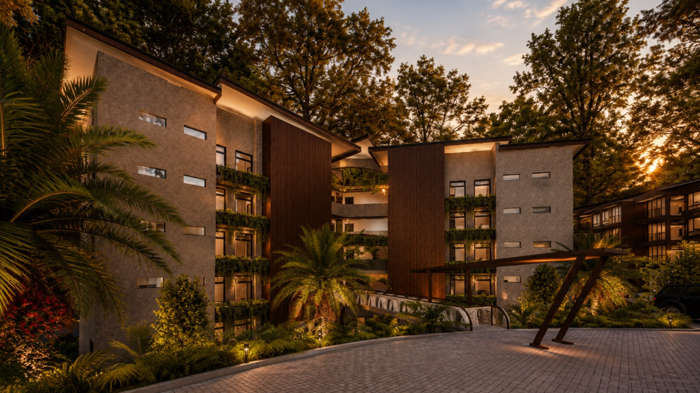
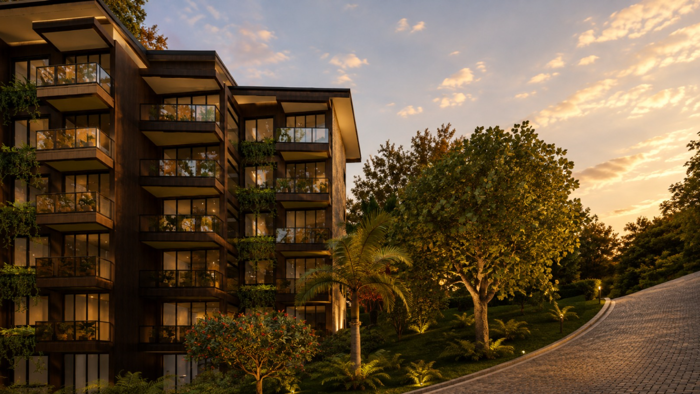
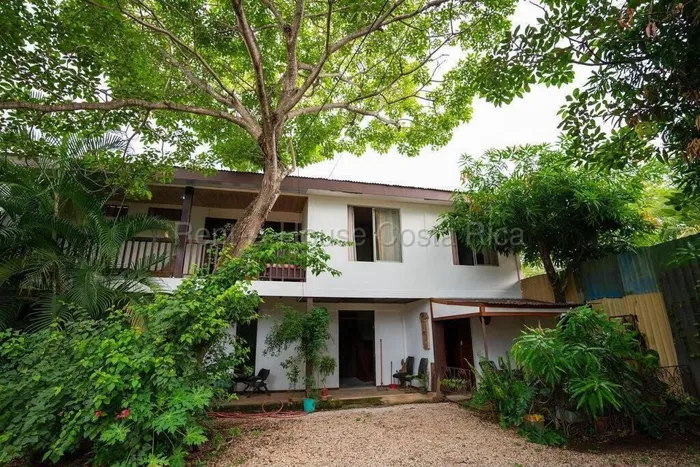
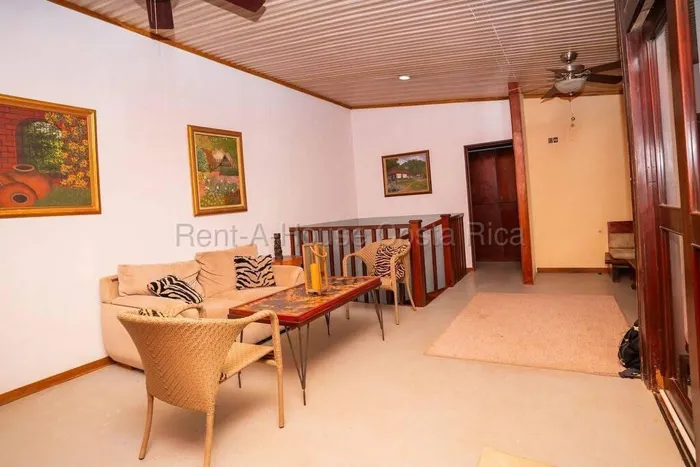
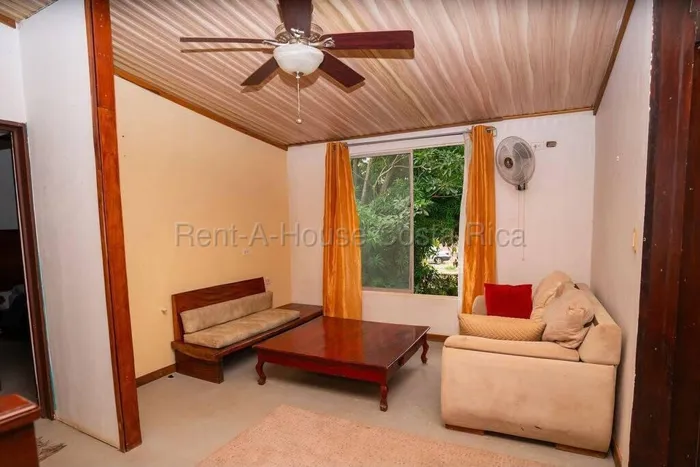
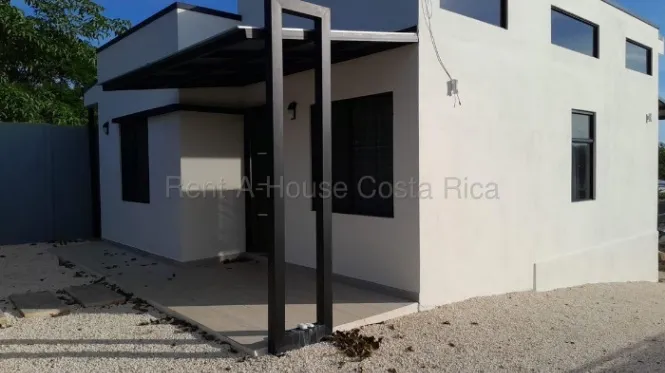
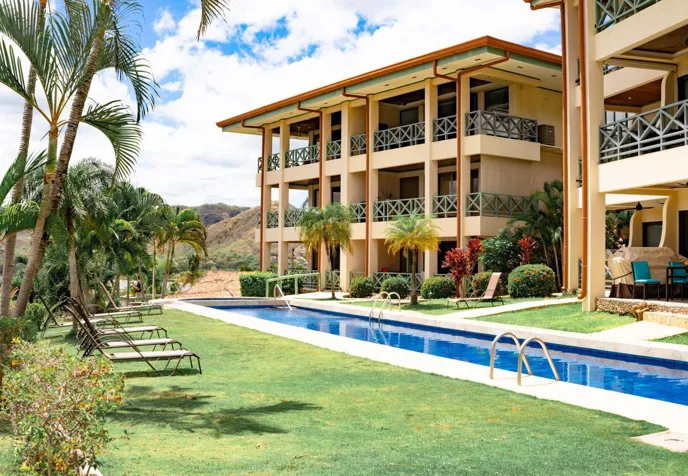
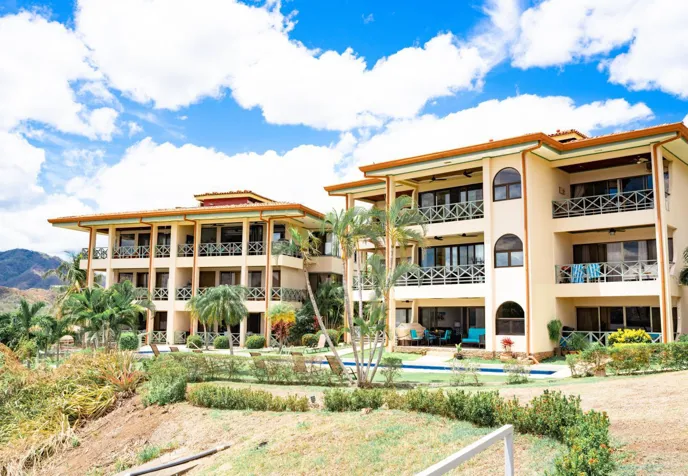
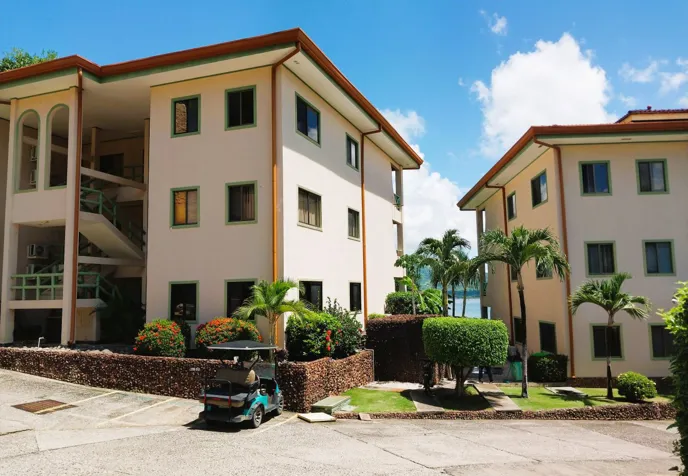
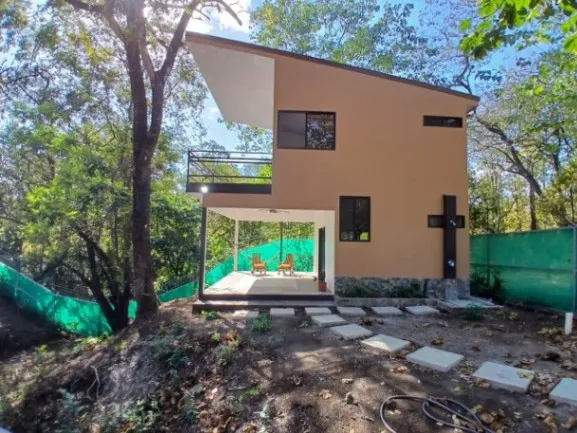
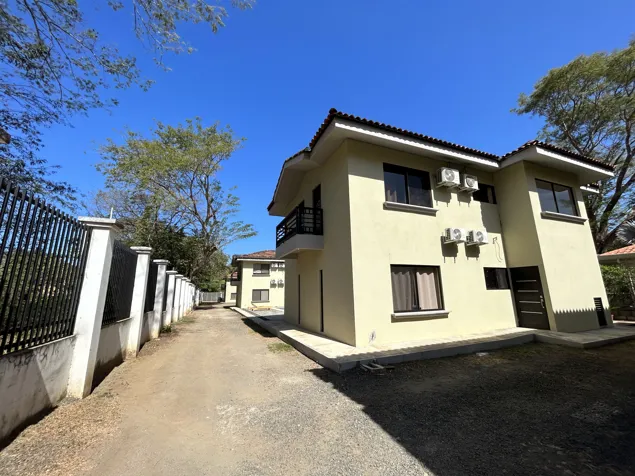
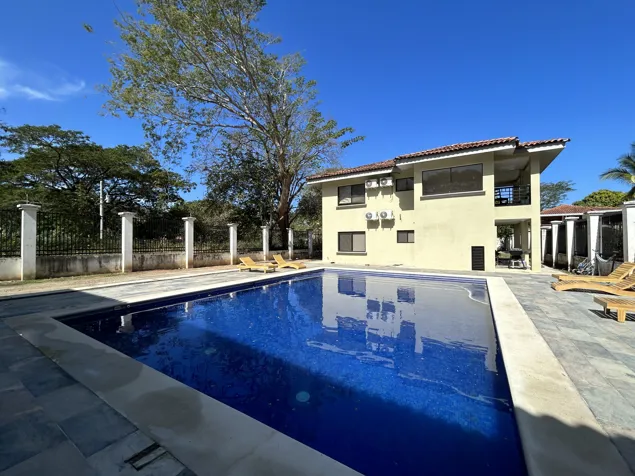
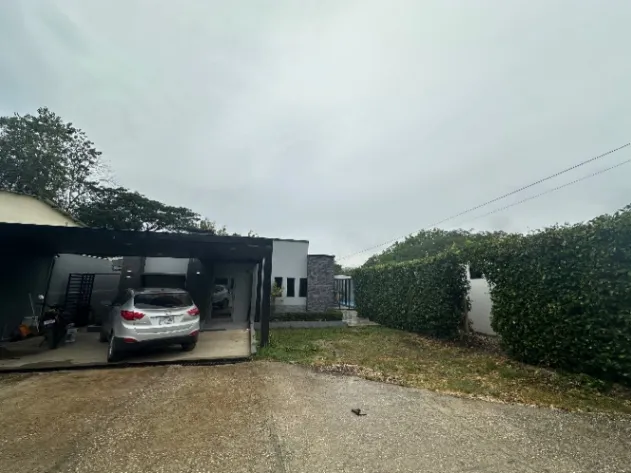
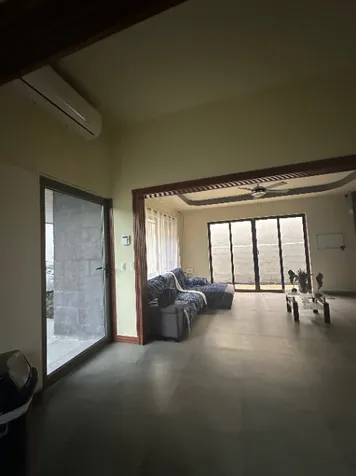
Guanacaste is a province-level zone in the northwest of Costa Rica, and it is coastal. Because it is so large, conditions differ a lot between a beach town, a cantonal seat and a farming area inland. Homes, apartments or condos, lots and land, farms, commercial spaces, warehouses and buildings are listed for sale across the province.
Before moving, check the specific surroundings of a property: access by road in the rainy season, water supply, noise, and how far the nearest services are. These points can vary from one side of the same canton to the other.
Cost of living
Housing is usually the largest expense, and it depends heavily on whether a property is near the coast, in a town or in a rural area. Beyond rent or a mortgage, budget for utilities such as electricity, water and internet, which can differ by location.
Add daily transport, since distances between towns are long and many households rely on a car. If you buy, include annual property tax and municipal charges, plus condo fees if the property is in a managed development. When there are enough listings, this page shows above the typical rent and purchase figures for the province.
Lifestyle
Daily life in Guanacaste ranges from coastal communities to inland towns and rural farmland. On the coast, routines tend to follow the beach, the tourism calendar and the weather. Inland, life is more tied to farming, local markets and the cantonal seat.
Errands, paperwork and larger shopping are normally done in the seat of each canton, so it is worth knowing which canton a property belongs to and how you would reach its center. Rural properties may mean longer drives for routine needs.
Climate and nature
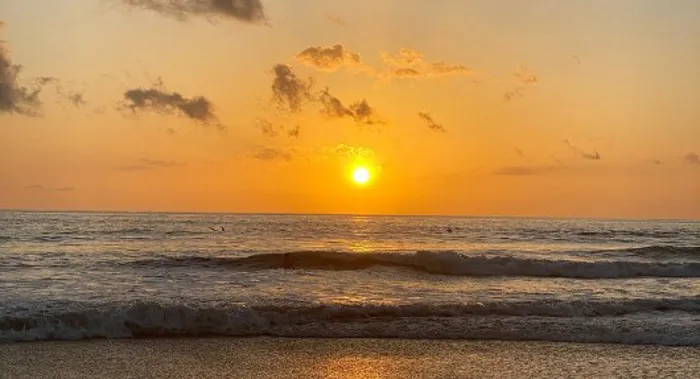
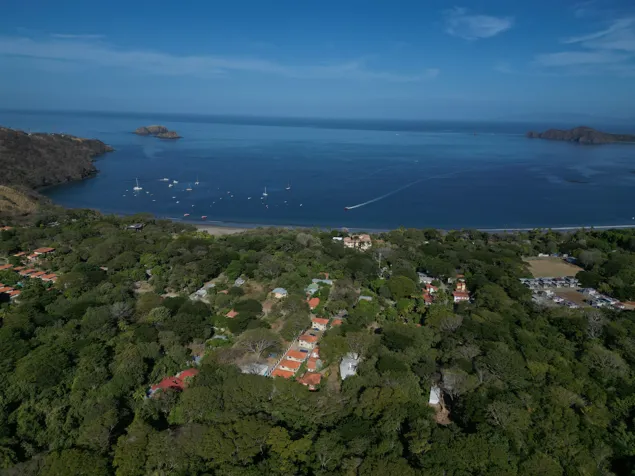
Guanacaste is coastal, on the Pacific side of Costa Rica. Like the rest of the Pacific slope in the north, it has a marked dry season and rainy season: the dry months are generally sunny and the rainy months bring frequent afternoon showers.
The lowlands near the coast tend to be drier and hotter, while higher areas toward the mountains are usually cooler and wetter. If you plan to rent or buy, visit in both seasons to see how a property and its access road behave.
Economy and opportunities
The regional economy combines tourism, farming and cattle ranching, construction and services. Work opportunities depend on where you settle: coastal areas lean on hospitality and real estate, while inland cantons rely more on agriculture and local commerce.
Guanacaste is far from the capital, so those who need to commute to San José for work or study should plan carefully. Remote work is common among foreign residents, so check internet quality at any property before committing. An international airport lies within the province, which helps for frequent travel.
Accessibility and location
Guanacaste is a province in the northwest of Costa Rica, covering 10206.2 km² (3940.6 sq mi). It is coastal. The province is made up of eleven cantons: Abangares, Bagaces, Cañas, Carrillo, Hojancha, La Cruz, Liberia, Nandayure, Nicoya, Santa Cruz and Tilarán.
Because this is a province-level page, distances depend on the specific canton or property you consider. Real travel time depends on the hour and the road, so test the route you would use regularly.
History
Guanacaste, one of the most emblematic provinces of Costa Rica, has experienced a rich cultural evolution since its annexation to Costa Rica in 1824. This region, famous for its landscapes of beaches and mountains, preserves traditions that date back to its indigenous roots and Spanish influence. In 1951, the celebration of the Fiesta de la Guanacasteca was established, reflecting the cultural identity and heritage of the guanacastecos through music, dance, and gastronomy. Today, Guanacaste attracts tourists and also those looking to live in a tropical setting.
Tips
Drive the daily commute at different hours and on different days before you decide, especially on rural roads. Ask about water and electricity for the specific property, whether it is connected to a public system or a well, and request recent bills.
If you rent, insist on a written lease under Costa Rica's General Law of Urban and Suburban Leases, Law 7527. If you buy, have a lawyer check the title at the National Registry. You can also save listings in the province with Anuntico to compare options over time.
In summary
Living in Guanacaste, Costa Rica, is an ideal choice for those looking to establish their home or invest, thanks to its stunning natural beauty and warm climate year-round. Guanacaste is a large coastal province in the northwest, made up of many cantons with very different settings, from beach areas to farmland. It makes sense for people who want a coastal or rural base and who accept driving longer distances for daily needs. Compare cantons and visit in both seasons before choosing.