Quality of life
Tilarán, Guanacaste is a canton-level zone made up of eight districts: Tilarán, Quebrada Grande, Tronadora, Santa Rosa, Líbano, Tierras Morenas, Arenal and Cabeceras. It is not coastal, so daily life here is organized around inland towns and rural areas rather than beaches.
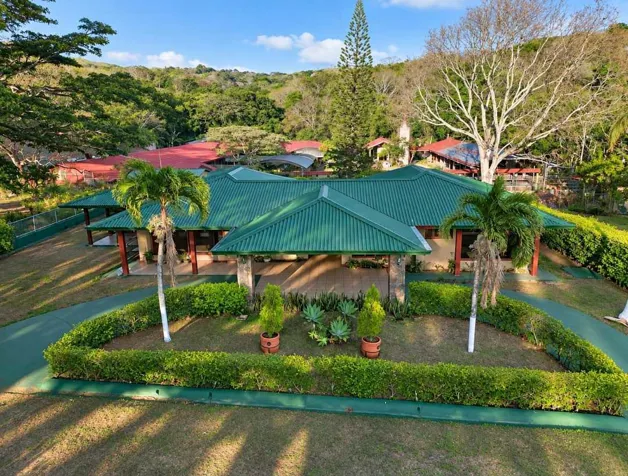
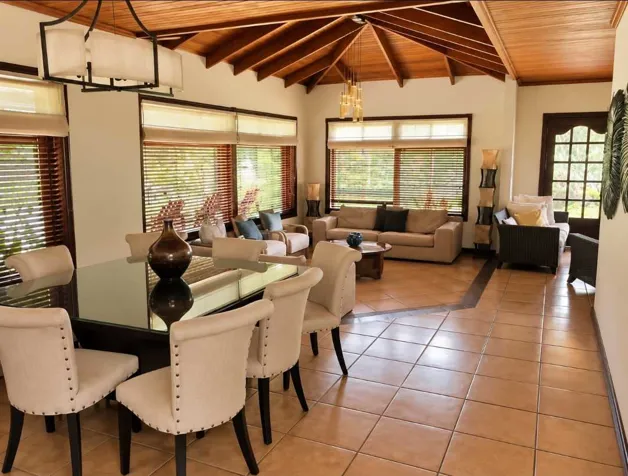
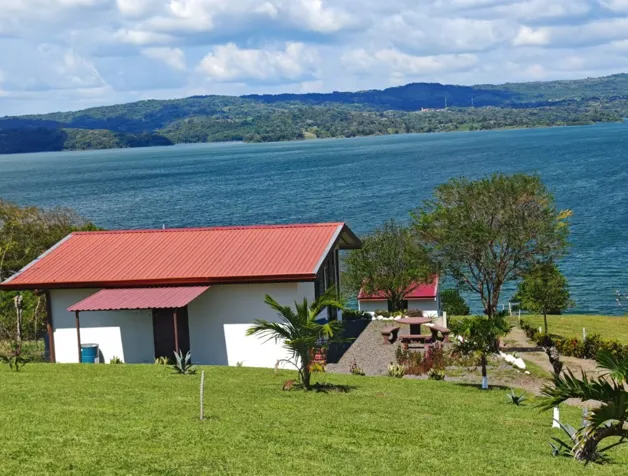
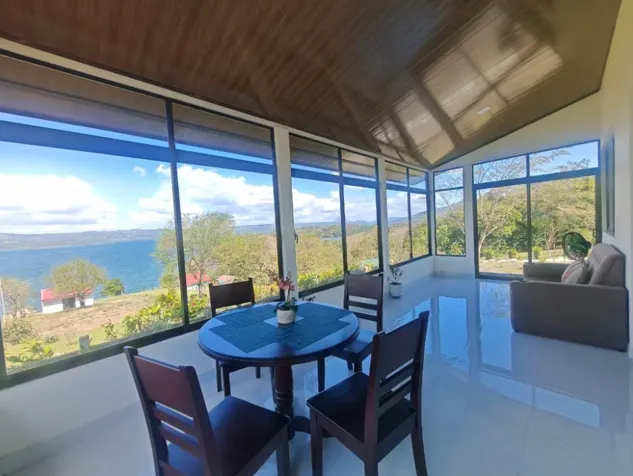
The listings in the pack include houses, lots and land, farms and buildings. Before moving, check the specifics of the exact street or property: how reliable the water supply is, whether the access road is paved and passable in the rainy season, how much noise there is, and how far you are from stores, clinics and schools. These vary a lot between a town center and a rural district.
Cost of living
Housing is usually the biggest line in a budget, and in a canton with several districts, costs depend heavily on whether the property is in a town center or in a rural area. Land and farms are priced differently from houses and buildings, so compare like with like.
Beyond rent or the purchase price, add utilities (electricity, water, internet), daily transport and fuel, and, if you are buying, the annual property tax paid to the local municipality. Condo fees apply only if the property is in a managed development. When there are enough listings, this page shows above the typical rent and purchase prices for the zone, which is a better starting point than general impressions.
Advertisements
Lifestyle
Tilarán, Guanacaste is an inland, mostly rural and small-town canton. The pack lists farms and lots alongside houses and buildings, which points to a mix of town living and country properties. Daily routines tend to depend on a car, especially outside the district of Tilarán.
The district of Tilarán shares its name with the canton and is the place to look to for errands, paperwork and the local government offices of the Municipalidad de Tilarán. If you choose a property in one of the other districts, plan your shopping and appointments around trips to the canton seat rather than expecting everything within walking distance.
Climate and nature
Tilarán is not on the coast. Like the rest of Guanacaste and the northern part of the country, it follows the Costa Rican pattern of a dry season and a rainy season, with the rains generally running through the middle and later part of the year.
Conditions change with the slope and the exposure: areas that face the Caribbean side tend to be wetter and windier, while those toward the Pacific side are generally drier. For that reason, visit a property in both seasons if you can, and look at how it handles rain, wind and humidity.
Economy and opportunities
The economy of this part of Guanacaste has traditionally relied on farming and cattle, along with tourism and local services. The listing of farms and lots in the pack fits that rural profile, while houses and buildings suggest town-based activity as well.
Because the canton is far from the capital and from the main airports, commuting to San José for work is not practical on a daily basis. Remote work, local business, agriculture or tourism-related activity are more realistic. For study, plan on regional options or on moving to the metro area, and check airport access if you travel often.
Accessibility and location
Tilarán is a canton in the province of Guanacaste, with an area of 670.1 km² (258.7 sq mi). It has eight districts: Tilarán, Quebrada Grande, Tronadora, Santa Rosa, Líbano, Tierras Morenas, Arenal and Cabeceras. The local authority is the Municipalidad de Tilarán.
In a straight line, downtown San José is 109.7 km (68.2 mi) away. The nearest international airport is Daniel Oduber International Airport (LIR), 70.3 km (43.7 mi) in a straight line, and Juan Santamaría International Airport (SJO) is 93.5 km (58.1 mi) in a straight line. Real travel time depends on the hour and the road.
Tips
Before you commit, drive the routes you would use every day at different hours, including to the district of Tilarán and to the nearest health and shopping services. Roads in rural districts can change a lot between the dry and the rainy season.
- Ask how the property gets its water and electricity, and ask for recent bills.
- If you are buying, have the title checked at the National Registry.
- If renting, sign a written lease under Costa Rica's General Law of Urban and Suburban Leases, Law 7527.
- You can save listings in the zone on Anuntico to compare them over time.
In summary
Living in Tilarán, Guanacaste, Costa Rica, is an ideal choice for those looking to establish their home or invest, thanks to its stunning natural beauty and temperate climate year-round. Tilarán is an inland, mostly rural canton of Guanacaste with a mix of town centers and country properties. It makes the most sense for buyers and renters who are comfortable driving, who can work remotely or locally, and who want land, a farm or a house away from the coast. Visit in both seasons before deciding.