Quality of life
Tronadora is the third district of the canton of Tilarán, in the province of Guanacaste. It is an inland district with a large area, and it is not coastal. Its neighbors include districts of other cantons, so the surroundings change from one edge of the district to the other. The pack lists lots and land for sale, which points to a market built around land rather than finished homes.
Before moving, check the surroundings in person: water supply, electricity and internet coverage, noise, and the condition of the access road to the specific property. Services can differ a lot between a village and a rural parcel.
Cost of living
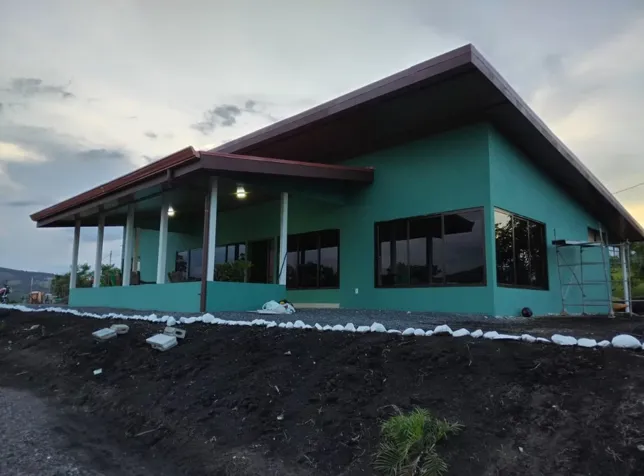
For most households, housing is the largest cost, and in a district listing mostly lots and land, building costs may matter as much as the purchase. Add utilities (electricity, water, internet, mobile service), daily transport, and fuel or vehicle upkeep if you live far from town.
If you buy, budget for the annual property tax paid to the municipality and for notary and registry costs. Condo fees apply only if the property is in a managed development. When there are enough listings, this page shows above the typical prices by property type.
Advertisements
Lifestyle
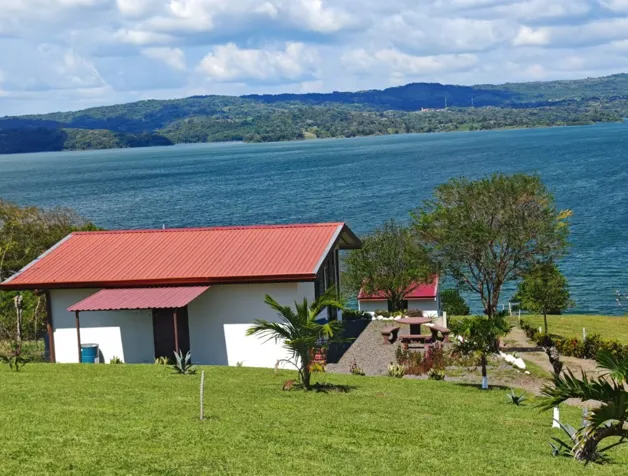
Daily life in Tronadora is rural. The district is inland and includes small villages rather than one large urban center, so most people rely on a vehicle for errands, work and appointments.
The canton seat, Tilarán, is the nearest larger town for shopping, banking and municipal paperwork, and it is the reference point for the Municipalidad de Tilarán, the local authority. Expect to plan trips instead of making quick stops, and ask neighbors how they handle supplies and deliveries.
Climate and nature
Tronadora is inland, not coastal, in the northwest of Costa Rica. The country has a dry season and a rainy season, and in this part of Guanacaste the dry months are generally more marked than in the central or Caribbean areas.
Exposure to wind and rain depends on the slope and elevation, so conditions can vary between properties. Visit in both seasons if you can, and check how a lot drains and how the access road holds up in heavy rain.
Economy and opportunities
The regional economy around Tilarán combines farming, cattle, services and some tourism. In a rural district, work is often tied to land or to the nearby canton seat, and remote work depends on a reliable internet connection at the property.
San José is far enough that a daily commute to the metro area is unrealistic for most jobs. The two international airports are likewise a planned trip, which matters for frequent travelers and for businesses that ship or receive goods.
Accessibility and location
Tronadora is district number 3 of the canton of Tilarán, in the province of Guanacaste. Its postal code is 50803 and its area is 140.1 km² (54.1 sq mi).
It borders Peñas Blancas (canton of San Ramón), La Fortuna (canton of San Carlos), Tilarán and Cabeceras.
In a straight line, it is 10.3 km (6.4 mi) from Tilarán, the canton seat, and 99.8 km (62.0 mi) from downtown San José. The nearest international airports, in a straight line, are Daniel Oduber International Airport (LIR) at 79.8 km (49.6 mi) and Juan Santamaría International Airport (SJO) at 83.6 km (51.9 mi).
The official villages are Arenal Viejo, Colonia Menonita, Río Chiquito Abajo and Silencio, from Costa Rica's official territorial division (Decree 44882-MGP). Real travel time depends on the hour and the road.
History
Tronadora, a district of Tilarán, Guanacaste, Costa Rica, was founded in 1850 and has evolved over the years, standing out for its culture and traditions. The place is known for its agricultural heritage, where the cultivation of coffee and sugarcane has been fundamental to its economic development. Festivals, such as the celebrations of the Virgen de la Inmaculada Concepción in December, reflect the devotion and unity of the community.
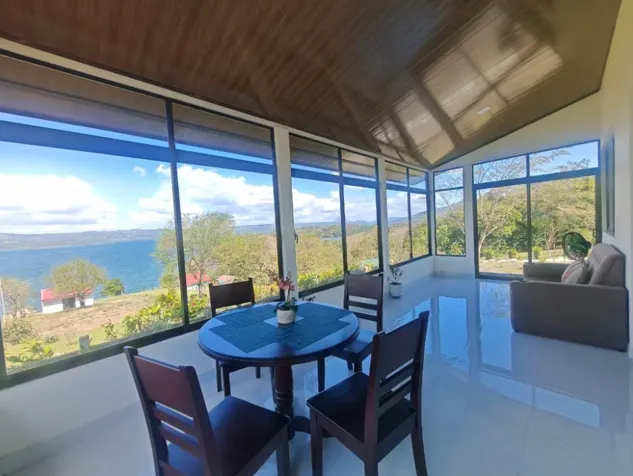
Tronadora also offers a peaceful lifestyle, surrounded by nature and landscapes.
Tips
Drive the route to work, school or Tilarán at different hours and on different days, including after rain. Distances in a straight line say little about the real trip.
Ask the owner or seller about water and utilities: whether the property has a water connection or its own source, and whether electricity and internet are already in place. Request recent bills. For a lot, confirm access and utility availability before you commit.
If you rent, sign a written lease under Costa Rica's General Law of Urban and Suburban Leases, Law 7527. You can also save listings in the zone on Anuntico to compare options over time.
In summary
Living in Tronadora, Tilarán, Guanacaste, Costa Rica, is an ideal choice for those looking to establish their home or invest, thanks to its privileged natural environment and pleasant climate. Tronadora is an inland, rural district of the canton of Tilarán, where the market listed is lots and land. It makes the most sense for buyers who want land and a quiet setting, and who are comfortable relying on a vehicle and on Tilarán for services. Visit in both seasons and check water, access and connectivity before deciding.