Quality of life
Nicoya, Guanacaste is a canton made up of seven districts: Nicoya, Mansión, San Antonio, Quebrada Honda, Sámara, Nosara and Belén de Nosarita. It is coastal, so the canton mixes inland areas with shoreline districts, and conditions can differ a lot from one district to another.
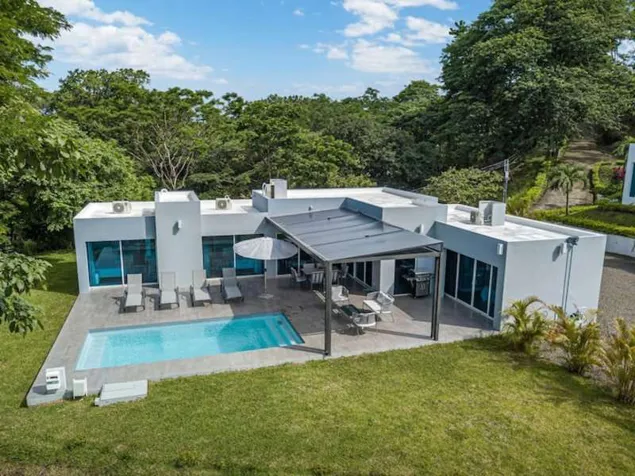
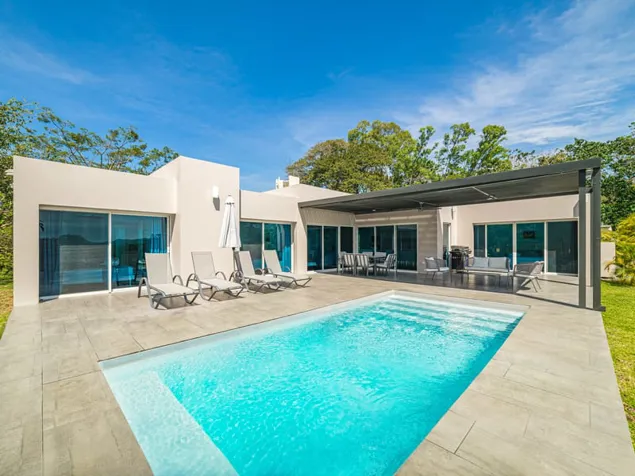
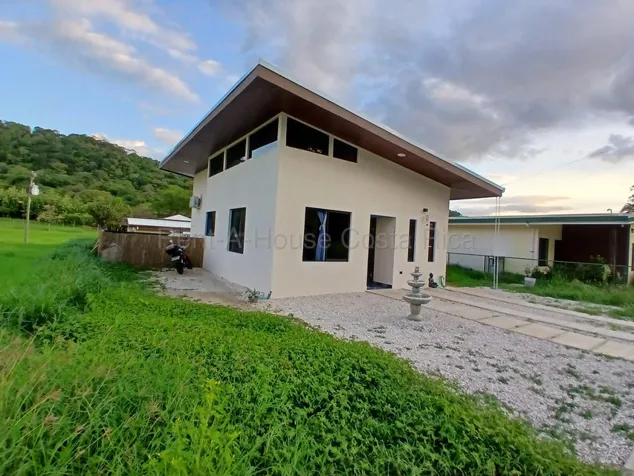
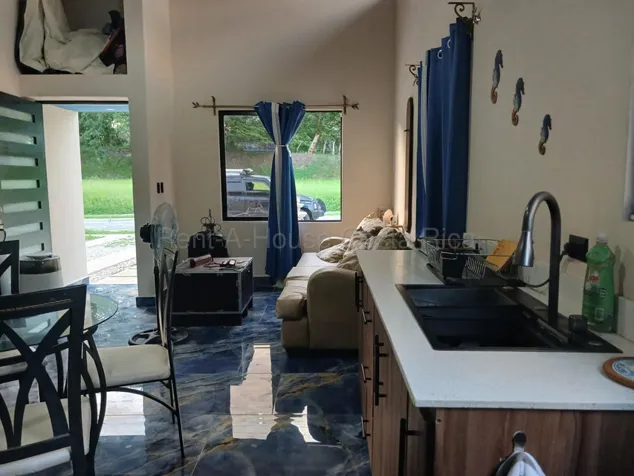
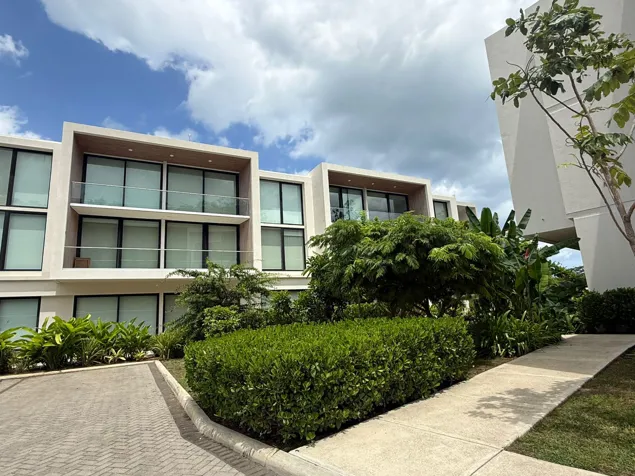
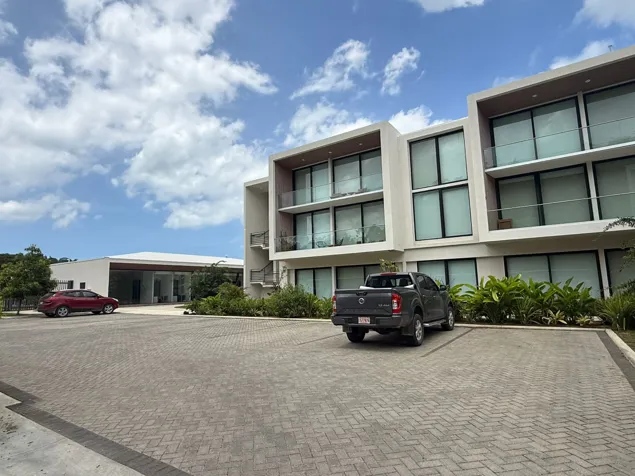
The pack shows houses, apartments or condos, lots and land, farms, warehouses and buildings listed for sale, and houses for rent. Before moving, check the specific surroundings of each property: water supply, road access in the rainy season, noise, and how far the nearest services are. Visit at different times of day and ask neighbors about daily conditions.
Cost of living
Housing is usually the biggest expense, and it varies with the type of property, its size and how close it is to the coast or to a town center. A canton this large has many different price levels, so compare districts rather than relying on one general idea.
Add to your budget electricity, water, internet and phone, daily transport (fuel or buses and taxis), and, if you buy, the annual property tax paid to the Municipalidad de Nicoya. Condo or building fees apply in some developments. When there are enough listings, this page shows above the typical rent and purchase figures for the area.
Advertisements
Lifestyle
Daily life in this canton depends on where you settle. Areas around the canton seat tend to work as a town, with errands, offices and public services close together. Rural districts are more spread out and usually call for a vehicle. The coastal districts have a beach-oriented setting, with a different rhythm from the inland ones.
Since farms and lots are listed, some buyers look for land with space, while others look for a house or condo near the town. Think about how often you will need to go to the seat for paperwork, shopping or health care, and plan your location around that.
Climate and nature
Nicoya is in the Pacific part of Guanacaste, a region with a marked dry season and a rainy season. In general, the dry months run from about December to April, and the rest of the year brings more frequent rain, often in the afternoons. Lower, flatter areas tend to be hotter and drier, while higher ground can be a bit fresher and greener.
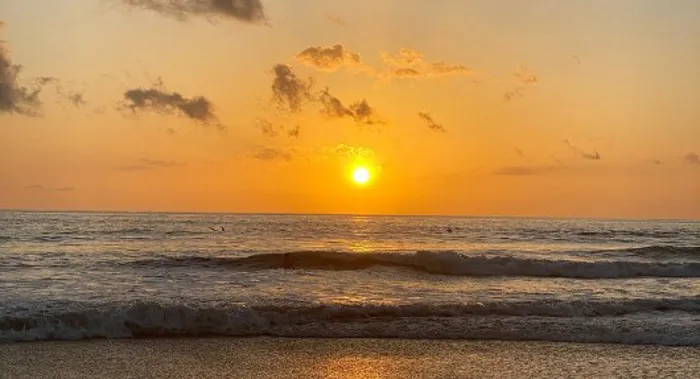
The canton is coastal, so sea breezes, beaches and coastal vegetation are part of the setting in the shoreline districts. Rain can affect unpaved roads and rivers, so ask about access in the wet months.
Economy and opportunities
The economy of Guanacaste combines farming and cattle, tourism, commerce and services. In a canton with both inland and coastal districts, you can expect work tied to local businesses, rural activity and visitors, with the canton seat acting as a center for services and trade.
Being far from San José limits daily commuting to the metro area, so remote work, local jobs or your own business are more realistic. The nearby international airport is useful for frequent travel and for receiving visitors. For study, check which options exist locally and which would require relocating or traveling.
Accessibility and location
This page covers the canton of Nicoya, in the province of Guanacaste. It has an area of 1337.3 km² (516.3 sq mi) and seven districts: Nicoya, Mansión, San Antonio, Quebrada Honda, Sámara, Nosara and Belén de Nosarita. The local authority is the Municipalidad de Nicoya, and the canton is on the coast.
Downtown San José is 152.1 km (94.5 mi) in a straight line. The nearest international airport listed is Daniel Oduber International Airport (LIR), 54.1 km (33.6 mi) in a straight line. District names come from Costa Rica's official territorial division (Decree 44882-MGP). Real travel time depends on the hour and the road.
History
The history of Nicoya dates back to pre-Columbian times when it was inhabited by indigenous cultures such as the chorotegas. In 1522, the Spaniards arrived in the region, but it wasn't until 1824 that Nicoya joined Costa Rica, becoming an important canton.
Over the years, Nicoya has evolved, preserving its cultural heritage, marked by traditions such as the celebration of the Feast of the Virgin of Guadalupe and the "town of the three cults." Its cuisine, with dishes like "gallo pinto," reflects the fusion of indigenous and Spanish influences. Today, Nicoya is recognized for its healthy lifestyle and its connection to nature.
Tips
Before deciding, drive the daily route you would use at different hours, such as morning, midday and evening, and in both dry and rainy months if you can. Ask about water and electricity for the specific property, whether the water comes from a public system or a well, and request recent bills.
If you rent, sign a written lease under Costa Rica's General Law of Urban and Suburban Leases, Law 7527. If you buy, check the title at the National Registry. You can also use Anuntico to save listings in this zone and compare them over time.
In summary
Living in Nicoya, Guanacaste, Costa Rica, is an ideal choice for those looking to establish their home or invest, thanks to its tropical climate and proximity to beautiful beaches. Nicoya is a large coastal canton in Guanacaste, with a canton seat, rural districts and shoreline districts. It makes sense for people who want to choose between town, countryside or coast, and who accept that distances are long and services vary by district. Visit the specific area before committing.