Quality of life
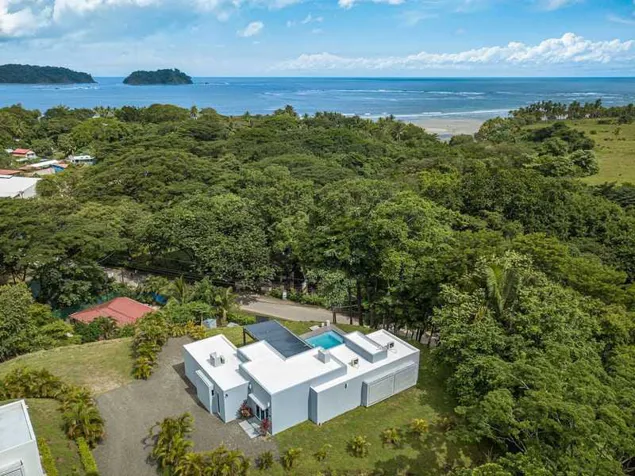
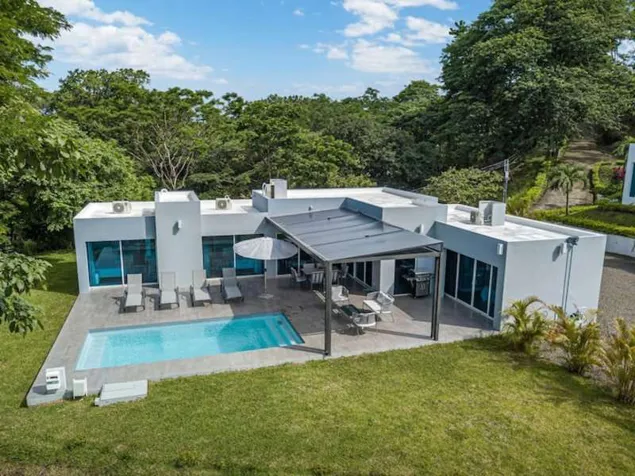
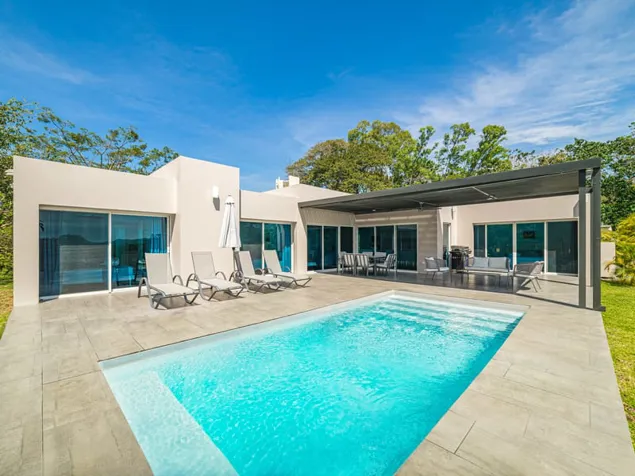
Sámara is the fifth district of the canton of Nicoya, in the province of Guanacaste, and it is a coastal district. Its area is large and it is not the canton seat, so services that depend on the municipality are handled from Nicoya. Listings include houses, lots and land, and buildings for sale, and houses for rent.
Before moving, check the practical details of the specific street or property: how water is supplied, how reliable electricity and internet are, noise levels at different hours, and whether the access road is paved and passable in the rainy season. Conditions can differ a lot between the coast and the inland villages.
Cost of living
Housing is the main driver of costs here, whether you buy or rent. Coastal districts often price differently from inland ones, so compare similar properties within the same area rather than across the whole canton.
Beyond rent or the purchase price, add utilities (electricity, water, internet), daily transport, and, if buying, annual property tax and the costs of registering the title. If the property is in a condominium, include monthly condo fees. When there are enough listings, this page shows above the typical rent and purchase figures for the zone, which you can use as a starting point for your budget.
Advertisements
Lifestyle
The pack describes a coastal district with many small villages spread across a wide area, so daily life is likely to mix beach-town and rural routines. Distances between villages and the main road may matter more than they seem on a map, and a car or motorbike is a common need for errands.
For formal procedures, municipal business and larger purchases, Nicoya is the canton seat and the place to plan trips to. Since it is a fair distance away, many residents group those errands together. Check what is available within walking or short driving distance of any property you consider.
Climate and nature
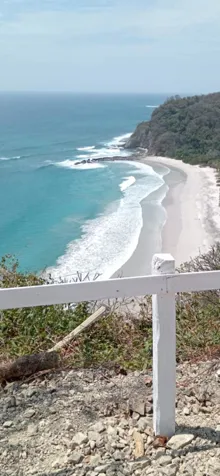
Sámara is on the Pacific side of Guanacaste, where the year divides into a dry season and a rainy season. Dry months are generally sunnier and breezier, while the rainy months bring afternoon downpours and greener landscapes. The coast is usually drier than the higher, inland areas, which tend to receive more rain.
Because the district is coastal, think about humidity, salt air and sun exposure when evaluating buildings, as they affect maintenance. In the rainy season, ask about drainage and how dirt roads hold up.
Economy and opportunities
The economy of this part of Guanacaste generally combines tourism, services, farming and cattle ranching. On the coast, work tends to be tied to visitors, construction and small businesses, while inland villages lean more on agriculture.
Being far from San José means that jobs in the metro area are not realistic for a daily commute, so remote work, local business or seasonal work suit this zone better. The international airport in Liberia is the closest for travel, which helps those who fly in often for work or family. For study, larger options are mostly in Nicoya or further away.
Accessibility and location
Sámara is district number 5 of the canton of Nicoya, in the province of Guanacaste. Its postal code is 50205 and its area is 109.3 km² (42.2 sq mi). It borders Nosara, Belén de Nosarita and Puerto Carrillo (canton of Hojancha).
In a straight line, it is 23.4 km (14.5 mi) from Nicoya, the canton seat, 160.9 km (100.0 mi) from downtown San José and 75.9 km (47.2 mi) from Daniel Oduber International Airport (LIR).
The official neighbourhoods are Mala Noche and Matapalo. The official villages are Bajo Escondido, Barco Quebrado, Buenavista, Buenos Aires, Cambutes, Cangrejal, Cantarrana, Chinampas, Esterones, Galilea, Palmar and Panamá, among others. They come from Costa Rica's official territorial division (Decree 44882-MGP). Real travel time depends on the hour and the road.
History
The history of Sámara, in the Nicoya Peninsula, Guanacaste, Costa Rica, dates back to pre-Columbian times when the Chorotega indigenous people inhabited the region. In 1525, the Spanish explorer Gil González Dávila arrived in the area, marking the beginning of European influence. Over time, Sámara has transformed from a small fishing village to a popular tourist destination, known for its beaches and welcoming atmosphere.
The culture of Sámara reflects a blend of indigenous and Costa Rican traditions, celebrating events such as the Fiesta de la Virgen del Mar in September, which attracts visitors from all over.
Tips
Visit the area at different hours and days, and drive the routes you would use daily, including to Nicoya, to see how traffic and road conditions change. Visit in both dry and rainy seasons if you can.
- Ask how the property gets water and electricity, and whether there is a well or a community water association.
- Request recent utility bills to understand real monthly costs.
- If buying, have a lawyer check the title at the National Registry and any coastal-zone restrictions.
- If renting, sign a written lease under the General Law of Urban and Suburban Leases (Law 7527).
You can also save listings in the zone on Anuntico to compare options over time.
In summary
Living in Sámara, Nicoya, Guanacaste, Costa Rica, is an ideal choice for those looking to establish their home or invest, thanks to its stunning natural beauty and tranquil environment. Sámara is a large coastal district of the canton of Nicoya, made up of many small villages and far from the capital. It makes most sense for buyers and renters who are comfortable with a car-dependent routine, a distance from the canton seat and seasonal weather, and who work remotely, run a local business or want a coastal home in Guanacaste.