Quality of life
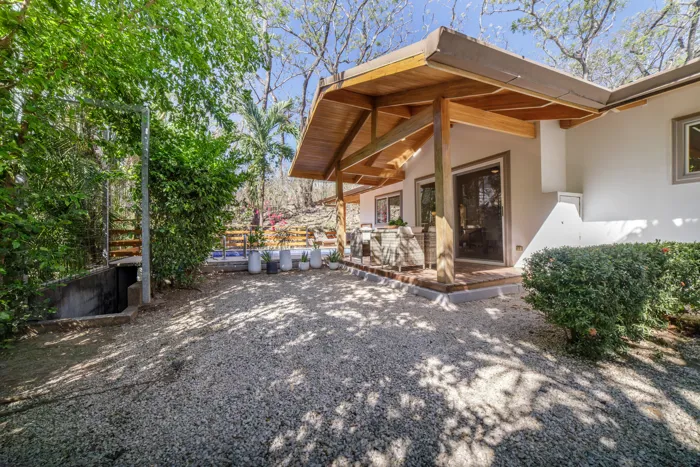
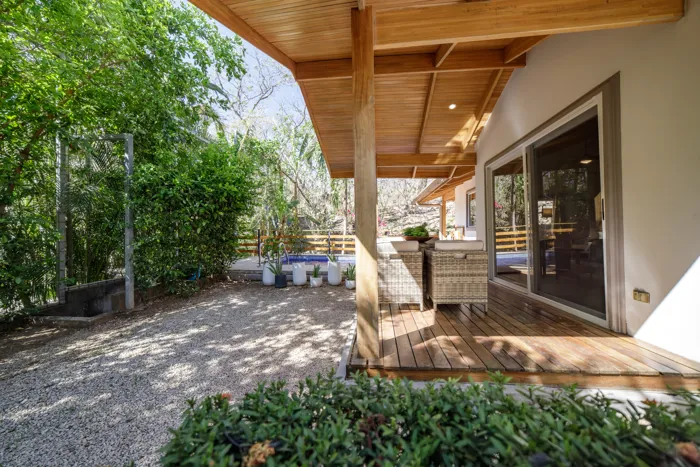
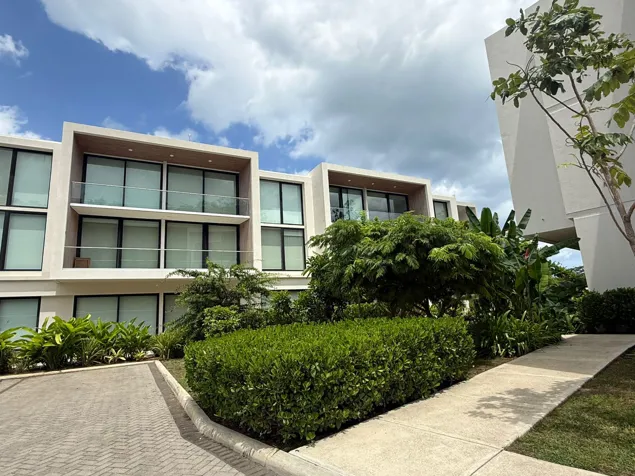
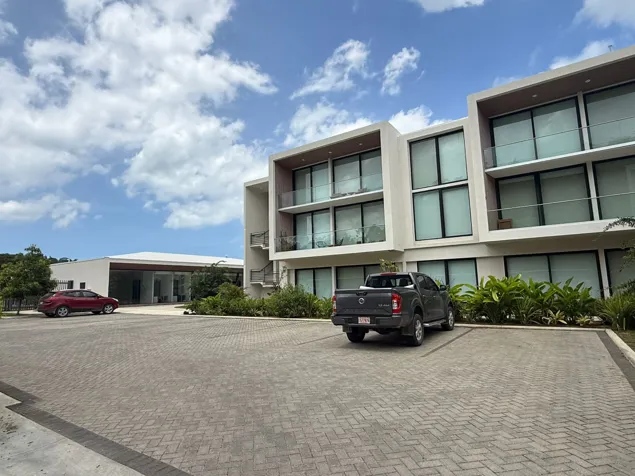
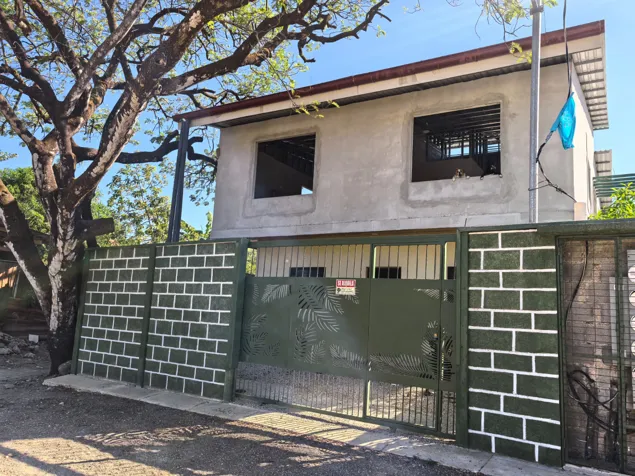
Nosara is the sixth district of the canton of Nicoya, in the province of Guanacaste, and it is a coastal district with a large territory. Its district seat village is Bocas de Nosara. For sale, the listings cover houses, apartments or condos, lots and land, farms and warehouses, so the area mixes residential, rural and commercial uses. For rent, only houses are listed.
Before moving, check the practical side of the specific street or property: how water is supplied, whether the road to the property is paved and passable in the rainy season, noise levels, and how far you are from shops and health services. These vary a lot between the beach areas and the inland villages.
Cost of living
Housing is the main cost driver here, whether you rent or buy. Coastal districts with a mix of homes, condos and land can show wide differences from one property to another, depending on location, size and condition.
Beyond rent or the purchase price, add to your budget: electricity and water, internet and phone, daily transport (a car is often needed in rural coastal areas), and, if you buy, the annual property tax and the transfer costs. Condo fees apply if you choose an apartment or condo within a managed development. When there are enough listings, this page shows above the typical rent and purchase figures for the zone.
Advertisements
Lifestyle
Daily life in Nosara combines coastal and rural patterns. The district has many small villages spread over a wide area, so errands often involve driving between them. Beach-side communities and inland farming villages are likely to feel quite different from each other.
For larger purchases, banking, government paperwork and a wider choice of stores, residents turn to Nicoya, the canton seat. Distances here are long enough that planning your weekly trips is part of daily routine, so it helps to pick a village based on how you plan to get around.
Climate and nature
Nosara is on the Pacific coast of Guanacaste, which has a pronounced dry season and a rainy season. In general, the dry months run from around December to April, and the green, rainy months follow, with heavy afternoon showers common. This part of the country is usually drier than the Caribbean side or the central highlands.
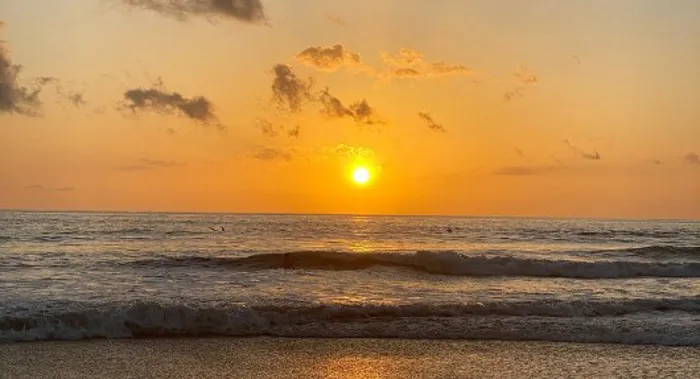
Being coastal, the district has beaches and a humid, warm environment. Rainy-season conditions can affect unpaved roads, so it is worth seeing a property in both seasons if you can.
Economy and opportunities
The economy of this region of Guanacaste rests on tourism, services, farming and cattle, with construction and property management closely tied to visitors and foreign residents. The mix of listed farms, lots, houses and warehouses suggests both agricultural and commercial activity.
San José is far for a regular commute, so jobs in the metro area are not realistic on a daily basis. The Guanacaste airport is closer, which matters for remote workers, frequent travelers and anyone whose work depends on visitors. For study or specialized work, most people look to Nicoya or larger cities.
Accessibility and location
Nosara is district number 6 of the canton of Nicoya, in the province of Guanacaste, with postal code 50206 and an area of 133.5 km² (51.5 sq mi). The local authority is the Municipalidad de Nicoya.
It borders the districts of Nicoya, Sámara, Belén de Nosarita and Cuajiniquil (canton of Santa Cruz). In a straight line, it is 20.6 km (12.8 mi) from Nicoya, the canton seat, 170.5 km (105.9 mi) from downtown San José, and 69.2 km (43.0 mi) from Daniel Oduber International Airport (LIR).
According to Costa Rica's official territorial division (Decree 44882-MGP), the villages are: Ángeles de Garza, Bijagua, Cabeceras de Garza, Coyoles, Cuesta Winch, Delicias, Esperanza Sur, Flores, Garza, Guiones, Ligia, Nosara, Playa Nosara, Playa Pelada, Portal, Río Montaña, San Juan, Santa Marta and Santa Teresa. Real travel time depends on the hour and the road.
History
Nosara, located on the Nicoya Peninsula, Guanacaste, Costa Rica, has undergone a remarkable transformation since its founding in 1930, when it was a small agricultural and fishing village. Over the decades, especially since the 1970s, tourism has become the engine of its development, attracting surfers and nature lovers who appreciate its beauty and biodiversity.
The local culture is enriched by Costa Rican traditions such as patron saint festivals and the celebration of Independence Day, which reflect the community's pride. Today, Nosara is recognized for its healthy and sustainable lifestyle, which draws people looking for a new home.
Tips
Test the daily route at different hours, including the road to Nicoya, and in both dry and rainy seasons. Ask about water supply and electricity for the specific property, and request recent bills so you know the real monthly costs.
If you rent, insist on a written lease under Costa Rica's General Law of Urban and Suburban Leases, Law 7527. If you buy, have a lawyer check the title at the National Registry. You can also save listings in the zone on Anuntico to compare options over time.
In summary
Living in Nosara, Nicoya, Guanacaste, Costa Rica, is an ideal choice for those seeking a tranquil lifestyle connected to nature. This beautiful locality is known for its paradisiacal beaches, perfect for surfers and sun lovers, making it an attractive tourist and residential destination. Nosara is a coastal district of Nicoya with many small villages, a mix of beach and rural areas, and a long distance from the capital. It makes the most sense for buyers and renters who are comfortable driving, can work remotely or in local tourism and services, and want to compare beach and inland settings in person.