

Quality of life
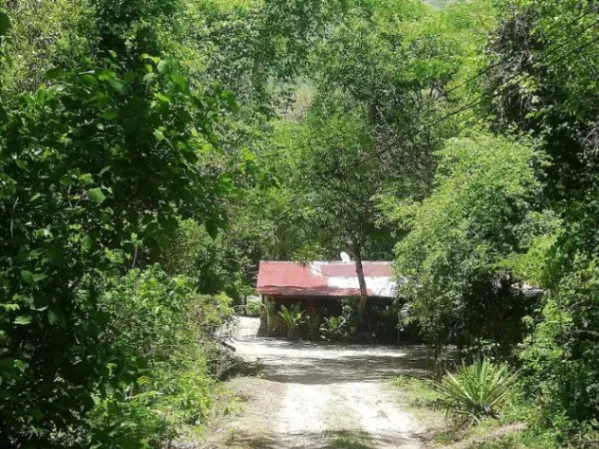
San Antonio is the third district of the canton of Nicoya, in the province of Guanacaste. It is an inland district, not coastal, and its area is large, so conditions can differ a lot from one village to another. It borders districts in three cantons, which suggests a mostly rural setting made up of many small villages.
The pack lists only lots and land for sale, with nothing for rent. Before moving, check on site how far the property is from services, whether water comes from a public system or a well, how noisy the surroundings are, and whether the access road is passable in the rainy season.
Cost of living
Housing is usually the biggest cost, and in a rural district it depends on whether you buy land and build or find an existing home. Building costs, site preparation and connecting utilities can matter as much as the land itself.
Add to your budget electricity, water, internet where available, and daily transport, since errands may mean trips to the canton seat. If you buy, include annual property tax and any condo fees if the property is in a development. When there are enough listings, this page shows above the typical prices for the zone, which you can use as a starting reference.
Lifestyle
With many scattered villages and a single official neighborhood, daily life here looks rural rather than urban. Expect more space between properties, and plan for a car, since most routines depend on moving between villages and towns.
The canton seat, Nicoya, is the closest larger center for banking, government offices, shopping and medical care. Think about how often you would make that trip and how you would handle it in bad weather. Visit at different times of the week to see how the area works day to day.
Climate and nature
San Antonio is in the Pacific lowlands of Guanacaste, a part of Costa Rica with a marked dry season and a rainy season. In general, the dry months run from roughly December to April, and the rest of the year brings rain, with the heaviest showers usually in the later months.
The district is not coastal, so there is no beach within its limits. Its large area and varied terrain mean rainfall, vegetation and dust or mud conditions can differ between villages. Visit in both seasons if you can, and ask about flooding or erosion on a specific lot.
Economy and opportunities
The wider region of Guanacaste is known for farming and cattle ranching, along with tourism and services concentrated in towns and along the coast. In an inland rural district, local work tends to be tied to agriculture, small business and the services of the canton seat.
San José is far, so commuting there for work or study is not realistic on a daily basis. The international airport in Liberia is much closer, which helps for frequent travel, tourism-related work or remote work that needs reliable flights. Check internet coverage at any property before committing.
Accessibility and location
San Antonio is district number 3 of the canton of Nicoya, in the province of Guanacaste. Its postal code is 50203 and its area is 339.6 km² (131.1 sq mi). It borders Nicoya, Mansión and Quebrada Honda in the same canton, Bolsón and Diriá in the canton of Santa Cruz, and Bagaces in the canton of Bagaces.
In a straight line, it is 19.6 km (12.2 mi) from Nicoya, the canton seat, 149.9 km (93.1 mi) from downtown San José and 40.3 km (25.0 mi) from Daniel Oduber International Airport (LIR). The official neighborhood is Guayabal. The official villages are Biscoyol, Bolsa, Boquete, Buenos Aires, Cañal, Carao, Cerro Mesas, Chira, Conchal, Corral de Piedra, Corralillo, Coyolar and others in the official list, which comes from Costa Rica's official territorial division (Decree 44882-MGP). Real travel time depends on the hour and the road.
History
San Antonio, located in the region of Nicoya, Guanacaste, is a town with a rich history that dates back to the colonial era. Founded in the 18th century, San Antonio has evolved from a small agricultural community into a place that preserves its cultural traditions, such as the celebration of patron saint festivals in honor of San Antonio de Padua. The influence of guanacasteca culture, with its music, dance, and gastronomy, is palpable in every corner of the town. As tourism has grown, San Antonio has adapted its infrastructure, offering a blend of rural life and access to modern services.
Tips
Drive the route you would use every day at different hours, including early morning and evening, and again in the rainy season. Ask the seller or landlord about water and utilities: whether the property has a public connection or a well, and what the electricity and internet options are. Ask for recent bills.
For a purchase, verify the property at the National Registry before paying anything. If you rent, sign a written lease under Costa Rica's General Law of Urban and Suburban Leases, Law 7527. You can also save listings in the zone on Anuntico to follow what comes up.
In summary
Living in San Antonio, Nicoya, Guanacaste, Costa Rica, is an ideal choice for those looking to establish their home or invest. This charming destination offers a tranquil environment and a welcoming community, making it a perfect place for families and professionals. San Antonio is a large, inland, rural district of the canton of Nicoya where the only listings in the pack are lots and land. It makes sense for buyers who want space, accept a car-dependent routine and are comfortable with a gap between villages and the services of Nicoya. Visit in both seasons and check water, access and connectivity before deciding.