Quality of life
Hojancha, Guanacaste is a canton, so this page describes a group of districts rather than a single town. It covers five districts: Hojancha, Monte Romo, Puerto Carrillo, Huacas and Matambú. The pack marks it as coastal, which means the character of daily life can differ between the inland districts and those nearer the shore. The local authority is the Municipalidad de Hojancha.
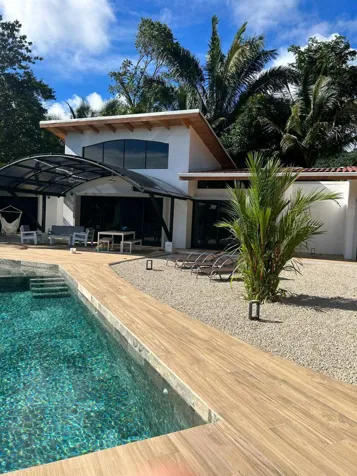
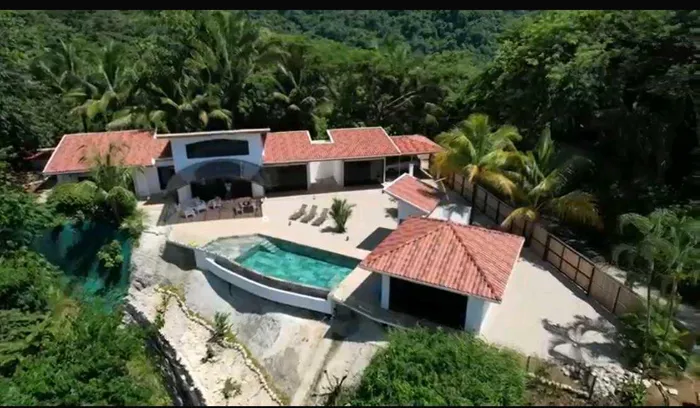
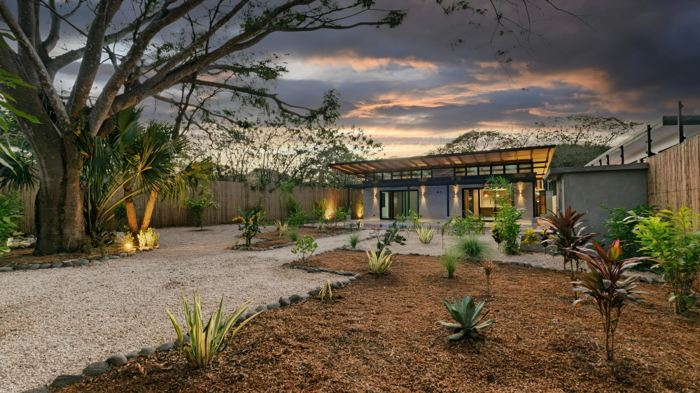
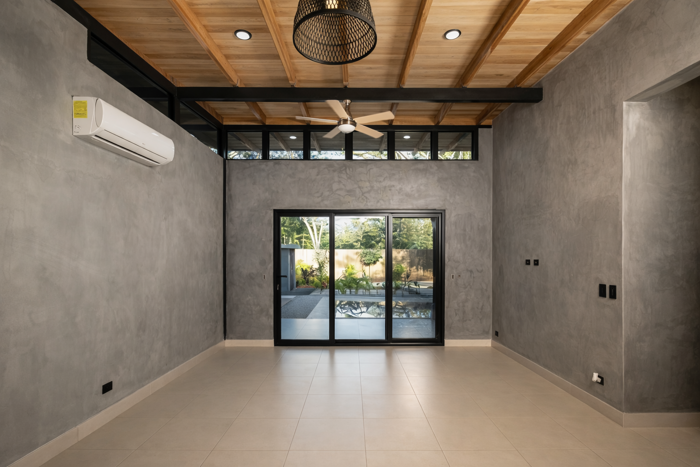
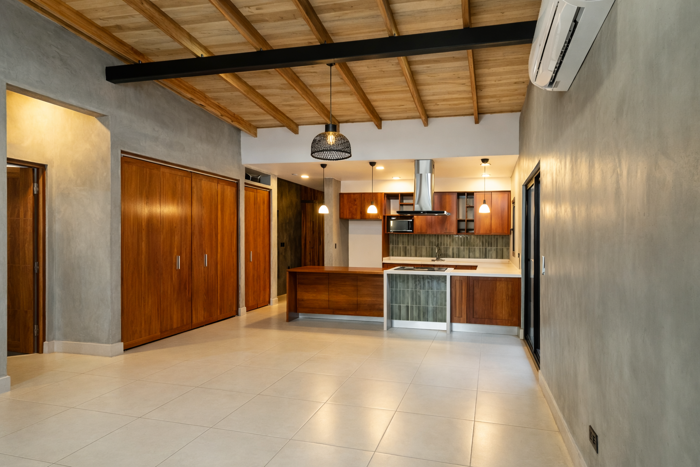
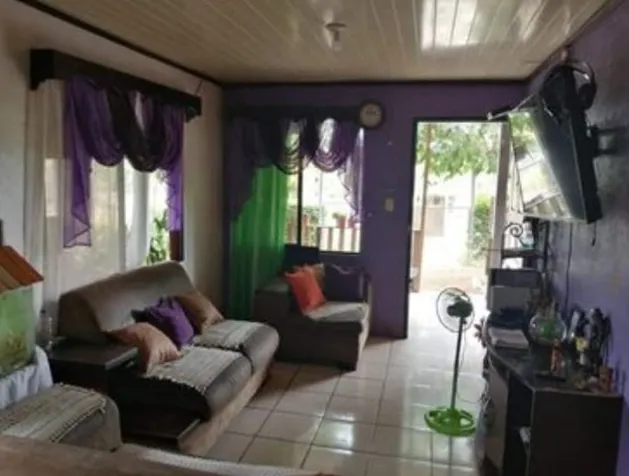
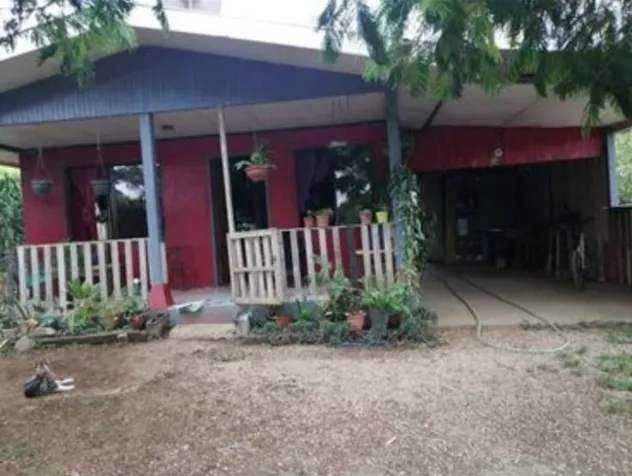
Listings for sale include houses, lots and land, farms and buildings. Before moving, check the specific surroundings of each property: which services reach it, how water is supplied, noise levels at different hours, and whether the access road is passable year-round.
Cost of living
Housing is usually the largest expense, and it depends on the property type and the district. Beyond rent or a mortgage, a realistic budget should add utilities such as electricity and water, daily transport costs, and internet and phone service.
If you buy, include the annual property tax paid to the municipality and the notary and registration costs of the purchase. If the property is in a condominium, ask about monthly fees. When there are enough listings, this page shows above the typical prices for rent and purchase in this zone, which gives a starting point for comparison.
Advertisements
Lifestyle
With five districts and a coastline, Hojancha, Guanacaste mixes rural and coastal settings rather than a dense urban pattern. The listed property types, including farms and lots, point to a place where many people live on larger parcels and not in apartment blocks.
Day to day, errands such as banking, municipal paperwork and larger shopping are typically done in the canton seat, so how close a property is to it matters. Rural living often means planning trips, keeping a vehicle and checking how far you are from the nearest services. Coastal districts can have a different rhythm from the inland ones, so visit more than one.
Climate and nature
This part of Guanacaste follows the Pacific pattern of a dry season and a rainy season. Generally, the dry months run roughly from the end of the year into spring, and the rains arrive in the middle of the year and continue into the autumn. Conditions are usually drier than on the Caribbean side of the country.
The canton is coastal, so some districts sit near the Pacific shore, while others are inland and can feel different depending on elevation and slope. Visit in both seasons if you can, to see how roads, dust, mud and water supply behave.
Economy and opportunities
The economy of this region of Guanacaste is generally tied to farming and livestock, tourism along the Pacific coast, and local services and commerce. Property types listed here, such as farms and lots, fit that rural profile.
Jobs in the metro area of San José are far enough that daily commuting is not realistic for most people, so remote work, local business or work in the region are the more practical options. The proximity of an international airport helps those who travel often or receive visitors, but it does not replace local employment. For study, check what is offered in the canton seat and nearby cities.
Accessibility and location
Hojancha is a canton in the province of Guanacaste, with an area of 262.8 km² (101.5 sq mi). It is made up of five districts: Hojancha, Monte Romo, Puerto Carrillo, Huacas and Matambú.
In a straight line, downtown San José is 147.4 km (91.6 mi) away, and Daniel Oduber International Airport (LIR) is 69.0 km (42.9 mi) away. Real travel time depends on the hour and the road, and it is usually longer than the straight-line distance suggests.
History
Hojancha, Guanacaste, is a canton that has evolved significantly since its founding in 1935, when it separated from Nicoya. Folk music and festivities such as the patron saint festivals in honor of San Juan Bautista are fundamental to the community.
Over the years, Hojancha has maintained a strong sense of identity, reflected in its gastronomy and the warmth of its people.
Tips
Drive the route you would use every day at different hours, including early morning and evening, and on a rainy day if possible. Distances in a straight line say little about real driving conditions.
Ask the owner about water and electricity for the specific property, whether the supply is public or private, and request recent bills. If you rent, insist on a written lease under Costa Rica's General Law of Urban and Suburban Leases, Law 7527. Check the property's status at the National Registry before buying. You can also save listings in this zone on Anuntico to follow what comes up.
In summary
Living in Hojancha, Guanacaste, Costa Rica, is an ideal choice for those seeking a home or wishing to invest in a tranquil and natural environment. This picturesque destination offers a relaxed lifestyle, surrounded by beautiful landscapes and a welcoming community, making it a perfect place for families and individuals looking to escape the urban hustle. Hojancha is a coastal canton of five districts in Guanacaste, with rural and farm properties alongside houses and lots. It makes the most sense for buyers who accept a car-dependent routine, can work remotely or locally, and want to compare districts in person before deciding.