Quality of life
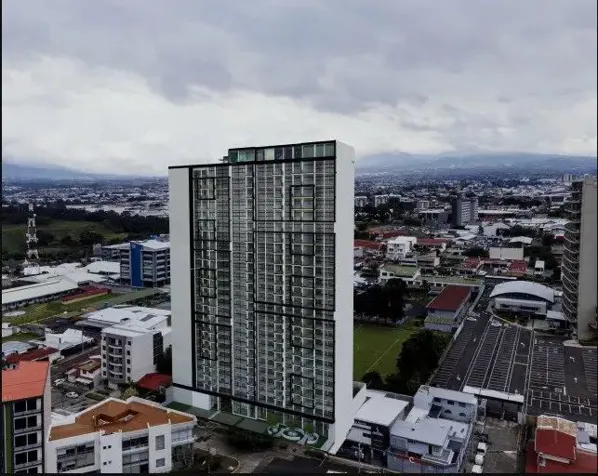
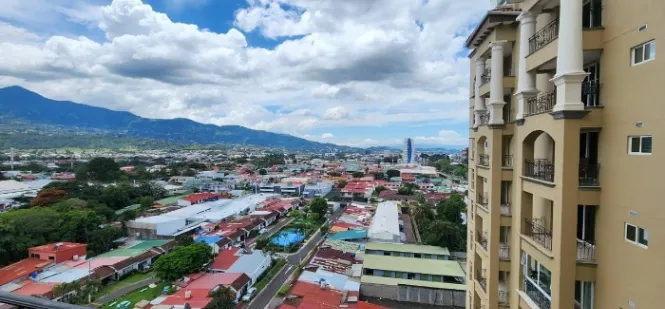
San José is a province, not a single neighborhood, so what daily life looks like depends on the canton and district you pick. The province is not coastal, and it groups urban cantons around the capital with more rural ones farther out.
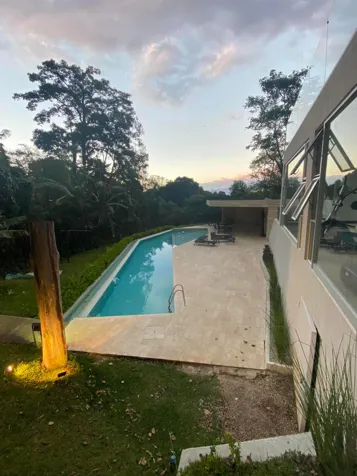
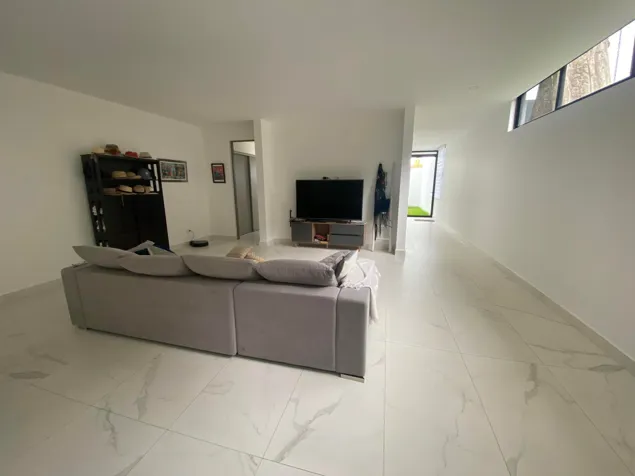
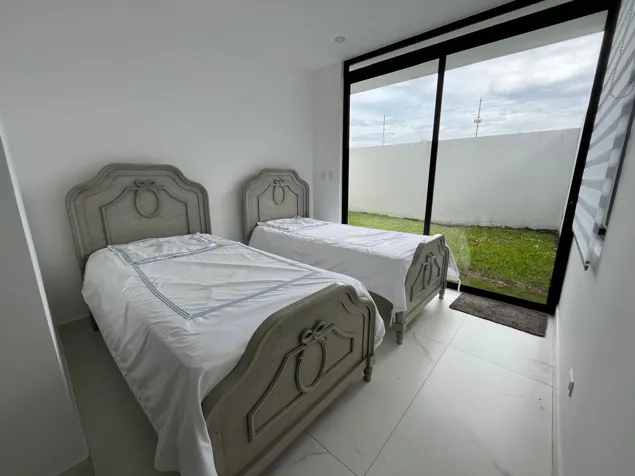
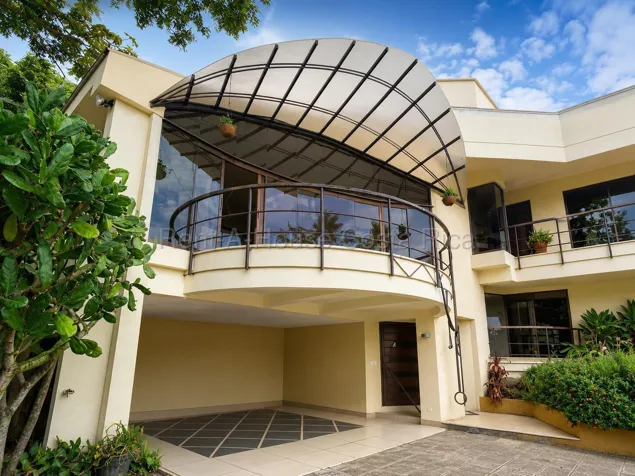
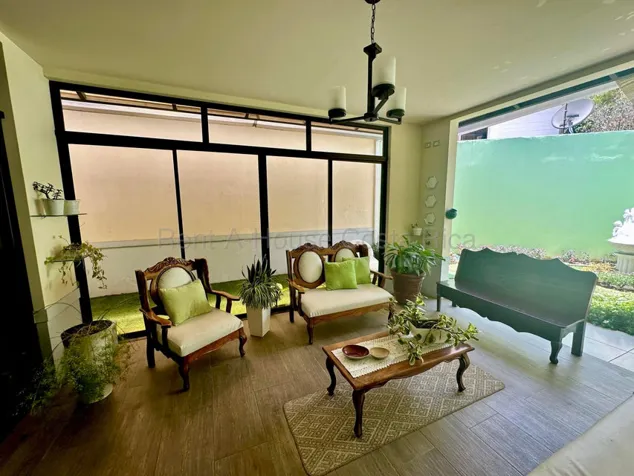
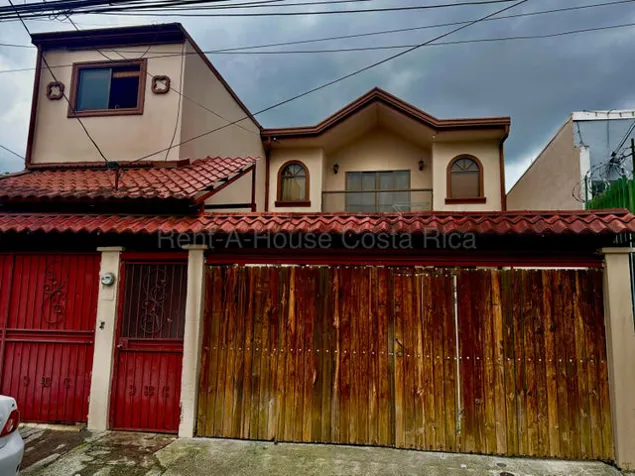
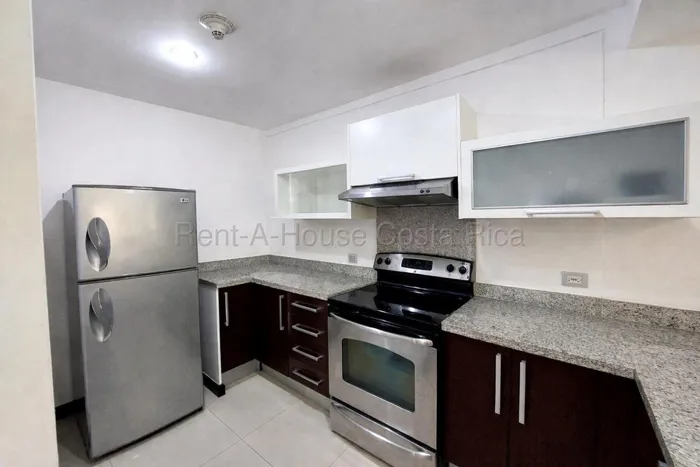
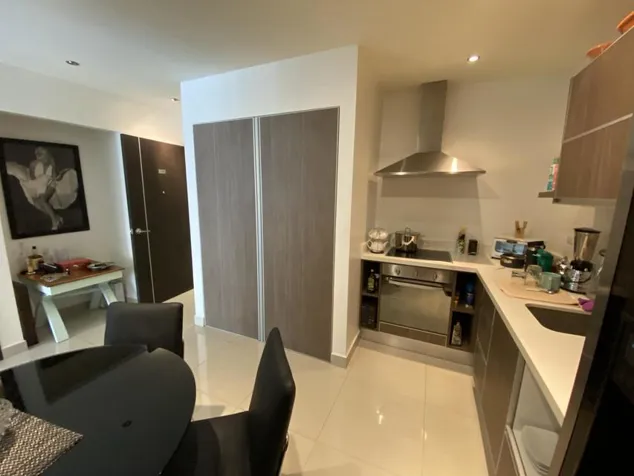
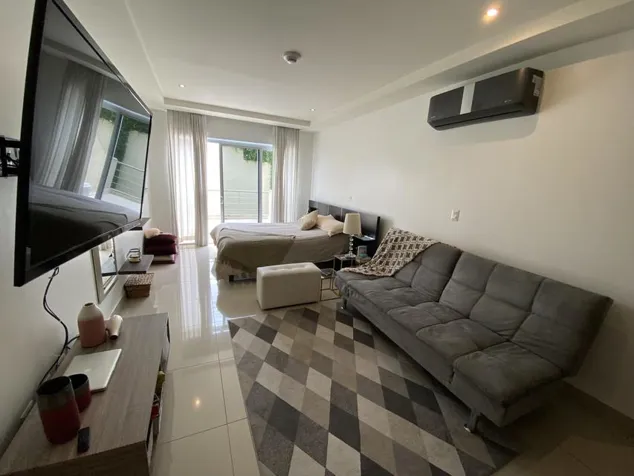
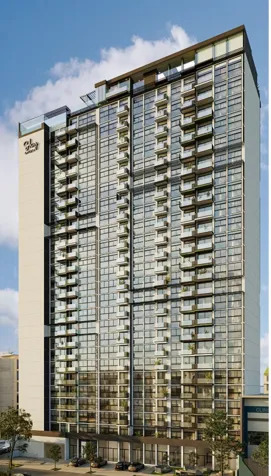
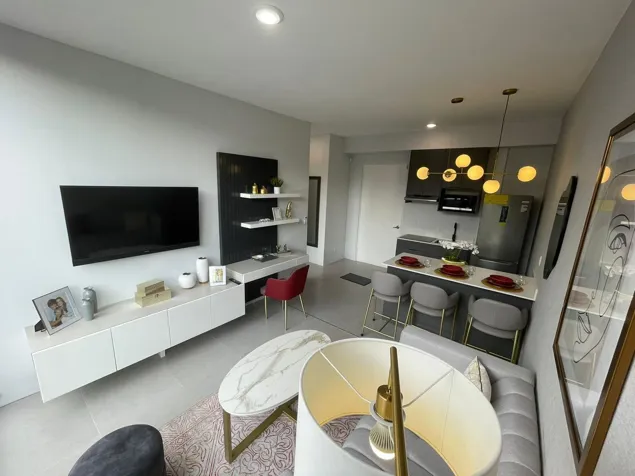
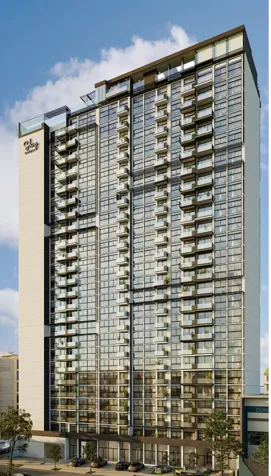
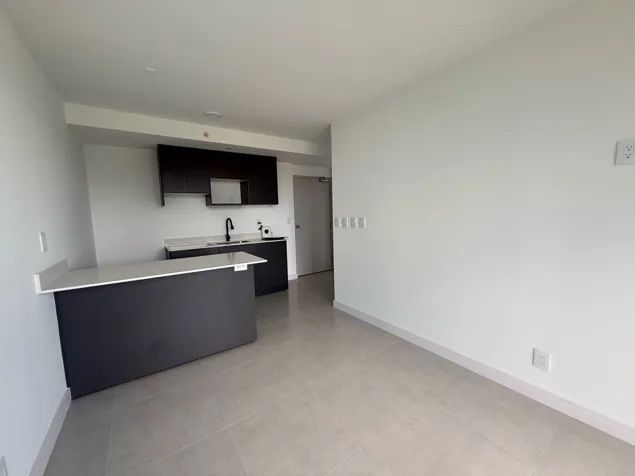
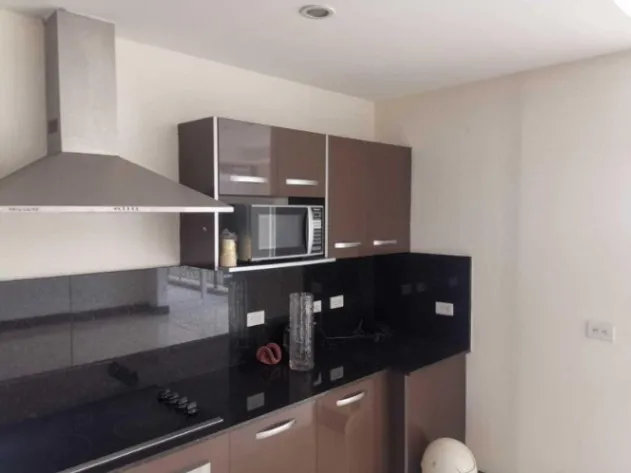
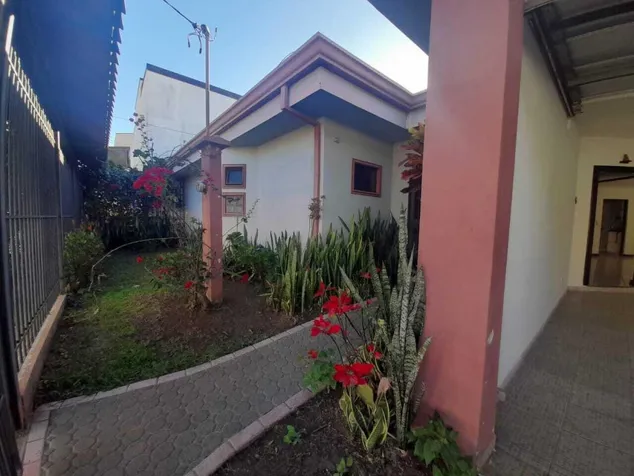
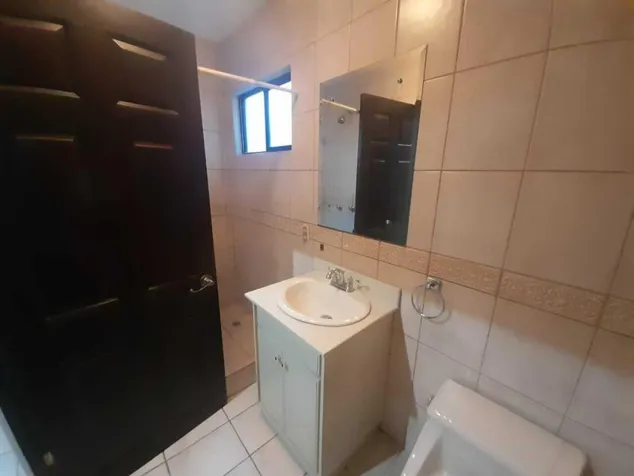
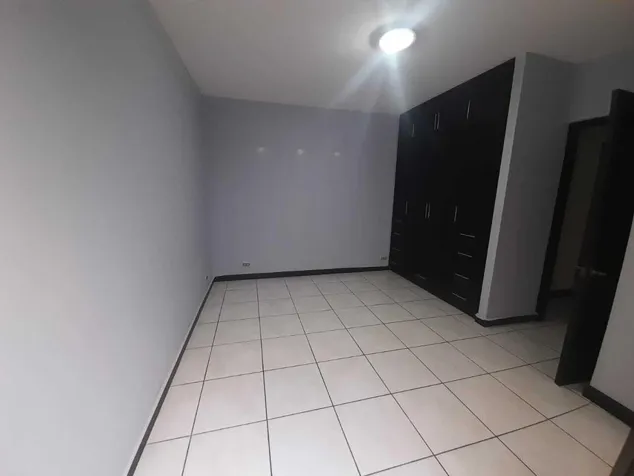
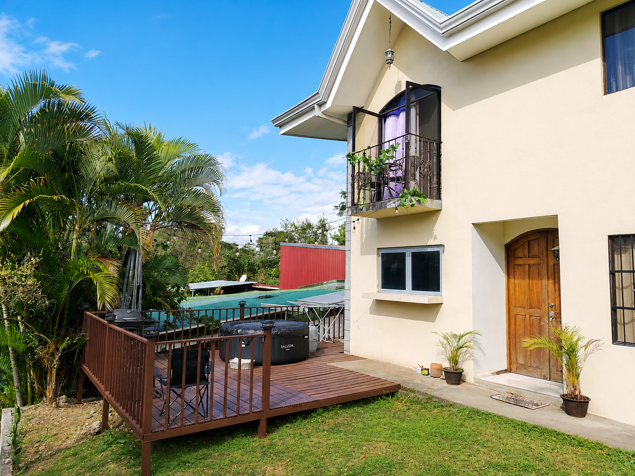
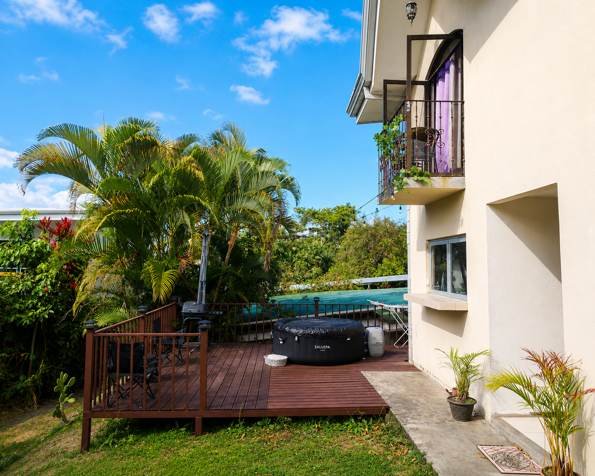
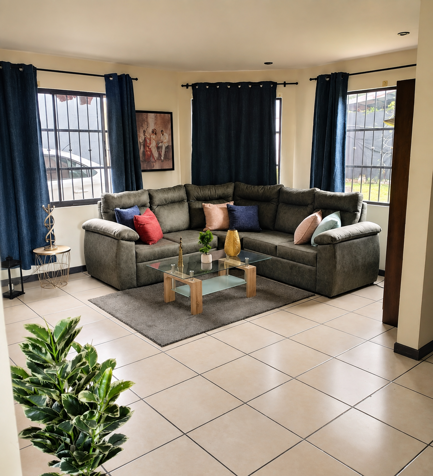
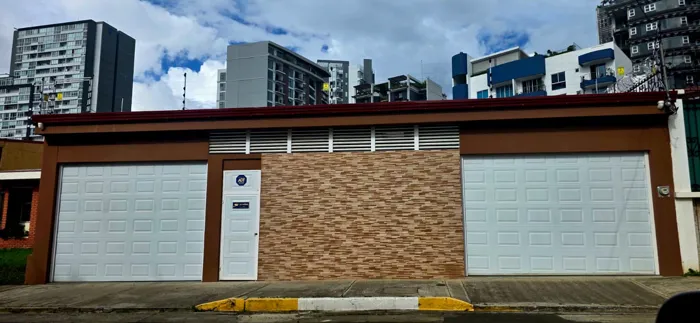
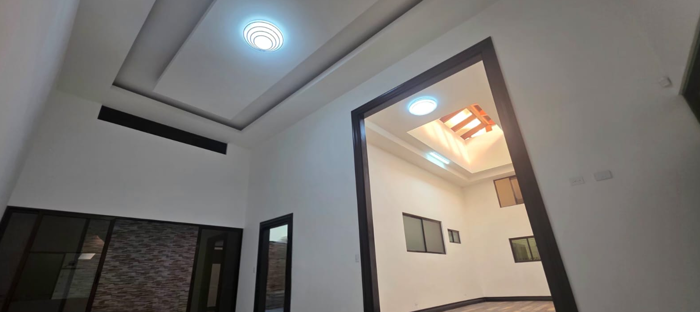
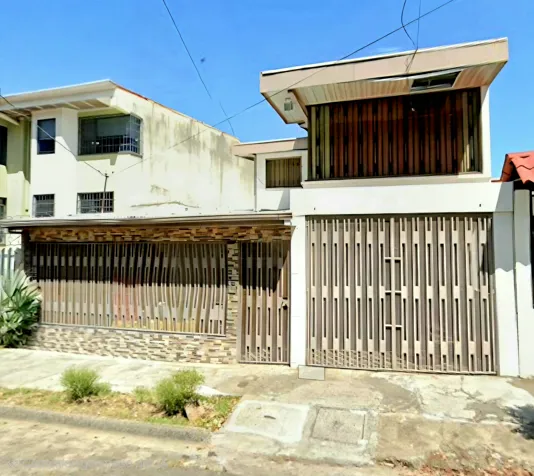
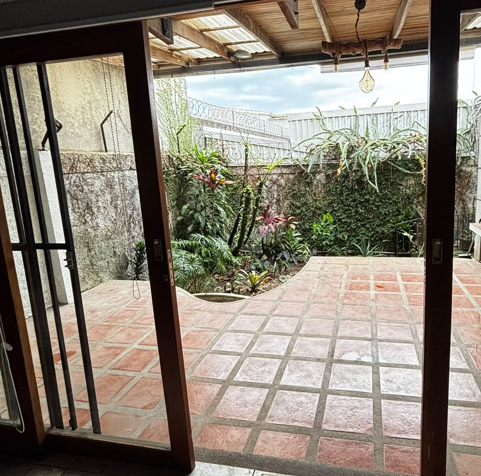
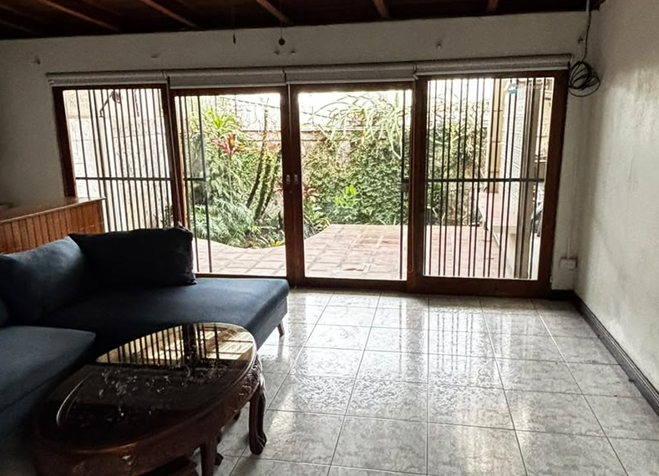
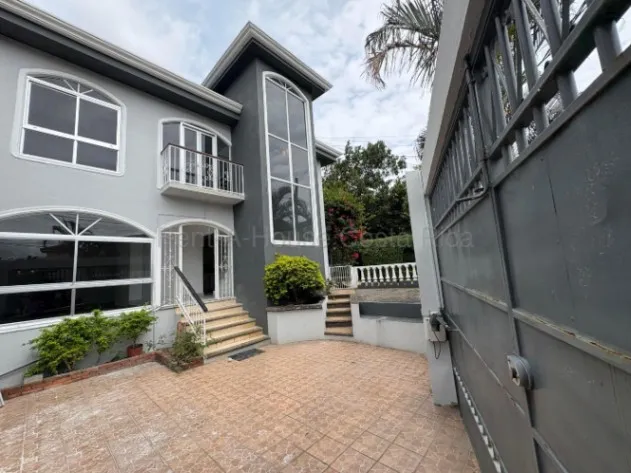
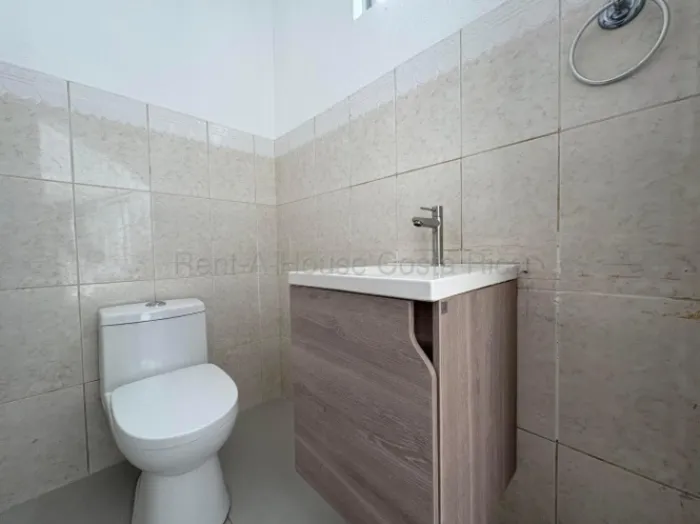
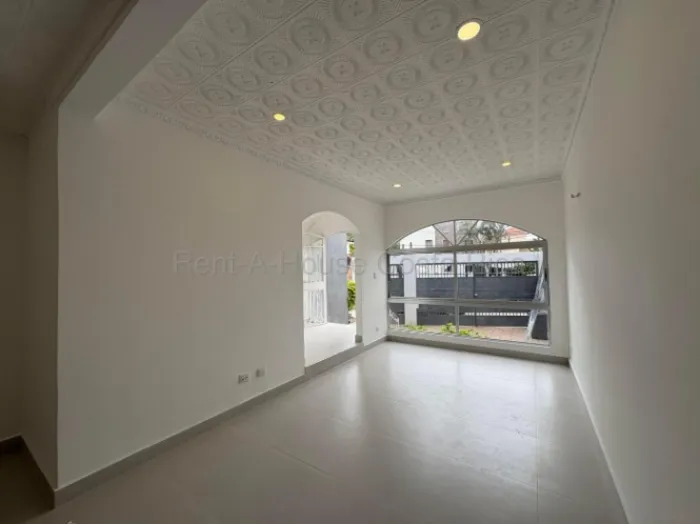
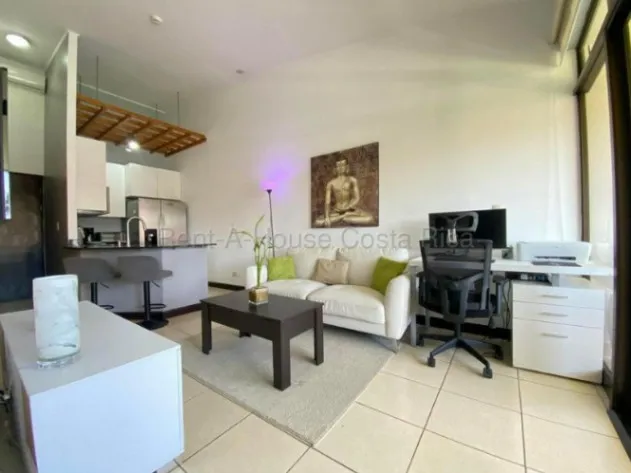
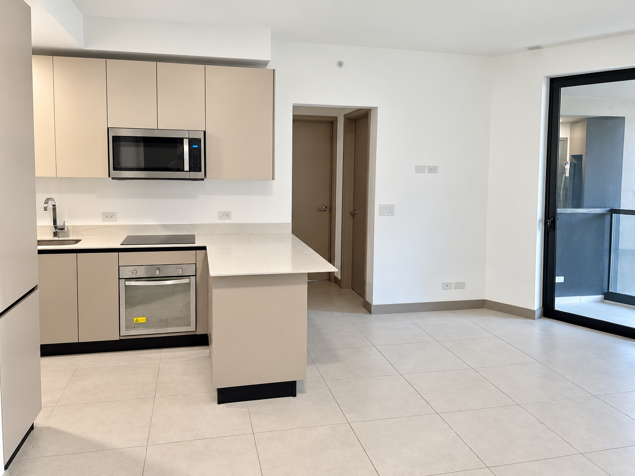
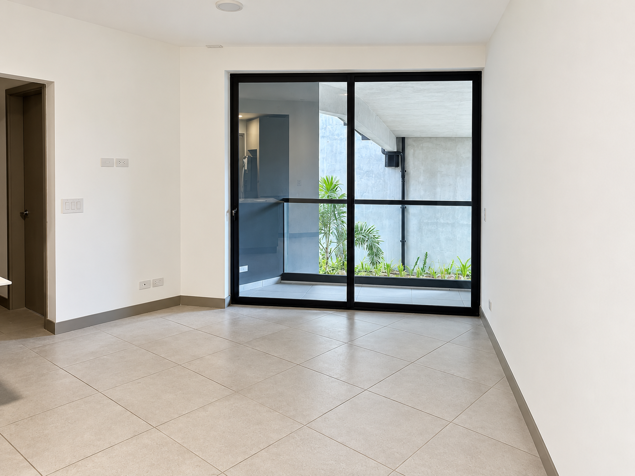
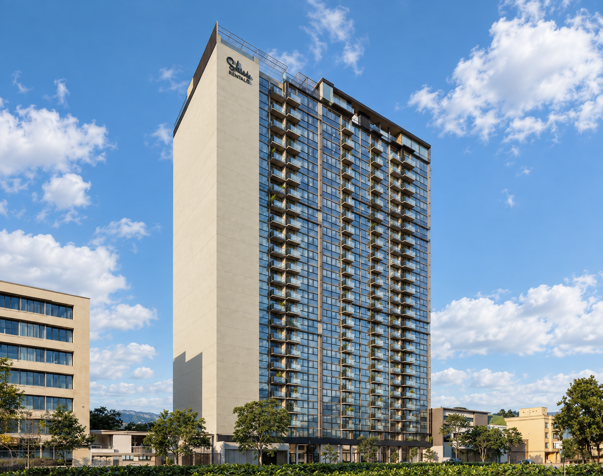
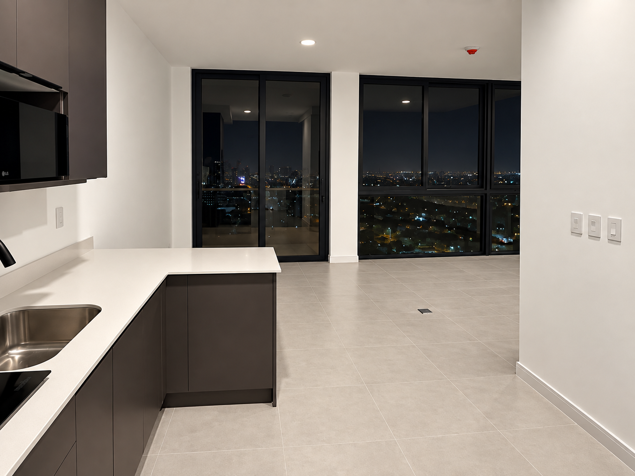
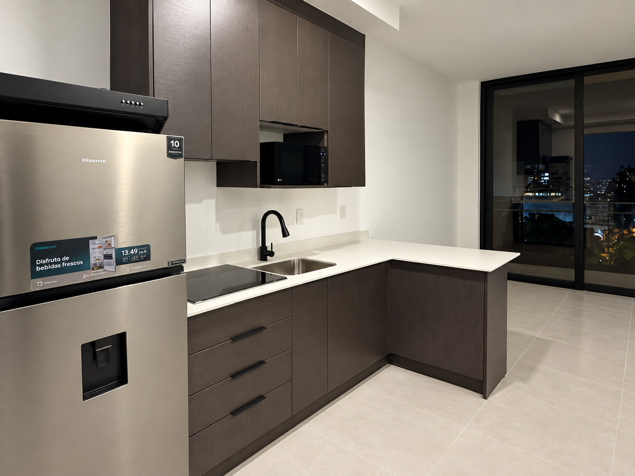
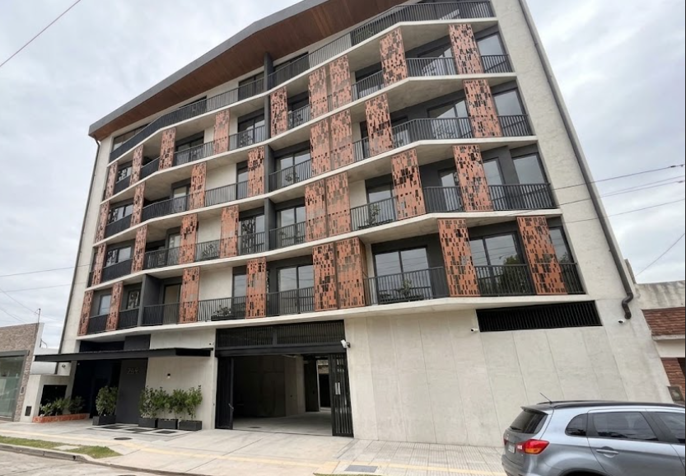
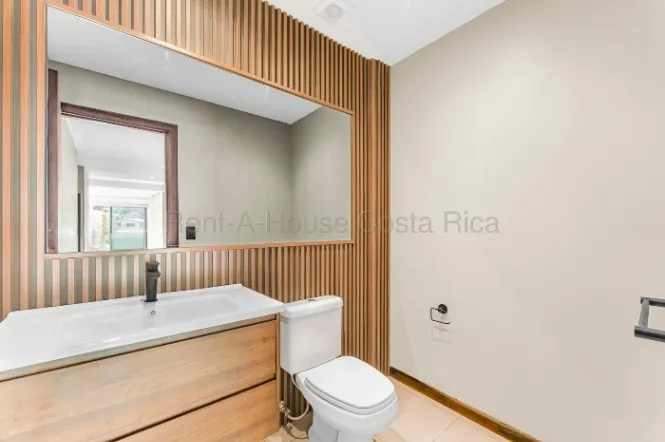
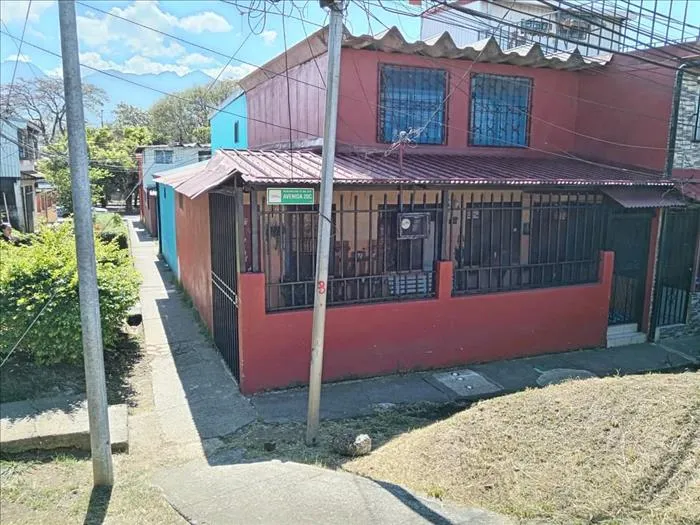
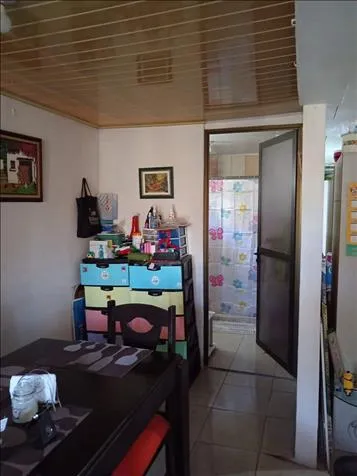
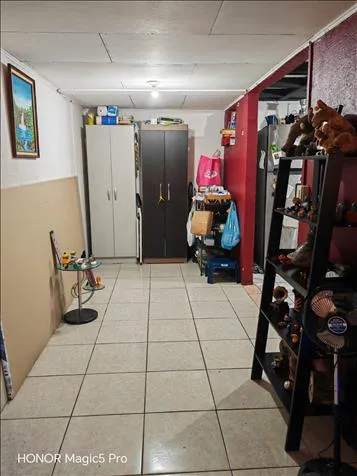
Across the province, listings cover houses, apartments or condos, lots and land, farms, commercial spaces, offices, warehouses and buildings. Before moving, check the specific surroundings of any property: water supply, noise, road access, and how close the services you use are.
Cost of living
Housing is the main cost driver in the province, and it varies a great deal between cantons. Budget beyond rent or a mortgage: electricity, water, internet, daily transport or fuel, and property tax if you buy. Condo fees apply in many apartment and gated developments.
When there are enough listings, this page shows above the types of property listed and typical rent and purchase prices, which gives a starting point before you compare specific cantons.
Advertisements
Lifestyle
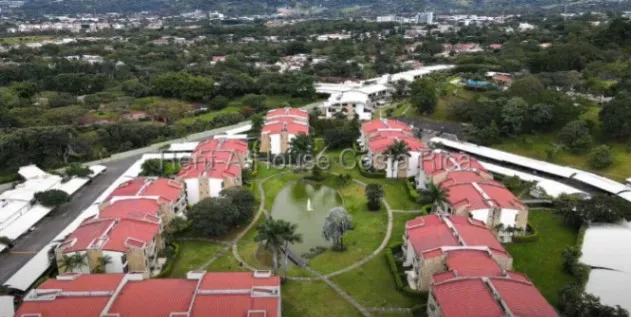
Daily life in the province ranges from urban routines in the capital and the cantons around it to rural routines in the farming cantons farther away. In urban areas, errands, offices and commercial spaces are close together. In rural areas, expect more driving and more reliance on a car.
Because the offer includes farms, lots and rooms as well as apartments and houses, the province suits very different ways of living. Visit the canton you are considering at different times of day before deciding.
Climate and nature
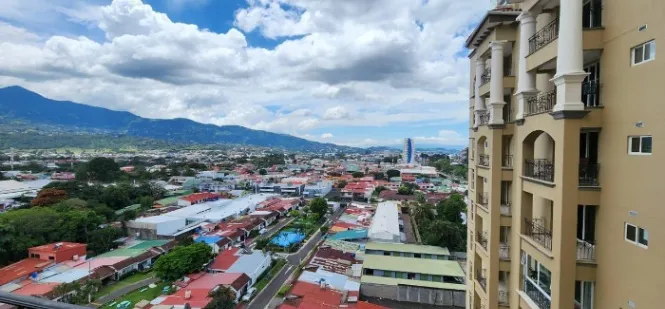
San José has no coastline, so there is no beach climate here. Like the rest of the country, it follows a dry season and a rainy season. Rain is heavier on the wetter slopes and lighter in the drier parts.
The province covers different elevations and landscapes, so conditions can change from one canton to another. Check the specific location of a property for humidity, wind and rainfall exposure.
Economy and opportunities
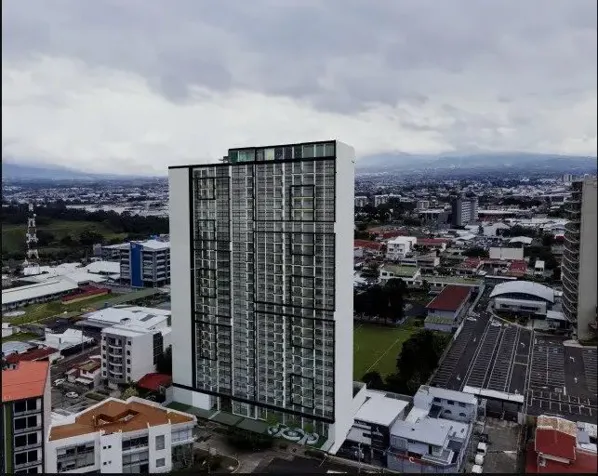
The province holds the capital, so its economy leans on services, government, commerce and offices, with farming in the more rural cantons. The metropolitan area is the main job market in the country, and many people commute into it.
Living near the capital also means being near the main universities and the international airport, which matters for remote work, study and frequent travel. Farther cantons trade that access for more space and a slower pace.
Accessibility and location
San José is a province of Costa Rica with an area of 4964.4 km² (1916.8 sq mi). It is not coastal. It is made up of 20 cantons: Acosta, Alajuelita, Aserrí, Curridabat, Desamparados, Dota, Escazú, Goicoechea, León Cortés Castro, Montes De Oca, Mora, Moravia, Pérez Zeledón, Puriscal, San José, Santa Ana, Tarrazú, Tibás, Turrubares and Vázquez de Coronado.
Real travel time depends on the hour and the road, so test the routes you would use every day.
History
San José, founded in 1738, started as a small town and has evolved into the capital of Costa Rica, experiencing significant growth in the late XIX century due to coffee and the arrival of the railroad.
The city is a cultural center, where traditions such as the Independence Day celebrations in September and Mask Day in December are held, reflecting its heritage. San José is home to important cultural institutions, such as the National Theater and the Museum of Pre-Columbian Gold, which highlight its diversity and heritage.
Tips
Drive your likely daily commute at different hours, including rush hour, since traffic around the capital changes a lot. Ask about water and utilities for the specific property and request recent bills.
If you rent, sign a written lease under Costa Rica's General Law of Urban and Suburban Leases, Law 7527. If you buy, check the property at the National Registry. You can also save listings in the zone with Anuntico to compare options over time.
In summary
Living in San José, Costa Rica, is an ideal choice for those looking to establish their home or invest, thanks to its pleasant climate and rich culture. The city offers a perfect blend of modernity and tradition, making it an attractive place for families and professionals. San José is a non-coastal province that combines the capital, nearby urban cantons and more rural areas. It makes sense for people who want access to services, work and the airport, and for those who prefer more space farther out. Compare cantons one by one, since conditions differ widely inside the province.