Quality of life
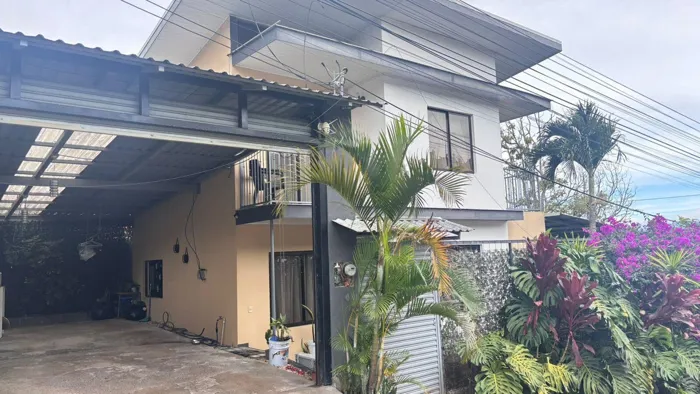
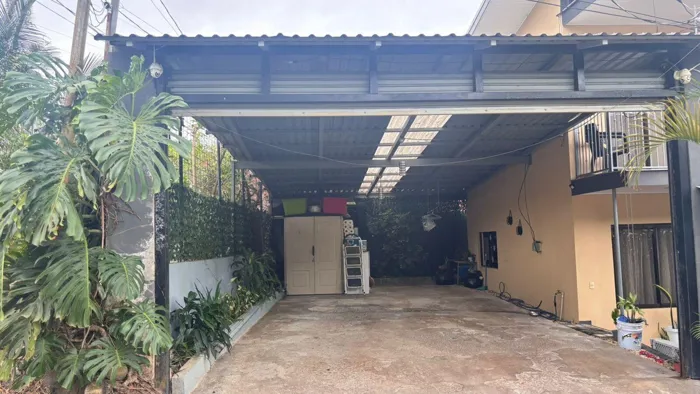
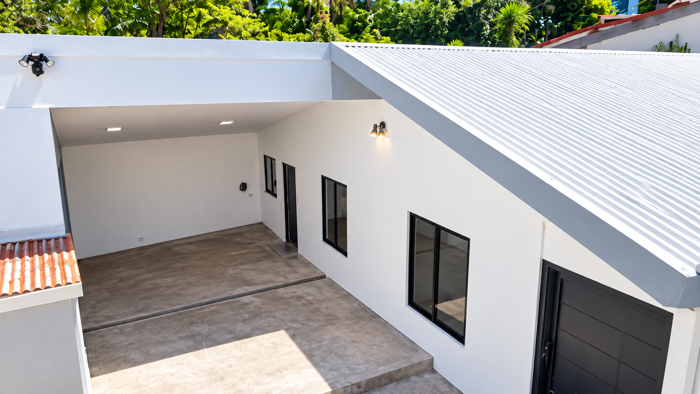
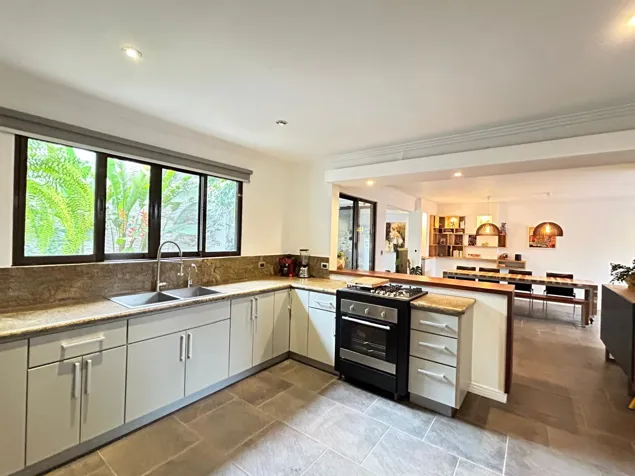
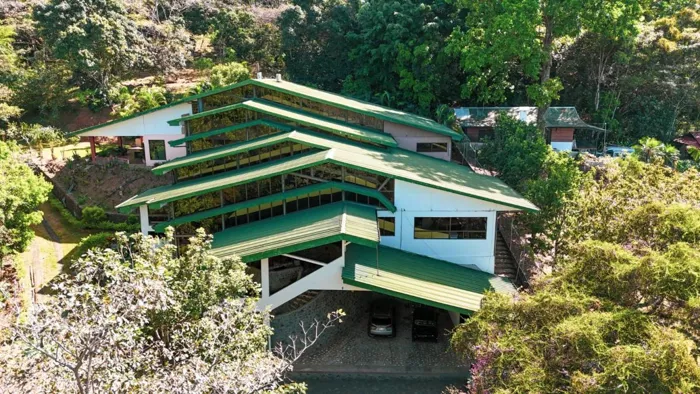
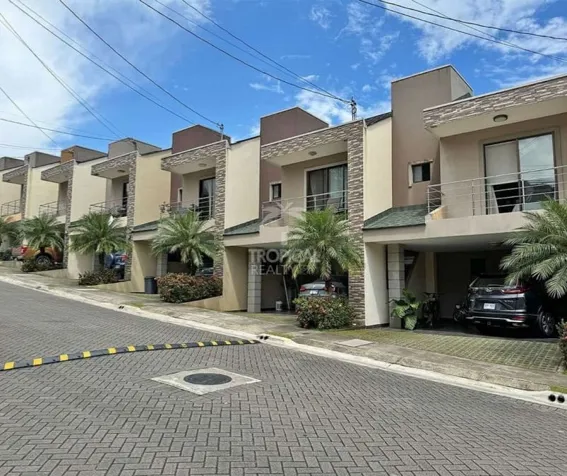
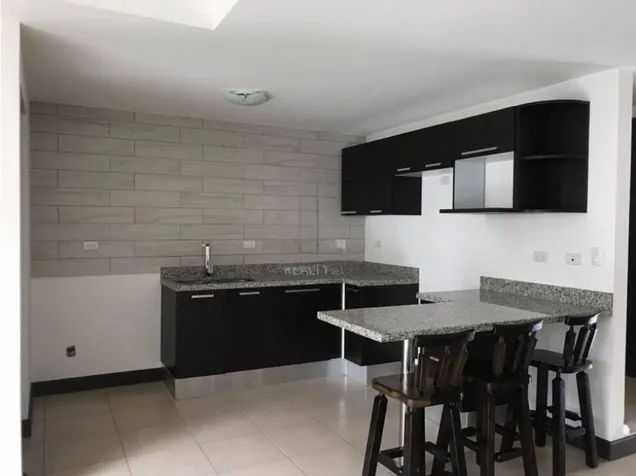
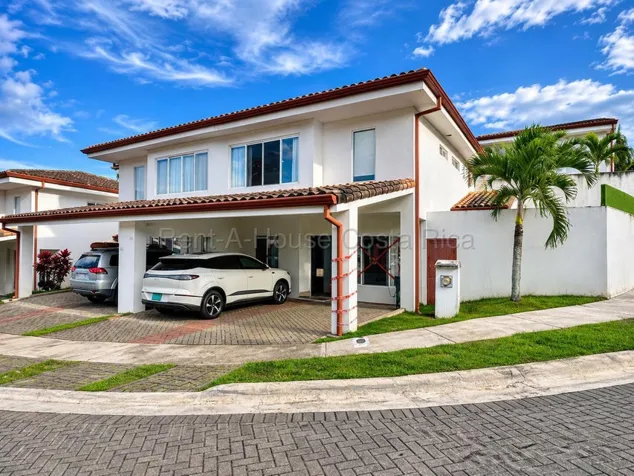
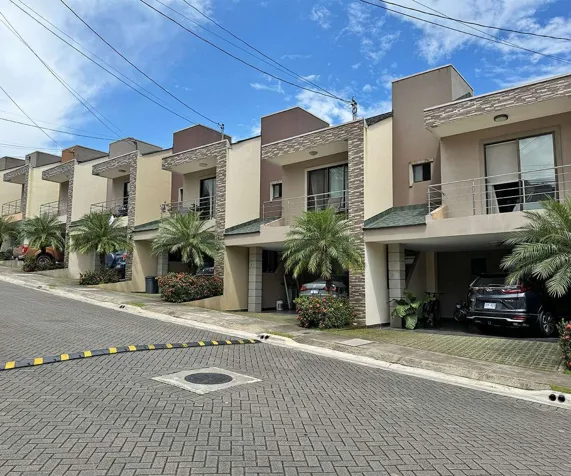
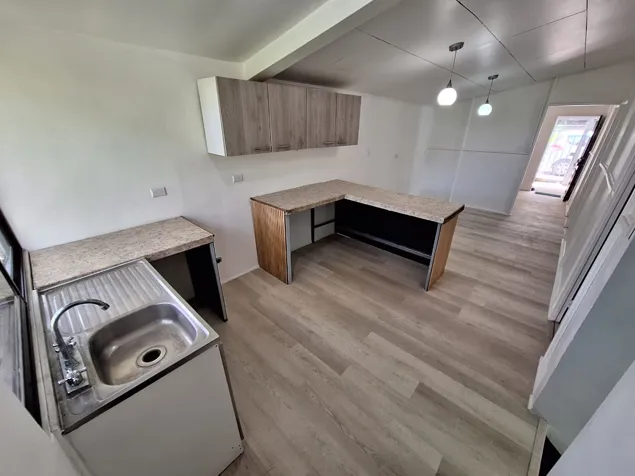
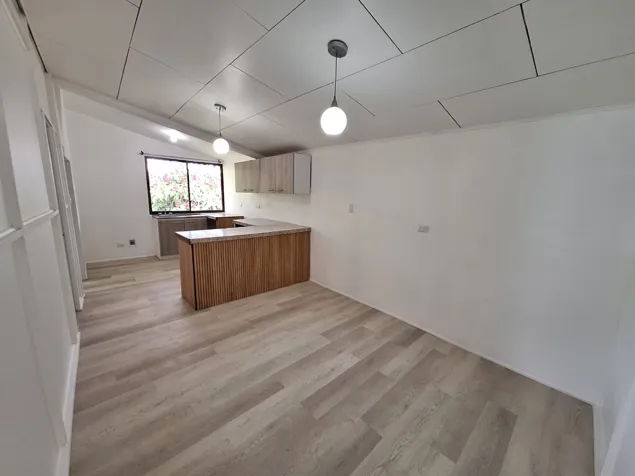
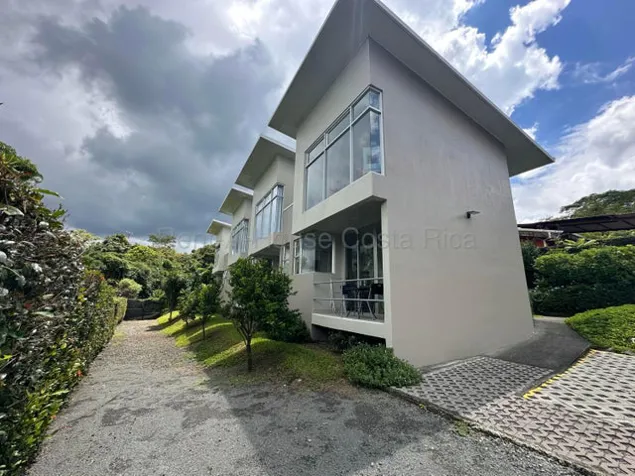
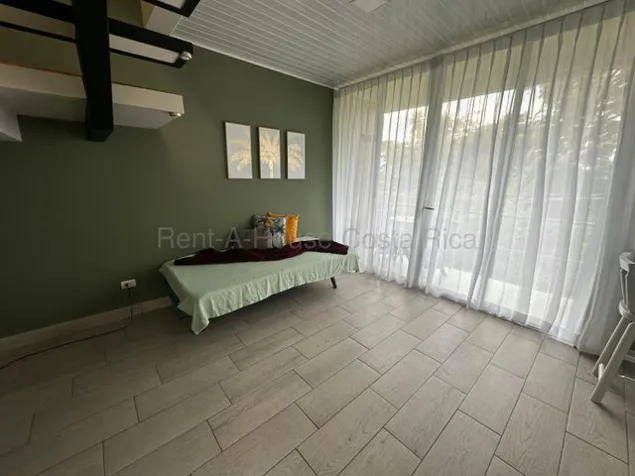
Mora is a canton of San José province made up of seven districts. It is an inland area, not on the coast. The pack lists houses, apartments or condos, lots and land, farms, commercial spaces and buildings for sale, which points to a mix of residential, rural and business use rather than a single character.
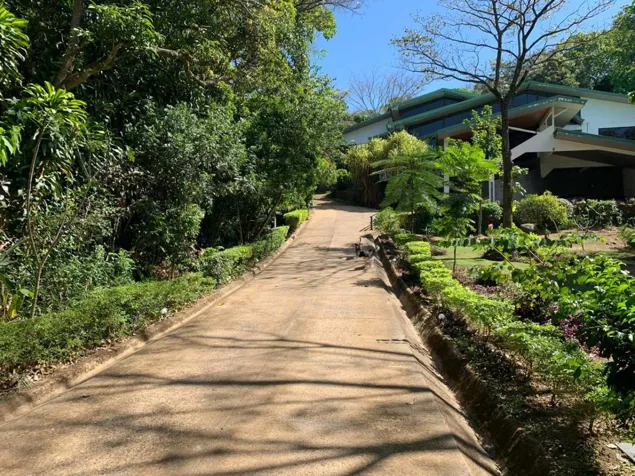
Before moving, check the surroundings of each specific property: how reliable water service is, the condition of the access road, noise levels at different hours, and how far the nearest services are from the door. These details can differ a lot between districts.
Cost of living
Housing is the main cost driver in Mora, and it depends on the property type and its exact location within the canton. Beyond rent or a mortgage, budget for utilities such as electricity, water and internet, plus daily transport, which matters if you commute toward the capital.
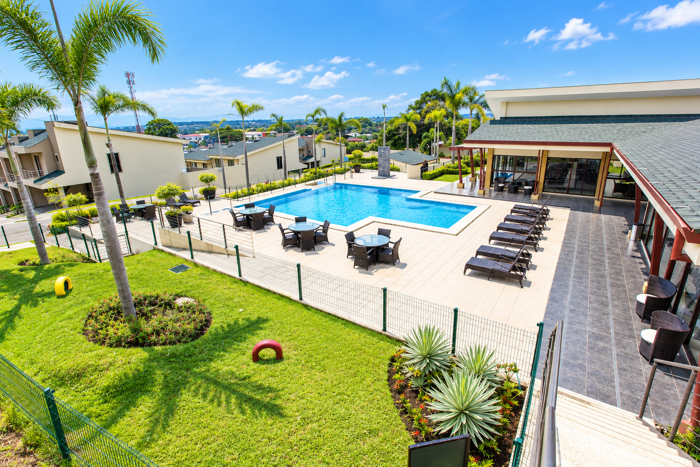
If you buy, add annual property tax paid through the Municipalidad de Mora, and condo fees if the home is in a managed complex. When there are enough listings, this page shows above the typical rent and purchase figures for the area.
Advertisements
Lifestyle
Mora is not coastal, and its mix of listed lots, farms and homes suggests a blend of semi-rural and residential living, with some districts more built up than others. Day-to-day life usually means driving for errands, so a vehicle or a plan for public transport is worth considering.
The canton seat, Colón, is where many administrative and everyday errands are likely to be handled, and the local authority, the Municipalidad de Mora, is based there. Visiting at different times of day gives a realistic idea of what daily routines feel like.
Climate and nature
Mora is inland, in the central part of the country, where the year divides into a dry season and a rainy season. The dry season generally runs from roughly December to April, and the rains arrive for the rest of the year, usually heavier in the afternoons.
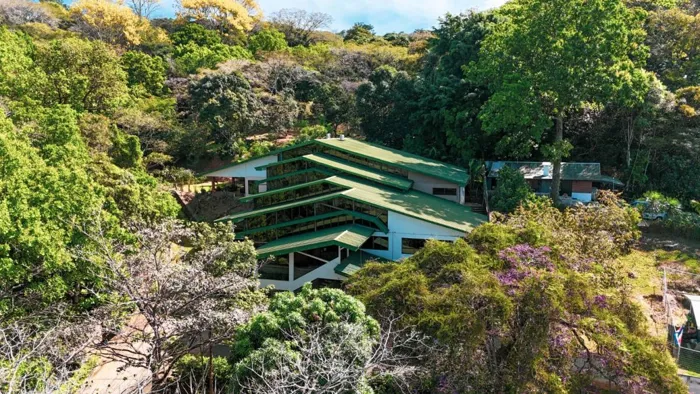
As in much of Costa Rica, conditions vary with elevation and slope: higher and more exposed areas tend to be cooler and wetter, while lower ground is warmer and drier. Ask about drainage, humidity and vegetation when you visit a property.
Economy and opportunities
The region combines farming, services and commuting to the San José metro area. Listings of farms, commercial spaces, offices and warehouses suggest that agriculture and small business both have a place in the local economy.
Being relatively close to the capital and to the international airport matters for people who work or study in the metro area, or who travel often. Remote workers should confirm internet quality at the specific address, since coverage varies from one place to another.
Accessibility and location
Mora is a canton in San José province, with 163.5 km² (63.1 sq mi) of area. Its seven districts are Colón, Guayabo, Tabarcia, Piedras Negras, Picagres, Jaris and Quitirrisí, which come from Costa Rica's official territorial division (Decree 44882-MGP). Colón is the canton seat.
Downtown San José is 22.7 km (14.1 mi) away in a straight line. Juan Santamaría International Airport (SJO) is 13.9 km (8.6 mi) away in a straight line. Real travel time depends on the hour and the road.
Tips
Drive the daily commute at different hours, including rush hour, before you decide. Ask the owner or agent about water supply and other utilities for the specific property, and request recent bills to see real monthly costs.
If you rent, insist on a written lease under Costa Rica's General Law of Urban and Suburban Leases, Law 7527. If you buy, have a lawyer check the title at the National Registry. You can also save listings in the zone on Anuntico to compare options over time.
In summary
Living in Mora, San José, Costa Rica, is an ideal choice for those looking to establish their home or invest due to its excellent quality of life and proximity to the capital. Mora is an inland canton of San José province with seven districts, a mix of residential, rural and commercial property, and a location within reach of the capital and the main airport. It suits buyers and renters who want a base outside the city core and are willing to rely on a car or road transport for daily needs. Visiting several districts at different hours will show which one fits.