Quality of life
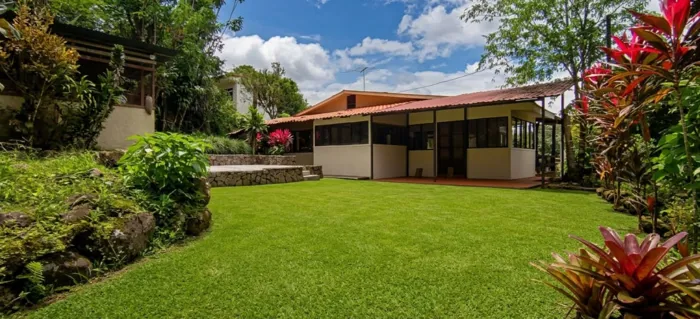
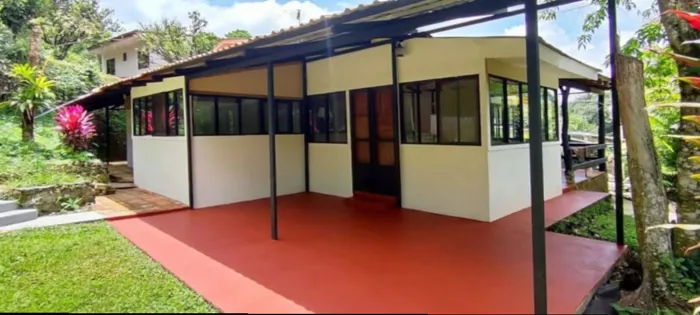
Tabarcia is a non-coastal district in the canton of Mora, with a fairly large area for the canton and several neighboring districts in different cantons. The pack shows houses and farms listed for sale, which points to a mix of residential and rural land use rather than a dense urban center.
Before moving, check the details that vary from one street to the next: how far the property is from shops and health services, whether water comes from a public or community system, how much road noise there is, and whether the access road is paved and passable in the rainy season.
Cost of living
Housing is the main cost driver here, and it depends on the type of property, its size and how it is reached. Farms and houses are priced on different logic, so compare like with like.
On top of rent or a mortgage, budget for utilities (electricity, water, internet), daily transport including fuel or bus fares, and, if you buy, the annual property tax paid to the local authority. If the home is in a gated development, ask about condo fees. When there are enough listings, this page shows above the typical rent and purchase figures for the zone.
Advertisements
Lifestyle
The pack describes a non-coastal district with listed houses and farms, so daily life is likely to be more rural or semi-rural than urban. Expect to rely on a car or on local transport for many errands, and to plan some trips in advance.
For banking, municipal paperwork and larger shops, residents usually turn to the canton seat, which is close by in a straight line. The Municipalidad de Mora is the local authority, so permits, property tax and local services go through it.
Climate and nature
Tabarcia is inland, so it has no ocean coastline. Like the rest of the Central Valley region of Costa Rica, it follows a dry season and a rainy season: roughly December to April is drier, and the rest of the year brings regular rain, usually heavier in the afternoons.
Conditions change with the slope. Higher, more exposed land tends to be cooler and wetter, while lower areas are warmer. Rural properties may have more green space, but also more humidity, mud on access roads and vegetation to maintain.
Economy and opportunities
The economy of this part of the country combines farming, small local trade and services, with many residents working elsewhere in the greater metropolitan area. Farms among the listed properties are consistent with that agricultural side.
Being within reach of downtown San José and the international airport matters for commuting, for remote work that needs occasional travel, and for study options in the capital region. Check the actual route and schedule you would use, since proximity on a map does not always mean an easy trip.
Accessibility and location
Tabarcia is district 3 of the canton of Mora, in the province of San José. Its postal code is 10703 and its area is 40.4 km² (15.6 sq mi).
It borders San Antonio (canton of Escazú), San Rafael (canton of Puriscal), Guayabo, Quitirrisí, Salitral (canton of Santa Ana), San Antonio (canton of Alajuelita), Guaitil (canton of Acosta) and Palmichal (canton of Acosta).
In a straight line, it is 8.5 km (5.3 mi) from the canton seat, Colón; 19.3 km (12.0 mi) from downtown San José; and 16.6 km (10.3 mi) from Juan Santamaría International Airport (SJO).
Its official villages are Bajo Bustamante, Bajo Lima, Bajo Loaiza, Cañas, Corralar, Morado, Piedras Blancas and Salto, according to Costa Rica's official territorial division (Decree 44882-MGP). Real travel time depends on the hour and the road.
History
Tabarcia, located in the canton of Mora, San José, Costa Rica, has a history that dates back to its founding in 1860, when it was established as an agricultural community. Over the years, the area has evolved, incorporating Costa Rican traditions such as the patron saint festivals in honor of Santa María de los Ángeles, which are celebrated in August and attract visitors from all over the region. Its culture is reflected in the music, dances, and gastronomy, highlighting the use of local products in the cuisine.
Tips
Drive the daily commute you would actually make, at different hours, including peak traffic and after dark, to see how the roads and travel times really work for you.
- Ask how the property gets its water and whether supply is steady in the dry season.
- Request recent electricity, water and internet bills.
- Confirm the access road and whether it is public.
- If you rent, sign a written lease under Costa Rica's General Law of Urban and Suburban Leases, Law 7527.
You can also save listings in this zone on Anuntico to compare them over time.
In summary
Living in Tabarcia, Mora, San José, Costa Rica, is an ideal choice for those looking to establish their home or invest, thanks to its natural and tranquil environment that promotes a healthy lifestyle. Tabarcia is an inland, largely rural district of the canton of Mora, where houses and farms are the property types listed for sale. It makes the most sense for buyers who want more space and a quieter setting while staying within reach of the capital area. Visit at different times of day and check water, access and services before deciding.