

Quality of life
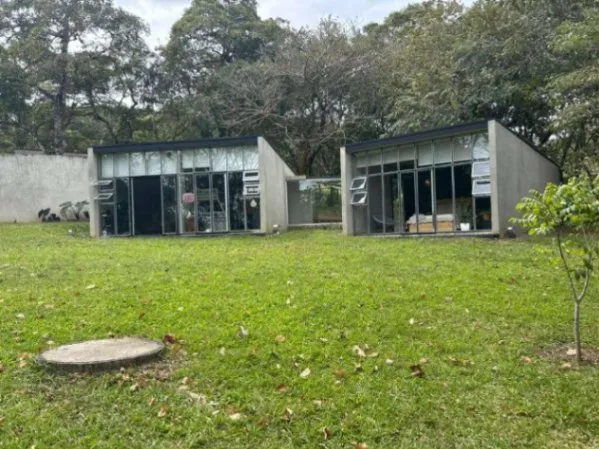
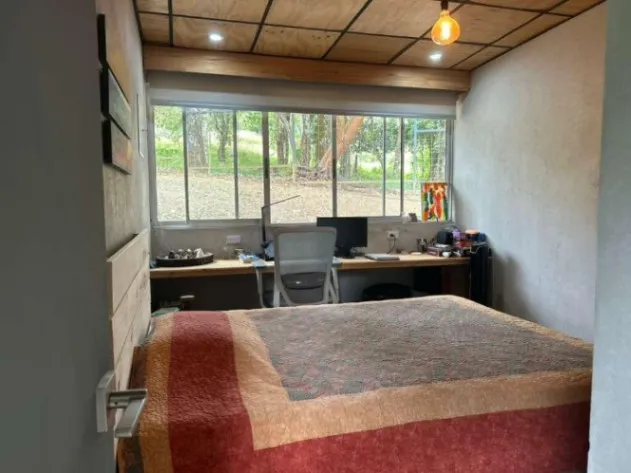
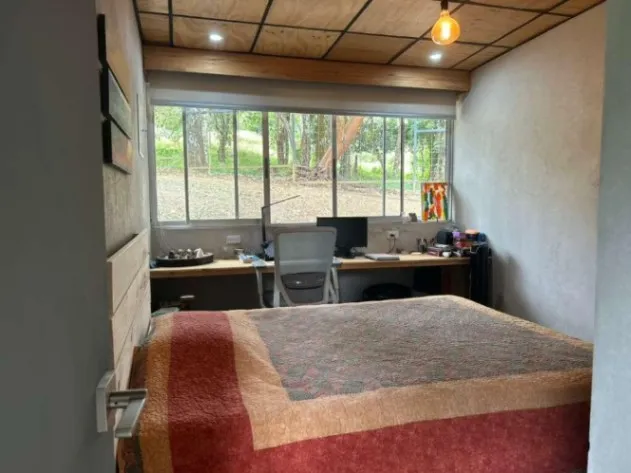
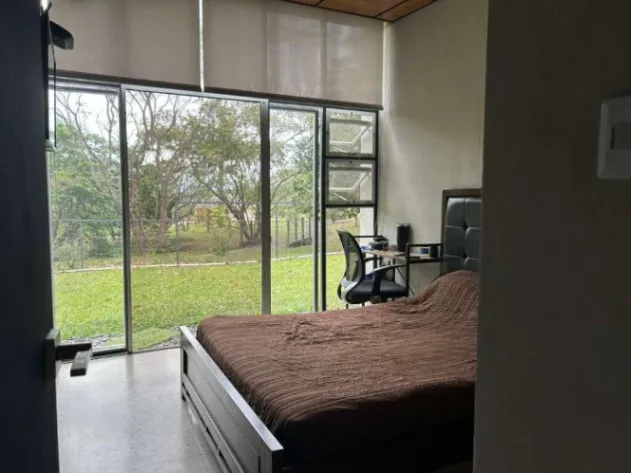
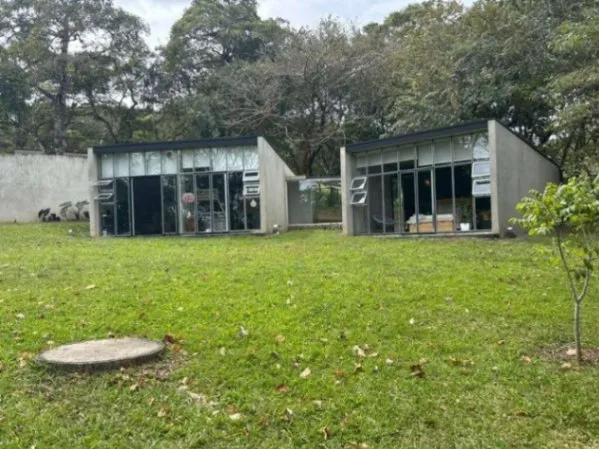
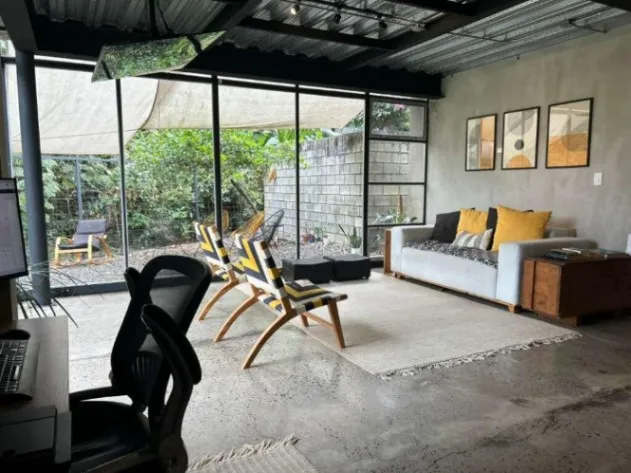
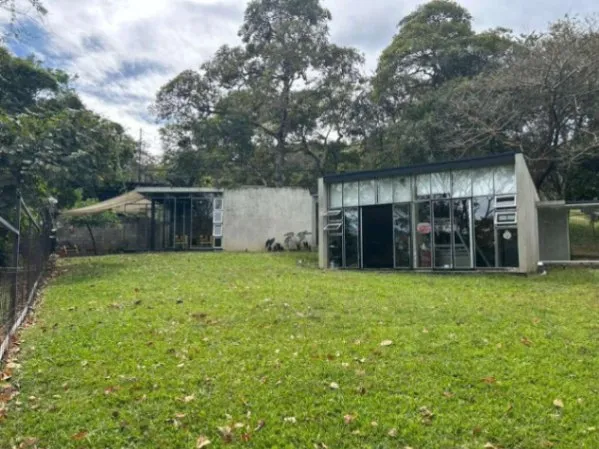
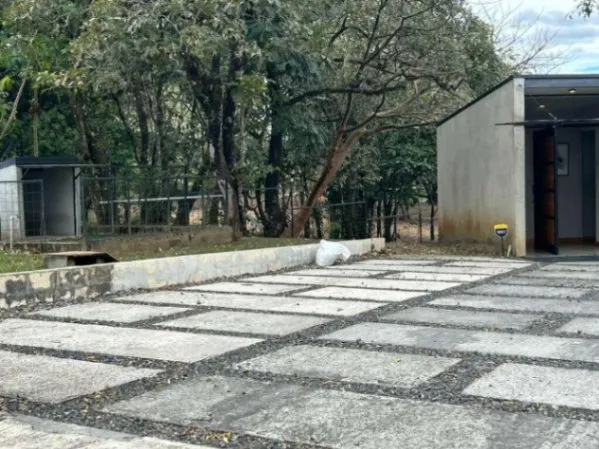
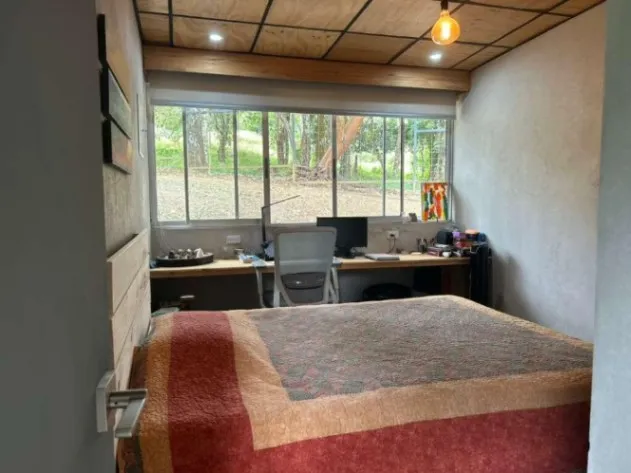
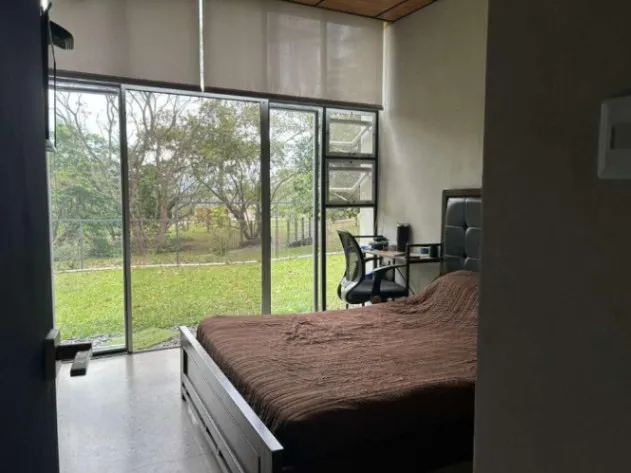
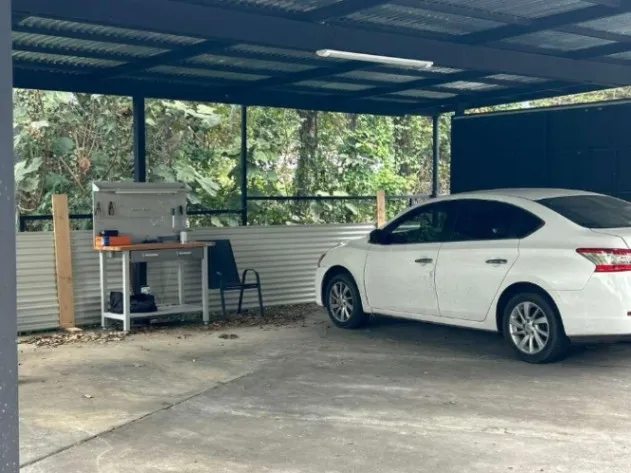
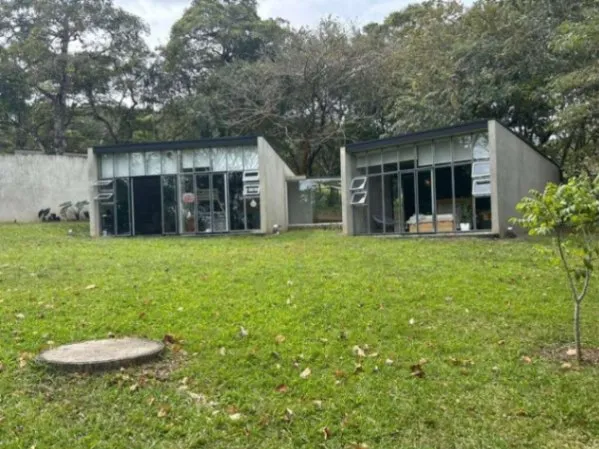
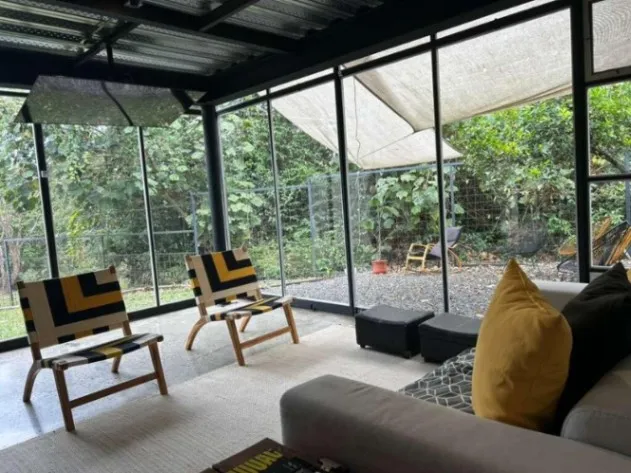
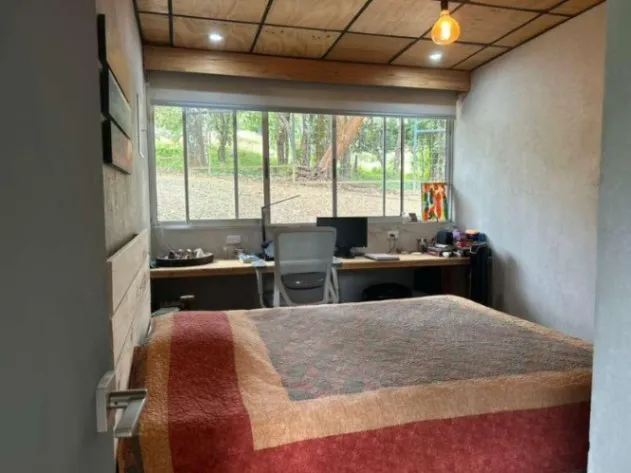
Piedras Negras, Mora, San José is a rural, inland district with an area that is small compared with many Costa Rican districts. It is not the canton seat; that role belongs to Colón. For sale, the pack lists houses and farms, and for rent, houses, which points to residential and agricultural use rather than a commercial center.
Before moving, check the practical details of the specific street: how reliable water service is, how noisy the surroundings are, the condition of the access road in the rainy season, and how far the nearest services are from the property.
Cost of living
Housing is the main cost driver here, followed by transport. In a rural district, daily trips to Colón or toward the capital often mean fuel, vehicle maintenance or bus fares, so include them in a monthly budget.
Also add electricity, water, internet and phone service, and, if you buy, the annual property tax paid to the municipality and any fees if the home is in a shared development. When there are enough listings, this page shows above the typical rent and purchase figures for the zone.
Advertisements
Lifestyle
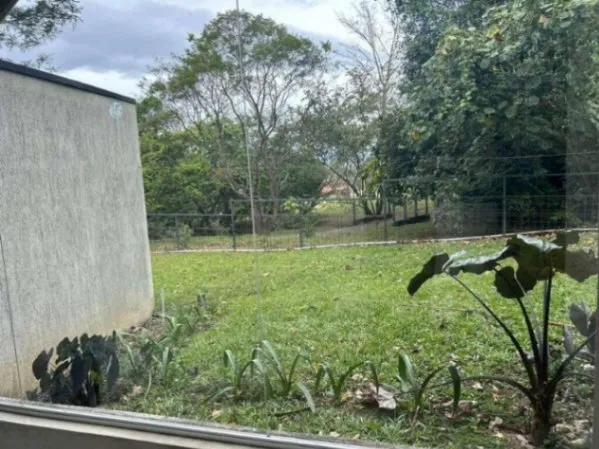
Daily life here follows a rural pattern: homes and farms, more space between properties than in the metropolitan area, and errands that usually involve a short drive. The district is not coastal, so there is no beach routine to plan around.
For banking, municipal paperwork and larger shopping, residents generally go to the canton seat, which is close. Ask neighbors how they handle groceries, health care and school transport, since these vary from one village to another.
Climate and nature
The district is inland, in the Central Valley's western edge, where Costa Rica's two seasons apply: a dry season roughly from December to April and a rainy season for most of the rest of the year. Afternoon showers are typical in the wet months.
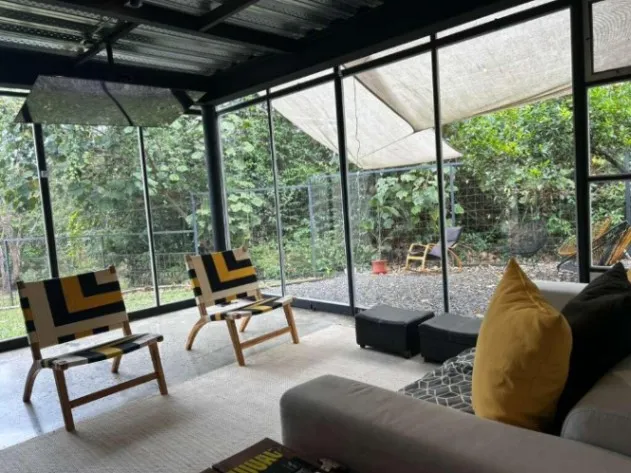
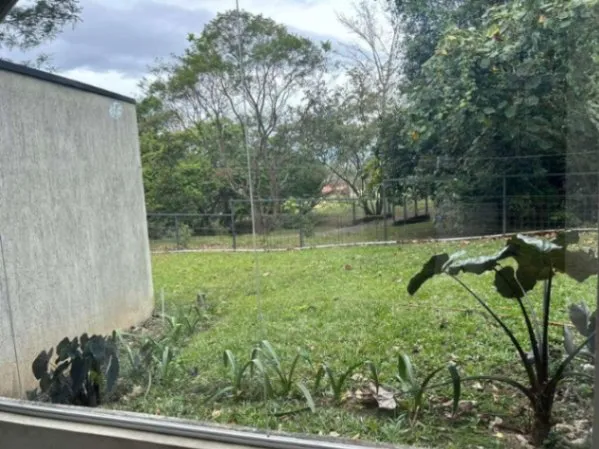
Hillier and more exposed parcels can feel different from lower ones in wind, humidity and drainage, so visit a property in both seasons if you can. Rural land often brings green surroundings, but also insects and runoff during heavy rain.
Economy and opportunities
The economy of this part of San José province combines farming, small local businesses and services, with many residents commuting to jobs elsewhere in the metropolitan area. The listing of farms in the pack is consistent with that agricultural profile.
Being relatively near San José and the main international airport helps for work, study and travel, especially for people who commute only a few days a week or work remotely. Still, the daily trip depends on traffic, so test it before committing.
Accessibility and location
Piedras Negras is district number 4 of the canton of Mora, in San José province. Its postal code is 10704 and its area is 14.9 km² (5.8 sq mi).
It borders Desamparaditos (canton of Puriscal), San António is not used here; the neighbors are San Antonio (canton of Puriscal), Colón, Picagres, Jaris, Quitirrisí and Turrúcares (canton of Alajuela). In a straight line, it is 6.1 km (3.8 mi) from Colón, the canton seat, 26.9 km (16.7 mi) from downtown San José and 15.5 km (9.6 mi) from Juan Santamaría International Airport (SJO).
The official villages, from Costa Rica's official territorial division (Decree 44882-MGP), are Danta, Palma and Quebrada Grande. Real travel time depends on the hour and the road.
History
Piedras Negras, located in the Mora canton, San José, Costa Rica, has a history that dates back to its foundation in 1848. Originally a small agricultural settlement, the town has evolved over time, becoming a rural development hub. Its culture is characterized by a blend of Costa Rican traditions and the influence of indigenous communities, celebrating festivities such as the feast of San Isidro Labrador.
The tradition of the town is also reflected in its gastronomy, where typical dishes like gallo pinto and tamal stand out. Today, Piedras Negras offers a peaceful and affordable quality of life.
Tips
- Drive the commute to work or school at different hours, including rush hour, before deciding.
- Ask about water supply and electricity for the specific property, and request recent bills.
- Check the road access in the rainy season.
- If renting, sign a written lease under Costa Rica's General Law of Urban and Suburban Leases, Law 7527.
- Verify the property at the National Registry before buying.
- You can save listings in the zone on Anuntico to compare options over time.
In summary
Living in Piedras Negras, San José, Costa Rica, is an ideal choice for those looking to establish their home or invest due to its excellent strategic location and tranquil environment. Piedras Negras, Mora, San José is a rural, inland district of the canton of Mora, with houses and farms on the market. It makes most sense for buyers or renters who want a quieter setting with space and who accept driving for most errands. Anyone commuting to the capital or the airport should test the route first.