

Quality of life
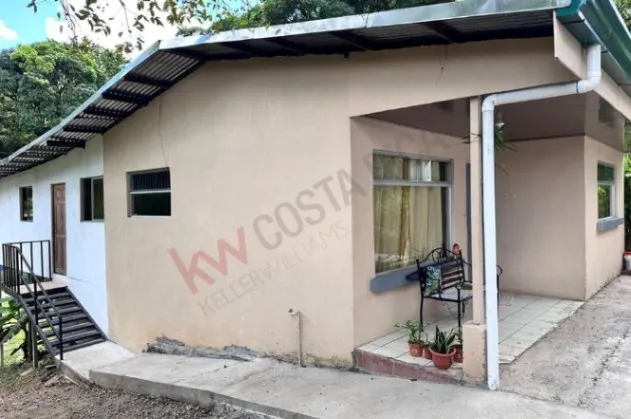
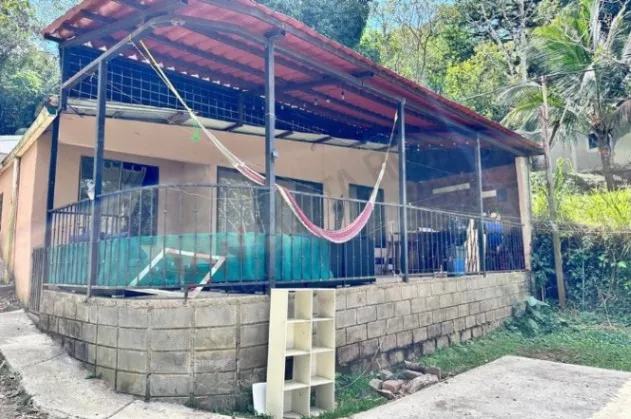
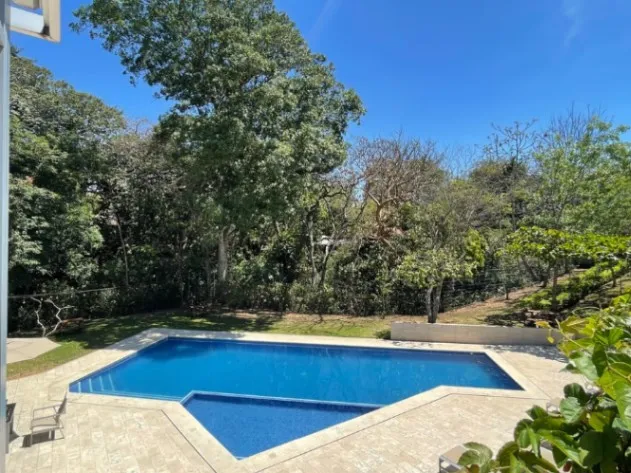
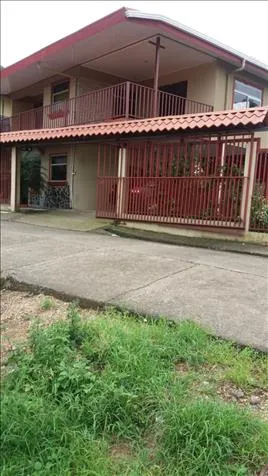
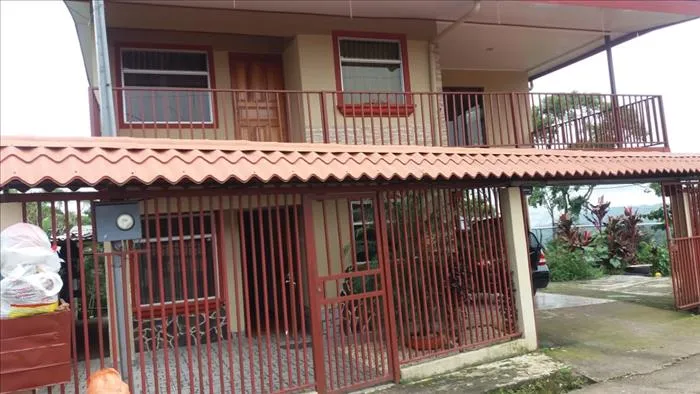
Guayabo is the second district of the canton of Mora, in the province of San José. It is a small, inland district with no coastline, and the pack lists houses, apartments or condos, and farms for sale. That mix points to a residential and semi-rural setting rather than a commercial core.
Before moving, check the practical details of the specific street: how reliable the water supply is, the condition of the access road, noise levels at different hours, and how far you are from shops, clinics and schools. These vary a lot between one property and the next, so visit more than once.
Cost of living
Housing is usually the largest expense, whether you rent or buy, and it depends on property type, size and exact location within the district. Beyond the rent or mortgage, plan for electricity, water, internet and phone, plus daily transport costs, since living outside the main urban core often means relying on a car or on buses.
If you buy, add the annual property tax paid to the municipality and any condo fees if the home is in a shared development. When there are enough listings, this page shows above the typical rent and purchase figures for the zone, which gives a starting point for a budget.
Advertisements
Lifestyle
Daily life in Guayabo is closer to rural or semi-rural than to a city center. The listing of farms alongside houses and condos suggests a landscape where residential areas and agricultural land sit side by side, and where the district's villages are part of everyday life.
For errands such as banking, municipal paperwork and larger grocery trips, residents look to the canton seat, which is near enough to be part of the regular routine. Most people in this kind of setting plan their week around a vehicle and group their trips.
Climate and nature
Guayabo is not coastal. Like most of the Central Valley and its surrounding hills, it follows Costa Rica's two-season pattern: a dry season roughly from December to April and a rainy season for the rest of the year, with the heaviest rain usually in the later months.
Slopes facing the Pacific side tend to be drier than those facing the Caribbean, and higher ground is generally cooler and breezier than the valley floor. Ask about drainage and soil stability when looking at hillside properties, since heavy rains affect them most.
Economy and opportunities
The region combines farming, small local businesses and services, and many residents work elsewhere in the San José metropolitan area. The district's rural character and the farms on the market reflect that agricultural side.
Being relatively near the capital and the main international airport matters for commuting, remote work with occasional flights, and access to universities and larger employers. Even so, daily commutes depend heavily on traffic, so test the trip at your real working hours before you commit.
Accessibility and location
Guayabo is district number 2 of the canton of Mora, in the province of San José. Its postal code is 10702 and it covers 9.0 km² (3.5 sq mi). It borders San Rafael (canton of Puriscal), San Antonio (canton of Puriscal), Tabarcia, Jaris and Quitirrisí.
In a straight line, it is 5.8 km (3.6 mi) from the canton seat, Colón; 23.2 km (14.4 mi) from downtown San José; and 16.2 km (10.1 mi) from Juan Santamaría International Airport (SJO).
Its official villages, from Costa Rica's official territorial division (Decree 44882-MGP), are Bajo Claras, Bajo Morado, Corrogres and Monte Negro. Real travel time depends on the hour and the road.
History
Guayabo is a district of Mora, San José, Costa Rica, that has evolved from its agricultural roots into a place that combines cultural traditions with modernity. In 1824, Guayabo was officially founded, and since then it has been home to diverse communities that celebrate their heritage through festivals such as the Fiesta de la Virgen de los Ángeles in August.
The community is known for its hospitality and for keeping alive traditions such as the preparation of typical foods and folkloric dances. With sustained growth in its infrastructure and services, the district has continued to develop.
Tips
Drive the daily commute at different hours, including rush hour, before deciding. Ask the owner or agent about water supply and other utilities for the specific property, and request recent bills to see real consumption.
If you rent, insist on a written lease that follows Costa Rica's General Law of Urban and Suburban Leases, Law 7527. If you buy, have a lawyer check the property at the National Registry. You can also use Anuntico to save listings in this zone and compare them over time.
In summary
Living in Guayabo, Mora, San José, Costa Rica, is an ideal choice for those looking to establish their home or invest, thanks to its tranquility and security, fundamental aspects for family life. Guayabo is a small, inland, semi-rural district of the canton of Mora, with houses, condos and farms on the market. It makes most sense for people who want a quieter setting within reach of the canton seat and the capital, and who are comfortable relying on a vehicle. Visit at different times and check services before deciding.