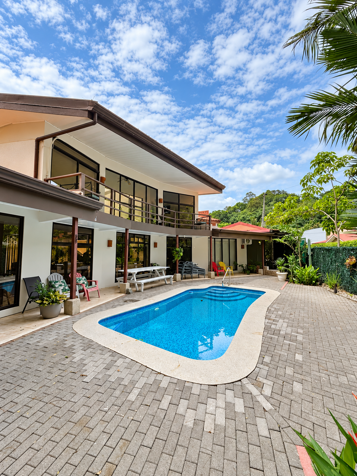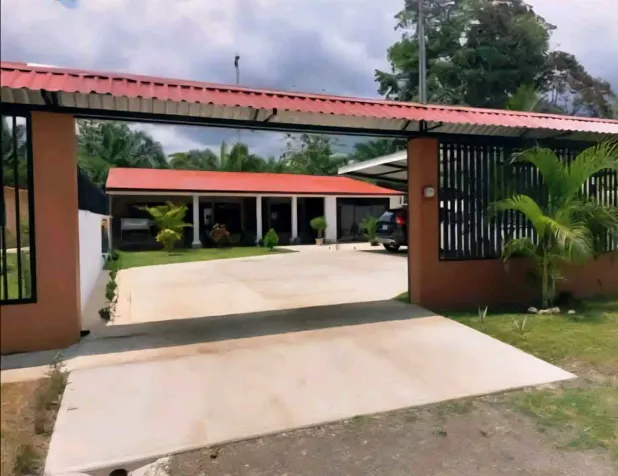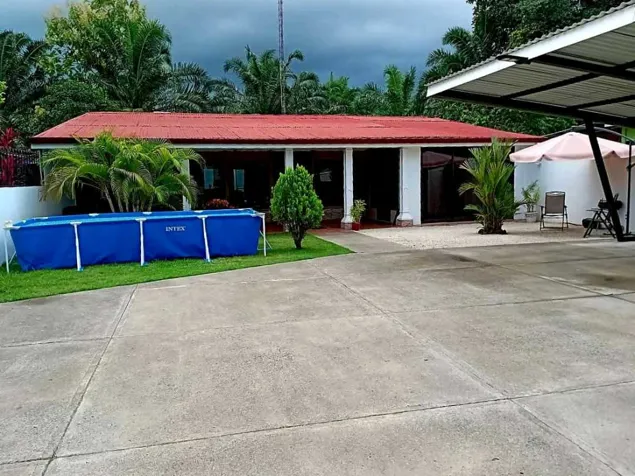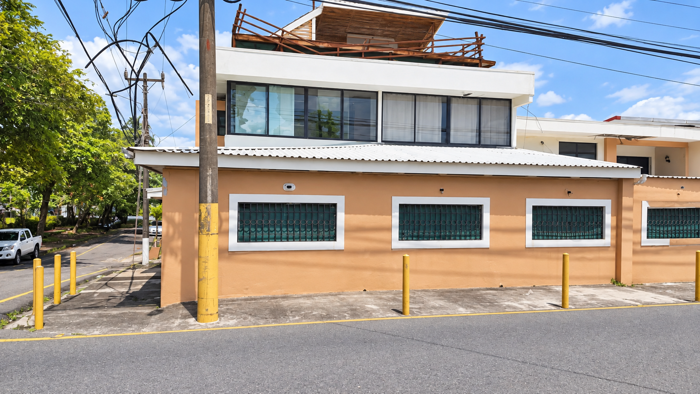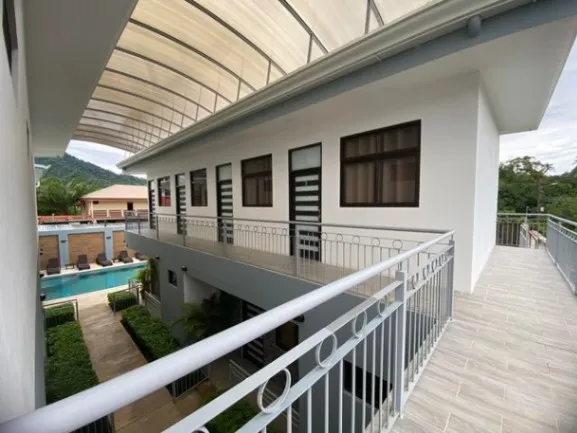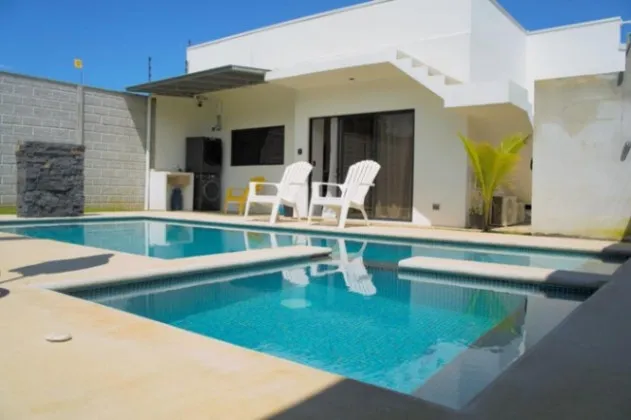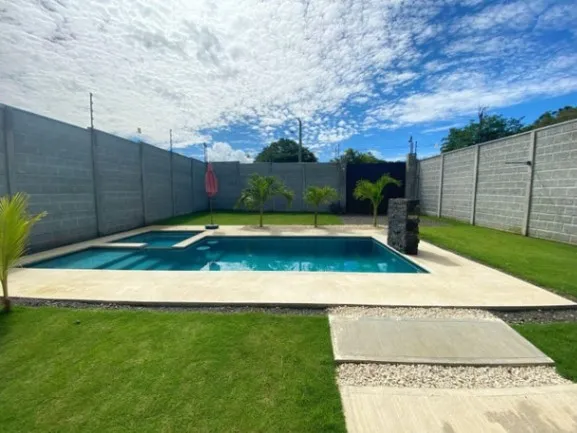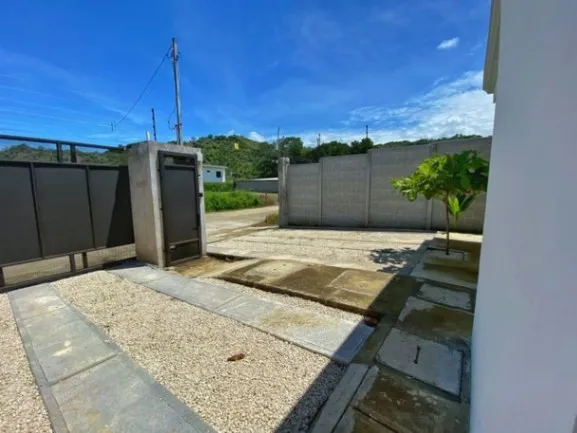


Quality of life
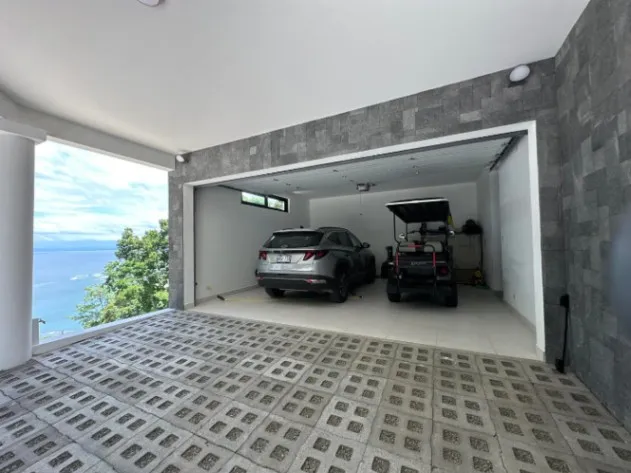
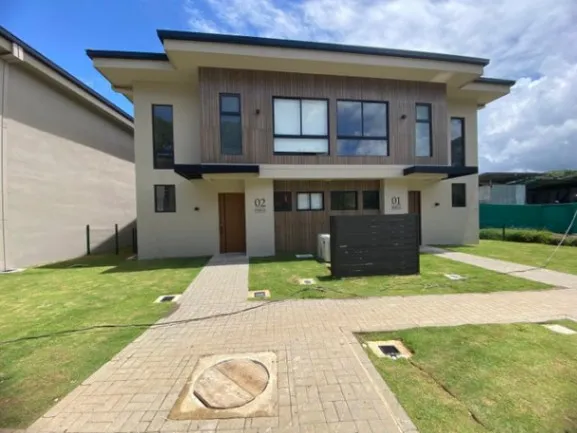
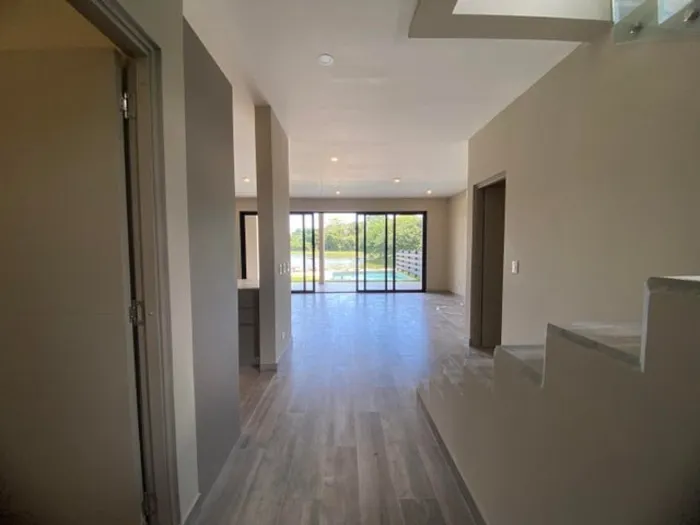
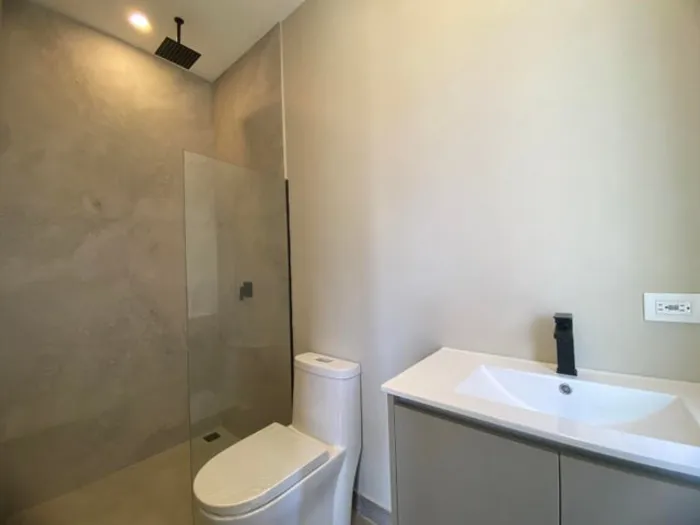
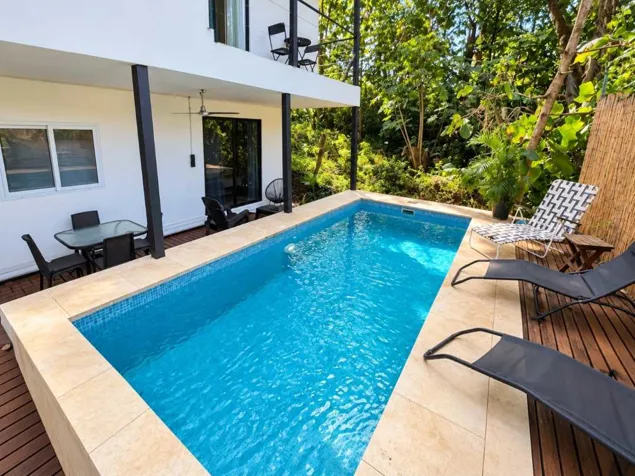
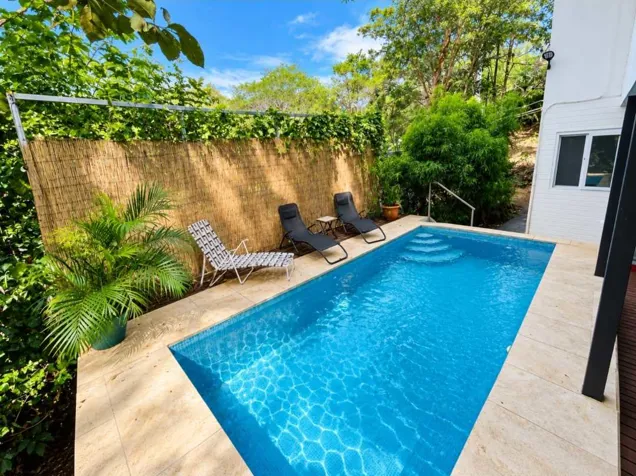
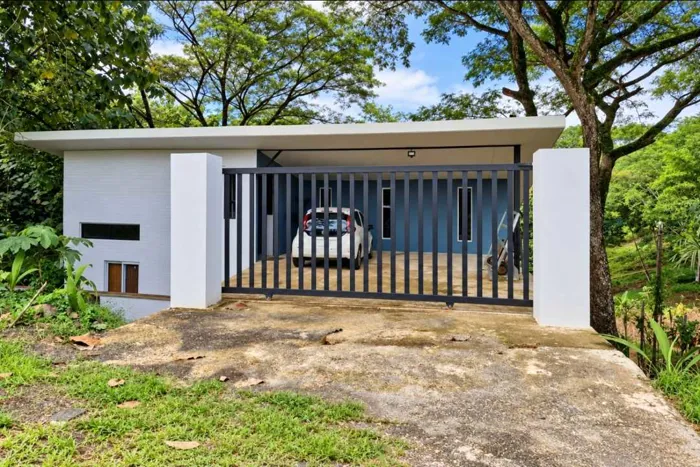
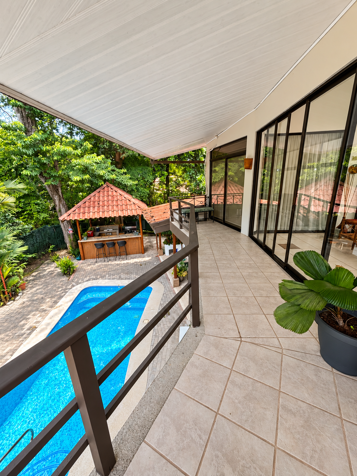
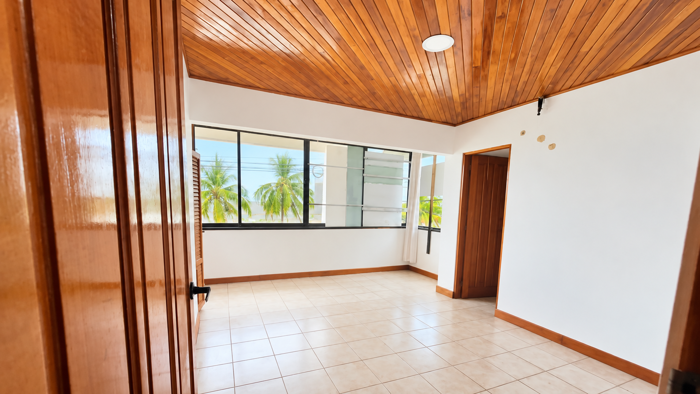
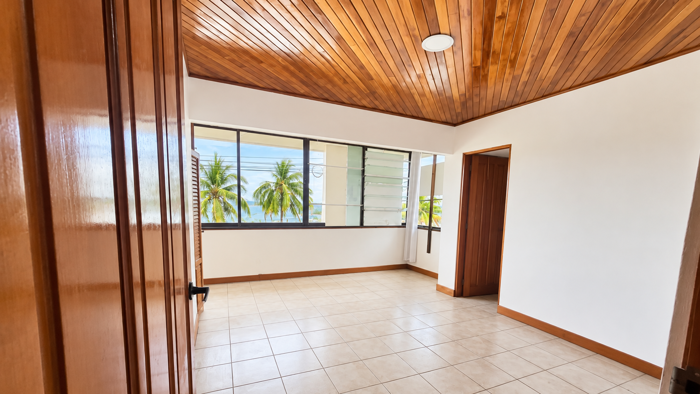
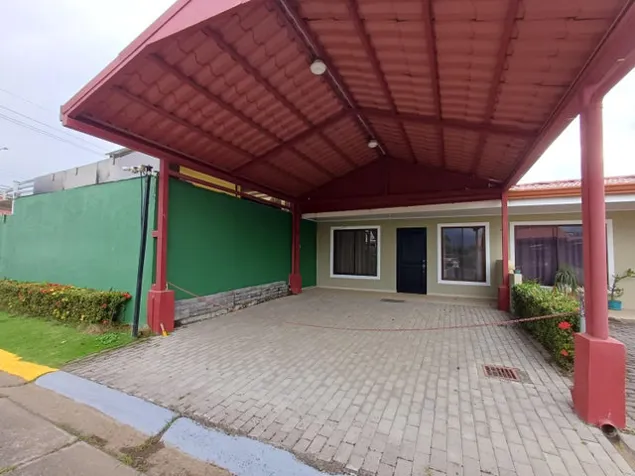
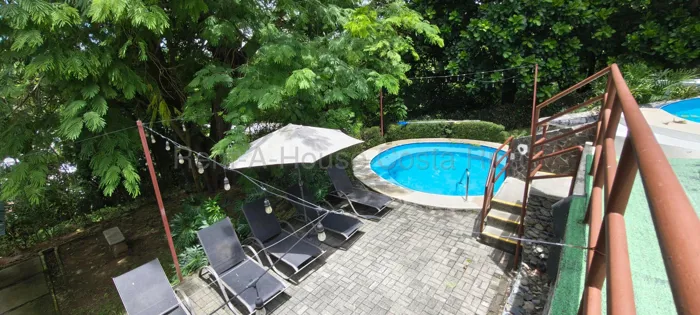
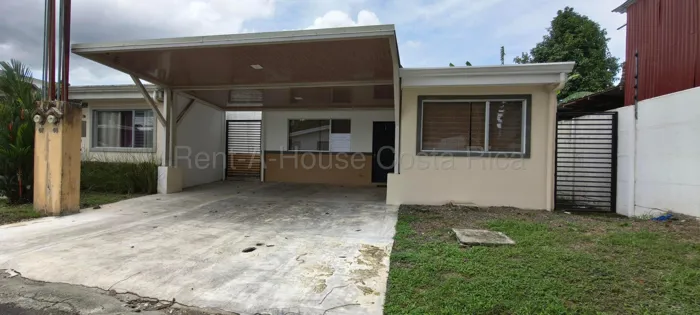
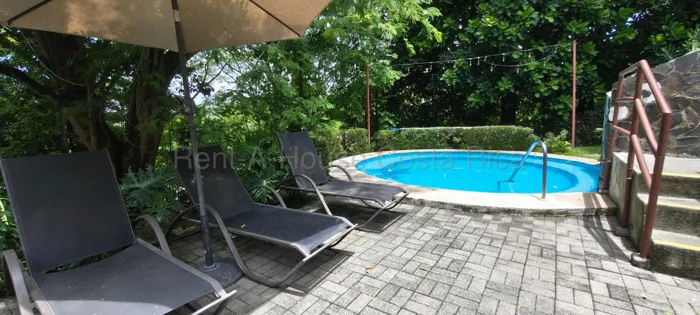
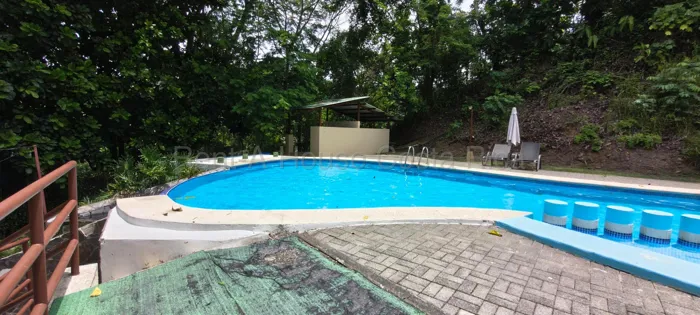
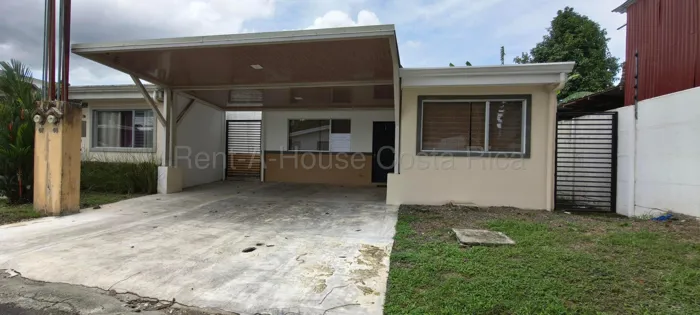
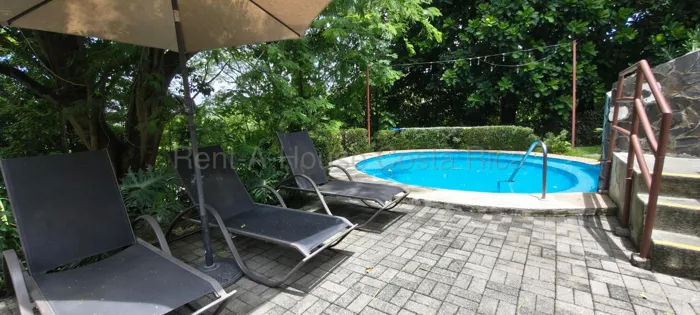
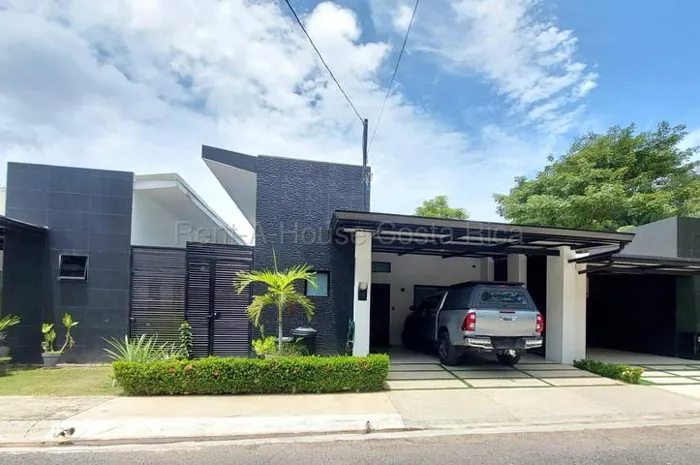
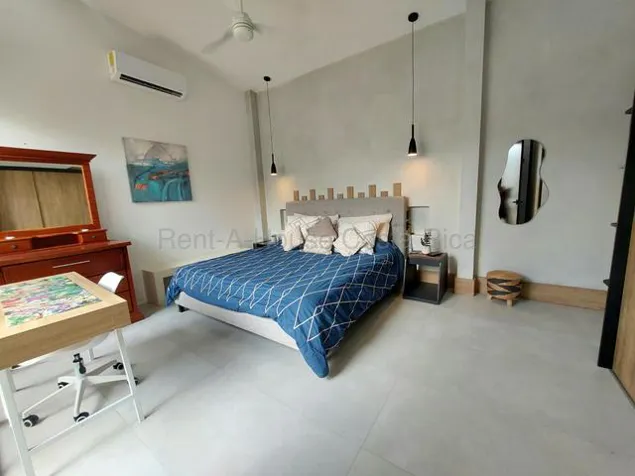
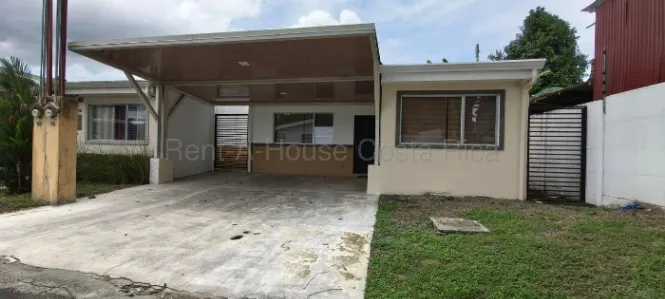
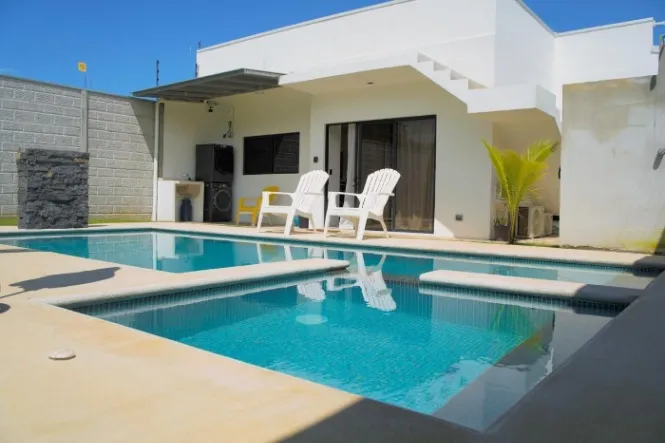
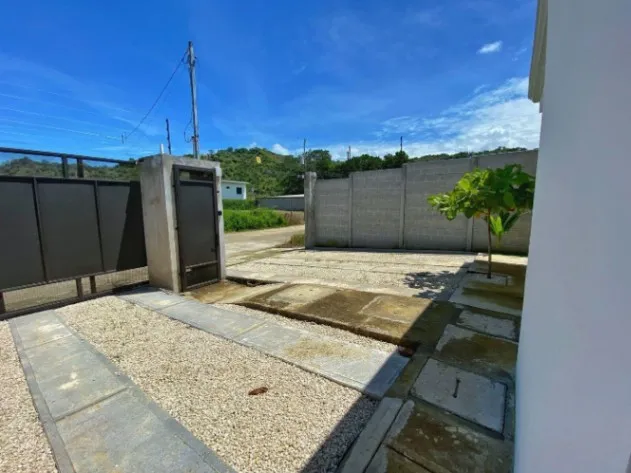
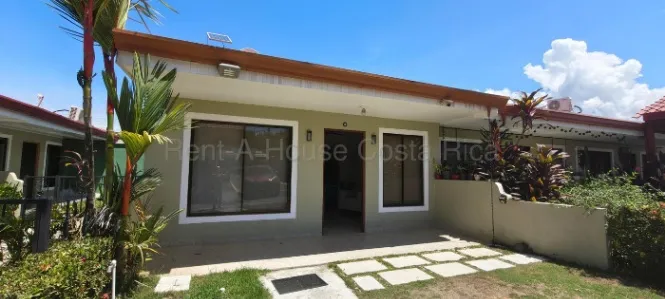
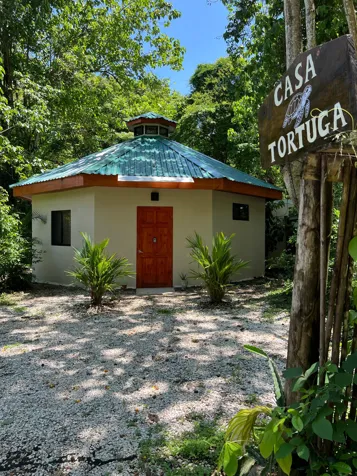
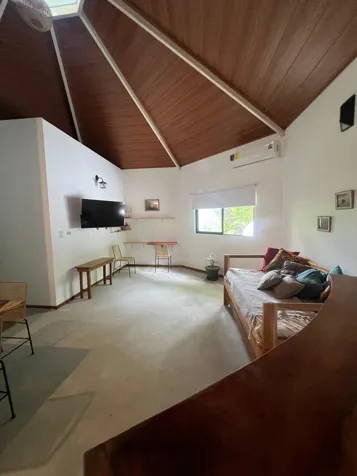
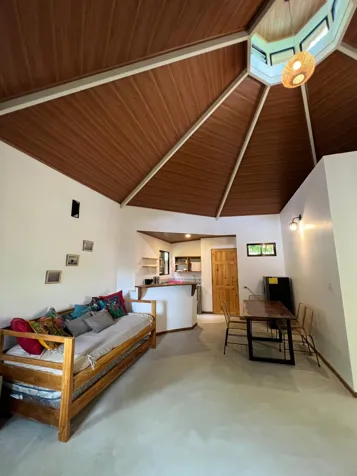
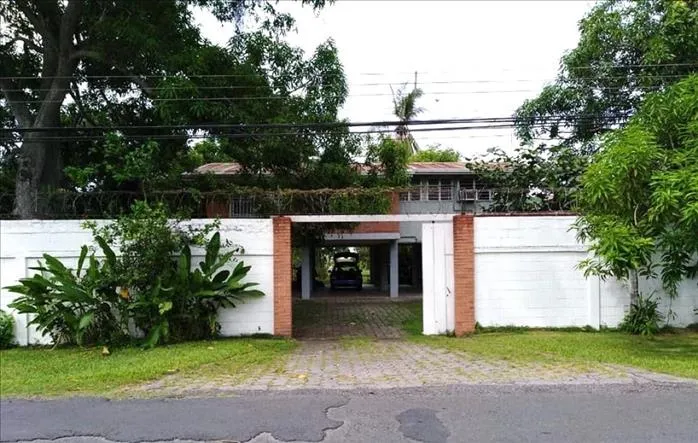
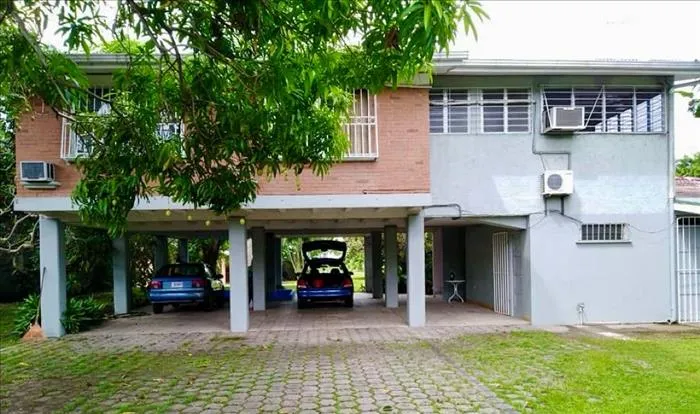
Puntarenas is the largest province in Costa Rica's Pacific side and is coastal, so living conditions vary widely from one canton to another. The pack lists houses, apartments or condos, lots and land, farms, commercial spaces, offices and buildings for sale, which points to a mix of urban, rural and beach settings.
Before moving, check the specific surroundings of each property: access roads in the rainy season, water supply, noise, distance to services such as shops and health care, and how reliable internet and electricity are. Conditions can change a lot within a few kilometers.
Cost of living
Housing is the main cost driver in Puntarenas, and it differs by canton and by how close a property is to the coast. Beyond rent or a mortgage, add utilities (electricity, water, internet), daily transport or fuel, and, if buying, annual property tax and any condo fees.
When there are enough listings, this page shows above the typical rent and purchase figures for this zone. Use them as a starting point and compare with individual listings.
Lifestyle
Daily life in the province depends on where you settle. Coastal areas tend to revolve around the beach, tourism and outdoor routines, while inland cantons are more rural, with farms and small towns where errands may require a drive.
The province includes several cantons with their own seats, so proximity to a canton seat matters for banking, shopping and government paperwork. Decide whether you want walkable services or more space and quiet, since the two rarely come together.
Climate and nature
Puntarenas lies on the Pacific slope, with a dry season and a rainy season. In general, the northern Pacific is drier, while the central and southern Pacific receive more rain and stay greener for longer. Mountain areas inland are cooler and wetter than the coast.
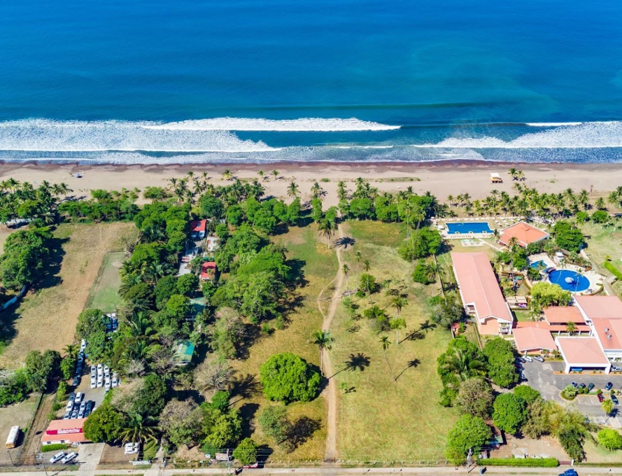
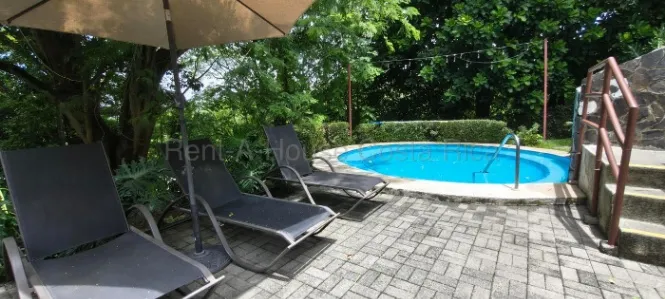
As a coastal province, it has shoreline, gulf waters and areas of forest and farmland. Rainy-season rains can affect rural roads and rivers, so ask how a property fares at that time of year.
Economy and opportunities
The regional economy combines tourism, port and fishing activity, farming and services. Coastal cantons lean on visitors and related businesses, while inland areas rely more on agriculture and livestock.
Remote work is possible where internet is reliable, but the province is large, and distance from San José and the international airport varies a lot between cantons. For jobs or study in the metro area, check the commute carefully, since some parts are far from the capital.
Accessibility and location
Puntarenas is a province of Costa Rica with an area of 11274.8 km² (4353.2 sq mi) and a Pacific coastline. It is made up of thirteen cantons: Buenos Aires, Corredores, Coto Brus, Esparza, Garabito, Golfito, Montes De Oro, Monteverde, Osa, Parrita, Puerto Jiménez, Puntarenas and Quepos.
Because the province is so large, distances to downtown San José and the international airports depend on the canton. Real travel time depends on the hour and the road.
History
Puntarenas has become an important port and tourist center in Costa Rica. During the 19th century, it was a key point for maritime trade, which solidified its role in the national economy.
Its cultural evolution is reflected in traditions such as the celebration of the Fiesta de la Virgen del Carmen, which combines religiosity with music and dance, and in its cuisine based on fresh seafood.
Tips
Drive the daily commute at different hours before deciding, since roads in the province can change a lot between morning, midday and the rainy season. Ask about water and utilities for each property, and request recent bills.
If renting, sign a written lease under Costa Rica's General Law of Urban and Suburban Leases, Law 7527. If buying, check the property at the National Registry. You can also save listings in this province on Anuntico to compare options over time.
In summary
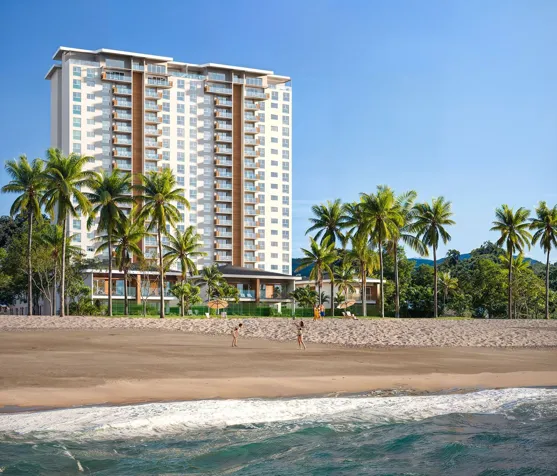
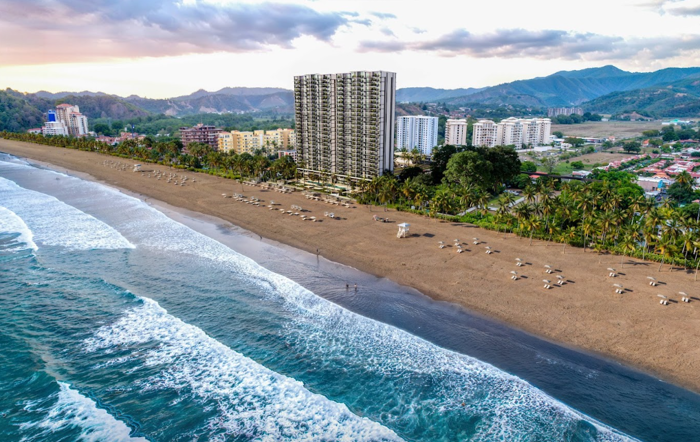
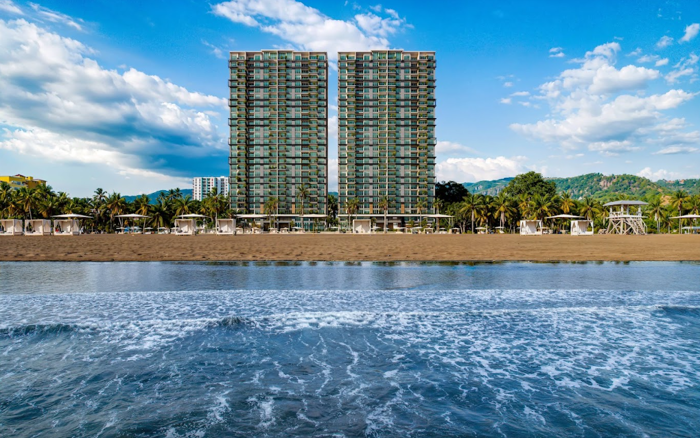
Living in Puntarenas, Costa Rica, is an ideal choice for those looking to establish their home or invest, thanks to its unique combination of natural beauty and quality of life. Puntarenas is a large coastal province with a varied mix of beach towns, farmland and mountain areas. It makes sense for buyers and renters who want a Pacific setting and are willing to compare cantons carefully on access, services and climate. Visit more than one area before choosing.