Quality of life
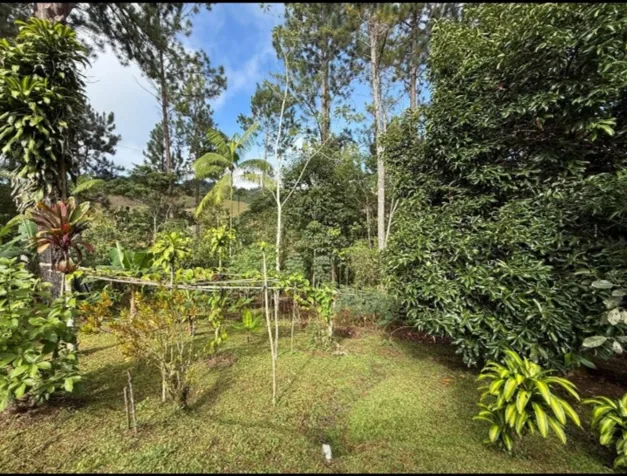
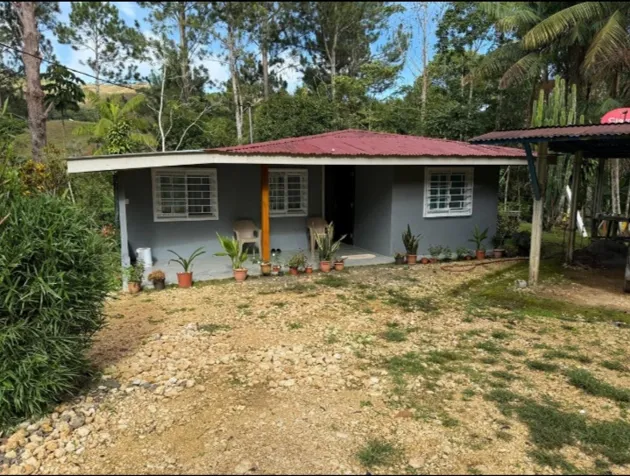
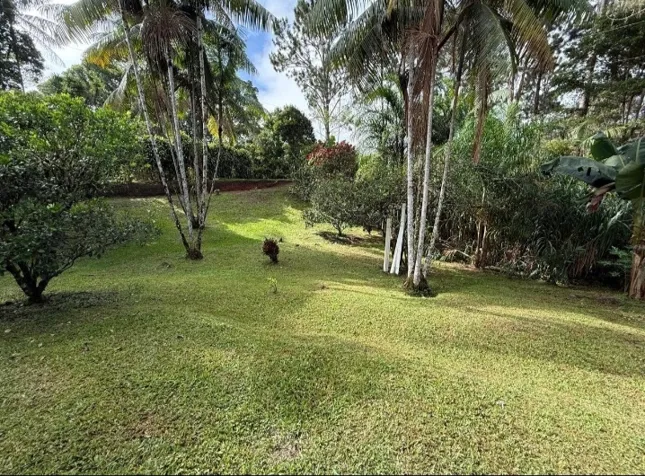
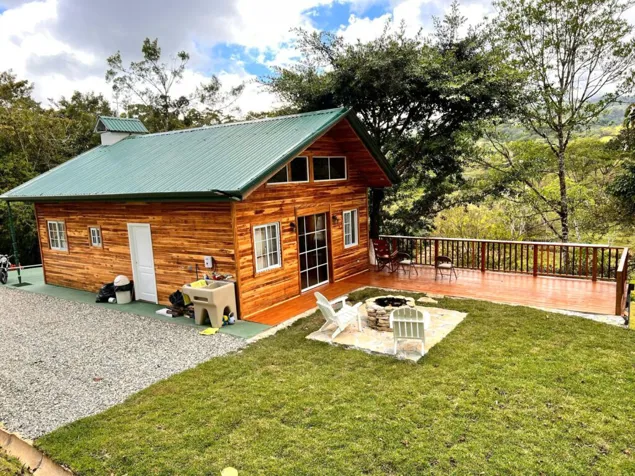
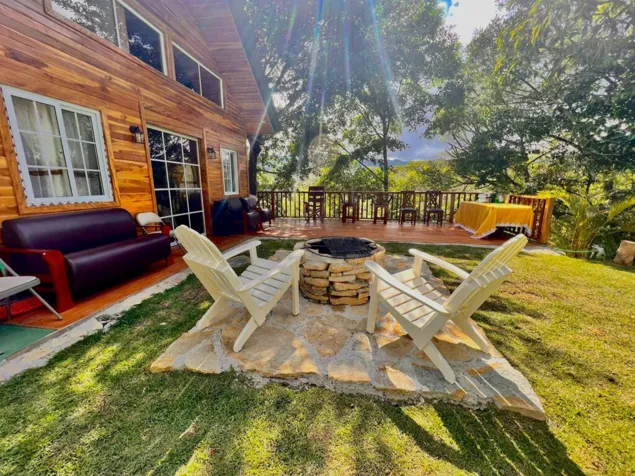
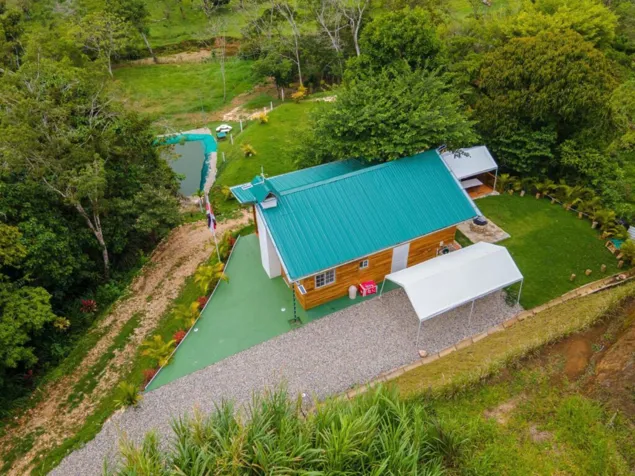
Coto Brus, Puntarenas, is an inland canton made up of six districts, and its area is large compared with many urban cantons. Because it has no coastline, daily life here is shaped by the mountains and by the farmland around the district centers, not by the sea. The listings for sale include houses, lots and land, and farms, which points to a mix of residential and rural property.
Before moving, check the practical details of the exact spot: how water is supplied, whether the road to the property is paved and passable in the rainy season, the noise level at different hours, and how far you are from shops, clinics and schools. These can differ a lot between a district center and a rural lot.
Cost of living
For most households, housing is the largest expense, and it varies with the type of property, its size and how close it is to a district center. Beyond rent or a mortgage, plan a budget for electricity, water, internet and phone service, and for daily transport, since rural areas often mean more driving and fuel.
If you buy, add the annual property tax paid to the municipality, notary and registry costs, and any maintenance a farm or large lot requires. When there are enough listings, this page shows above the typical prices by property type, which is a better starting point than general impressions.
Advertisements
Lifestyle
Coto Brus is a rural and mountain canton, so daily life tends to be quieter and more spread out than in the Central Valley. Many errands are handled in the district centers, and the canton seat is the natural place for banking, municipal paperwork and larger purchases.
Expect to rely on a car, especially if you live on a farm or a lot outside a town. Living on rural property also means more self-reliance: you may need to plan for water storage, garden upkeep and longer trips for specialized services. Visit in person and spend a few days in the area before deciding.
Climate and nature
Coto Brus is not coastal. It lies in the southern part of the country, where the year is divided into a drier season and a rainy season, with the rains usually concentrated in the second half of the year. Rain tends to be heavier on the Pacific-facing slopes and in the higher areas, and conditions can change from one valley to the next.
The terrain is mountainous and green, which affects daily life: roads can be affected by heavy rain, humidity can be high in the wet months, and the land suits farming. When viewing a property, ask how it handles runoff, slopes and the rainy season.
Economy and opportunities
The economy of southern Costa Rica's highland cantons is generally tied to agriculture, local commerce and services, with some tourism. Remote work is an option where internet service is reliable, so confirm the available providers at the specific address before committing.
Being far from San José and the main international airport matters for work and study. Jobs in the metropolitan area are not realistic as a daily commute, and trips to the capital for appointments, flights or university classes need planning. Most opportunities are local, in farming, trade, services or self-employment.
Accessibility and location
Coto Brus is a canton of the province of Puntarenas, in southern Costa Rica. It covers 941.1 km² (363.4 sq mi) and is divided into six districts: San Vito, Sabalito, Aguabuena, Limoncito, Pittier and Gutiérrez Braun. The local authority is the Municipalidad de Coto Brus.
Downtown San José is 169.9 km (105.6 mi) away in a straight line. Juan Santamaría International Airport (SJO) is 185.6 km (115.3 mi) away in a straight line. The territorial division of cantons and districts follows Costa Rica's official division (Decree 44882-MGP). Real travel time depends on the hour and the road, and is longer than these straight-line figures suggest.
History
The history of Coto Brus, Puntarenas, dates back to its founding in 1936, marked by the arrival of settlers seeking fertile lands for agriculture. This canton, located in the southern region of the country, has evolved from a rural area to a place with growing economic and tourist development, known for its biodiversity and mountainous landscapes.
The culture of Coto Brus is rich in traditions, with festivities such as the celebration of rural traditions prevailing, reflecting the heritage of its inhabitants. Residents keep their customs alive through music, dance, and local cuisine, creating a strong sense of community.
Tips
Drive the route you would use every day at different hours, including early morning and evening, and in the rainy season if you can. Ask the owner or agent how the property gets water and electricity, whether the water comes from a public system or a private source, and request recent bills.
If you rent, insist on a written lease under Costa Rica's General Law of Urban and Suburban Leases, Law 7527. If you buy, have a lawyer check the title at the National Registry. You can also use Anuntico to save listings in the zone and compare them over time.
In summary
Living in Coto Brus, Puntarenas, Costa Rica, is an ideal choice for those seeking a natural and tranquil environment. This place offers a serene lifestyle surrounded by lush nature, with access to various outdoor activities that enrich the quality of life. Coto Brus, Puntarenas, is a large, inland, mountainous canton made up of six districts, with houses, lots and farms listed for sale. It makes most sense for people who want rural or small-town life, can drive daily and do not need to be near the capital for work. Visit in different seasons and check water, access and services at the exact property before deciding.