

Quality of life
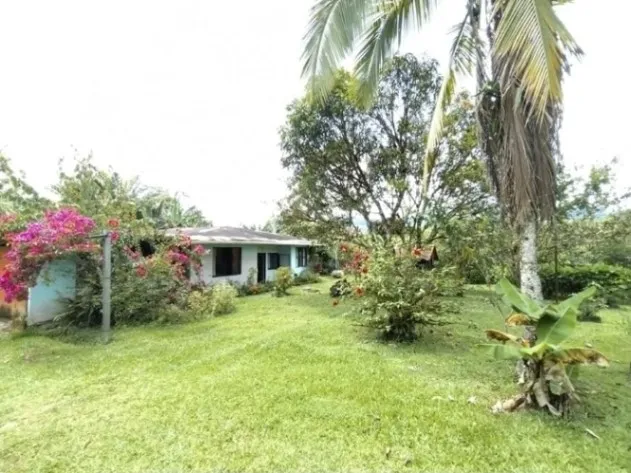
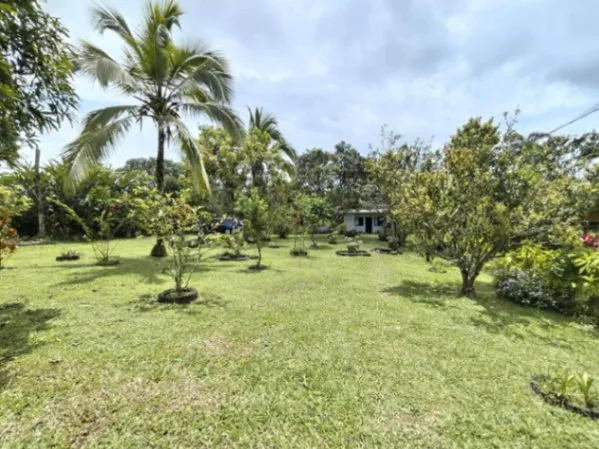
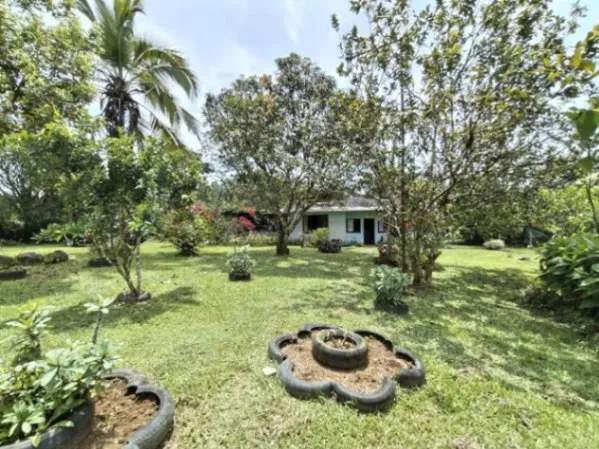
Limoncito is the fourth district of the canton of Coto Brus and covers a large area, so it reads as a rural, spread-out district rather than a compact town. It borders the canton seat district, San Vito, which matters for access to offices and everyday services. The pack lists lots and land and farms for sale, with no homes or commercial properties.
Before moving, check the practical details of the specific property: how the access road is maintained in the rainy season, whether public water and electricity reach it, what the mobile signal is like, and how much noise there is from nearby farming activity.
Cost of living
Housing is usually the first driver of costs, and in a district where lots and farms are what is listed, land and building costs weigh more than rent. When there are enough listings, this page shows above the typical prices and what is listed by type.
Beyond the purchase, add utilities such as electricity and water, and any private well or tank costs if the property is not on a public line. In rural areas, daily transport by car or motorbike can be a real budget line. Buyers should also include the annual property tax paid to the municipality and the notary and registry costs of the transfer.
Advertisements
Lifestyle
Daily life in Limoncito looks rural and inland. It is not coastal, and the pack lists many small villages inside the district, which points to scattered settlement and agricultural surroundings rather than a single urban center.
For errands such as banking, government paperwork, larger grocery runs and health care, residents would normally turn to San Vito, the canton seat next door. Having your own vehicle is common practice in this kind of district, so plan how you will get around before you commit to a property.
Climate and nature
Limoncito is inland in the south of the country, so it follows the Pacific-side seasonal pattern: a drier season early in the year and a rainy season for the rest, with the heaviest rain usually in the later months. Because the district is in the highlands of the south, conditions can be wetter or cooler on higher slopes and warmer on lower ground.
Surroundings are mostly agricultural land and rural landscape. If you are considering a farm or a lot, visit in the rainy season to see drainage, slopes and how the land holds up.
Economy and opportunities
The economy of this part of southern Costa Rica is based mainly on farming, along with local commerce and services concentrated in the canton seat. Farms and lots are the property types listed here, which fits that profile.
San José and its main airport are far away, so commuting to the metro area for work is not practical on a daily basis. Remote work, agricultural activity or work linked to San Vito are more realistic. For university studies or specialized services, expect longer trips or time away.
Accessibility and location
Limoncito is district number 4 of the canton of Coto Brus, in the province of Puntarenas. Its postal code is 60804 and its area is 123.2 km² (47.6 sq mi). It borders Potrero Grande (canton of Buenos Aires), Chánguena (canton of Buenos Aires), Guaycará (canton of Golfito), San Vito and Pittier.
In a straight line, it is 7.7 km (4.8 mi) from San Vito, the canton seat, 165.2 km (102.7 mi) from downtown San José and 180.4 km (112.1 mi) from Juan Santamaría International Airport (SJO).
The official villages are Aguacate, Alto Limoncito, Ángeles, Bonanza, Brusmalis, Chiva, Desamparados, Esperanza, Fila, Manchuria, Sabanilla, San Gerardo and others, from Costa Rica's official territorial division (Decree 44882-MGP). Real travel time depends on the hour and the road.
History
Limoncito, located in the canton of Coto Brus, Puntarenas, Costa Rica, has a history that dates back to the early 20th century, when it was founded in 1940. Over the years, its evolution has been marked by agriculture, becoming an important center for coffee and cacao cultivation. The culture of Limoncito reflects a blend of Costa Rican traditions and indigenous influences, highlighted in its local festivals that celebrate identity and community. Traditions such as patron saint festivals are also part of local life.
Tips
Drive the route you would use every day at different hours, including early morning and evening, and again after heavy rain. Ask the seller or landlord which water source serves the property, whether it is a public connection, and request recent electricity and water bills to see real consumption.
If you rent, sign a written lease under Costa Rica's General Law of Urban and Suburban Leases, Law 7527. If you are buying, check the title at the National Registry and the access easements. You can also save listings in this zone on Anuntico to follow what is new.
In summary
Living in Limoncito, Coto Brus, Puntarenas, Costa Rica, is an ideal choice for those looking to establish their home or invest due to its stunning natural surroundings and quality of life. Limoncito is a rural, inland district of Coto Brus, built around farming and small villages next to the canton seat. It makes most sense for buyers looking at land or a farm who are comfortable with a car-dependent routine. People who need city services every day or a short trip to the capital should weigh that carefully.