

Quality of life
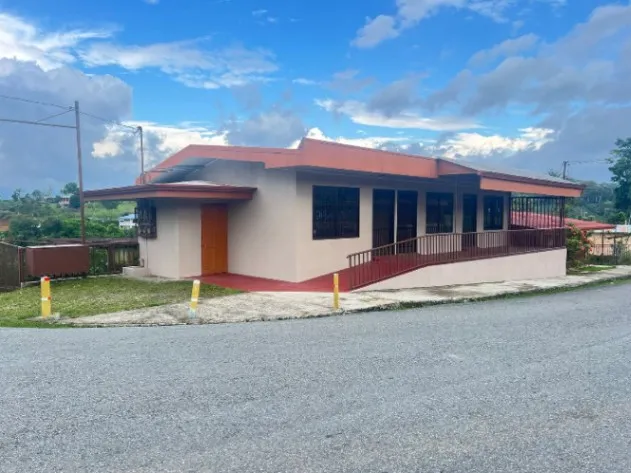
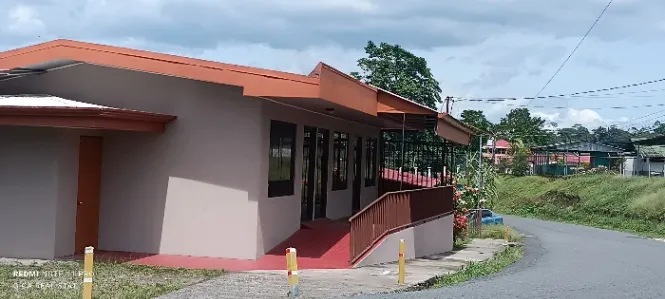
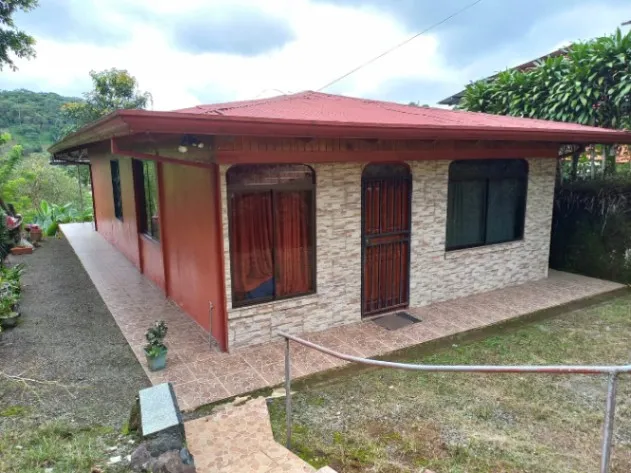
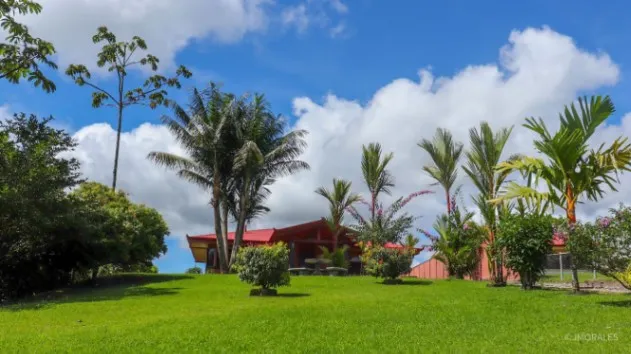
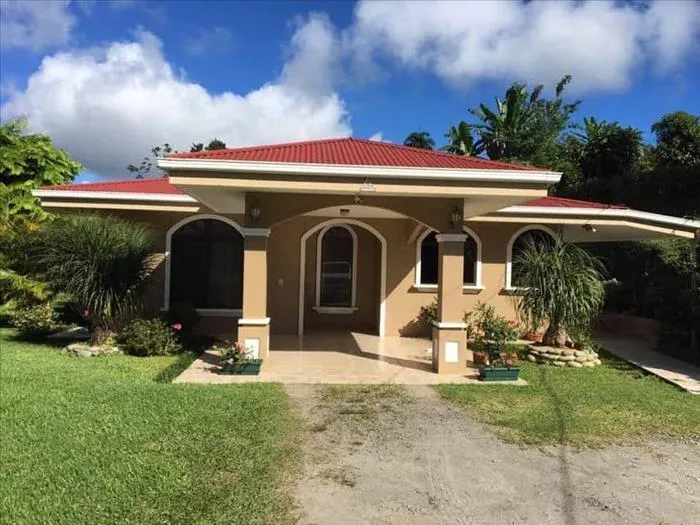
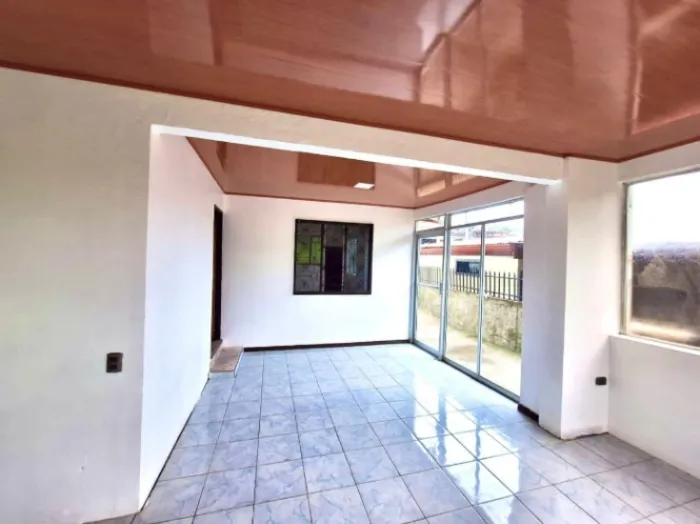
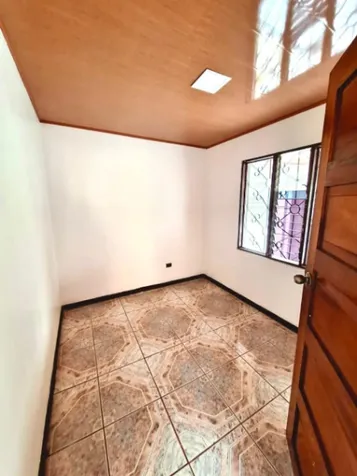
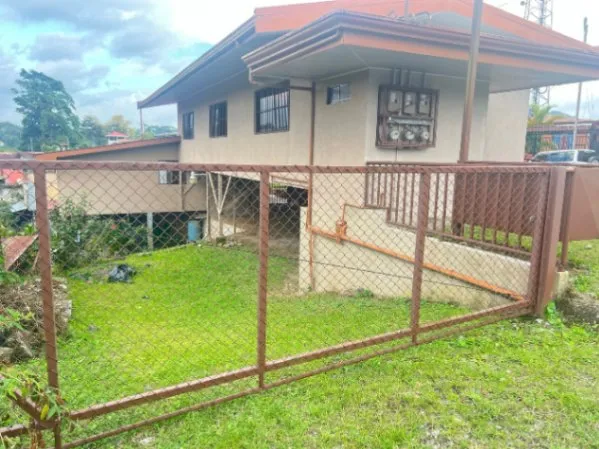
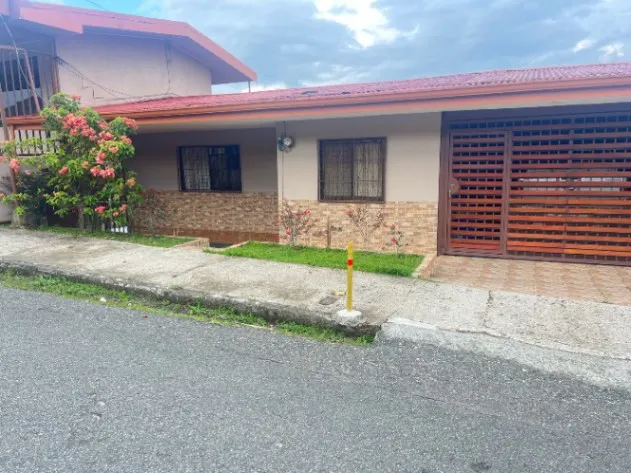
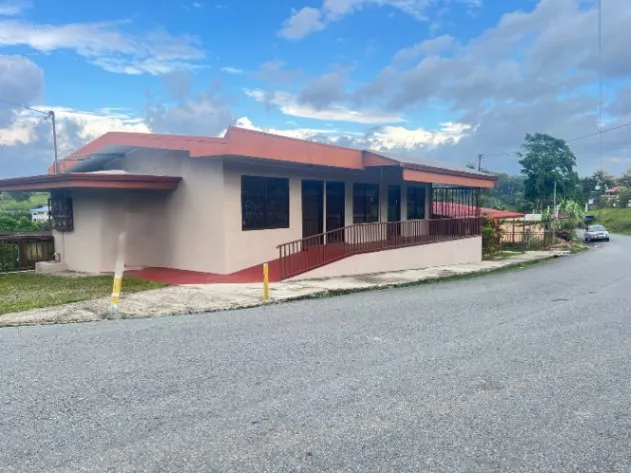
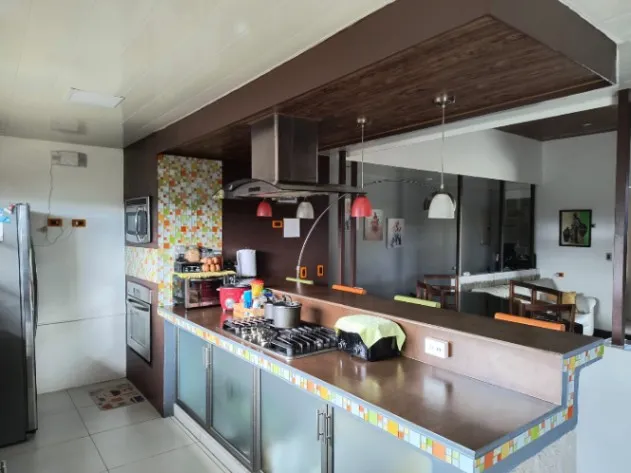
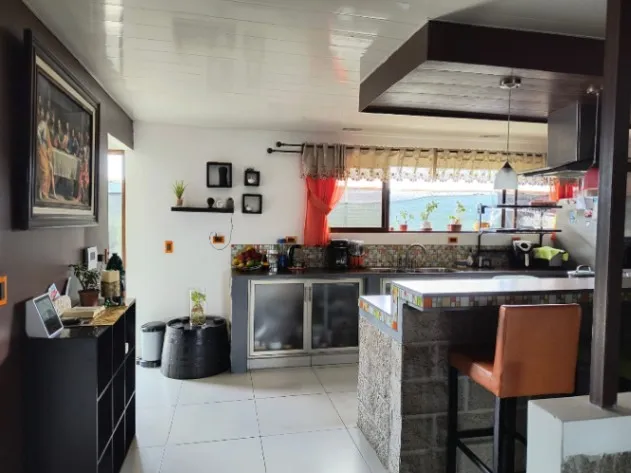
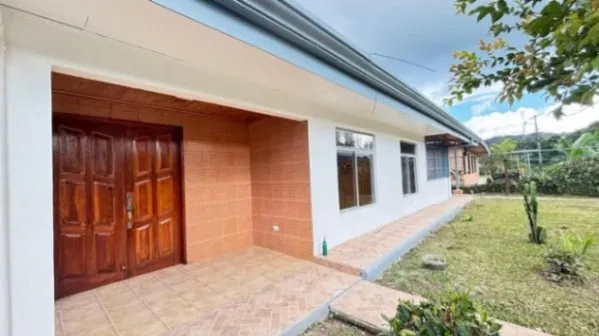
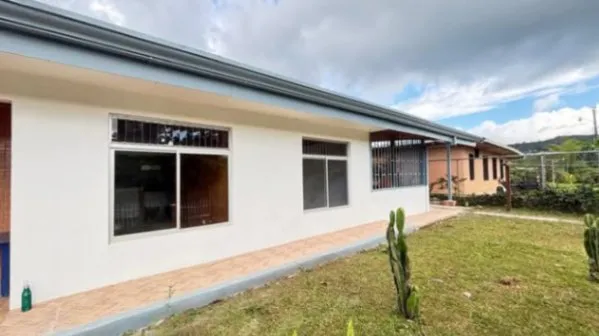
San Vito is the first district of the canton of Coto Brus, in the province of Puntarenas, and it is the canton seat. It is an inland district, not coastal, so daily life here is shaped by a town center and the rural areas around it. The listings for sale cover houses, lots and land, and farms, which points to a mix of residential and agricultural use.
Before moving, check what the specific street or village offers: water supply, access in the rainy season, noise, internet and mobile coverage, and how far the nearest services are from the property.
Cost of living
Housing is usually the largest expense, whether you buy or rent. Land and farms can follow different pricing logic than homes in town, so compare similar property types only.
Beyond the price of the property, add utilities (electricity, water, internet), daily transport and fuel, and the yearly property tax if you buy. If the property is in a shared development, ask whether there are condo or maintenance fees. When there are enough listings, this page shows above the typical prices for the zone, which gives a starting point for your budget.
Lifestyle
San Vito combines the services of a canton seat with surrounding rural land, so daily life depends on where exactly you live. Near the center, errands such as banking, paperwork at the Municipalidad de Coto Brus and shopping are easier to do on short trips. In the outlying villages, expect more distance between homes and services, and a greater need for a vehicle.
Because the district is not coastal, the rhythm is that of an inland, mostly agricultural area rather than a beach town.
Climate and nature
Costa Rica has a dry season, roughly from December to April, and a rainy season for the rest of the year. In the southern region, the rainy season is generally pronounced, and slopes facing the Pacific tend to be wetter than sheltered areas. Inland highland areas are usually cooler than the lowlands.
San Vito is not coastal. If you plan to farm or build, ask about drainage, erosion on slopes and how the land behaves during heavy rain.
Economy and opportunities
The economy of southern Costa Rica's inland areas is generally based on farming, local commerce and public and private services in the canton seat. The listing of farms in this district fits that profile. Tourism also plays a role in parts of the region.
Distance from San José and the main international airport matters for work and study. Jobs tied to the metro area are far from here, so remote work, local business or agriculture are the more practical paths. Check connectivity at the property before counting on remote work.
Accessibility and location
San Vito is district number 1 of the canton of Coto Brus, in the province of Puntarenas. Its postal code is 60801 and its area is 74.3 km² (28.7 sq mi). It is the canton seat, so the distance to the seat is zero.
It borders Guaycará (canton of Golfito), Sabalito, Aguabuena, Limoncito, Pittier and Gutiérrez Braun. In a straight line, downtown San José is 171.1 km (106.3 mi) away, and Juan Santamaría International Airport (SJO) is 186.4 km (115.8 mi) away.
Official neighbourhoods: Canadá, María Auxiliadora and Tres Ríos. Official villages: Aguas Claras, Bajo Reyes, Bajo Venado, Barrantes, Ceibo, Cruces, Cuenca de Oro, Danto, Isla, Juntas, Lindavista and Lourdes, among others. They come from Costa Rica's official territorial division (Decree 44882-MGP). Real travel time depends on the hour and the road.
History
San Vito, located in Coto Brus, Puntarenas, Costa Rica, was founded in 1950 by Italian settlers, who established an agricultural community that still resonates in its current culture. Over time, San Vito has evolved, becoming an important center for coffee production and a tourist attraction for its biodiversity and temperate climate.
The Italian influence is reflected in its traditions, such as the festivities of the Virgin of the Angels and the cuisine, which includes pastas and pizzas. Today, San Vito is not only a place for work and farming but also a place to live, where the community comes together to celebrate its cultural heritage.
Tips
- Drive the daily commute at different hours, including to the town center, before deciding.
- Ask about water and utilities for the specific property, whether it is connected to a public system or a private source, and request recent bills.
- Visit in both the dry and rainy seasons if you can, to see road and drainage conditions.
- If renting, sign a written lease under Costa Rica's General Law of Urban and Suburban Leases, Law 7527.
- If buying, verify the property at the National Registry and use a lawyer. You can also save listings for this zone on Anuntico to compare options over time.
In summary
Living in San Vito, Coto Brus, Puntarenas, is an ideal choice for those looking to establish their home or invest, thanks to its stunning natural surroundings and mild climate that promote a healthy lifestyle. San Vito is an inland district and the seat of the canton of Coto Brus, with a town center surrounded by rural villages. It makes sense for buyers looking at houses, land or farms in southern Costa Rica who accept the distance from the capital. It suits people who value an agricultural setting and are willing to check services, access and water at each property.