

Quality of life
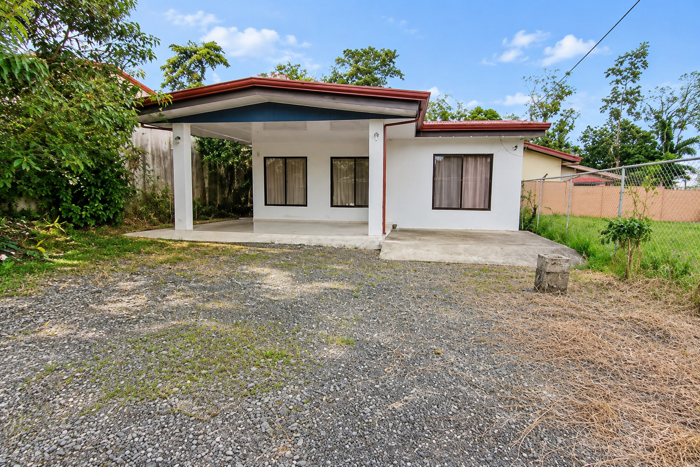
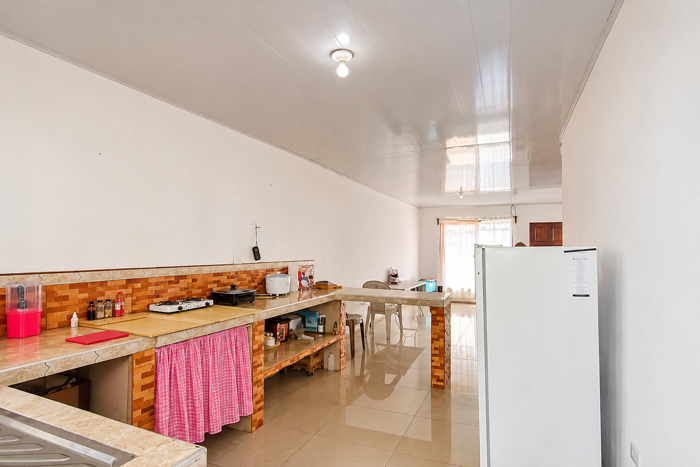
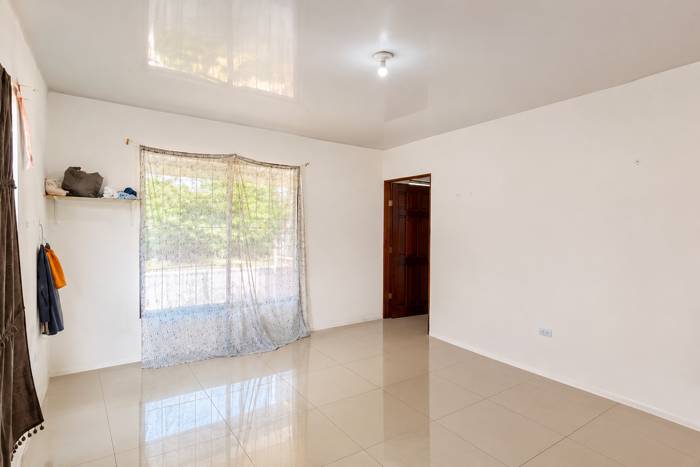
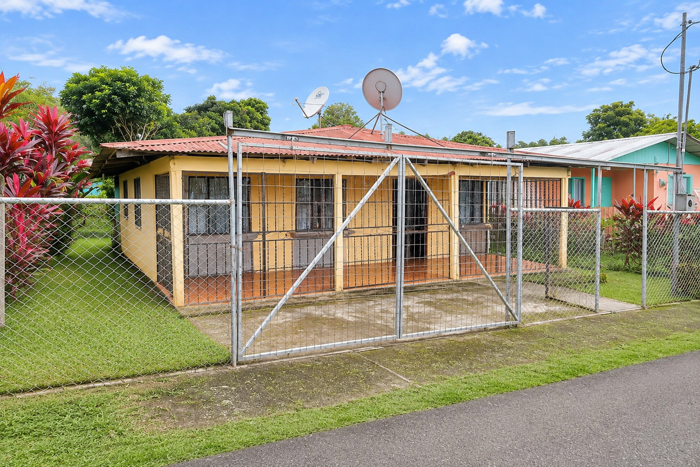
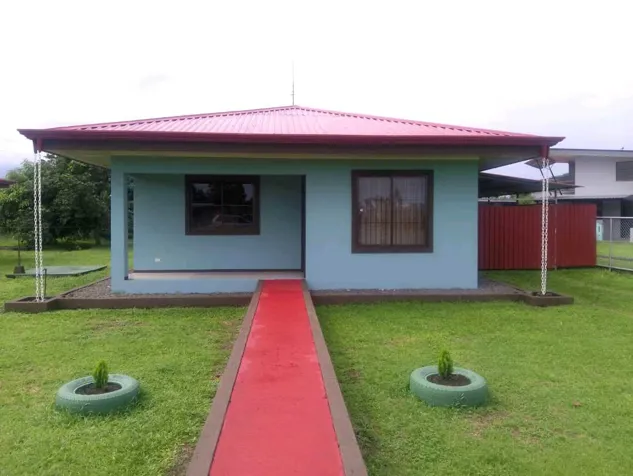
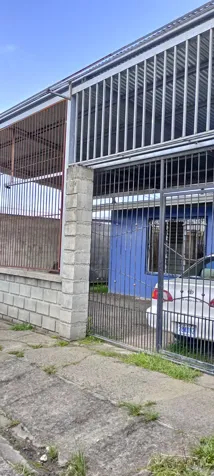
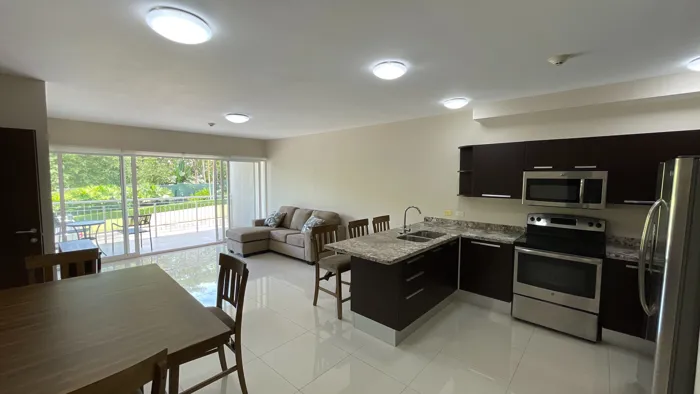
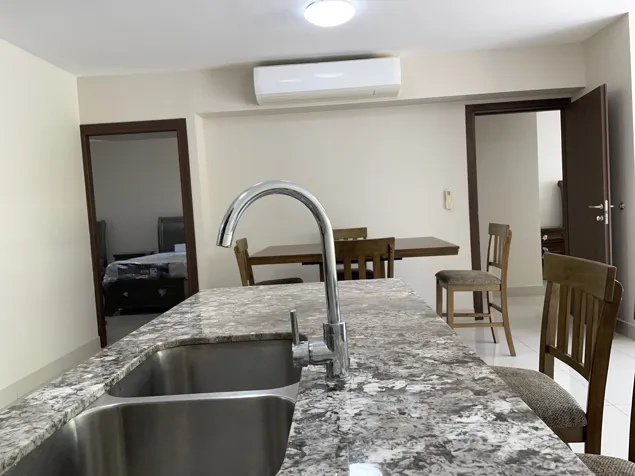
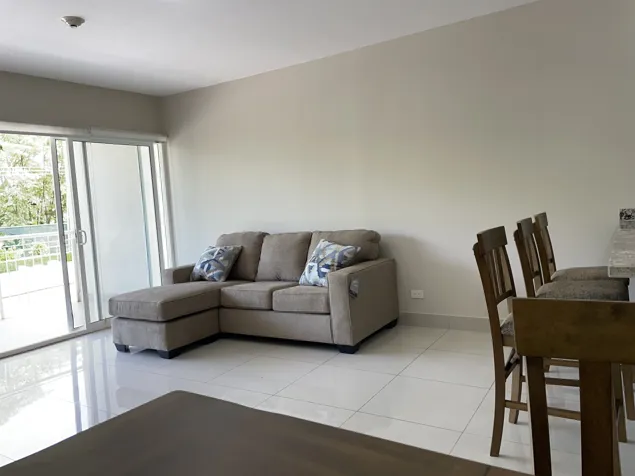
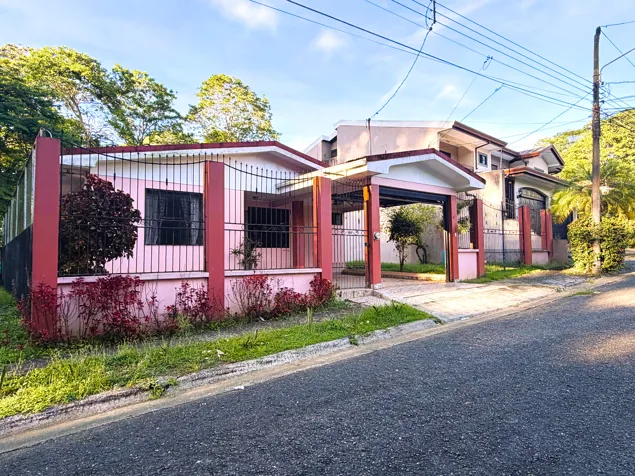
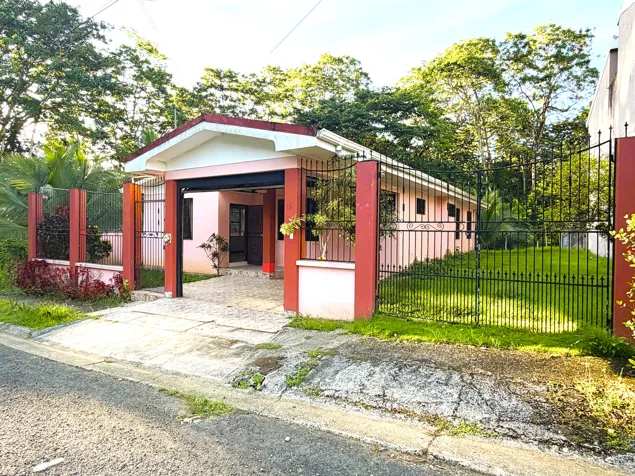
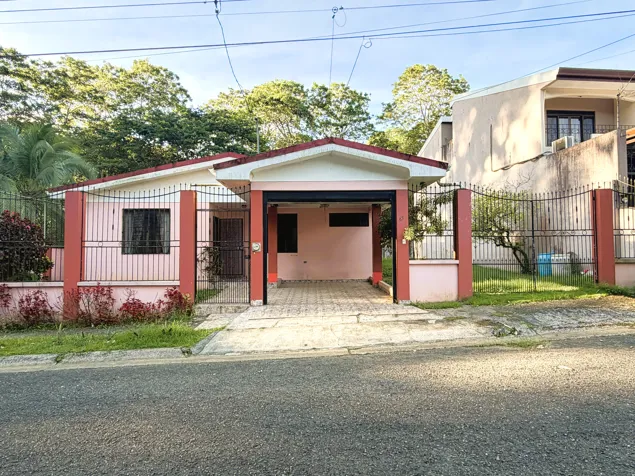
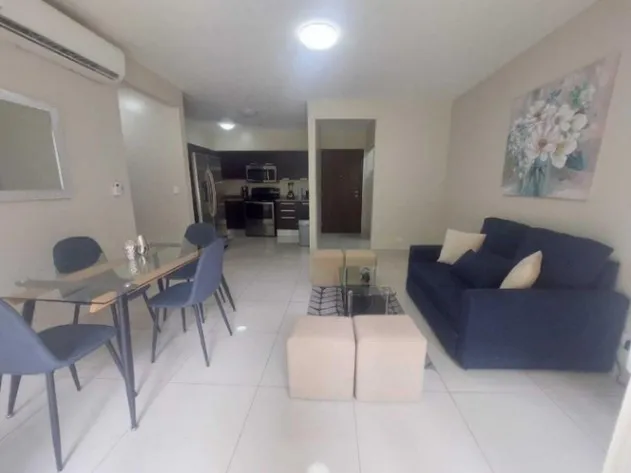
Limón is a province, not a single town, so what living here is like depends on the canton and district. The province is coastal and made up of several cantons. Listings on the site cover houses, apartments or condos, lots and land, farms, commercial spaces, warehouses and buildings, which points to a mix of residential, agricultural and commercial use.
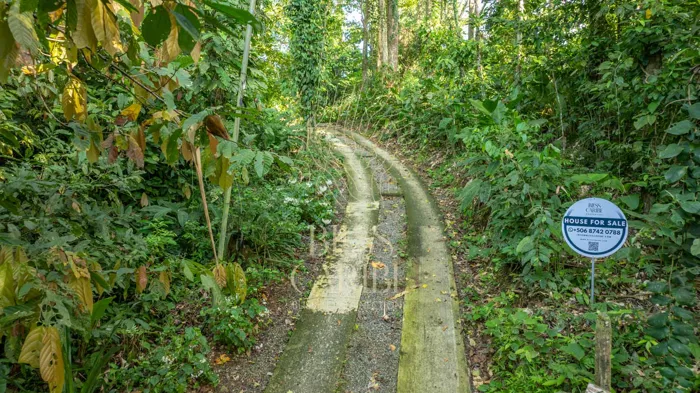
Before moving, check the specifics of the exact address: access roads in the rainy season, water supply, noise, internet and mobile coverage, and the distance to the nearest health services and shops. These vary a lot between a port town and a rural area.
Cost of living
Housing is usually the biggest cost, and it changes with the canton, the property type and how close it is to a town center or the coast. Beyond rent or the purchase price, budget for electricity, water, internet, daily transport and, if you buy, annual property tax. Condo or building fees apply to some apartments and condos.
When there are enough listings, this page shows above the typical rent and purchase prices for the area. Treat them as a starting reference and compare them with specific properties.
Lifestyle
Daily life in the province ranges from port-town and urban routines to rural and coastal living. Errands, schooling and work depend on which canton you pick, so it helps to think about where you will do your weekly shopping and where the nearest larger town is.
Farms and lots among the listed types suggest that many people live outside the town centers, where a car is often needed. Apartments and commercial spaces are more likely in the larger towns. Spend a few days in the area you are considering before deciding.
Climate and nature
Limón is on the Caribbean side of Costa Rica, and the province is coastal. This slope generally has a different rainfall pattern from the Pacific side. Rain can fall in any month, and there is no long dry season like the one on the Pacific coast. Drier spells tend to come at different times of the year than in the rest of the country.
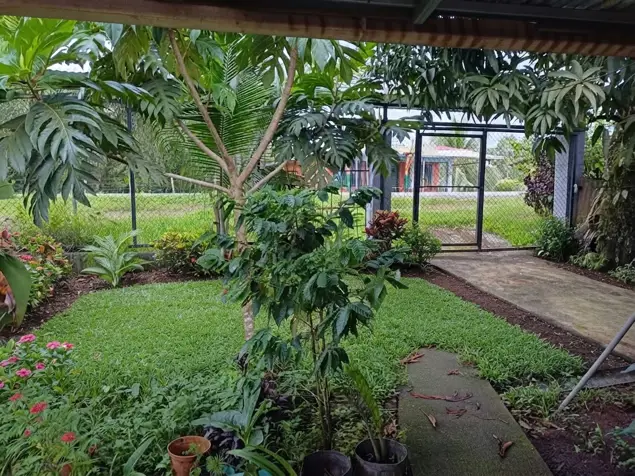
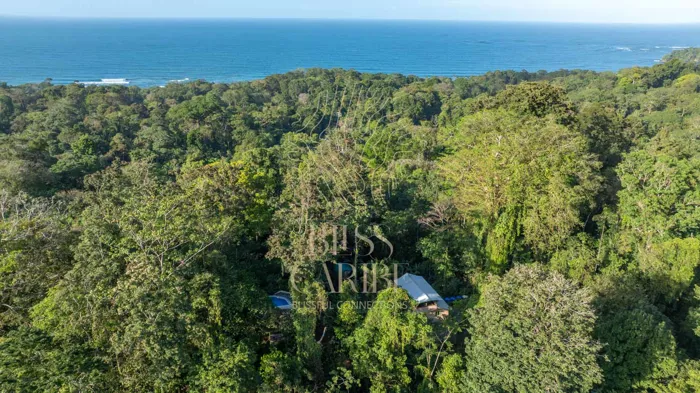
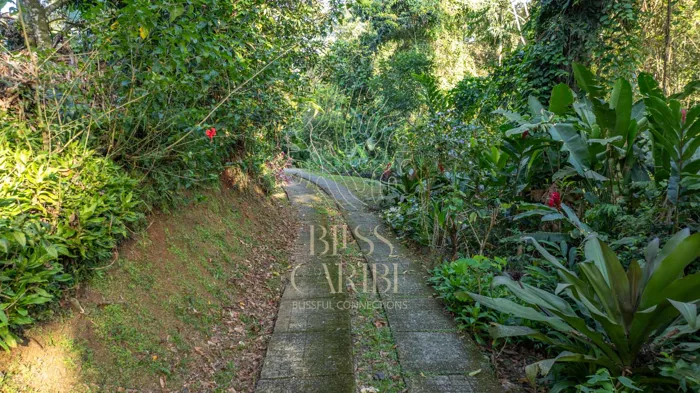
The province combines coastline with inland lowlands and rural land. Humidity, heavy rain and river flooding are practical points to ask about for any property, including drainage and the elevation of the lot.
Economy and opportunities
The economy of the Caribbean region is generally tied to port activity, farming, tourism and services. Commercial spaces and warehouses among the listings are consistent with trade and logistics, and farms with agriculture.
For remote workers, a reliable internet connection matters more than the town you pick. For work or study that requires going to the San José metro area or to an international airport, the distance is considerable from many parts of the province. Check the route and the schedule with the specific address in mind.
Accessibility and location
Limón is a province on Costa Rica's Caribbean coast, with an area of 9176.1 km² (3542.9 sq mi). It has six cantons: Guácimo, Limón, Matina, Pococí, Siquirres and Talamanca. The canton of Limón shares its name with the province, so check whether a listing refers to the province or to the canton.
Because this page covers the whole province, it gives no single distance to San José or to an airport; those depend on the canton and district. Real travel time depends on the hour and the road.
History
Limón, founded in 1870 and turned into a main port in 1882, has evolved notably from its beginnings as a small settlement to becoming a center of commerce and culture. Its population is a melting pot of cultures, primarily Afro-Caribbean, which is reflected in its traditions, music, and gastronomy, highlighting festivities such as the Festival Internacional de la Salsa and Día de la Independencia. The Caribbean influence is felt in everyday life, with typical dishes like rice and beans and calypso resonating in its streets.
Tips
- Drive the daily commute at different hours and on different days, including during heavy rain.
- Ask about water and electricity for the specific property, and ask for recent bills.
- Ask about flooding history and drainage, especially on low-lying land.
- If you rent, sign a written lease under Costa Rica's General Law of Urban and Suburban Leases, Law 7527.
- If you buy, check the property's status at the National Registry before paying anything.
- On Anuntico you can save listings in the zone and compare them over time.
In summary
Living in Limón is an ideal choice for those looking to establish their home or invest, as it combines a spectacular natural environment with a rich Afro-Caribbean culture. Limón is a large Caribbean-coast province made up of several cantons, with port towns, rural land and coastline. It makes sense for buyers and renters who want a coastal or rural setting and are willing to research each canton separately. Checking access, services and climate at the exact address matters more here than a general impression of the province.