
Tips for choosing the best option when buying your home in Costa Rica
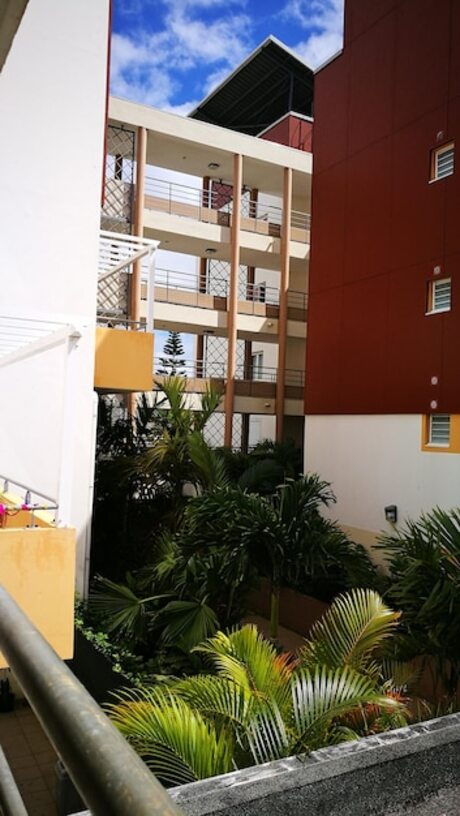
Choosing the perfect home in Costa Rica can be an exciting yet overwhelming challenge. With diverse landscapes and a wide range of options, it is crucial to have the right guidance to make informed decisions. In this article, we will provide you with practical and strategic tips that will help you navigate the home buying process, ensuring that you find not just a place to live, but a true home. Get ready to discover how to maximize your investment and fully enjoy the beauty of Costa Rica.
Define your priorities: House or apartment?
When considering the purchase of a home in Costa Rica, the first fundamental step is to define your priorities between a house or an apartment. This dilemma largely depends on your lifestyle, family needs, and personal preferences. If you value outdoor space and privacy, a house may be the best option for you. Additionally, houses often offer more green areas, ideal for families with children or pets. On the other hand, if you seek convenience and lower maintenance, an apartment may be more suitable; these usually come with additional services such as security and common areas that facilitate living together.
Location also plays a crucial role in this decision. In many urban areas of Costa Rica, apartments are more centrally located, allowing easy access to shops, restaurants, and public transportation. This can be very appealing if you work in a large city or prefer to be close to the social and cultural life of the place. On the other hand, houses are usually found in suburban or rural areas where you can enjoy a quieter and more natural environment. Take the necessary time to evaluate which type of housing aligns best with your long-term goals and your vision of the ideal home in this beautiful country.
Advertisements
Research the areas: The best of each region in Costa Rica.
Researching the areas of Costa Rica is essential for making an informed decision when buying your home. Each region of the country offers unique characteristics that can influence your lifestyle and the long-term value of your investment. From the climate to the proximity to essential services like schools, hospitals, and recreational options, understanding what each area has to offer will allow you to choose a place that fits your needs and preferences. For example, if you are looking for a quiet and friendly environment, you might consider rural areas like Atenas or the Los Santos region, known for their mild climate and welcoming community.
In contrast, if you prefer a more active and vibrant life, metropolitan areas like San José or Escazú could be ideal due to their cultural, gastronomic, and commercial offerings. Additionally, don't forget to research the safety in each area; this is crucial to ensure a safe environment for both you and your family. Taking the time to understand the particularities of each region will help you make a more informed and satisfying choice.
When evaluating the different areas of Costa Rica, it is also advisable to personally visit each place you consider. This will allow you to have an authentic feel for the local environment and connect with the community before making any final decisions. Talking to current residents can provide you with valuable information about practical aspects such as the cost of living, the quality of public services, and the availability of recreational activities. Remember that choosing a home involves not only finding a suitable physical space; it is also about integrating into a community where you can build lasting memories.
Clear budget: How to establish a realistic range.
Setting a clear budget is essential when buying a home in Costa Rica. Before starting the search, it is crucial to determine how much you are willing and able to spend. This not only includes the price of the property but also other associated costs such as taxes, insurance, maintenance, and utilities. To facilitate this process, consider using a mortgage calculator to estimate monthly payments and ensure they align with your current financial situation. Having a realistic range will help you avoid disappointment and focus on properties that you can truly afford.
Once you have defined your initial budget, it is advisable to leave a margin for unforeseen events. The real estate market can be unpredictable, and you may encounter interesting opportunities or unexpected expenses during the buying process. Therefore, it is recommended to add an additional 10-15% to your total budget to cover these potential extra costs. Additionally, if you are considering financing, consult with several banking institutions to find out the best rates and interests available; this will allow you to make informed decisions and adjust your budget as necessary. By having clarity about your financial capacity, you will be able to focus on finding that ideal home without compromising your economic resources.
Consider additional expenses: Beyond the purchase price.
When considering the purchase of your home in Costa Rica, it is essential not only to focus on the initial sale price. There are several additional expenses that can significantly influence your budget and your ability to maintain the property in the long term. These expenses may include maintenance fees, property taxes, utility costs, and insurance. Furthermore, if you choose a home in a development or condominium, you will likely need to account for monthly management fees that cover the maintenance of common areas and other services. All of this can add up to a considerable cost, so it is crucial to conduct a thorough analysis before making a decision.
Also, do not forget to consider the expenses associated with the transaction itself. This includes legal fees, real estate commissions, and possible costs related to obtaining financing, such as interest rates and mortgage insurance. It is advisable to create a detailed budget that includes all these elements to avoid unpleasant surprises later on. By having a clear view of the total expenses involved in purchasing your home, you will be able to better plan your finances and ensure that your investment aligns with your expectations and financial capabilities.
Property visits: What to observe during visits.
During property visits, it is essential to look beyond the initial aesthetics of the home. Pay attention to structural details, such as the condition of roofs, walls, and floors. Look for signs of moisture or mold, as these may indicate hidden problems that could lead to significant expenses in the future. Additionally, check the quality of electrical and plumbing installations; a careful inspection can save you unpleasant surprises after the purchase. Remember that every small detail matters when assessing the true value of the property.
It is also essential to consider the immediate environment of the home. Research the safety of the neighborhood and its nearby services, such as schools, hospitals, and supermarkets. Walk around the area at different times of the day to get a clear idea of the atmosphere and noise level. Talking to neighbors can provide you with valuable information about the community and its quality of life. At the end of the day, make sure that what you observe during these visits aligns with your needs and lifestyle, as this will be key to fully enjoying your new home in Costa Rica.
Legal advice: Importance of having a specialized lawyer.
Having a lawyer specialized in real estate is a fundamental step when buying a home in Costa Rica. This professional will not only guide you through the complex legal process but will also be able to identify and prevent potential issues that may arise during the transaction. From contract reviews to title verification, an expert lawyer ensures that all legal aspects are in order, providing you with peace of mind and protection against any eventuality. Additionally, their knowledge of local regulations can be invaluable in avoiding unpleasant surprises.
Legal advice is not only crucial during the purchasing process but can also be vital after closing the deal. A specialized lawyer can help you with property-related issues, such as building permits, environmental regulations, and shared property rights. This will allow you to fully enjoy your new home without worrying about legal matters that could affect your long-term investment. With the right support, you not only secure your purchase but also position yourself to enjoy a more enriching experience in your new Costa Rican environment.
Property inspection: Why it is essential before buying.
The property inspection is a fundamental step in the home buying process, especially in a country like Costa Rica, where the climatic and geographical conditions can significantly affect the structure and overall state of a house. Conducting a thorough inspection before closing the deal allows for the identification of potential hidden problems, from moisture damage to electrical or structural issues that could be costly in the long term. By understanding the true condition of the property, you can make more informed decisions and avoid unpleasant surprises after the purchase. Moreover, a proper inspection not only protects your investment but also gives you the opportunity to negotiate with the seller. If significant defects are found during the review, you can request repairs or adjust the price to reflect the necessary costs to address the identified issues. Ultimately, dedicating time and resources to a professional inspection can save you money and stress in the future, ensuring that your new home is truly a safe and comfortable place for you and your family.
Financing options: Understanding mortgage loans in Costa Rica.
When considering the purchase of a home in Costa Rica, understanding the financing options available is essential for making an informed decision. Mortgages are an essential tool that will allow you to acquire the desired property without sacrificing your financial stability. There are different types of loans, each with its own characteristics and requirements, such as fixed or variable interest rates, payment terms, and maximum financing amounts. It is advisable to research the offers from various financial institutions and compare the conditions to find the option that best fits your economic needs.
It is also important to note that banks and cooperatives offer specific programs for first-time buyers and options tailored to different financial profiles. Before committing to a mortgage, make sure to review all associated costs, including insurance and additional fees that may affect the total amount to be paid. Also, consider consulting with a financial advisor or an experienced real estate agent who can guide you through the process. With the right knowledge about mortgages, you will be able to make more informed decisions and achieve the purchase of your ideal home in this beautiful country.
Effective negotiation: Strategies to get the best deal.
Effective negotiation is an essential art in the home buying process, especially in a diverse market like Costa Rica. To get the best deal, it is crucial to prepare adequately before entering the negotiation table. Start by researching the market value in the area you are interested in; knowing the average prices will allow you to establish a realistic range and support your offer with concrete data. Additionally, it is advisable to be aware of comparable properties in the neighborhood to strengthen your position during the discussion.
Once you are ready to negotiate, maintain an open and flexible attitude. Listening to the seller's needs and concerns can open up opportunities for creative solutions that benefit both parties. Consider aspects such as closing timelines or additional inclusions (like furniture or appliances) that could make your offer more attractive without necessarily increasing the price. At the end of the day, a successful negotiation is not only measured by the final price but also by the mutual satisfaction achieved between buyer and seller.
Advertisements
More in Advice

Buying Process, Advice
Tips for choosing the ideal property without complications

Buying Process, Advice
How to choose the right time for your home purchase

Buying Process, Advice
Key aspects to ensure a successful home purchase

Buying Process, Advice
Guide to Making Informed Decisions When Buying Your Home
Most viewed in Buying Process

Buying Process, Legal Verification
Fundamental Aspects to Ensure Your Real Estate Purchase

Buying Process, Legal Verification
Legal Aspects That Boost Your Confidence When Buying Properties
Buying Process, Advice
Tips for choosing the ideal property without complications

Buying Process, Common Mistakes
Mistakes That Can Frustrate Your Purchase in La Fortuna