
How anticipation in home buying enhances your security
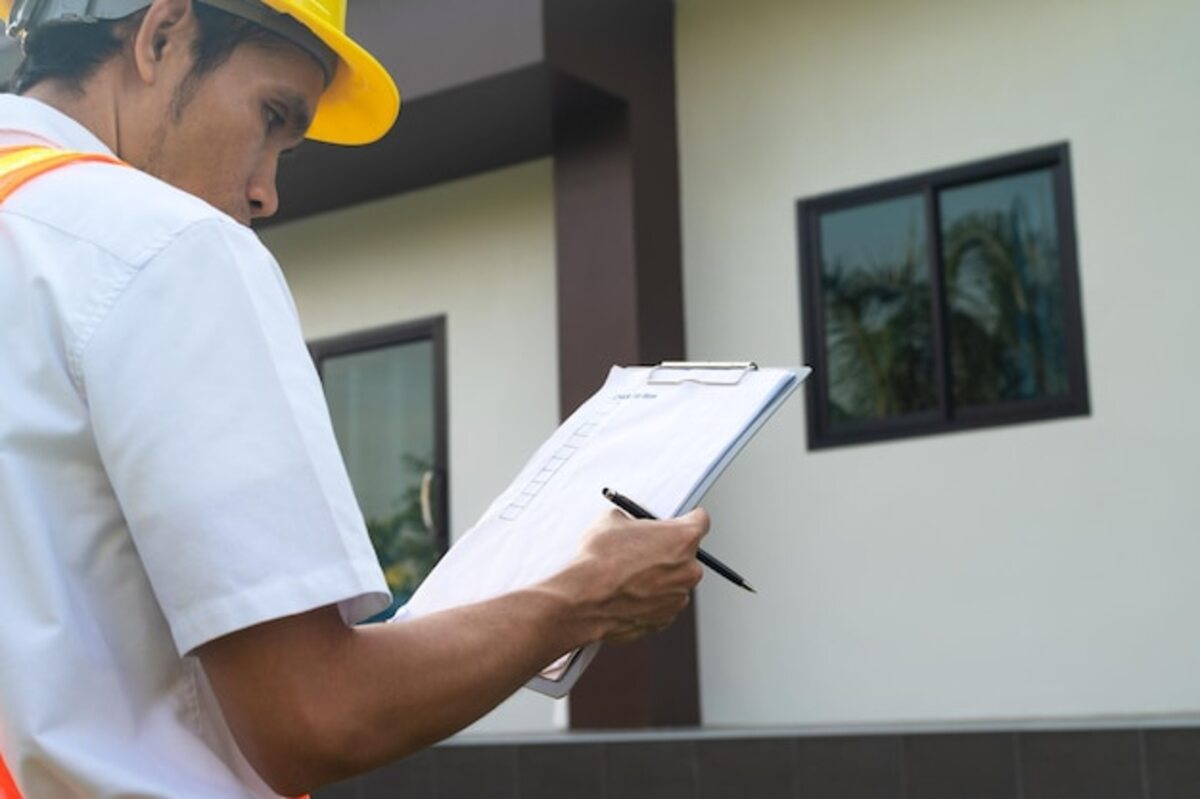
Buying a home is a crucial step that goes beyond choosing the best location; it involves anticipating potential issues. In this article, we will explore how anticipation in home buying, especially through a proper technical inspection, not only enhances your safety but also provides peace of mind throughout the process. Get ready to discover how making informed decisions can protect your investment and ensure that your new home is truly the sanctuary you desire.
The importance of technical inspection in the purchasing process
The technical inspection is an essential stage in the process of purchasing a home, as it allows for the identification of possible structural defects and hidden problems that could compromise the safety and habitability of the property. By conducting a thorough evaluation of the property, buyers can gain a clear understanding of the actual condition of the home. This not only helps prevent unpleasant surprises after the purchase but also provides a solid foundation for negotiating the price or requesting repairs before closing the deal. In this way, it becomes a crucial step to ensure that your investment is safe and viable in the long term.
Additionally, having a detailed technical report provides peace of mind to buyers by offering clear information about the property's condition. Knowing that aspects such as the electrical installation, plumbing, heating, and air conditioning systems, among others, have been reviewed builds confidence in the decision made. The foresight provided by this inspection not only protects your financial investment but also ensures that your new home will be a comfortable and safe space where you can build memories without worrying about unforeseen issues. In this sense, investing in a technical inspection is undoubtedly a smart decision that reinforces your personal and property security when purchasing a home.
Advertisements
What to expect during a technical inspection?
During a technical inspection, you can expect a thorough analysis of the property by a trained professional. This process includes the review of essential aspects such as the building's structure, the electrical system, plumbing, and interior and exterior finishes. The inspector will use specialized tools to detect hidden problems that may not be obvious at first glance, which will allow you to have a clear understanding of the actual condition of the home before making the purchase. This evaluation not only identifies necessary repairs but can also prevent costly surprises in the future.
Additionally, it is essential to be prepared to receive a detailed report after the inspection, where all observations and recommendations will be documented. This report will help you better understand any potential issues and make more informed decisions about whether to proceed with the purchase or negotiate repairs with the seller. By anticipating these details through a technical inspection, you not only protect your investment but also ensure that your new home meets your expectations and needs. The peace of mind that comes from knowing the actual condition of your future home is invaluable on the journey to making it your ideal refuge.
How to identify hidden problems before buying
Identifying hidden issues in a home before making a purchase is essential to avoid unpleasant surprises and unexpected costs in the future. To do this, it is advisable to hire a professional inspector who can conduct a thorough evaluation of the property. This type of inspection not only focuses on visible aspects such as the condition of the walls or the roof, but also examines electrical systems, plumbing, and other critical components that may be failing. By having a detailed report on the overall condition of the home, buyers can make more informed decisions and negotiate repairs with the seller if issues are detected.
In addition to the technical inspection, there are other signs that buyers can look for themselves during property visits. Paying attention to details such as damp stains on the walls, unusual odors, or doors and windows that do not close properly can provide clues about larger issues. It is also helpful to investigate the property's history; consulting with neighbors or checking public records could reveal valuable information about previous repairs or adverse events in the area. With this information at hand, you will be better prepared to face any potential inconveniences, ensuring that your new home is a safe and comfortable place for you and your family.
Economic advantages of conducting a pre-inspection
Conducting a pre-purchase inspection of a home may seem like an additional expense in the process, but it actually represents a smart investment that can generate significant savings in the long run. Identifying structural or system issues, such as plumbing and electrical problems, before finalizing the purchase allows the buyer to negotiate with the seller for necessary repairs or to adjust the sale price. This way, it avoids facing unexpected expenses once the transaction has been closed, which can destabilize the finances of the new owner.
In addition to preventing unexpected costs, a proper inspection also provides greater insight into the overall condition of the property. This not only facilitates more informed decision-making but also helps in planning future maintenance and improvement expenses. With a clear diagnosis, homeowners can prioritize their investments in the home and avoid unnecessary outlays on emergency repairs. Ultimately, anticipating through a technical inspection not only protects your initial investment but also ensures more efficient financial management in the years following the purchase.
Common mistakes when omitting anticipation in purchasing
One of the most common mistakes when neglecting anticipation in home buying is underestimating the total acquisition cost. Many people focus solely on the property price, forgetting that there are multiple additional expenses that may arise, such as taxes, insurance, and maintenance costs. This lack of foresight can lead to unpleasant surprises once the property has been acquired, thus limiting the chances of fully enjoying the new home. By anticipating these costs from the outset, you can better plan your budget and avoid future financial stress.
Another common mistake is not conducting a proper technical inspection before closing the deal. Ignoring this critical step can result in acquiring a property with structural issues or faulty systems that could require costly repairs in the short term. Being proactive allows you to identify these inconveniences before purchasing, which not only protects your investment but also provides the opportunity to negotiate a better price or even back out if the problems are too severe. Ultimately, taking the necessary time to research and evaluate every aspect of the property ensures that your decision is informed and beneficial in the long run.
Testimonials: Real stories about the difference a good inspection makes.
Testimonials from those who have gone through the home buying process highlight the importance of conducting a proper inspection before finalizing the transaction. For example, María and Luis, a young couple who decided to buy their first home, shared how the inspection revealed hidden problems in the electrical system that could have jeopardized their safety. Thanks to this prior evaluation, they were able to negotiate with the seller to make the necessary repairs before moving in, which not only saved them money in the long run but also provided them with the peace of mind of knowing that their new home was safe and functional. This type of experience underscores how a good inspection can make the difference between a dream come true and a potential disaster.
Another shocking testimony comes from Javier, who bought a house without conducting a thorough inspection. After moving in, he discovered leaks in the basement and structural issues that he had never noticed during the initial visits. The frustration and unexpected costs led him to reflect on his decision: if he had prioritized a technical inspection, he could have avoided many inconveniences. Stories like these highlight how anticipating problems through a good inspection not only protects your financial investment but also ensures that your new home is a place where you can fully enjoy each day without unnecessary worries.
Essential checklist for buyers: What to check?
When buying a home, having an essential checklist can make the difference between a secure investment and an unfortunate decision. Start by reviewing the property's structure: look for cracks in the walls, moisture in the ceilings, and the general condition of the foundations. These details can provide clues about serious issues that could require costly repairs in the future. Additionally, don't forget to inspect the electrical and plumbing systems; check that all switches work properly and that there are no leaks in the pipes. Good technical advice at this stage can prevent unpleasant surprises later on.
The location also plays a crucial role in your checklist, so it is advisable to research the surrounding area. Evaluate access to essential services such as schools, hospitals, and public transportation. The safety of the neighborhood should be a priority; check crime statistics and talk to potential neighbors for valuable information about the community. Additionally, consider factors such as the long-term appreciation potential of the area. By following this methodical approach in your checklist, you will not only be able to make more informed decisions, but you will also feel more confident when closing the purchase deal, thus ensuring that your new home is truly a cozy and safe haven.
The relationship between anticipation and the long-term value of your home
Anticipation in home buying goes beyond avoiding unpleasant surprises; it also translates into significant long-term value for your property. By identifying and addressing potential issues before making the purchase, such as structural damage or imminent maintenance needs, you not only protect your initial investment but also ensure a more stable appreciation of your home's value. This proactive approach allows buyers to not only avoid unexpected expenses in the future but also to negotiate more effectively on the home price, thereby increasing their long-term profitability.
Additionally, a well-maintained and cared-for home is much more likely to retain its value and even increase it over time. Anticipation allows you to plan necessary improvements and renovations that can transform your home into a more appealing space for both you and future buyers. This means that every informed decision you make not only enhances your immediate quality of life but also establishes a solid economic foundation for the future, turning your home into a valuable asset within your family wealth.
Practical tips for choosing a reliable technical inspector
When choosing a technical inspector for your future home, it is essential to ensure that they are a trustworthy person with the necessary experience. A good first step is to research their credentials and certifications, as this can give you a clear idea of their training and professional capability. Look for inspectors who are affiliated with recognized associations in the industry, as this can be an indicator of their commitment to ethical and professional standards. Additionally, do not hesitate to request references or testimonials from previous clients; these opinions can provide you with valuable insight into the quality of service you can expect.
Another key aspect to consider is transparency in the inspection process. A reliable technical inspector should be willing to explain each aspect of the evaluation in detail and answer all your questions without reservations. It is advisable to attend the inspection in person to observe the work done and receive real-time recommendations on any relevant aspects of the property. Finally, compare prices among different inspectors to ensure you are getting good value for your money, but remember that the cheapest option is not always the best. Taking the necessary time to select the right inspector will allow you to anticipate potential issues and secure your investment in the dream home.
Advertisements
More in Technical Inspection

Buying Process, Technical Inspection
How local consulting can enrich your home buying experience
Buying Process, Technical Inspection
Aspects to consider for a safe and reliable home purchase

Buying Process, Technical Inspection
Keys to Understanding the Impact of Inspection on Your Home
Buying Process, Technical Inspection
How pre-planning ensures a successful home purchase
Most viewed in Buying Process
Buying Process, Legal Verification
Fundamental Aspects to Ensure Your Real Estate Purchase
Buying Process, Legal Verification
Legal Aspects That Boost Your Confidence When Buying Properties
Buying Process, Advice
Tips for choosing the ideal property without complications

Buying Process, Common Mistakes
Mistakes That Can Frustrate Your Purchase in La Fortuna