
How pre-planning ensures a successful home purchase
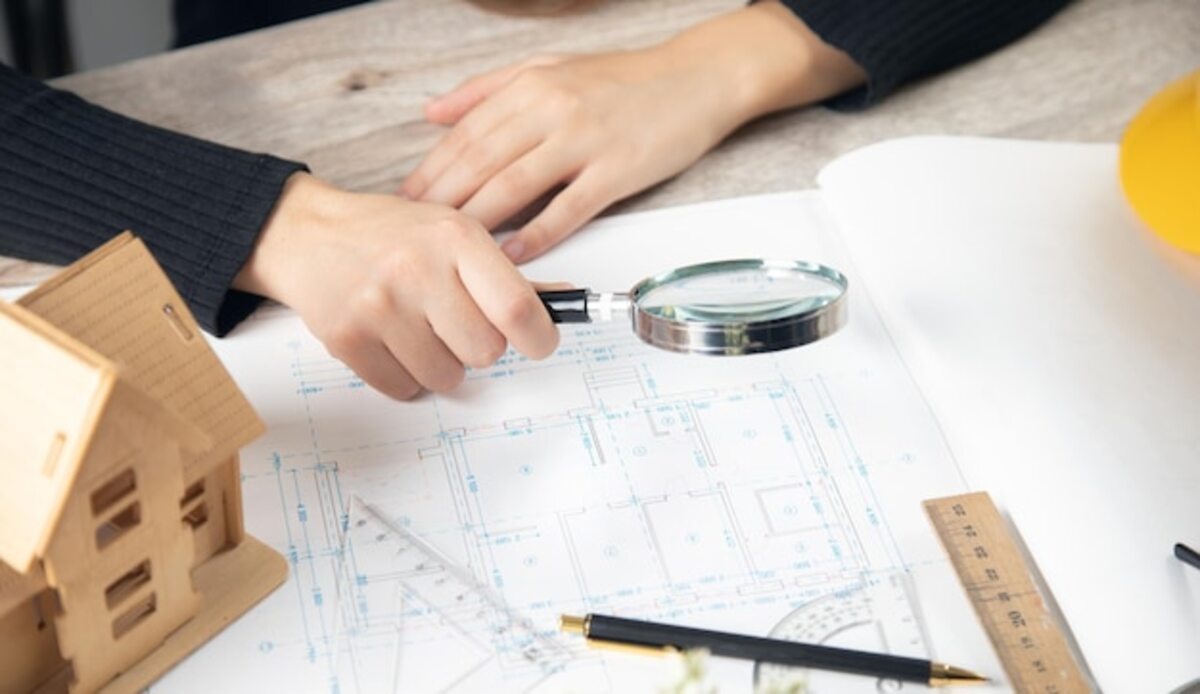
Pre-purchase planning is key to ensuring a successful home buying experience. By approaching the technical inspection meticulously, buyers can identify potential issues and avoid unpleasant surprises in the future. This article will guide you through the essential steps to take before making your purchase, ensuring that every decision is backed by solid and professional information. Get ready to discover how good preparation transforms your buying experience into a smooth and secure process.
Importance of Technical Inspection in Home Purchase
The technical inspection is a crucial component in the home buying process, as it allows buyers to gain a clear understanding of the actual condition of the property. During this evaluation, fundamental aspects such as the structure, electrical and plumbing systems, as well as any signs of deterioration or hidden damage, are examined. By detecting potential issues early on, buyers can not only negotiate the price better but also avoid unexpected expenses on future repairs that could significantly impact their budget and quality of life.
Additionally, having a detailed technical report provides peace of mind and confidence in the purchasing decision. This document acts as a valuable tool for making informed choices, allowing future homeowners to understand the long-term implications of their investment. A good technical inspection can even reveal whether a property is suitable for the buyer's specific needs, ensuring that a choice is made that aligns with their expectations and lifestyle. In summary, the importance of this inspection lies in its ability to transform what could be a stressful process into a safer and more satisfying experience.
Advertisements
Steps Before the Inspection: What Should You Do?
Before conducting a technical inspection of the property you wish to buy, it is essential to carry out a series of preparatory steps that ensure a more effective evaluation. First, thoroughly research the real estate market in the area where the property is located. Knowing the average prices, neighborhood trends, and typical characteristics of houses in that area will provide a clear context to identify if the property meets expectations and if its price is fair. Do not spare time analyzing details such as the sales history and changes in the community, as this directly influences the long-term value of your investment.
Once you have a clear idea of the market, it is crucial to define your own needs and priorities before the inspection. Make a detailed list of essential aspects you are looking for in a home, such as the number of bedrooms, outdoor space, or proximity to essential services. This list will not only help you stay focused during the visit but also facilitate the identification of potential issues that could affect your final decision. Additionally, consider hiring a professional inspector with good references; their experience will be invaluable in detecting technical issues that you might overlook. By being well-prepared before the inspection, you will be better positioned to ask relevant questions and make informed decisions about your future home.
How to Choose the Right Inspector: Practical Tips
When choosing the right inspector for your future home, it is essential to research and consider various options. Start by asking for recommendations from friends, family, or real estate agents who have had positive experiences with inspectors in the past. Additionally, do not hesitate to check online reviews and verify the credentials of the inspectors you are considering. Ensure that they have professional certifications and specific experience in the type of property you wish to acquire, as this can make a significant difference in the quality of the inspection.
Once you have a list of potential inspectors, schedule interviews or calls to discuss their services and working methods. During these conversations, ask questions about their approach to inspection, what aspects they consider most critical, and how they communicate their findings. It is important to choose someone who not only has a keen eye for detail but also an effective ability to explain any potential issues and their implications. The key is to find an inspector with whom you feel comfortable communicating and whose experience supports your purchasing decision.
Key Aspects You Should Review During the Inspection
During the inspection of a property, there are several key aspects that buyers must consider to ensure their investment is sound. First, it is crucial to examine the structure of the property, paying special attention to any cracks in the walls and the condition of the foundations. These elements are fundamental to the stability of the house, and any visible damage could indicate more serious problems that will require costly repairs in the future. Additionally, we must not overlook the roof; checking its condition can prevent leaks and other weather-related issues.
Another important aspect to review is the electrical and plumbing systems. Ensuring that the installations comply with current regulations not only guarantees safety but also prevents unexpected expenses due to necessary repairs or upgrades. This includes checking the functionality of outlets, switches, and faucets, as well as ensuring there are no leaks or blockages. Finally, it is advisable to evaluate the heating and cooling system; poor maintenance can result in high bills or even the need to replace entire units shortly after purchase. With a thorough focus on these key aspects, buyers can feel more confident and satisfied with their final decision.
Interpretation of Results: What to Do If You Encounter Problems?
The interpretation of the results of a technical inspection is a crucial step in the home buying process. If you find issues, the first thing you should do is assess the severity and potential cost of the necessary repairs. Some problems may be minor and easily fixable, while others could significantly affect the structure or habitability of the home. It is advisable to seek the opinion of professionals, such as home inspectors or contractors, who will provide you with detailed information about the current condition of the property and the long-term implications of any required repairs. Having clarity on these aspects will allow you to make more informed decisions.
Once you have identified the issues and understood their impact, you should consider your options. If the inconveniences are minor, you might choose to negotiate the sale price or request that repairs be made before closing. However, if you discover serious defects, it may be wise to reconsider your purchase or look for alternatives in the market. Remember that each situation is unique; the important thing is not to rush into decisions without exploring all possibilities and consulting with experts in the field. By approaching these challenges calmly and prepared, you will be better positioned to secure a successful and satisfactory purchase.
The Post-Inspection Negotiation: Effective Strategies
Post-inspection negotiation is a crucial step that can determine the success of purchasing a home. After conducting the technical inspection, buyers must be prepared to use the information obtained as a powerful tool in negotiations. It is essential to address any identified issues with a constructive and professional approach. For example, if minor or major defects were found, it is advisable to present a detailed report to the seller and discuss how these problems affect the property's value. This not only demonstrates that the buyer is well-informed but can also open the door to renegotiate the price or request repairs before closing. Moreover, it is important to maintain a flexible attitude during the negotiation. Sellers often have their own interests and motivations, so being understanding and seeking mutually beneficial solutions can facilitate a more favorable agreement. Offering options such as a reduction in the purchase price or requesting credits for repairs are effective tactics that can help mitigate the inconveniences discovered during the inspection. Ultimately, a solid negotiation strategy will not only protect your initial investment but also establish a positive relationship with the seller, creating an environment conducive to a successful closing.
Hidden Costs: What You Shouldn't Overlook
When it comes to buying a home, it is crucial not only to focus on the sale price but also on the hidden costs that may arise throughout the process. These additional expenses can include closing fees, insurance, taxes, and maintenance costs that often go unnoticed during the initial stage. Ignoring these factors can lead to unpleasant surprises and an unexpected financial burden. Therefore, it is essential to conduct a thorough assessment of all potential costs associated with the property before closing the deal.
Additionally, considering hidden costs involves analyzing the overall condition of the home and its facilities. For example, while a property may seem perfect at first glance, there could be structural or electrical issues that require immediate attention and represent a significant investment. Prior planning should include hiring experts for detailed inspections, who can help identify these problematic areas. In this way, you can ensure that your purchase is not only financially viable at the present moment but also sustainable in the long term.
Maintaining Communication with the Seller During the Process
Maintaining open and constant communication with the seller throughout the buying process is essential to ensure a successful transaction. From the first contact, it is crucial to establish a channel of dialogue that allows for clarifying doubts, discussing terms, and addressing any concerns that may arise. Good communication not only facilitates the understanding of the terms of the agreement but also helps build trust between both parties, which is crucial in such a significant investment as acquiring a home. Do not hesitate to ask questions about specific aspects of the property, such as its previous maintenance or the reasons behind the sale; this information can be invaluable.
Additionally, maintaining that communicative flow throughout the negotiation can offer unexpected advantages. For example, if issues arise during the technical inspection or if necessary repairs are identified, communicating with the seller will allow you to discuss possible solutions or adjustments in price. Being proactive in addressing these topics can not only prevent misunderstandings later on but can also lead to reaching more favorable agreements for you as the buyer. In summary, by prioritizing good communication with the seller, you will be better prepared to make informed and confident decisions that will contribute to the overall success of your purchase.
Necessary Documentation for a Complete Report
To carry out a complete report on the property you wish to acquire, it is essential to have the necessary documentation. This includes, among other aspects, the title of ownership, which verifies the legitimacy of the seller and ensures that there are no liens on the property. It is also crucial to obtain the history of tax and utility payments, as well as the architectural plans if available. These documents provide a clear view of the legal and physical status of the property, allowing you to make informed decisions.
Additionally, you must not overlook the importance of technical reports prepared by qualified professionals. These documents may include structural inspections, electrical assessments, and reviews of drainage or heating systems. Having access to these reports will allow you to identify potential hidden issues that could lead to unexpected expenses in the future. Once all this information is gathered, you will be able to create a comprehensive report that not only supports your purchasing decision but also provides you with greater peace of mind throughout the process.
Preparing for the Future: Preventive Maintenance after Purchase
Preventive maintenance is a crucial aspect that is often overlooked after purchasing a home. Once you have found your dream home and closed the deal, it is essential to establish a regular maintenance plan that ensures the longevity and good condition of your property. This includes periodic inspections of the electrical system, plumbing, roofs, and appliances. A proactive approach will not only help you identify emerging problems before they become significant expenses but will also increase the overall value of your investment by keeping it in optimal condition.
Additionally, educating yourself about the specific materials and systems in your home can be a powerful tool in your arsenal as a homeowner. Understanding the particulars of your residence will allow you to anticipate future needs and perform minor repairs yourself, which not only saves money but also gives you a greater connection to your space. Investing time in learning about proper maintenance and scheduling regular check-ups is a smart step towards protecting your investment and ensuring that your home remains a comfortable and safe place for you and your family over time.
Advertisements
More in Technical Inspection

Buying Process, Technical Inspection
How local consulting can enrich your home buying experience
Buying Process, Technical Inspection
Aspects to consider for a safe and reliable home purchase

Buying Process, Technical Inspection
Keys to Understanding the Impact of Inspection on Your Home

Buying Process, Technical Inspection
Aspects that strengthen your confidence in buying a home
Most viewed in Buying Process
Buying Process, Legal Verification
Fundamental Aspects to Ensure Your Real Estate Purchase
Buying Process, Legal Verification
Legal Aspects That Boost Your Confidence When Buying Properties
Buying Process, Advice
Tips for choosing the ideal property without complications

Buying Process, Common Mistakes
Mistakes That Can Frustrate Your Purchase in La Fortuna