
Crucial aspects to maintain security in your new home
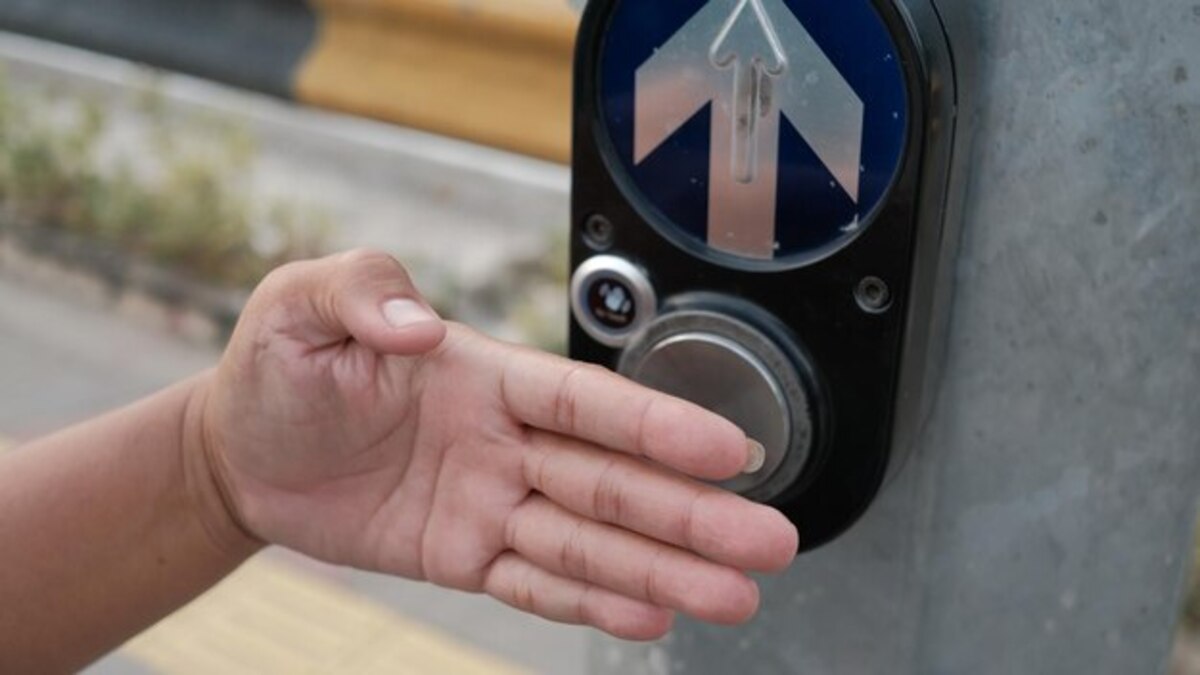
Maintaining security in your new home is essential for enjoying the peace of mind you deserve. From choosing the right locks to installing surveillance systems, every detail matters in creating a safe and welcoming environment. In this article, we will explore crucial aspects that will help you protect your space and truly feel at home. Get ready to learn how to implement effective measures that will safeguard your well-being and that of your loved ones.
The importance of a good lock: What to look for?
A good lock is the first line of defense in the security of your home. When selecting a lock, it is crucial to consider its type and level of resistance. Cylinder locks, for example, are popular for their ease of use and variety, but you should opt for those that have recognized security certifications. Additionally, multipoint locks offer extra protection by locking at several points along the door frame, making unauthorized access more difficult. Researching security ratings and the materials used in manufacturing will help you make informed decisions.
Another important aspect to consider is the locking system. Many modern models include features such as smart keys or electronic systems that allow for greater control over access to your home. These systems can offer additional functions like temporary codes for visitors or real-time alerts if a lock tampering attempt is detected. Make sure to also check the installation: a poorly placed lock can be as vulnerable as none. Opting for professional services for installation can ensure that each component functions correctly and effectively contributes to the overall security of your new home.
Advertisements
Alarm systems: Are they really necessary?
Alarm systems have become a central element in the discussion about home security. Their presence not only acts as a deterrent against potential intruders but also offers a sense of protection for both homeowners and their families. When considering the installation of these systems, it is important to evaluate the different options available, from basic alarms to more advanced solutions that integrate smart technology and remote monitoring. These devices can instantly alert you to any suspicious activity, which can be crucial for preventing thefts and other incidents.
However, the debate about whether they are truly necessary depends on various factors, including the location of your home and the level of risk in your area. In neighborhoods with high crime rates, an alarm system may be seen as an essential investment compared to safer areas where it may not be as much of a priority. Additionally, it is crucial to consider the cost versus the benefits; while some options may seem expensive initially, the peace of mind they provide and their ability to protect your belongings and loved ones often justify the investment. Ultimately, choosing the right system translates to greater security and peace of mind to fully enjoy your new home.
Outdoor lighting: How to deter intruders with light.
Exterior lighting plays a vital role in the safety of your home, as good visibility can deter potential intruders. Installing lights in strategic locations, such as entrances, walkways, and dark areas of the garden, not only enhances the aesthetics of your property but also creates a less welcoming environment for those with malicious intentions. Consider using LED lights with motion sensors that automatically turn on when activity is detected. This not only saves energy but also startles any unwanted visitors by suddenly illuminating the area.
In addition to sensor lights, it is advisable to use programmed lighting or timers to simulate presence at home when you are away. This technique gives the impression that someone is inside, which can be an effective deterrent against burglaries. You can also opt for smart lighting systems that allow you to control the lights from your mobile device; this way, you can turn them on or off remotely, maintaining an active appearance in your home even when you are absent. Implementing these measures not only increases security but also provides a reassuring feeling knowing that you have taken proactive steps to protect what you value most.
Secure windows: Recommended types of glass and locks.
To ensure the safety of your home, it is essential to pay attention to the windows, which are one of the most vulnerable entry points for intruders. The choice of glass type is fundamental in this regard. Opting for laminated or tempered glass can offer greater resistance to impacts and breakage. Laminated glass, composed of several layers bonded by an interlayer, is not only harder to break but also remains attached to the frame in the event of fracture. On the other hand, tempered glass is thermally treated to increase its strength and, if it breaks, it shatters into small, less dangerous fragments. These options are ideal for those seeking a balance between aesthetics and security.
In addition to the type of glass, the hardware plays a crucial role in the security of windows. High-quality fittings not only ensure that the windows operate correctly but also make it difficult for any attempts at tampering or forced entry. It is recommended to choose hardware with anti-theft systems and multi-point locks that engage at several points of the frame when closed. This provides greater protection against intrusion attempts and ensures that your windows remain well sealed against both weather and potential external threats. By combining secure glass with robust hardware, you will be taking a significant step towards creating a safe environment in your new home.
Keeping the garden safe: Public spaces and privacy.
Maintaining the security of your garden is an often underestimated aspect of protecting your home, especially when it comes to balancing public spaces and the privacy you desire for your family. A well-designed garden not only enhances your property but can also serve as a natural barrier against intruders. Dense plants, tall hedges, and strategically placed fences can deter unwanted individuals by making access difficult and providing a sense of privacy. Ensure that any entrance to the garden is well-lit and consider installing surveillance cameras or motion sensors to further enhance security.
It is also crucial to consider how the design of your garden affects visibility from the inside and out. Elements like tall shrubs or ornamental structures can become blind spots that provide cover for intruders. Therefore, choose careful planning where visible areas are clear and easily overseen from the main windows of your home. This will not only enhance security but also allow you to enjoy the outdoor space with greater peace of mind, knowing that you have taken effective measures to protect both your privacy and the integrity of your property.
Neighborhood safety: Creating a watchful community.
Neighborhood security is a vital component in protecting your home and, in turn, strengthening the sense of community. By fostering an atmosphere of shared vigilance among neighbors, an environment is created where everyone feels responsible and committed to collective safety. Organizing community meetings to discuss security concerns, share experiences, and establish an effective communication system can be the first step in building stronger relationships. Involving community members not only helps prevent crime but also promotes a friendly and collaborative atmosphere.
Additionally, implementing initiatives like neighborhood patrols or social media groups can be highly effective. These groups allow neighbors to stay informed about suspicious activities and alert each other to any eventuality. It is also advisable to establish ties with local authorities; maintaining a good relationship with the police can facilitate a quick response to incidents and promote community crime prevention programs. Ultimately, creating a vigilant community not only increases individual security but also transforms the neighborhood into a much more united and safe place for all its residents.
Technology at the service of your home: Smart devices that protect.
Technology has revolutionized the way we protect our homes, offering innovative solutions that adapt to our daily needs. From smart security cameras that allow you to monitor your home in real-time from anywhere, to video doorbells that inform you who is at the door before you open it. These devices not only provide an additional layer of security, but also offer convenience and peace of mind, allowing you to stay aware of what happens in your home, even when you are away. Integrating these technologies can be a crucial step in ensuring a safe environment.
In addition to video surveillance, alarm systems connected to mobile applications provide instant notifications for any suspicious activity. Smart locks are another notable option; they allow access control through smartphones or temporary codes, eliminating the need for physical keys and reducing the risk of intrusions. Implementing these devices not only reinforces the physical security of the home but also promotes a greater sense of control over your personal space. By combining advanced technology with traditional measures, you can create a comprehensive security system tailored to your specific needs.
Daily habits to strengthen home security.
To strengthen the security of your home, it is essential to adopt daily habits that become part of your routine. One of the most important is checking the doors and windows when leaving or at the end of the day. Make sure that all access points are properly closed and, if possible, use additional devices such as locks or latches that provide an extra level of protection. Additionally, consider implementing a regular schedule to check the functionality of your alarm systems and security cameras, ensuring their operability at all times.
Another crucial habit is to maintain good outdoor lighting. Well-lit areas deter potential intruders, so make sure that entrances, walkways, and gardens are equipped with motion-activated lights or timers. Additionally, encourage communication with your neighbors; being aware of the surroundings and maintaining a friendly relationship can make everyone more alert to any suspicious activity. Finally, never underestimate the power of sharing information about preventive measures with friends and family: raising awareness about the importance of home security can be essential for protecting not only your space but also the collective well-being of the neighborhood.
Advertisements
More in Basic Maintenance
Home, Basic Maintenance
Key aspects for a smooth move to your new home
Home, Basic Maintenance
Tips for assessing the durability of your new home in Costa Rica
Home, Basic Maintenance
Essential maintenance to maximize the security of your new home

Home, Basic Maintenance
Key aspects to choose a home that protects your investment
Most viewed in Home

Home, Furniture
Furniture that promotes the art of rest and disconnection

Home, Furniture
How to select furniture that reinforces your investment in Costa Rica
Home, Essential Appliances
Appliances that ensure functionality and style in your home
Home, Security and Technology
Early warning systems for smart home security