
Key aspects to choose a home that protects your investment

Choosing a home is not just a matter of taste, but a decision that can profoundly impact your long-term investment. In this article, we will explore the key aspects you should consider to ensure that your home becomes a safe and profitable refuge. From location to basic maintenance, every detail matters. You will learn to make informed decisions that will not only protect your assets but also provide you with peace of mind and comfort in your daily life. Let’s discover how to choose wisely!
The importance of location in home valuation
Location is one of the most determining factors in the valuation of a home. A property situated in an area with good infrastructure, access to basic services such as public transportation, schools, hospitals, and recreational areas tends to maintain or increase its value over time. It's not just about the convenience of living close to these services, but also the appeal it represents for future buyers or renters. Emerging areas can offer interesting opportunities, but it's essential to research the potential for growth and urban development before settling on a specific location.
Additionally, the safety and quality of the neighborhood are crucial aspects to consider when evaluating the location. Areas with low crime rates and an active community tend to be more appealing to those looking to buy or rent properties. This not only protects your investment by ensuring greater demand, but also contributes to your daily well-being and that of your family. In summary, wisely choosing the location can make the difference between a home that appreciates in value over time and one that becomes a financial burden.
Advertisements
Structural condition assessment: What to look for?
When evaluating the structural condition of a property, it is essential to pay attention to several key aspects that can affect both the safety and long-term value of the home. Start by inspecting the foundations, as any signs of cracking or settlement can indicate more significant issues. Additionally, check the walls and ceilings for cracks, moisture, or stains, which could signal leaks or underlying structural problems. Do not forget to review the electrical and plumbing systems; these systems are essential for the daily functioning of the home, and their deterioration could lead to unexpected repair costs.
Another crucial aspect is the roof. A damaged roof not only compromises the integrity of the property but can also be costly if extensive repairs or a complete replacement are needed. Make sure to check the age of the roofing material and any visible signs of wear. Also, pay attention to the ventilation and insulation systems, as proper air circulation and good thermal insulation not only ensure comfort but can also affect your energy bills over time. Conducting a thorough assessment of the structural condition will allow you to make more informed decisions and protect your investment from unpleasant surprises in the future.
Preventive maintenance: Key to preserving value
Preventive maintenance is one of the most effective strategies to preserve the value of your home over time. Conducting regular inspections and addressing small issues before they turn into major repairs not only extends the lifespan of the home's components but also helps avoid unexpected expenses. From regular inspections of the roof and electrical systems to plumbing maintenance, every preventive action has a significant impact on the structural and functional integrity of your residence. A well-maintained home is not only more pleasant to live in but also appreciates in value over time.
Additionally, keeping a detailed record of all maintenance tasks performed can be invaluable when the time comes to sell your house. Potential buyers often value properties that have been well maintained, as this gives them confidence in its overall condition and reduces uncertainty regarding future investments in repairs. Investing time and resources in preventive maintenance not only protects your initial investment but also helps create a comfortable and safe environment for you and your family. Therefore, making maintenance a priority is a smart decision that will benefit both your quality of life and the economic value of your home in the long term.
Hidden costs: Expenses associated with home maintenance
When considering the purchase of a home, it is essential to take into account the hidden costs that may arise over time. Beyond the purchase price and mortgage rates, there are expenses associated with maintenance that can significantly impact your investment. For example, regular maintenance of systems such as plumbing, electricity, and the HVAC system (heating, ventilation, and air conditioning) can incur considerable costs if not planned properly. Additionally, do not forget the costs related to unexpected repairs or emergencies that may arise, such as damage caused by leaks or structural issues.
Another aspect to consider is the fees associated with basic services and local taxes, which can vary drastically depending on the location. Contributions for the maintenance of common areas in residential communities or condominiums also add to the overall expenses. Lack of foresight in these aspects can lead to unpleasant surprises that impact your family budget. Therefore, it is advisable to conduct thorough research on additional costs before making a final decision on the purchase of your home; this way, you can ensure that your investment is truly sustainable and beneficial in the long term.
Impact of electrical installations and plumbing on investment
Electrical and plumbing installations are two of the most critical aspects to consider when evaluating a home. An outdated or poorly designed electrical system can not only lead to a significant increase in energy bills but can also pose a fire risk. Additionally, repairs to upgrade or replace these installations can be costly and disruptive. When investing in a home, it's essential to ensure that these infrastructures are in good condition and comply with current regulations. A thorough inspection by a professional can save you from unpleasant surprises and protect your long-term investment.
On the other hand, plumbing is equally essential; issues like leaks or corroded pipes not only affect the quality of water but can also damage the structure of the home over time. Plumbing-related repairs can be extensive and costly if not addressed in a timely manner. Therefore, when choosing a property, it is advisable to check the condition of these installations and consider their regular maintenance as part of the expenses associated with the home. Investing in a property with well-maintained systems will provide you with peace of mind and prevent your investment from being impacted by hidden issues that may arise later.
Outdoor spaces: A plus for the value of your property
Outdoor spaces are one of the most valued features by buyers when purchasing a property. A well-maintained garden, a terrace, or a patio can be considered extensions of the home that offer opportunities for recreation and relaxation. Additionally, these spaces allow for outdoor activities, which has become even more relevant in recent times. Investing in a home with suitable outdoor areas not only enhances the quality of life of its inhabitants but also increases the overall appeal of the property, making it more desirable in the real estate market.
Another important aspect to consider is that outdoor spaces can significantly increase the resale value of your home. Properties with landscaped gardens or recreational areas tend to have a higher price compared to those lacking these features. Additionally, the ability to customize these spaces can be a great appeal for future buyers, as it allows them to envision how they could tailor the environment to their tastes and needs. In summary, having well-designed and maintained outdoor spaces not only enhances your current quality of life but also serves as a strong strategy to protect and increase your long-term investment.
Energy efficiency: Savings and enhancement of the home
Energy efficiency has become an essential criterion when choosing a home, not only for its environmental impact but also for the economic benefits it brings. A home designed with energy-efficient features, such as efficient heating and cooling systems, proper insulation, and double-glazed windows, can significantly reduce utility bills. This translates into consistent savings that can free up resources for other investments or family expenses. Additionally, properties that incorporate sustainable technologies often have higher demand in the real estate market, which increases their long-term value.
Incorporating energy-efficient elements not only enhances the quality of life for occupants but also positions the property as an attractive option for future buyers. In an increasingly climate-conscious and sustainable world, having an energy-efficient home can be a significant differentiator when it comes to selling or renting. At the end of the day, investing in energy efficiency is investing in the future: you not only protect your current asset but also ensure that you have a property that will remain relevant and valuable over time.
Security and its effect on the perception of property value
Safety is a fundamental aspect that influences not only the quality of life of residents but also the perceived value of a property. A safe environment boosts the confidence of potential buyers and renters, which can lead to a faster appreciation of the property. Statistics have shown that properties located in safe neighborhoods tend to maintain or increase their value over time, while those situated in problematic areas may face depreciation. Therefore, when choosing a home, it is essential to research the local crime rate and the security measures implemented by the community.
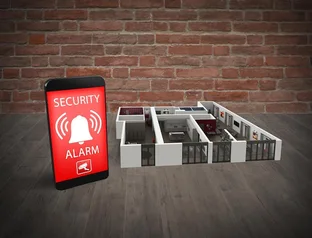
Moreover, security features within the home also play a crucial role in how a property is valued. Elements such as advanced alarm systems, surveillance cameras, and reinforced locks not only provide a protected environment for the inhabitants but also add tangible value to the home. Buyers are often willing to invest more in homes that offer them peace of mind and protection against potential risks. In this sense, prioritizing security not only enhances your daily quality of life but also becomes a smart strategy to safeguard your long-term investment.
Local regulations and their influence on home maintenance
Local regulations play a crucial role in home maintenance and can significantly influence its long-term value. These regulations encompass everything from building codes and zoning to rules regarding electrical installations, plumbing, and structural safety. It is essential for homeowners to familiarize themselves with these regulations before making purchases or renovations, as non-compliance could result in financial penalties or the obligation to undertake costly repairs. Furthermore, a home that complies with all regulations is not only safer but can also provide greater peace of mind when it comes time to resell. Additionally, local regulations can affect preventive maintenance of the home. For example, some areas require periodic inspections to ensure that heating and air conditioning systems operate correctly and meet specific environmental standards. Ignoring these requirements can not only jeopardize the health and safety of the residents but also negatively impact the property's resale value. By considering these regulations from the outset, homeowners can anticipate future expenses and make more informed decisions that will protect their investment in the long term.
In summary, being aware of local regulations is essential for any owner who wants to keep their home in optimal condition. It's not just about complying with the law; it's a smart strategy to safeguard your investment. With a proactive approach to regulatory compliance, you can ensure that your home is not only a comfortable place to live but also a valuable asset in your financial portfolio.
Added value: Strategic renovations to increase your investment
Strategic renovations are one of the most effective ways to increase the value of your home and, therefore, your investment. When considering which improvements to make, it is essential to focus on those that not only beautify the space but also enhance its functionality and efficiency. Upgrades in key areas such as the kitchen, bathrooms, or even improving the electrical system can yield a significant return on investment. Additionally, opting for sustainable solutions, such as installing solar panels or rainwater collection systems, not only reduces long-term costs but also appeals to an increasingly environmentally conscious market.
Equally important is the exterior presentation; a well-maintained garden or an attractive facade can work wonders to enhance the visual appeal and perceived value of your property. The key is to undertake renovations that align with local market trends and potential buyers' expectations. Before embarking on any major project, consider consulting a professional who can provide you with an objective perspective on which projects will truly add value to your home. With a clear strategy and informed decisions regarding renovations, you can ensure that your home is not only a place to enjoy the present but also a solid investment for the future.
Advertisements
More in Basic Maintenance

Home, Basic Maintenance
Key aspects for a smooth move to your new home
Home, Basic Maintenance
Tips for assessing the durability of your new home in Costa Rica
Home, Basic Maintenance
Essential maintenance to maximize the security of your new home
Home, Basic Maintenance
Key aspects to protect your investment in your new home
Most viewed in Home

Home, Furniture
Furniture that promotes the art of rest and disconnection

Home, Furniture
How to select furniture that reinforces your investment in Costa Rica
Home, Essential Appliances
Appliances that ensure functionality and style in your home
Home, Security and Technology
Early warning systems for smart home security