
Key tips for keeping your new home safe
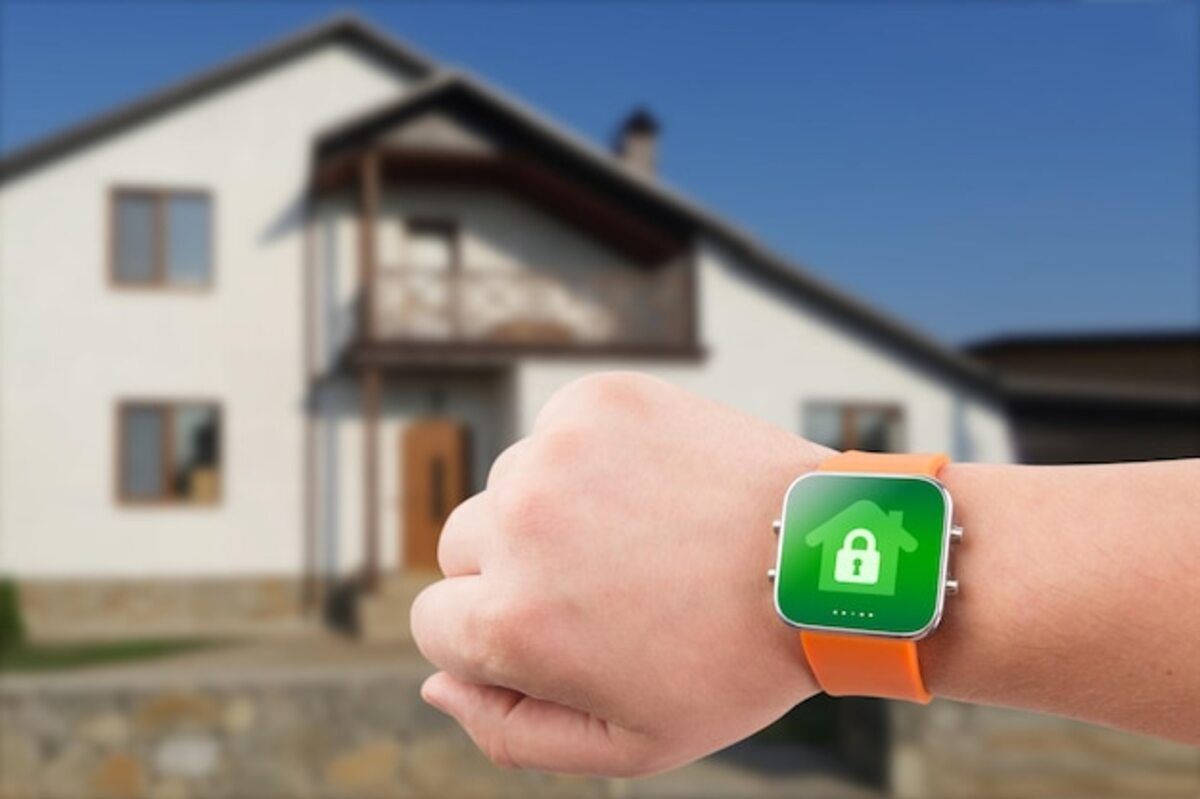
Have you recently moved to a new home? Keeping your space secure is essential for enjoying peace of mind and well-being. In this article, we will share key tips that will help you protect your home and feel safe in every corner. From simple adjustments to preventive measures, these tips are fundamental for any homeowner. Keep reading and discover how to turn your house into a safe haven!
Evaluate the door and window lock system.
When moving to a new home, one of the first aspects you should evaluate is the locking system on doors and windows. It is common for previous owners to have copies of the keys, which could pose a risk to your security. Therefore, consider changing the locks on the main doors and ensuring that all windows have effective locking mechanisms. There are different types of locks, from the most basic to more advanced options like electronic locks or locks with additional security systems. Researching and selecting the right option will give you greater control over who can access your home.
In addition to replacing old locks, it is essential to review the overall condition of the security system at your access points. Ensure that there are no weak points such as exposed hinges or damaged frames that could facilitate unauthorized access. Investing in additional reinforcements like deadbolts or security bars can be a wise decision to enhance protection. Also, remember to consider the installation of complementary devices such as cameras or alarms, which can provide you with an extra layer of peace of mind knowing that you have constant monitoring over your space. Prevention will always be the best ally when it comes to maintaining security in your home.
Advertisements
Install an effective alarm system.
Installing an effective alarm system is one of the most effective measures to protect your new home. There are various options on the market, from basic systems that alert you to intrusions to more advanced solutions that include security cameras, motion sensors, and 24/7 monitoring. Before deciding on one, consider your specific needs and the design of your house. A good system will not only provide you with peace of mind but can also deter potential thieves by showing that your property is equipped with security technology.
Additionally, make sure to keep your system updated and conduct regular tests to ensure its optimal functioning. It is advisable to have a mobile app that allows you to control the alarm from anywhere, which is especially useful if you travel frequently or spend a lot of time away from home. Complement your alarm system with other measures such as outdoor lights with motion sensors and smart locks, thus creating a safe and secure environment that will allow you to fully enjoy your new home.
Ensure the exterior lighting
Ensuring the exterior lighting of your home is a crucial step in maintaining its security. The right lighting not only deters potential intruders but also enhances visibility and allows you to move confidently around your property at night. Installing lights in entryways, walkways, and dark areas of the garden can be an effective measure. Consider using motion sensor lights, which activate when detecting movement, instantly illuminating any suspicious activity and alerting you to the presence of outsiders near your home.
In addition to sensor lights, it is advisable to opt for outdoor LED bulbs that provide bright and long-lasting illumination. Strategically distributing light sources around your property can also create a deterrent effect; make sure there are no dark corners where someone could hide. Complementing the lighting with elements such as visible security cameras and alarms can further enhance the perception of safety in your home. Remember that good visibility is key to preventing incidents and fully enjoying the outdoor space without worries.
Keep a clean and obstacle-free environment.
A clean and obstacle-free environment is essential to ensure safety in your home. Keeping hallways, staircases, and common areas clear not only provides a more pleasant atmosphere but also reduces the risk of falls or accidents. Objects like toys, shoes, or furniture in inappropriate places can become imminent dangers, especially if you have young children or elderly people at home. Spend a few minutes each day checking and organizing these spaces; this simple task can make the difference between a safe home and one prone to incidents.
In addition to facilitating mobility, a clean environment contributes to better hygiene and overall well-being. The accumulation of dust and dirt can attract pests that compromise both the health and safety of your family. Maintain a regular cleaning routine that includes vacuuming carpets, wiping surfaces, and disinfecting key areas such as kitchens and bathrooms. Implementing these habits not only ensures a safer environment but also creates a cozy refuge where everyone feels comfortable and protected. Remember that an organized home reflects a calm mind; this way, you can fully enjoy the space you now call home.
Use strategically placed security cameras.
To ensure the safety of your home, it is crucial to implement an effective surveillance system that includes strategically placed security cameras. These cameras not only act as a deterrent to potential intruders but also provide you with the peace of mind of being able to monitor your property in real time. Consider installing them at main entrances, garages, and common outdoor areas. Additionally, make sure they are visible; this will send a clear message about active monitoring in your home.
It is equally important to choose cameras with features suitable for your needs. Opt for models with night vision and internet connectivity so you can access the images from your mobile device. This way, you can stay informed about what happens in your home, even if you are not present. Remember to check local regulations regarding the use of security cameras to ensure compliance with the rules and protect your neighbors' privacy. With proper placement and efficient technology, cameras become essential allies in maintaining security in your new home.
Get to know your neighbors: build a support network.
Getting to know your neighbors is a fundamental step in creating a safe and supportive community. By establishing relationships with those who live around you, you not only foster a friendly environment but also create an invaluable support network. Neighbors can be your eyes and ears, alerting you to any suspicious activity or providing assistance in case of emergencies. Organize casual gatherings or participate in community activities to break the ice; these informal interactions can be the first step toward building mutual trust.
Additionally, sharing information about safety measures and local resources can further strengthen that support network. Consider forming a neighborhood watch group where everyone can collaborate to monitor the safety of the area. These types of initiatives not only increase individual protection but also promote a sense of belonging and camaraderie among residents. Remember that together you are stronger; by looking out for one another, you transform your new home into a place where everyone feels safe and protected.
Conduct emergency drills at home
Conducting emergency drills at home is an essential practice that can make a difference in critical situations. Take time to plan and carry out exercises involving all household members, ensuring that each one knows the evacuation routes and established meeting points. These drills not only help familiarize everyone with the environment but also generate confidence and peace of mind in the face of potential emergencies, from fires to natural disasters. Clear communication and repetition are key for everyone to know how to act quickly.
It is also advisable to include the identification of specific hazards within your new home in these drills. Check areas like the kitchen, where the use of appliances can pose risks, or the basement, if there is a possibility of flooding. Involve your loved ones in discussions about what to do if an unexpected situation arises and ensure you always have a basic emergency kit with essential supplies on hand. By practicing these actions regularly, you will not only be promoting family safety but also creating an environment where everyone feels protected and empowered to face any eventuality.
Protect the entrances with fences or bars.
One of the first lines of defense in the security of your home is the entrances, and protecting them with fences or gates is an effective measure to deter intruders. Installing a fence around your property not only delineates the space but also adds a physical barrier that can make unauthorized access more difficult. Opt for sturdy and weather-resistant materials, such as metal or treated wood, that ensure durability and security. Additionally, consider the height of the fence; a taller design could offer greater protection without sacrificing the aesthetics of your garden or entrance.
Window and door bars are another excellent option to reinforce the overall security of your home. These structures can be both decorative and functional; there are many options on the market that combine style and strength. When choosing bars, make sure they are easy to open from the inside in case of an emergency, but secure enough to deter intruders. Don't forget to complement these measures with good exterior lighting and alarm systems to create an even safer environment. With these elements in place, you will be able to enjoy your new home with greater peace of mind.
Keep valuable items out of sight.
A crucial aspect of maintaining security in your new home is ensuring that valuable items are out of sight. This not only includes items like jewelry, electronic devices, and important documents but also tools and expensive equipment that may attract unwanted attention. If those items are visible to any visitor or even from the outside, you may be increasing the risk of them being stolen. Consider storing them in safe and discreet places, such as safes or locked cabinets, where they are not easily accessible or visible.
Additionally, it is important to consider the arrangement of your furniture and decorations. Placing blackout curtains on the windows can be an excellent way to prevent strangers from seeing inside your home. You can also choose to maintain a minimalist style in your common areas to avoid accumulating unnecessary objects that may stand out too much. Remember that a tidy and less visually cluttered house is not only easier to maintain but also helps to deter potential intruders by making it more difficult to identify what is inside. Implementing these strategies will help you protect your belongings while enjoying a safe and welcoming environment.
Educate your family about safe practices
Educating your family about safe practices is a fundamental step in ensuring safety in your new home. Start open conversations with all family members about the importance of being alert and recognizing potentially dangerous situations. For example, teach your children how to identify unfamiliar people who may be lurking in the neighborhood and explain what to do in case of an emergency. Additionally, it is vital that everyone understands how to properly use security devices, such as alarms or cameras, as well as the emergency exits in case of fires or other critical situations.
Consider conducting regular drills with your family to practice responses to different risk scenarios. These exercises not only help familiarize everyone with preventive measures, but also strengthen confidence and teamwork within the home. Fostering a culture of open communication about safety can make a significant difference; encourage each family member to express their concerns and suggestions on how to further improve their environment. At the end of the day, a safe home is built not just with devices and locks, but also with shared knowledge and preparedness among all its inhabitants.
Advertisements
More in Basic Maintenance
Home, Basic Maintenance
Key aspects for a smooth move to your new home
Home, Basic Maintenance
Tips for assessing the durability of your new home in Costa Rica
Home, Basic Maintenance
Essential maintenance to maximize the security of your new home

Home, Basic Maintenance
Key aspects to choose a home that protects your investment
Most viewed in Home

Home, Furniture
Furniture that promotes the art of rest and disconnection

Home, Furniture
How to select furniture that reinforces your investment in Costa Rica
Home, Essential Appliances
Appliances that ensure functionality and style in your home
Home, Security and Technology
Early warning systems for smart home security