
How to choose a home that facilitates cleaning and well-being
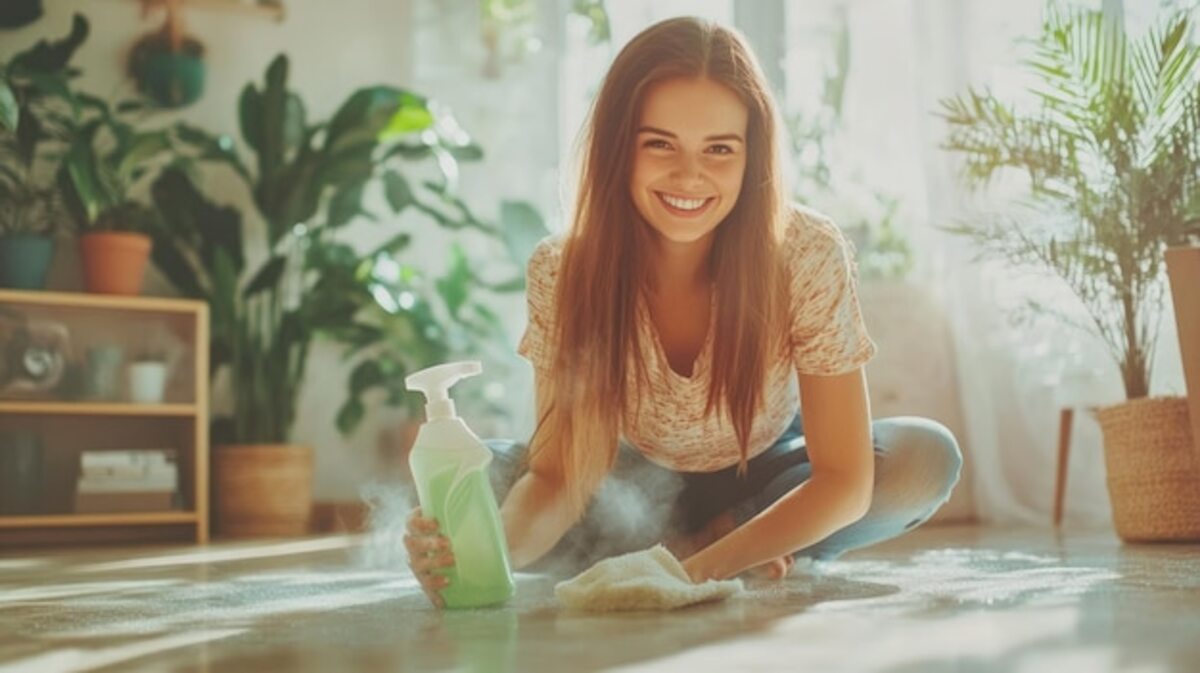
Home is our refuge, and choosing it wisely can make the difference between living in harmony or in constant disorder. In this article, you will discover how to select a space that not only enhances your well-being but also simplifies cleaning tasks. From design to materials, every detail matters in creating an environment that promotes your mental and physical health. Get ready to transform your home into a place where cleaning is easier and well-being flourishes.
The importance of space distribution in cleaning.
The distribution of space in the home is a crucial factor that not only affects aesthetics but also functionality and ease of cleaning. A well-thought-out design allows each area to fulfill its purpose without generating the accumulation of unnecessary objects. For example, dark corners and narrow hallways that can become hotspots for clutter should be avoided. When choosing a home, consider how the rooms are distributed and whether there is enough space to move comfortably while keeping everything organized. An open and flowing layout can facilitate access to all corners, making cleaning tasks less tedious.
Additionally, a good distribution of space helps create specific areas for activities such as resting, working, or recreation, which aids in maintaining order. When everything has its defined place, it is easier to keep an environment clean and free of waste. Consider including integrated storage solutions or multifunctional furniture that minimizes visual and physical clutter. Thus, when selecting your ideal home, remember that an adequate arrangement of space not only optimizes daily cleaning but also enhances your well-being by providing a more organized and pleasant living environment.
Advertisements
Construction materials that facilitate maintenance.
When choosing construction materials for your home, it is essential to consider those that are not only aesthetically pleasing but also facilitate maintenance and cleaning. Materials such as porcelain stoneware or ceramics are ideal options, as they are stain-resistant and easy to clean. These surfaces not only provide a modern and attractive finish, but their durability ensures that they will remain in good condition with minimal effort. Additionally, washable paint finishes allow for keeping the walls spotless without the need for constant renovation, contributing to a healthier and less stressful environment.
In addition to floors and walls, it is important to pay attention to the materials used in furniture and accessories. Opting for pieces made of stainless steel or tempered glass can be beneficial, as these materials are easy to disinfect and resist the accumulation of dust and dirt. On the other hand, avoiding untreated woods or complicated upholstery can reduce the time spent on cleaning. In summary, by carefully selecting each building element of the home, not only is the aesthetics of the space improved, but a more organized environment conducive to daily well-being is also created.
Colors and finishes that promote emotional well-being.
The colors and finishes we choose for our home play a fundamental role in our emotional health. Soft tones like light blue, mint green, or lavender can create an atmosphere of calm and serenity, reducing stress and promoting a sense of inner peace. These colors not only make spaces feel larger and brighter, but they also influence our mood. By opting for color palettes that evoke tranquility, we transform our home into a comforting refuge where we can disconnect from the outside world and recharge.
In addition to colors, finishes are also crucial for fostering emotional well-being. Natural materials like wood, cotton, or stone not only provide aesthetic beauty but also create a connection with nature that can be very comforting. Incorporating soft and warm textures in furniture and decorative elements helps to create a cozy and welcoming environment. Choosing matte finishes instead of glossy ones can soften reflected light and contribute to a more relaxed atmosphere. Together, these details create an environment conducive to introspection and mental rest, making every corner of your home invite you to enjoy the present moment.
Outdoor spaces: their impact on cleanliness and well-being.
The incorporation of outdoor spaces in the design of a home has a significant impact on both cleanliness and the well-being of its inhabitants. Gardens, terraces, or balconies not only add beauty and freshness to the environment but also act as an extension of the home, allowing enjoyment of nature without leaving the house. These outdoor spaces are ideal for engaging in outdoor activities, promoting an active and healthy lifestyle. Additionally, they can help reduce levels of stress and anxiety, creating a refuge to disconnect from daily hustle. From a practical perspective, outdoor spaces can facilitate the cleaning of the interior of the home. With well-designed external areas, it is possible to carry out activities such as drying clothes or cleaning large objects without making the interior dirty. Moreover, creating a ventilated environment allows fresh air to circulate through the house, helping to maintain a healthy and clean atmosphere. In summary, integrating outdoor spaces can be a key strategy for optimizing both cleanliness and overall well-being in your home.
Smart storage solutions for an organized home.
Smart storage solutions are key to maintaining an organized and functional home. Choosing multifunctional furniture, such as sofas that convert into beds or tables with internal storage space, allows for maximizing space usage without sacrificing style or comfort. Furthermore, modular organizers and adjustable shelves not only help categorize items, but also facilitate access to them, reducing the time spent on cleaning and improving efficiency in household tasks. Incorporating these elements is an effective way to promote a more organized and relaxing environment.
Another effective strategy to improve storage is to make the most of every corner of the home through vertical solutions. Installing tall shelves or using hooks on walls and doors can free up space on floors and surfaces, creating a clearer environment. It is also advisable to consider decorative baskets and boxes for storing small items; these can be easily integrated into the decor, providing both functionality and style. By implementing these smart solutions, not only is a more organized home achieved, but it also contributes to an overall sense of well-being by reducing the visual and physical clutter that can cause stress.
The influence of natural light on cleaning and mental health.
Natural light is a key element in any home that seeks to enhance well-being and facilitate cleaning. Exposure to sunlight not only illuminates spaces but also has a significant impact on our mood and energy. A well-lit home creates a sense of spaciousness and clarity, contributing to maintaining order and organization. Additionally, natural light can help reduce moisture buildup, thus minimizing the proliferation of mold and bacteria, resulting in a healthier and easier-to-clean environment.
Incorporating large windows or skylights into the home design allows for maximizing natural light entry, making areas feel more welcoming. This type of environment fosters a connection with the outside, which is beneficial for our mental health; studies have shown that exposure to sunlight can improve our mood and reduce stress levels. By choosing a home with abundant natural light, you are not only opting for an aesthetically pleasing space but also one that supports your emotional well-being while making it easier to carry out your daily cleaning tasks.
Minimalist design: less is more to facilitate cleaning.
Minimalist design has become a popular approach for those seeking a more organized and easier-to-maintain home. By adopting the philosophy of "less is more," the number of unnecessary objects and furniture that can collect dust and dirt is reduced, thus facilitating daily cleaning tasks. Clear spaces not only look more attractive but also allow for improved air circulation, contributing to a healthier environment. Furthermore, by limiting the number of decorative elements, the amount of time and effort needed to maintain every corner of the home is minimized.
Opting for a minimalist design means choosing functional furniture that serves multiple purposes, such as tables with integrated storage or sofas that convert into beds. This not only maximizes the available space but also reduces the need for complicated cleaning products and additional tools. With fewer things to clean, you can spend more time on activities that truly matter, like enjoying time with your family or relaxing after a long day. Ultimately, a minimalist approach not only transforms the aesthetics of your home but also promotes a simpler, stress-free life.
Choosing furniture that is easy to clean and maintain.
When choosing furniture for your home, it is essential to consider those that are easy to clean and maintain. Opting for materials like synthetic leather or microfiber can be an excellent choice, as they are stain-resistant and require a simple damp cloth for cleaning. Additionally, treated wood or laminated furniture offers a hard surface that resists dirt and makes maintenance easier. This way, you can enjoy a tidy environment without having to invest hours in cleaning. Also, consider the functionality of the furniture when selecting your pieces. Furniture with smooth surfaces and no hard-to-reach corners is ideal for avoiding the accumulation of dust and dirt. On the other hand, modular furniture can better adapt to your changing needs, allowing for easy reconfiguration of the space that will also facilitate cleaning. In summary, choosing practical furniture not only contributes to a more relaxing and pleasant environment but also gives you more time to enjoy well-being in your home.
Home technology: devices that help simplify tasks.
Home technology has revolutionized the way we carry out our daily tasks, offering practical and efficient solutions to simplify cleaning and maintenance of the space. Devices like robotic vacuum cleaners, which navigate your home autonomously, allow you to keep floors clean with no extra effort. Furthermore, smart vacuums can be programmed to clean at specific times, meaning you can return home to a fresh and tidy environment without lifting a finger. These innovations not only save time but also reduce the stress associated with household chores.
Another significant advancement is steam cleaning systems and robotic mops, which eliminate the need for harsh chemical products and minimize the physical effort required to maintain home hygiene. These devices are ideal for those seeking a healthier lifestyle, as they help create an environment free from germs and allergens. Additionally, some technologies integrate with mobile applications, allowing control from your phone over aspects like lighting or home temperature, promoting a more comfortable and inviting atmosphere. By incorporating these technological tools into your home, you not only make your daily tasks easier but also foster a space where well-being can thrive.
Creating effective cleaning routines from the start when choosing your home.
When choosing a home, it is crucial to consider how the layout and design of the space can facilitate cleaning routines. A well-organized environment not only promotes a more pleasant atmosphere but also reduces the time and effort needed to keep it in optimal condition. Opt for open and multifunctional spaces that allow for smooth circulation and provide easy access to all areas. Additionally, choosing flooring made of materials that are easy to clean, such as ceramic or laminate, can make a significant difference when it comes to household tasks.
Establishing effective cleaning routines from the start will help you keep your home always in order. Consider implementing smart storage systems that simplify organization and reduce visual clutter. Additionally, dedicating a few minutes each day to perform small tasks can prevent unwanted accumulations in the long term. By creating habits from the beginning, you will transform cleaning into a less tedious and more manageable activity, thereby contributing to an environment conducive to your emotional and physical well-being.
Advertisements
More in Cleaning and Care

Home, Cleaning and Care
Unleash harmony in your home with intuitive cleaning.

Home, Cleaning and Care
Reinvent cleaning with music and movement in your home.
Home, Cleaning and Care
How to choose an easy-to-maintain and care for home in Costa Rica

Home, Cleaning and Care
How to choose a home that maximizes your comfort and daily cleanliness
Most viewed in Home
Home, Furniture
Furniture that promotes the art of rest and disconnection
Home, Furniture
How to select furniture that reinforces your investment in Costa Rica
Home, Essential Appliances
Appliances that ensure functionality and style in your home

Home, Security and Technology
Early warning systems for smart home security