
Keys to choosing a home that facilitates effective cleaning
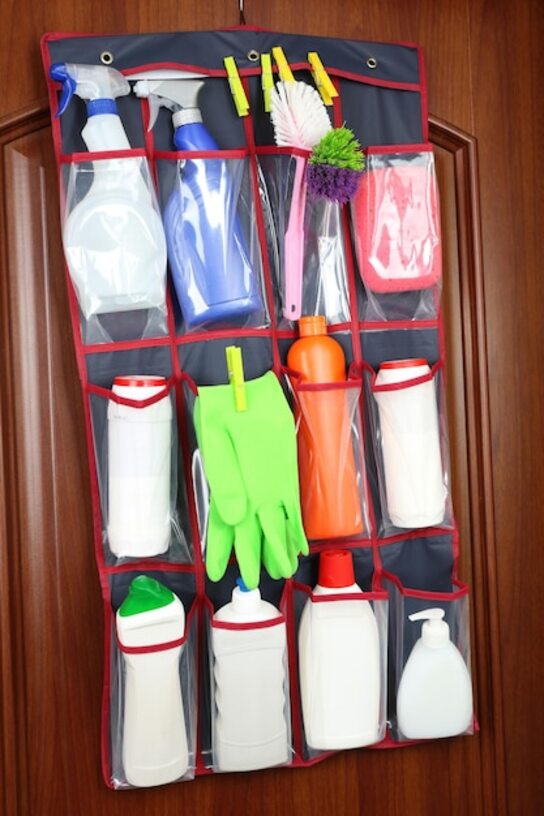
Choosing a home that facilitates effective cleaning not only saves time but also promotes a healthy and pleasant environment. In this article, we will explore the key fundamentals that will help you select a space where cleaning is a simple and quick task. From suitable materials to the right design, every detail matters in achieving an impeccable home effortlessly. Discover how to make your house a place that stays tidy with ease!
The importance of materials in home design
The choice of materials in home design plays a crucial role in ease of cleaning. Opting for surfaces that are stain-resistant and easy to clean can make a significant difference in the daily routine. For example, ceramic or vinyl floors are ideal as they are not only durable but also allow for quick cleaning with just a damp cloth. Similarly, granite or quartz countertops feature a non-porous surface that resists the buildup of bacteria and dirt, which is essential for maintaining a healthy environment.
In addition to functionality, aesthetics also benefit from choosing suitable materials. Smooth textures and glossy finishes are not only visually appealing, but they also minimize dust and dirt buildup. Incorporating furniture with stain-resistant treatments or washable upholstery can be an effective solution to keep your space always in optimal condition. In summary, selecting the right materials not only makes cleaning easier but also helps to create a cozy and well-maintained home.
Advertisements
Open spaces: are they really easier to clean?
Open spaces have gained popularity in interior design, and it's not hard to understand why. The absence of dividing walls allows for a more fluid circulation of air and light, which can contribute to a more pleasant environment. However, when it comes to cleaning, this layout also presents significant advantages. In an open space, furniture is often arranged in a way that allows easy access to all areas, thereby reducing hard-to-reach corners where dust and dirt accumulate. With fewer visual and physical obstacles, maintaining daily cleanliness becomes a much more manageable task.
Additionally, the materials used in open spaces can influence their ease of cleaning. Surfaces like hardwood or laminate floors are generally easier to sweep and mop than carpets, which can retain dirt and stains. By opting for a minimalist design with fewer pieces of furniture and unnecessary decorations, not only is cleaning made easier, but a tidy environment is also created that encourages organization. Thus, by choosing a home with well-designed open spaces and practical materials, you can enjoy a clean environment without excessive complications.
Functional furniture: choosing pieces that simplify cleaning
Functional furniture is a crucial aspect when designing a home that facilitates cleaning. By choosing furniture that is practical and versatile, not only is space optimized, but the accumulation of dust and dirt is also reduced. Opting for pieces with smooth and easy-to-clean surfaces, such as glass tables or chairs made of synthetic materials, can make a big difference in the daily maintenance routine. Additionally, multifunctional furniture, such as ottomans with internal storage or sofa beds, helps to minimize clutter and keep everything in its place, contributing to quicker cleaning.
Another important factor is to consider the furniture design in relation to the flow of the home. Elevated or legged furniture allows for easier access to the floor for sweeping or mopping without obstacles. Likewise, selecting those that do not have hard-to-reach corners makes dusting easier and ensures a healthier environment. By prioritizing pieces that combine aesthetics and functionality, a space is created where each element contributes to simplifying household tasks, making the home a more welcoming and easier-to-maintain place.
Proper lighting: how it affects the perception of cleanliness
Proper lighting is a crucial element that directly impacts the perception of cleanliness in a home. Good lighting not only highlights the tidiness of spaces but also helps detect areas that require attention. Well-lit spaces appear more organized and fresh, creating an instant impression of cleanliness. Therefore, it is advisable to opt for natural light sources whenever possible, as well as to incorporate warm and bright artificial lights in key areas like the kitchen and bathroom, where details are essential for maintaining a hygienic environment.
In addition to the type of light, the distribution and design of the fixtures play an important role in how each corner of the home is perceived. Uniform lighting avoids shadows that can hide dirt or clutter, allowing for a clear view of the overall condition of the space. When choosing lamps and bulbs, consider those that offer greater energy efficiency and ease of maintenance; for example, LED bulbs are ideal not only for their longevity but also because they emit a clear light that enhances cleanliness. Thus, with a proper lighting strategy, you can transform your home into a place that is not only brighter and more inviting but also easier to keep spotless.
Smart organization: efficient storage systems
Smart organization is key to keeping a clean and tidy home. Implementing effective storage systems not only maximizes the available space but also facilitates daily cleaning. With shelves, boxes, and multifunctional furniture that suit your needs, every item has its place, minimizing clutter. For example, using baskets in closets or under the bed allows you to store items in an accessible and organized way, making the process of cleaning and maintaining each area of the home simpler.
Additionally, it is crucial to think about vertical storage solutions, such as tall shelves or hooks on the walls. These options make the most of the height of spaces without taking up valuable floor space. Another effective strategy is to label containers or use transparent systems to quickly identify the contents; this not only saves time when looking for specific items but also fosters a culture of order where all household members can collaborate in keeping everything in its place. In summary, a smart approach to storage can radically transform the cleaning experience and facilitate a more harmonious and functional environment.
Finishes and surfaces: options that minimize maintenance
When choosing finishes and surfaces for your home, it is essential to opt for materials that are not only aesthetically pleasing but also require minimal maintenance. Ceramic or porcelain floors, for example, are excellent options as they are stain-resistant and easy to clean. Additionally, their durability makes them a smart long-term choice. Kitchen surfaces made of stainless steel or quartz not only provide a modern look but are also highly functional and require less effort to maintain their shine. Choosing these materials can make a significant difference in your daily cleaning routine.
It is also important to consider the texture and finish of the walls and furniture. Satin or semi-gloss paints are easier to clean than matte ones, as they allow stains to be removed more easily without damaging the surface. Regarding furniture, laminated finishes or stain-resistant treatments can be very useful in spaces where there are children or pets. Choosing these details wisely will not only make your home look impeccable but will also allow you to enjoy more free time by reducing the cleaning burden.
Space planning: workflows that facilitate daily cleaning
Space planning is essential for maintaining a clean and organized home. When designing the layout of the spaces, it is crucial to consider how daily activities flow. For example, placing the kitchen near the laundry area can simplify the cleaning process by allowing tasks to be carried out in a logical sequence. Additionally, having wide hallways and well-defined spaces prevents the accumulation of objects and facilitates movement during cleaning, making every corner easily accessible.
Another essential aspect of space planning is the intelligent use of storage. Including open shelves or built-in cabinets can help organize items efficiently, preventing them from becoming obstacles when cleaning. Likewise, allocating specific areas for each activity allows for an orderly flow within the home; for example, having a zone dedicated to toys or tools helps minimize clutter. With proper space planning, not only is daily cleaning optimized, but a more functional and harmonious environment is also created for everyday life.
Advertisements
More in Cleaning and Care

Home, Cleaning and Care
Unleash harmony in your home with intuitive cleaning.

Home, Cleaning and Care
Reinvent cleaning with music and movement in your home.

Home, Cleaning and Care
How to choose a home that facilitates cleaning and well-being

Home, Cleaning and Care
How to choose an easy-to-maintain and care for home in Costa Rica
Most viewed in Home

Home, Furniture
Furniture that promotes the art of rest and disconnection
Home, Furniture
How to select furniture that reinforces your investment in Costa Rica
Home, Essential Appliances
Appliances that ensure functionality and style in your home

Home, Security and Technology
Early warning systems for smart home security