
Guide to identifying the ideal neighborhood that aligns with your dreams
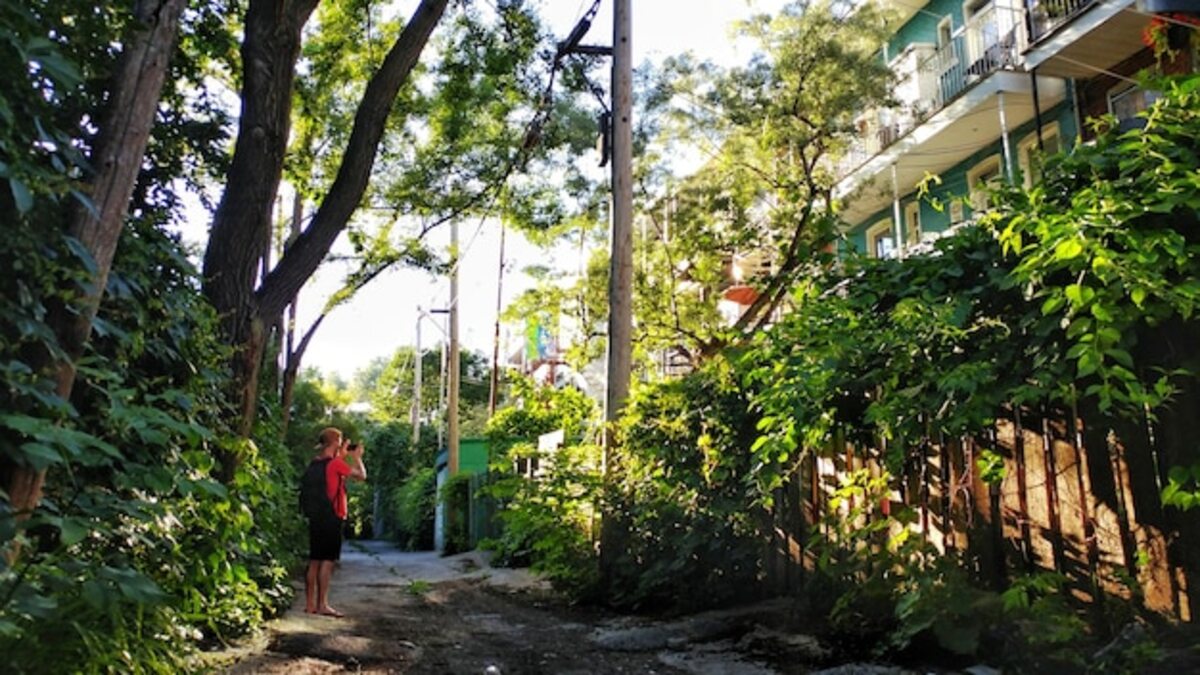
Are you ready to find the neighborhood of your dreams? In this guide, we will help you identify that ideal place that not only reflects your lifestyle but also complements the decor and design of your home. From the vibrant local culture to green spaces and nearby amenities, every detail matters when choosing the perfect neighborhood. Join us on this journey and discover how to make your housing aspirations a reality while creating an environment that inspires and harmonizes with your dreams.
The importance of location: how does it affect your home?
The location of a home is one of the most determining factors in the quality of life that can be experienced in a neighborhood. It not only influences the property value but also access to essential services such as schools, hospitals, and public transport. Living in a well-connected area can significantly reduce the time you spend commuting to work or recreational activities, allowing you to enjoy more of your home and the amenities it offers. Furthermore, proximity to parks and green spaces not only enhances the aesthetics of the neighborhood but also provides opportunities for outdoor activities and promotes a healthy lifestyle.
Another important aspect to consider is the culture and community of the area. A vibrant neighborhood with a rich cultural offering can enrich your daily experience; from local markets to community festivals, every corner has something unique to offer. This type of environment not only nurtures your personal interests but also fosters a sense of belonging and connection with your neighbors. By choosing a place where you can easily integrate and share common interests, you are not just selecting a physical space but building a home in the broadest sense of the word.
Advertisements
Architectural styles: choosing a neighborhood that suits your taste
When choosing a neighborhood that aligns with your dreams, it is essential to consider the predominant architectural styles in the area. Each style not only defines the aesthetic of the houses and buildings but also reflects the character and history of the community. For example, if you are drawn to clean, minimalist lines, you might feel more comfortable in a contemporary neighborhood where modern constructions prevail. On the other hand, if you prefer a cozier, more traditional atmosphere, looking for neighborhoods with colonial or Victorian architecture could be ideal for you. Knowing these styles will help you visualize how your home will fit within the context of the neighborhood.
In addition to the architecture, the urban environment should resonate with your personal preferences and lifestyle. Some neighborhoods are known for their vibrant cultural life, while others offer tranquility and green spaces ideal for enjoying outdoor activities. Researching the characteristics of the neighborhood you wish to inhabit will allow you to find a place where every corner inspires harmony both in your home and in your daily life. Be sure to explore different areas to see how they align with your aesthetic tastes, as well as the nearby amenities that will complement your desired lifestyle.
Green spaces and recreational areas: key to a balanced life
Green spaces and recreational areas are essential elements for a balanced life, especially in an increasingly urbanized world. Having parks, gardens, and leisure zones not only beautifies the environment but also offers countless benefits for physical and mental health. The opportunity to engage in outdoor activities, such as walking, running, or simply enjoying a picnic with family, helps reduce stress and promotes an active lifestyle. Thus, when choosing your ideal neighborhood, it is crucial to consider the availability and quality of these natural spaces that connect you with the environment.
In addition to providing physical well-being, green spaces act as social meeting points where friendships can be forged and a strong community can be built. A neighborhood with well-designed recreational areas promotes interaction among neighbors and creates opportunities for family activities or community events. By integrating these elements into your search for the perfect home, you will not only be investing in a place to live but also in a lifestyle that prioritizes emotional balance and human relationships. Ultimately, green spaces are key to enhancing the quality of life within the chosen neighborhood.
Creative communities: where to find decorative inspiration
Creative communities are a hidden treasure for those seeking decorative inspiration in their homes. These neighborhoods are often filled with artists, designers, and artisans who contribute their unique vision to the environment. Strolling through their streets can be a visual delight, as you will find not only vibrant murals and innovative sculptures but also local shops brimming with handmade furniture and decorations. By immersing yourself in these communities, you can discover fresh trends that may not be found in more commercial areas, allowing you to add a distinctive touch to your home that reflects your personality.
In addition to artistic manifestations in public spaces, many of these communities organize design fairs and events where local creatives showcase their work. Participating in these events not only gives you the opportunity to acquire unique pieces but also to connect with those who share your aesthetic interests. Talking with artists and designers can open you up to new ideas on how to integrate decorative elements into your home. Thus, by choosing a neighborhood full of creativity, you are not just finding a place to live; you are accessing an inexhaustible source of inspiration to make your dream home a reality.
Nearby services: convenience as a priority in your choice
When it comes to choosing the ideal neighborhood, proximity to essential services should be one of your top priorities. Imagine being able to enjoy a freshly brewed coffee at your favorite café just a few steps from your home, or having a nearby supermarket that makes your daily shopping easier. The convenience these services offer not only enhances your quality of life but also saves you time and effort. When considering the location of your future home, make sure to research what types of services are available nearby: pharmacies, schools, sports centers, and parks are just a few options that can make you feel more connected and satisfied with your surroundings.
Additionally, nearby services not only contribute to your daily convenience but also influence the long-term value of your property. A well-equipped neighborhood with amenities like gyms, restaurants, and recreational spaces tends to be more attractive to both buyers and renters. This means that by choosing a neighborhood with good options around, you are not only enhancing your daily experience but also making a smart investment for the future. Consider how these elements can complement the design and decor of your home; for example, if you love cooking, living near local markets can inspire you to create delicious dishes while enjoying the vibrant atmosphere that the community offers.
Safety and tranquility: essential factors for a good neighborhood
Safety and tranquility are two fundamental pillars to consider when searching for the ideal neighborhood. A safe environment not only protects your home and loved ones but also promotes a sense of well-being that is essential for fully enjoying your space. When researching different neighborhoods, look at crime statistics, but also pay attention to more subtle details: street lighting, the presence of police patrols, and how neighbors feel when talking about their community. A neighborhood where safety is a priority tends to foster a more cohesive and friendly atmosphere, which in turn contributes to a higher quality of life.
The tranquility of the place also plays a crucial role in choosing the perfect neighborhood. Living in a noisy or chaotic environment can significantly affect your emotional state and daily productivity. Look for areas with little traffic, nearby parks, or green spaces where you can escape the daily hustle. Additionally, consider whether the neighborhood has an active community that organizes social events or recreational activities; these elements can make you feel part of a whole and provide that longed-for peace of mind. Ultimately, finding a balance between safety and tranquility will ensure that your new home is a refuge where you can create unforgettable memories.
How to visualize your future home in the chosen neighborhood
Visualizing your future home in the chosen neighborhood involves imagining not just the physical structure, but also how it will fit into your daily lifestyle. Take some time to walk the streets, observe your potential neighbors, and assess the overall atmosphere. Ask yourself: what is everyday life like here? Consider if there are spaces for activities you enjoy, such as parks to walk your dog or cafés where you can work. Visualization goes beyond aesthetics; it’s about emotionally connecting with the place and feeling that it is a space where you can grow and thrive.
Also, think about how each aspect of the neighborhood can complement the design and decor of your future home. Imagine a bright house surrounded by lush trees or a modern apartment with views of a vibrant square. Would you like to have access to local markets where you can buy fresh produce for your family dinners? Visualizing these details will help you make informed decisions about what elements are essential for you in this new chapter of your life. At the end of the day, choosing an ideal neighborhood is taking the first step toward creating a home that is not only beautiful but also functional and full of life.
Advertisements
More in Decoration and Design

Home, Decoration and Design
Harmonious environments: the art of combining textures at home

Home, Decoration and Design
Tips for creating a home that secures your investment in Costa Rica

Home, Decoration and Design
Aspects to consider to secure your investment in a new home

Home, Decoration and Design
Guide to discovering the essence of your new home in Costa Rica
Most viewed in Home

Home, Furniture
Furniture that promotes the art of rest and disconnection

Home, Furniture
How to select furniture that reinforces your investment in Costa Rica

Home, Essential Appliances
Appliances that ensure functionality and style in your home

Home, Security and Technology
Early warning systems for smart home security