
How to choose a home that fosters your dreams and well-being
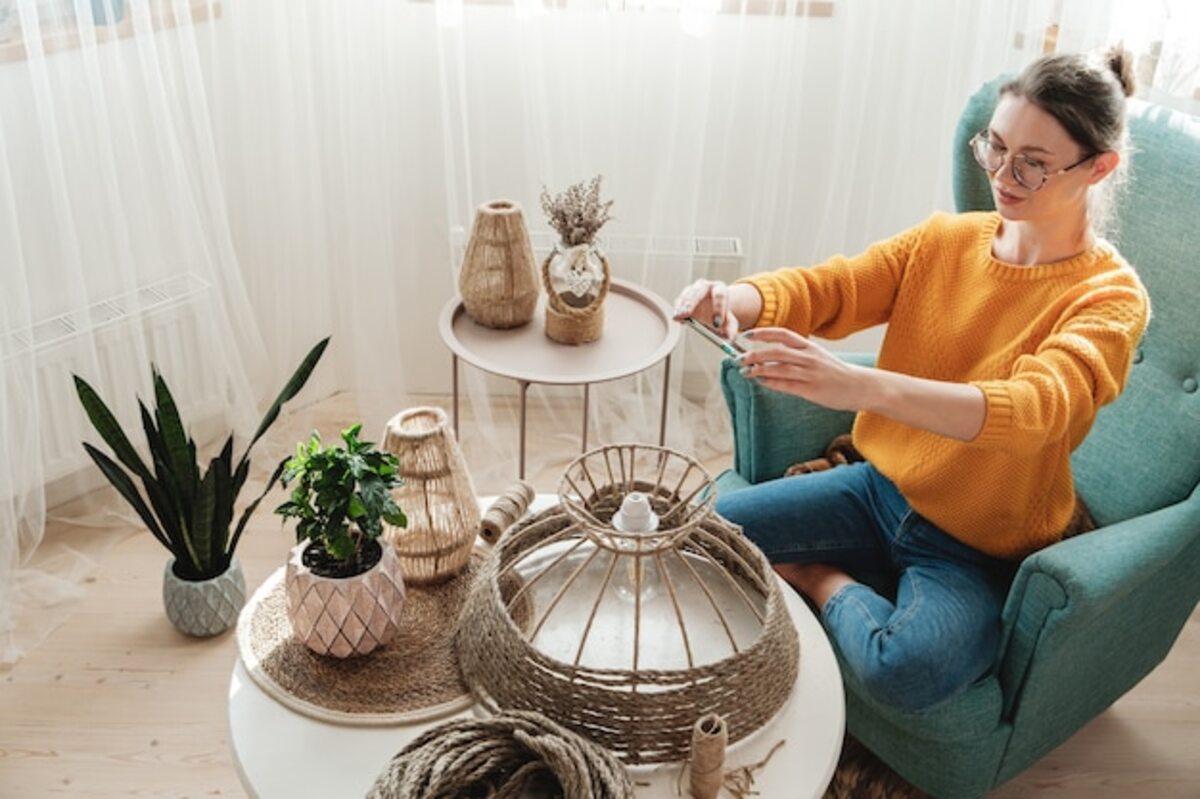
Choosing a home that fosters your dreams and well-being is a crucial decision that goes beyond merely purchasing a property. In this article, I will guide you through the essential elements of decor and design that will not only beautify your space but also enhance your happiness and productivity. Learn to create an environment that reflects your aspirations and needs, turning every corner into a sanctuary of well-being. Your home can be the first step towards the life you have always dreamed of!
The importance of space: how it influences your emotional state
The choice of a home has a significant impact on our emotional state, and the space we inhabit can enhance or limit our happiness. A well-designed and organized environment not only provides physical comfort but also influences our mental health. Natural light, the layout of the space, and the chosen colors can directly affect our well-being. For example, a bright and airy environment fosters creativity and joy, while a cluttered or poorly lit room can generate anxiety and stress. Thus, it is essential to consider how each element of our home can impact our daily emotions.
Moreover, the concept of "space" goes beyond physical dimensions; it refers to how we feel when interacting with our environment. Creating specific zones for different activities—such as working, relaxing, or socializing—not only enhances the functionality of the home but also helps to establish healthy boundaries between the different facets of our lives. Personalizing these spaces with elements that resonate with our aspirations and personality allows us to build an emotional refuge where we can recharge and cultivate our passions. In this sense, choosing the right home becomes an investment in our overall well-being.
Advertisements
Inspiring Colors: Select Palettes to Energize Your Home
The choice of colors in your home decoration can have a significant impact on your mood and energy. When selecting inspiring palettes, it is essential to consider how each hue influences your emotions. Vibrant colors like yellow and orange can infuse joy and vitality, perfect for spaces where you want to foster creativity and interaction, such as a living room or a studio. On the other hand, softer shades like light blue or mint green promote calm and serenity, ideal for bedrooms or relaxation areas. Identifying the spaces you want to energize will help you determine which palettes best suit your purposes.
In addition to the emotions that colors evoke, it is important to think about how to combine them harmoniously to create a balanced environment. Monochromatic palettes offer a modern and sophisticated aesthetic by using different shades of the same color, while complementary combinations can bring dynamism to any room. Don't be afraid to experiment with colorful accents in furniture or decorations; these details can revive a space without overwhelming it. Remember that your home should reflect your personality and aspirations; by choosing colors that energize and inspire you, you will not only beautify your surroundings but also foster a more fulfilling and satisfying lifestyle.
Functional furniture: combining style and comfort
Functional furniture is a fundamental pillar in creating a home that fosters your dreams and well-being. By selecting pieces that are not only aesthetically pleasing but also practical, you can maximize the use of each space. For example, a sofa bed can be an excellent option if you frequently have guests, while an extendable table allows you to adapt your dining room to different occasions and needs. The key is to choose furniture that harmoniously integrates with your personal style while providing effective solutions for daily life, turning your home into a cozy refuge.
Additionally, comfort is essential to ensure that every corner of your home invites rest and relaxation. Choosing ergonomic chairs or beds with good mattresses can make a significant difference in your overall well-being. Don't underestimate the impact of textiles; good design includes not only form but also function and feel. By combining style and comfort in your furniture choices, you will be creating an environment conducive to work, leisure, and family connections. Ultimately, each piece of furniture should be seen as an investment in your daily quality of life.
Proper lighting: creating environments that promote well-being
Proper lighting is a vital component for creating spaces that promote well-being. Natural light, for example, not only improves mood but also regulates our circadian rhythms, promoting restorative sleep and energy during the day. Making the most of windows and opting for light curtains can open your home to the warmth of the sun, providing a sense of spaciousness and connection to the outdoors. During nighttime hours, it's essential to balance artificial light; consider using floor or table lamps with warm bulbs that invite relaxation and create a cozy atmosphere.
In addition to natural light and warm lighting sources, it is essential to consider functionality in every area of your home. In spaces such as the kitchen or the office, where specific activities are performed, it is advisable to incorporate directed lighting that facilitates these tasks without being harsh on the eyes. On the other hand, in areas designated for rest such as bedrooms or living rooms, you can opt for dimmable lights that allow you to adjust the intensity according to your needs and moods. By combining different types of lighting and strategic locations, you can transform every corner into a personalized refuge that promotes both productivity and relaxation.
Natural elements: incorporate plants to purify your space.
Incorporating natural elements into your home, such as plants, can transform not only the aesthetics of your spaces but also their functionality. Plants are known for their air-purifying properties, helping to eliminate toxins and creating a healthier environment. Additionally, their presence adds a touch of freshness and vitality that can positively influence your mood. From a small succulent on the desk to a lush fern in the living room, each plant has the potential to connect your home with nature, thus fostering a sense of calm and well-being.
In addition to the physical benefits that plants provide, they are also excellent allies for improving productivity and creativity. Studies have shown that having greenery in the workplace or in creative spaces can increase concentration and reduce stress. Choose plants that fit your lifestyle; if you have little time to care for them, opt for resilient species like cacti or pothos. On the other hand, if you enjoy caring for plants, you can explore more exotic varieties that add color and visual interest to your home. At the end of the day, each green leaf will be a tangible reminder of your commitment to yourself and your dreams.
Personalization and personal style: make your home a reflection of yourself.
Personalizing your home is essential for it to become an authentic reflection of your personality and lifestyle. Every object, color, and texture you choose should tell a story about who you are and what you value. From selecting artwork that inspires your days to choosing furniture that offers comfort and functionality, each element plays a crucial role in creating an environment that makes you feel at home. Do not be afraid to experiment with different styles or combinations; the key is to find what truly resonates with you and makes you happy.
Additionally, incorporating personal elements, such as family photographs, travel souvenirs, or local crafts, can add an emotional layer to your space. These details not only beautify the home but also evoke memories and positive feelings every time you see them. The idea is to create an environment where you feel harmony and connection with yourself and your aspirations. At the end of the day, your home should be that refuge where every corner inspires you to keep pursuing your dreams and to enjoy complete well-being.
Tranquility zones: designing spaces for relaxation
Designing tranquility zones in your home is essential for achieving an environment that fosters relaxation and well-being. These areas can be a reading nook, a small indoor garden, or even a room dedicated to meditation. The key is to choose elements that convey calmness, such as soft colors, cozy textures, and dim lighting. By incorporating natural plants or water features, you can further enrich these spaces, creating a connection with nature that promotes mental peace. Remember that the goal is to create a refuge where you can disconnect from daily stress and recharge your energy.
When designing these areas, also consider how the furniture and layout can influence your sense of serenity. Choose comfortable and functional furnishings that invite relaxation; for example, spacious armchairs or decorative cushions that encourage you to sit and enjoy the moment. Additionally, ensure that these spaces are away from the hustle and bustle of the home to provide a necessary sense of isolation for disconnecting. With attention to detail and careful planning, you can transform any corner of your house into a personal oasis dedicated to rest and emotional rejuvenation.
Efficient organization: minimize clutter to maximize peace of mind.
The efficient organization of your home is essential for creating an environment that fosters mental peace and reduces stress. An orderly space not only enhances aesthetics but also directly impacts your emotional well-being. By minimizing clutter, you can free your mind from unnecessary distractions, allowing you to focus better on your dreams and goals. Implementing smart storage systems, such as open shelves or decorative boxes, can be an excellent way to keep everything in its place while adding a personal touch to your spaces.
Additionally, taking time to organize each area of your home can become a self-care ritual that helps you establish a balance between your responsibilities and your well-being. Consider doing a periodic review of your belongings: do you really need everything you have? Getting rid of the unnecessary not only creates more physical space but also provides a refreshing sense of emotional lightness. Every cleared corner becomes a visual reminder of your aspirations and allows you to fully enjoy the environment created for you, turning your home into a true sanctuary where tranquility and creativity flourish.
The influence of feng shui on home design: harmony and positive energy
The influence of feng shui on home design is a fundamental element for those seeking to create a space that fosters harmony and positive energy. This ancient Chinese practice is based on the idea that the arrangement and organization of elements in an environment can affect our well-being and emotional state. By applying the principles of feng shui, you can transform your home into a refuge where vital energy, or "chi," flows, thus promoting a sense of peace and balance. From the placement of furniture to the choice of colors and materials, every detail matters to maximize the energetic potential of your space.
Incorporating feng shui into your home is not just about aesthetics; it also involves intentionality in creating environments that support your goals and aspirations. For example, placing your desk near a window or in a position where you can see the entrance can boost your productivity and focus. Additionally, surrounding yourself with natural elements, such as plants or natural light, can elevate your mood and connect occupants with their surroundings. Ultimately, by considering feng shui within the design of your home, you not only beautify the space but also cultivate an environment conducive to achieving your dreams and enjoying a fulfilling life.
Advertisements
More in Decoration and Design

Home, Decoration and Design
Harmonious environments: the art of combining textures at home
Home, Decoration and Design
Tips for creating a home that secures your investment in Costa Rica
Home, Decoration and Design
Aspects to consider to secure your investment in a new home
Home, Decoration and Design
Guide to discovering the essence of your new home in Costa Rica
Most viewed in Home
Home, Furniture
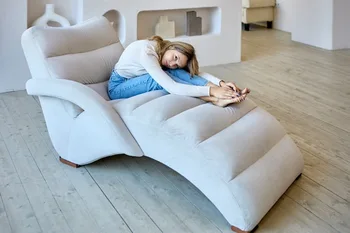
Furniture that promotes the art of rest and disconnection
Home, Furniture
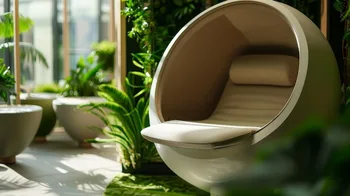
How to select furniture that reinforces your investment in Costa Rica

Home, Essential Appliances
Appliances that ensure functionality and style in your home

Home, Security and Technology
Early warning systems for smart home security