
How to choose the perfect layout for your new home in Costa Rica
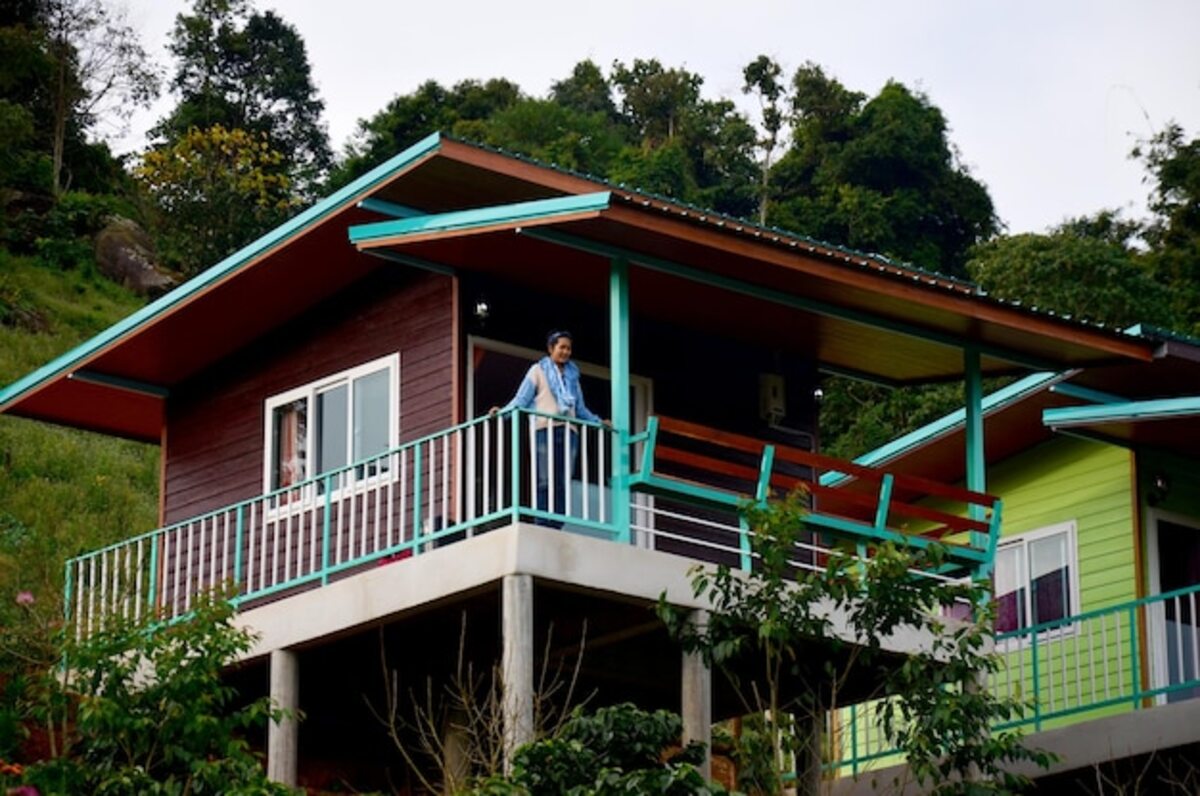
Choosing the perfect layout for your new home in Costa Rica is a crucial decision that will impact your quality of life and style. With lush landscapes and an enviable climate, the way you organize your spaces can maximize comfort and functionality. In this article, we will guide you through the key aspects to consider when planning your home's layout, ensuring that every corner reflects your personality and meets your needs. Get ready to discover how to create a harmonious and welcoming space where you will enjoy every moment.
The importance of space planning
Space planning is a fundamental step in the design process of your home, especially in such a vibrant environment as Costa Rica. When considering how to distribute each area, you not only think about aesthetics but also about functionality and the flow of movement within your house. Good planning allows you to create zones that adapt to your daily routines and the social interactions you wish to foster. For example, an open kitchen connected to the dining room can facilitate family togetherness, while more private areas can provide the refuge you need after a long day. Additionally, it is essential to take into account the natural elements surrounding you when planning your space. Natural light, panoramic views, and ventilation are aspects that should not be overlooked. In Costa Rica, where the warm climate invites you to enjoy the outdoors, integrating outdoor spaces such as terraces or gardens can significantly enhance your quality of life. Designing a layout that maximizes these features will not only make your home more enjoyable but will also contribute to a sustainable and harmonious environment with the surrounding nature.
Finally, remember that each family is unique and their needs vary. When planning the layout of spaces, it is important to reflect on your daily habits and how each member of the household interacts with their environment. This will allow for the creation of a personalized atmosphere where everyone feels comfortable and happy, ensuring that every corner is functional and reflects the desired lifestyle. Thus, proper space planning not only optimizes the use of the available area but also lays the foundation for a cozy and vibrant home.
Advertisements
Costa Rican architectural styles: Which one is right for you?
Architectural styles in Costa Rica are a fusion of local traditions and modern trends, providing a rich variety to choose from. From tropical-style houses that make the most of natural light and ventilation to contemporary constructions that incorporate clean lines and sustainable materials, each style has its own essence. The key is to identify which of these styles resonates most with you and fits your family needs. For example, if you are looking for a home that integrates with the surrounding nature, a rustic or traditional Costa Rican design might be ideal, while if you prefer a more sophisticated and minimalist environment, modern spaces could be your best option.
In addition to the aesthetic aspect, it is important to consider how each architectural style influences the distribution of interior spaces. For example, a colonial-style home may offer large rooms and central courtyards perfect for family entertainment, while a contemporary-designed house might prioritize openness and flexibility in the environments. Reflect on your daily habits: do you prefer spacious social areas or cozy bedrooms? By understanding the functional characteristics of each architectural style, you can make informed decisions that not only beautify your home but also optimize its comfort and practicality.
Considerations on tropical climate in home distribution
When planning the layout of your home in a tropical climate like that of Costa Rica, it is essential to consider factors that affect both thermal comfort and the functionality of the spaces. Warm temperatures and high humidity demand special attention to natural ventilation and the orientation of the rooms. For example, placing social areas towards the north or east can maximize fresh breezes, while bedrooms can be located in more sheltered areas to ensure restorative rest. The inclusion of large windows and high ceilings will also help maintain adequate air circulation, which is essential for mitigating heat.
It is also advisable to incorporate natural elements into your design, such as indoor gardens or open spaces that allow for the integration of the exterior with the interior. This not only enhances the aesthetics of the home but also promotes a fresh and welcoming environment. Choosing the right materials is equally crucial; opting for ceramics or stone instead of carpets can facilitate cleaning and keep the spaces cool. In summary, when designing your home in a tropical environment, every decision should align with the need for climate comfort and overall well-being, thus creating a perfect retreat to fully enjoy the Costa Rican lifestyle.
Common areas vs. private areas: Finding the balance
When planning the layout of your new home in Costa Rica, it is essential to find the right balance between common areas and private spaces. Common areas, such as the living room, dining room, and kitchen, are spaces where social interaction and enjoyment with family and friends are encouraged. When designing these spaces, consider their location and connection to the outdoors; for example, a living room that opens to a terrace or garden can visually expand the area and make the most of the country's warm climate. Additionally, ensure that these areas are spacious enough to facilitate gatherings without feeling cramped.
On the other hand, private areas are essential to ensure your tranquility and rest. Bedrooms, bathrooms, and offices should be spaces that offer privacy and comfort. When strategically placing them in your layout, consider factors such as reducing noise from common areas or natural lighting. A good practice is to position the bedrooms in a part farther from the social areas to minimize any distractions. This way, you will achieve a balanced home where both moments of togetherness and solitude are enjoyed to the fullest, ensuring that each family member has their personal space while fostering meaningful interactions in the common areas.
How to take advantage of natural light in your interior design
Taking advantage of natural light in your interior design is essential for creating a cozy and healthy environment. In Costa Rica, where sunny days are common, maximizing light entry can make your spaces feel more spacious and vibrant. Consider the placement of windows and doors; orienting them towards the south or west can allow sunlight to illuminate your rooms for much of the day. Additionally, using materials like mirrors and shiny surfaces will help reflect that light, multiplying its effect and creating a warm and inviting atmosphere. Another effective strategy is to choose light colors for walls and furniture, as these tones help enhance brightness in any space. Opting for light curtains or slatted blinds will also allow light to flow unobstructed, giving you the flexibility to control the desired amount of light at different times of the day. Finally, consider integrating natural elements like indoor plants, which not only bring freshness to the environment but also optimize the use of natural light by improving air quality and creating a deeper connection with the beautiful Costa Rican landscape outside.
By implementing these ideas in your home, you will not only enhance its aesthetics but also promote a healthier and more energizing lifestyle, making the most of what the tropical climate has to offer.
Open vs. closed distribution: Pros and cons
The choice between an open or closed layout in your home can significantly influence how you interact with your spaces and with the people who share your daily life. Open layouts, which eliminate unnecessary walls and connect areas like the kitchen, dining room, and living room, foster a social and fluid environment. This type of design allows for better air circulation and natural light, creating a sense of spaciousness. However, it’s important to consider that this style can generate noise and distractions, which could be a drawback if you value privacy or seek a space for focused work. On the other hand, closed layouts offer clear benefits in terms of functionality and privacy. By having rooms separated by walls, specific zones can be established for each activity, making it ideal for large families or those who require a quieter environment. However, this type of layout can lead to smaller and less illuminated spaces if not planned properly. In general, when deciding between both options, it is essential to weigh your personal priorities: do you prefer the sociability of an open space or the intimacy of a closed one? The answer will guide you towards a choice that fits your lifestyle in Costa Rica.
Functionality as a key in the choice of furniture and decoration
When choosing furniture and decorative elements, functionality should be a fundamental criterion. In a home in Costa Rica, where social activities and enjoyment of the surroundings are an integral part of daily life, it is essential that each piece serves a clear purpose. Opting for multifunctional furniture, such as sofa beds or extendable tables, not only optimizes the available space but also allows for adaptation to different situations and needs. Additionally, consider how your decoration choices can facilitate smooth circulation within the spaces; this is especially important in common areas where interaction is frequent.
The functionality also extends to the lifestyle you wish to lead in your new home. For example, if you have children or pets, choosing durable and easy-to-clean materials can save you time and worries in the long run. Likewise, the arrangement of the furniture should promote comfort and efficient use of space; consider creating specific areas for relaxation, work, or entertainment. This way, every corner will not only be aesthetically pleasing but will also effectively serve its daily purpose. Ultimately, selecting furniture and decor that prioritize functionality will allow you to fully enjoy the vibrant lifestyle that Costa Rica offers.
Outdoor spaces: Integrating gardens and terraces into your home
By integrating gardens and terraces into your home, you are not only expanding your living space but also creating a personal oasis that can significantly enhance your quality of life. In Costa Rica, where nature is abundant and the climate invites outdoor enjoyment, it is essential to consider how these outdoor spaces can complement your interiors. A well-designed garden can be a refuge for relaxation and leisure, while a terrace can become the ideal place for social gatherings or moments of contemplation at sunset. When planning these areas, think about elements such as native vegetation, which not only beautifies the environment but also adapts better to the local climate and requires less maintenance.
In addition to their aesthetic and recreational functionality, gardens and terraces offer unique opportunities to foster a deeper connection with nature. Incorporating features such as stone pathways, shaded areas with pergolas, or even small ponds can transform a simple outdoor space into an inspiring environment. Don't forget to include comfortable and weather-resistant furniture to enjoy every corner. By carefully integrating these elements into the overall layout of your home, you will create a harmonious flow between indoor and outdoor spaces, allowing each area to complement each other and reflect your personal style.
Tips for making adjustments according to changing family needs
When choosing the layout of your home in Costa Rica, it is essential to keep in mind that family needs may change over time. From the growth of children to the return of a relative or the arrival of new family members, each stage of life may require adjustments in space. Therefore, when planning the arrangement of your rooms and common areas, consider flexible solutions that can adapt to different family configurations. For example, an additional room can initially serve as an office and then be transformed into a guest room or a youth bedroom as your circumstances evolve.
It is also advisable to create multifunctional spaces that can easily adjust to changing needs. A spacious living room can turn into a play area when children are small and then transform into an entertainment room for adults as they grow. Additionally, incorporating smart storage will allow you to keep things organized regardless of how your daily activities vary. Keeping these considerations in mind will help you design a home that is not only ideal for your present but also flexible and welcoming for any future family changes.
Advertisements
More in Decoration and Design

Home, Decoration and Design
Harmonious environments: the art of combining textures at home
Home, Decoration and Design
Tips for creating a home that secures your investment in Costa Rica
Home, Decoration and Design
Aspects to consider to secure your investment in a new home
Home, Decoration and Design
Guide to discovering the essence of your new home in Costa Rica
Most viewed in Home
Home, Furniture
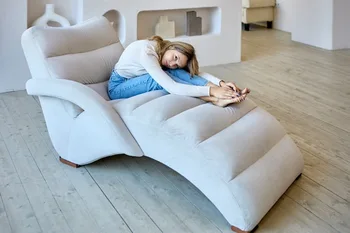
Furniture that promotes the art of rest and disconnection
Home, Furniture
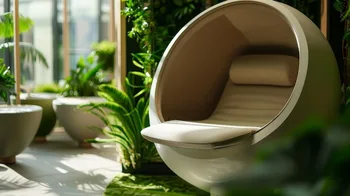
How to select furniture that reinforces your investment in Costa Rica

Home, Essential Appliances
Appliances that ensure functionality and style in your home

Home, Security and Technology
Early warning systems for smart home security