
Keys to choosing the ideal layout for your new home
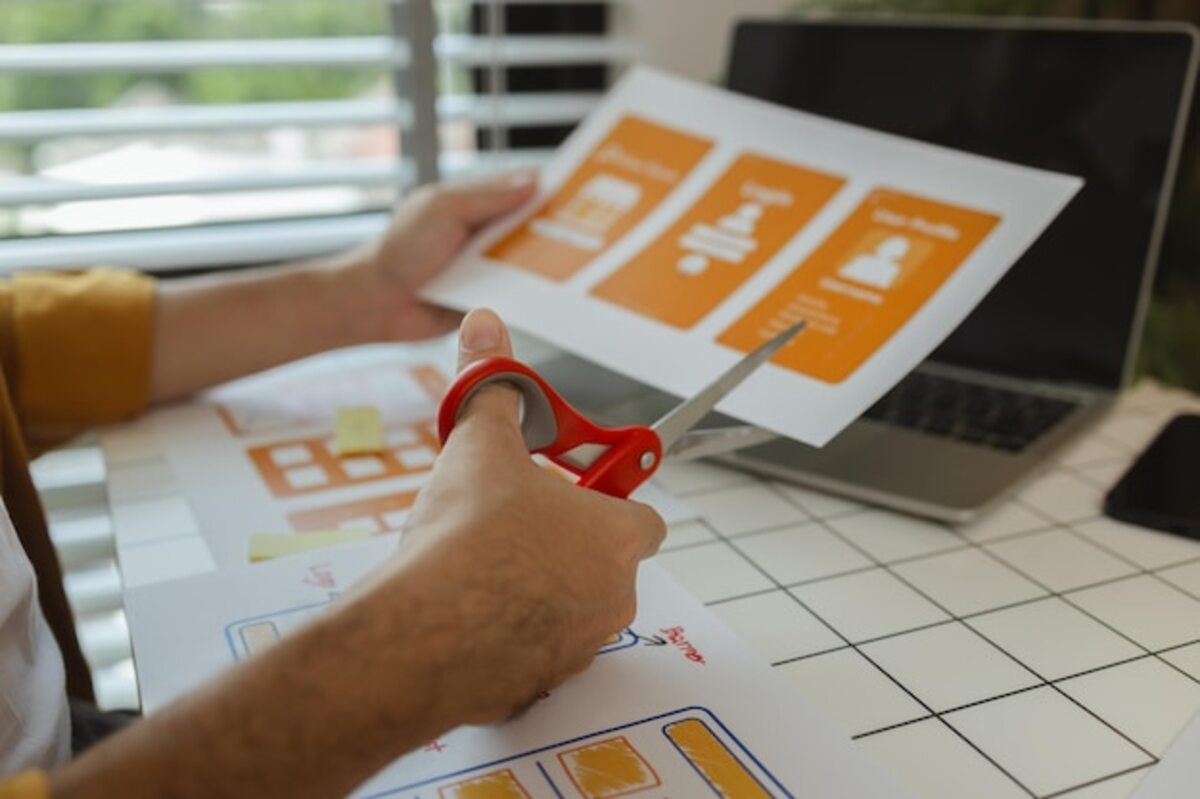
Choosing the ideal layout for your new home is a crucial step that can transform not only the space but also your quality of life. In this article, I will provide you with the keys to designing an environment that reflects your style and maximizes functionality. From the arrangement of furniture to the appropriate lighting, every detail matters. Get ready to discover how effective planning can make your home a cozy and harmonious place. Let's dive into the world of design and decoration!
Understanding your needs: What functions should each space fulfill?
When starting the design process of your home, it is essential to understand the specific needs of each space. Ask yourself what functions each room should fulfill: will the kitchen be a place solely for cooking or also a family gathering point? Will the living room serve only for relaxing or also as a space for receiving guests? Defining these priorities will allow you to create an environment that is not only aesthetically pleasing but also suited to your daily lifestyle. Functionality should be the foundation of the design, ensuring that each area serves its purpose without sacrificing comfort or aesthetics.
Also, consider the family dynamics and daily habits when evaluating how you will use each space. If you have small children or pets, for example, you will need more flexible and durable spaces. On the other hand, if you work from home, you might need an office that offers privacy and tranquility. Conducting a detailed analysis will help you identify which elements are essential and which can be optional. At the end of the day, the key is to create a home that not only looks good but also reflects your individual and family needs in every corner.
Advertisements
The importance of flow: How to ensure efficient circulation in your home.
Efficient circulation in a home is essential for creating a comfortable and functional environment. Proper flow allows inhabitants to move easily between different areas, which not only improves accessibility but also fosters a sense of harmony and connection between spaces. To achieve this, it's important to consider the arrangement of doors, hallways, and furniture. For example, avoiding obstacles in main pathways can facilitate daily transit and make the home feel more spacious and welcoming.
Additionally, natural light plays an essential role in creating an effective flow. Ensuring that each room receives enough natural light not only improves the aesthetics of the space but also positively influences the mood of its occupants. By arranging open spaces and strategically using mirrors to reflect light, you can maximize brightness throughout your home. Remember that a design aimed at optimizing flow not only enhances the functionality of the home but also contributes to a relaxing and pleasant atmosphere where every corner invites enjoyment.
Functional areas: Delimiting spaces for rest, work, and socialization.
When designing the layout of your home, it is essential to create functional zones that respond to the various activities you engage in daily. Delimiting specific areas for rest, work, and socialization not only improves the organization of the space but also fosters a more harmonious and productive environment. For example, a well-defined living room can become the ideal place to relax after a long day, while a corner dedicated to reading or working allows for maintaining concentration and reducing distractions. The key is to identify the specific needs of each household member and adjust the spaces accordingly.
Additionally, consider how the arrangement of furniture and decorative elements can influence the creation of these functional zones. Using rugs to define a conversation area or incorporating shelves as dividers can be an excellent way to delineate spaces without the need for physical walls. Also, ensure that each zone has appropriate lighting; for example, soft lights for moments of rest and brighter light for work areas. By balancing these aspects, you will be able to fully enjoy every corner of your home and encourage meaningful interactions between family members and your guests.
Making the most of space: Ideas for small and large houses.
Making the most of the space in your home, whether small or large, is essential for creating a functional and pleasant environment. In small houses, every corner counts; therefore, opt for multifunctional furniture that serves both storage and decoration purposes. For example, a bed with drawers or a coffee table with space for magazines can free up valuable areas. Additionally, consider using vertical shelves that take advantage of the height of the walls, allowing the floor to remain clear and giving a sense of spaciousness. Natural light also plays a crucial role: keeping light curtains or using mirrors strategically can make even the smallest spaces feel more open. On the other hand, in large houses, it's easy to fall into the trap of excess empty space. The key here is to define functional zones that encourage togetherness and comfort. You can use rugs to delineate specific areas like the living room or dining room, thus giving cohesion to the decoration. Movable panels are another smart option for dividing spaces without losing visual flow; they allow for the creation of flexible environments according to current needs. Don't forget to incorporate decorative elements that reflect your personality and add character to each area; this will make even large spaces feel cozy and well-designed.
Strategic lighting: Creating welcoming environments with natural and artificial light.
Lighting is a fundamental element in creating cozy and functional environments in your home. Natural light, when maximized through well-placed windows and appropriate treatments, not only illuminates spaces but also brings a sense of spaciousness and connection to the outside. To achieve this, consider the layout of the rooms: placing common areas like the living room or dining room near sources of natural light can enhance their appeal and make them more enjoyable for sharing with family and friends. Additionally, using mirrors strategically can help reflect that light and distribute it throughout the space.
On the other hand, artificial lighting plays a crucial role during nighttime or on cloudy days. Opting for a combination of different types of lights—such as warm lights in rest areas and brighter spotlights in workspaces—will allow you to create different atmospheres according to your needs. Dimmable lamps are an excellent option to adjust light intensity according to the occasion. Likewise, incorporating decorative elements such as sconces or LED lights on shelves can add a personal touch to the environment while providing functionality. By wisely blending natural light with an effective artificial lighting strategy, you can design a home that is not only visually appealing but also welcoming and adaptable to any moment of the day.
Personal style: Integrating your tastes into home layout.
By integrating your personal tastes into the layout of your home, you are creating a space that is not only functional but also an authentic reflection of who you are. Every corner can tell a story and offer a sense of belonging if you choose elements that resonate with you. Consider your passions, whether it's art, music, or nature; these interests can influence how you arrange the furniture, the colors you choose, and even the type of decoration. For example, if you love reading, you could create a cozy nook with a comfortable armchair and shelves filled with your favorite books.
Also, do not underestimate the power of lighting and textiles to enhance your personal style. Curtains, rugs, and cushions can add texture and color to your home, while good lighting can completely change the atmosphere of the space. When planning each area, think about how those elements can work together to create an environment that makes you feel comfortable. The key is to balance aesthetics and functionality; by doing so, you can enjoy a home that not only looks good but also feels cozy and welcoming for you and your loved ones.
Flexibility in design: Easy adaptations for the future of your home.
The flexibility in the design of your home is a key aspect that will allow you to adapt to the changing needs of your life. As your circumstances evolve, whether due to the arrival of new family members, changes at work, or simply a new personal stage, having a space that can be easily modified will be invaluable. Opting for multifunctional furniture, movable walls, or open spaces can facilitate this transition, allowing you to reconfigure areas for different uses without the need for major renovations. Moreover, by thinking about flexibility during the planning of your home, you will not only be anticipating immediate changes but also laying the groundwork for the future. Incorporating elements such as modular storage or versatile electrical and lighting installations can be a smart investment that saves time and resources later on. By creating an adaptable environment from the outset, you ensure that every corner of your house remains useful and relevant over time, providing you with the peace of mind needed to fully enjoy your space.
Advertisements
More in Decoration and Design

Home, Decoration and Design
Harmonious environments: the art of combining textures at home

Home, Decoration and Design
Tips for creating a home that secures your investment in Costa Rica

Home, Decoration and Design
Aspects to consider to secure your investment in a new home
Home, Decoration and Design
Guide to discovering the essence of your new home in Costa Rica
Most viewed in Home
Home, Furniture
Furniture that promotes the art of rest and disconnection
Home, Furniture
How to select furniture that reinforces your investment in Costa Rica
Home, Essential Appliances
Appliances that ensure functionality and style in your home

Home, Security and Technology
Early warning systems for smart home security