
Furniture that ensures comfort and safety in your new home.
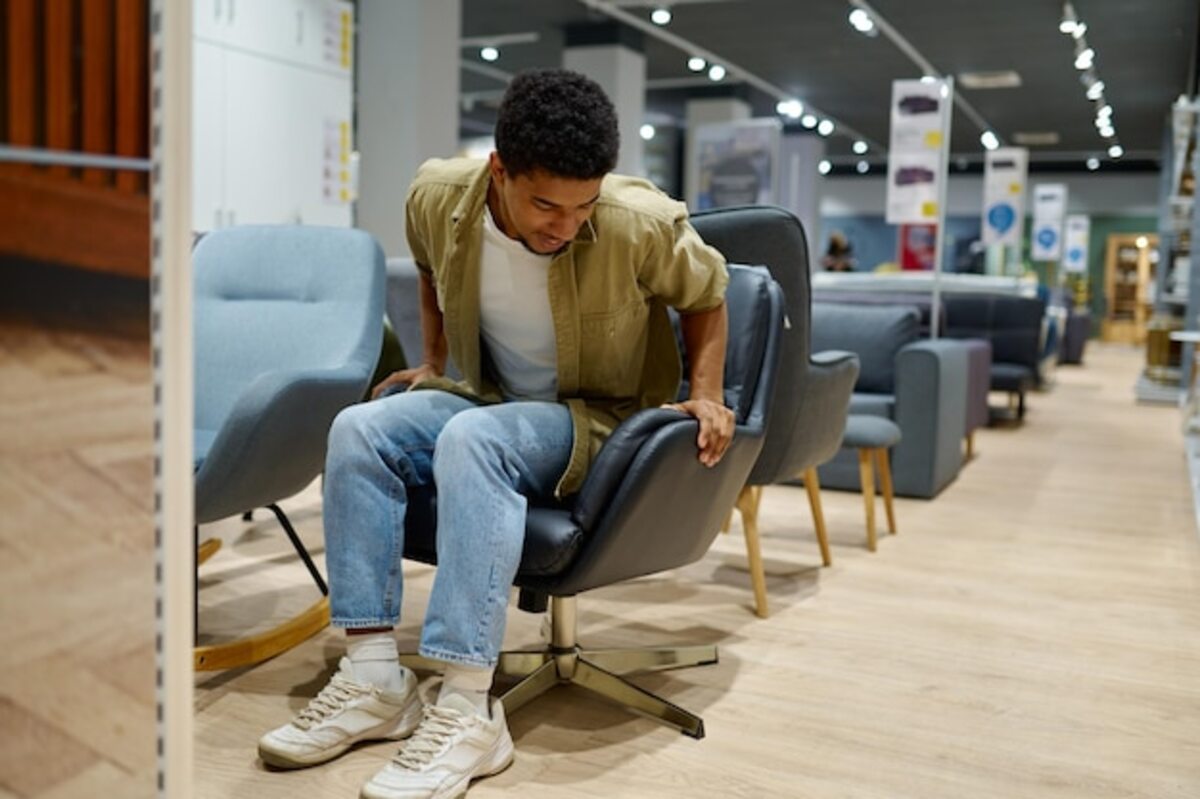
In the quest to create a cozy and safe home, furniture plays a fundamental role. Choosing pieces that not only beautify your space but also offer comfort and protection is essential for fully enjoying your new home. In this article, we will explore furniture options that combine style with functionality, ensuring that every corner is a safe and comfortable refuge for you and your loved ones.
The importance of choosing safe materials in furniture.
The choice of safe materials in furniture is crucial to ensure a healthy environment in your home. Many furniture items are made with chemical compounds that can release toxic substances, affecting air quality and the health of the inhabitants. Opting for eco-friendly and non-toxic materials, such as certified woods, organic fabrics, and water-based finishes, not only minimizes these risks but also contributes to a more sustainable environment. Furthermore, by choosing furniture free from harmful chemicals, you specifically protect children and individuals with allergies or sensitivities.
Another important aspect to consider regarding materials is their durability and resistance. Furniture made from high-quality materials not only provides greater safety as it is less prone to wear or breakage, but it also ensures a long-term investment. By selecting pieces that meet safety standards and are designed to withstand daily use, you ensure that your home remains cozy and functional for years. Ultimately, wisely choosing the materials for furniture is essential to create a space where both comfort and safety are unquestionable priorities.
Advertisements
Ergonomic furniture: keys to daily comfort
The choice of ergonomic furniture is key to ensuring daily comfort in your home. These designs are made to adapt to the natural shape of the body, promoting proper posture and reducing the risk of sedentary-related injuries. For example, chairs with lumbar support and adjustable desks are essential in workspaces, while sofas that provide good support can transform your living room into an ideal place to relax. Investing in furniture that respects ergonomics not only improves your physical well-being but also positively influences your productivity and mood.
In addition to their functionality, ergonomic furniture can be aesthetically pleasing and fit any decorative style. Nowadays, there is a wide variety of options available ranging from modern to classic, allowing these elements to be integrated without sacrificing the visual harmony of the home. When selecting ergonomic pieces, consider factors such as height, material, and design; these details are crucial to ensure that each piece of furniture serves its purpose while maintaining personal style. This way, you can enjoy a comfortable and safe environment that contributes to improving your daily quality of life.
Multifunctional furniture options for small spaces
When considering furniture options for small spaces, it is essential to look for pieces that maximize functionality without sacrificing style. Sofa beds are an excellent choice, as they provide a comfortable place to sit during the day and transform into a cozy bed at night, ideal for hosting guests. Additionally, extendable dining tables allow you to adapt the space according to your needs: they can be compact for everyday meals and expand when there are more guests. This type of furniture not only optimizes space usage but also helps create a versatile and welcoming environment.
Another valuable option is furniture with integrated storage. For example, ottomans or benches with storage capacity hide blankets, cushions, or toys inside them, allowing for order without losing practicality. Modular shelves are also an intelligent solution; they can be easily customized and reconfigured to fit different spaces and needs. By choosing multifunctional furniture, not only is the aesthetics of the home improved, but it also promotes a more organized and efficient lifestyle in small areas.
How to choose furniture that minimizes risks at home
When selecting furniture that minimizes risks at home, it is crucial to prioritize stability and the quality of materials. Choosing furniture with wide bases and sturdy designs can prevent accidents, especially in homes with children or pets. For example, solid wood tables and chairs offer greater resistance than their lighter and more fragile counterparts. Additionally, avoid furniture with sharp edges; instead, look for options with rounded corners to reduce the risk of injury. The choice of well-designed furniture not only adds an aesthetic touch to your space but also contributes to a safer environment.
Another important aspect is to consider the functionality of the furniture in relation to daily use. Sofas and armchairs with washable covers are ideal for maintaining a clean and healthy environment, while elevated beds can facilitate floor cleaning and minimize dust accumulation. When choosing shelves or storage units, make sure to secure them to the wall to prevent accidental tipping. Finally, it is always advisable to opt for furniture made from non-toxic and environmentally friendly materials, which not only ensures physical safety but also creates a healthier atmosphere in your home.
Interior design trends that prioritize safety
Interior design trends have evolved to prioritize safety without sacrificing style. Today, many designers focus on creating spaces that are not only visually appealing but also functional and safe for all household members. For example, the use of furniture with rounded edges and non-slip materials helps prevent accidents, especially in homes with young children or elderly individuals. Additionally, the choice of furniture made from non-toxic and sustainable materials promotes a healthy and safe environment.
Another key aspect is the incorporation of smart technology into furniture. From sofas that have fall alert systems to tables that can automatically adjust to facilitate access for people with reduced mobility, these innovations are designed to enhance quality of life within the home. Additionally, open and well-lit spaces promote a sense of safety by reducing dark areas where accidents could occur. In summary, current trends in interior design focus on creating safe and comfortable environments, allowing each person to fully enjoy their living space.
The influence of color and texture on the feeling of well-being
The choice of colors and textures in furniture can have a significant impact on our perception of space and, consequently, on our emotional well-being. Warm colors like terracotta or yellow tones can evoke feelings of warmth and joy, while soft blues and greens tend to promote calmness and relaxation. When selecting furniture for your home, it's important to consider how color combinations can influence the overall mood of the environment. For example, a sofa in a neutral tone combined with vibrant-colored cushions can create a perfect balance between serenity and energy.
In addition to colors, texture plays a crucial role in the tactile and visual experience of furniture. Soft materials like velvet or wool not only provide physical comfort but also create a cozy atmosphere that invites relaxation. On the other hand, more rustic textures like untreated wood can bring a sense of connection to nature and authenticity. By integrating different textures into your decor—such as combining smooth surfaces with rougher elements—you can enrich the sensory environment of your home, contributing to an overall sense of well-being that goes beyond the merely aesthetic.
Tips for keeping your furniture in optimal safety conditions
To keep your furniture in optimal safety conditions, it is essential to perform regular maintenance and apply some good practices in its daily use. Start by periodically checking the structures of chairs, tables, and other furniture to ensure that there are no loose or worn parts that could compromise their stability. Additionally, use appropriate cleaning products for each type of material; for example, wooden furniture requires specific cleaners that prevent damage from moisture and wear, while upholstery can benefit from the use of protective sprays against stains.
Another key aspect is the arrangement of furniture within the home. Ensure that the furniture is placed in a way that does not obstruct hallways or doors, as this could pose a risk in case of emergency. Additionally, consider choosing furniture with rounded edges if there are small children in the house, as this can prevent unnecessary accidents. Finally, maintain an environment free from electrical overload by using surge protectors and avoiding excessive use of extensions near the furniture; this not only ensures the physical integrity of the furniture but also the overall safety of the home.
Advertisements
More in Furniture
Home, Furniture
Furniture that promotes the art of rest and disconnection

Home, Furniture
How to select furniture that reinforces your investment in Costa Rica

Home, Furniture
Tips for selecting furniture that reflects your lifestyle
Home, Furniture
How to choose furniture that enhances the functionality of your home
Most viewed in Home
Home, Furniture
Furniture that promotes the art of rest and disconnection
Home, Furniture
How to select furniture that reinforces your investment in Costa Rica

Home, Essential Appliances
Appliances that ensure functionality and style in your home

Home, Security and Technology
Early warning systems for smart home security