
Furniture that maximizes functionality and comfort in your home

The furniture in your home should be more than just decorative; it should maximize functionality and comfort. In this article, we will explore how to choose versatile pieces that optimize every corner of your space, transforming your house into a cozy and efficient retreat. Discover how a proper selection of furniture can enhance not only the aesthetic but also the quality of life in your home. Get ready to be inspired to create an environment where every element matters!
The importance of ergonomic design in furniture
Ergonomic design in furniture is essential for creating a home environment that is not only aesthetically pleasing but also healthy and functional. Furniture designed with ergonomic principles takes into account human anatomy and proper postures, minimizing the risk of injuries and fatigue. For example, chairs and tables at the correct height promote proper posture during long hours of work or relaxation, while sofas with adequate lumbar support help maintain the natural curvature of the spine. By choosing pieces that fit the human body, immediate comfort is improved, as well as long-term well-being.
In addition to its impact on physical health, ergonomic design also positively influences productivity and mood. A well-designed environment can encourage better concentration and creativity. In spaces like home offices or study areas, having adjustable desks or comfortable chairs can make a significant difference in the quality of time spent on these activities. Thus, investing in ergonomic furniture not only transforms your home into a welcoming space but also enhances its functionality by facilitating a more active and balanced lifestyle.
Advertisements
Multifunctional furniture: smart solutions for small spaces
Multifunctional furniture has become an indispensable ally for those seeking to maximize space without sacrificing style or comfort. With the growing trend of living in smaller spaces, these innovative pieces allow for intelligent use of the environment. Imagine a sofa that turns into a bed or a coffee table that expands to accommodate more diners: these solutions are not only practical but also add a modern touch to home decor. By choosing versatile furniture, every corner can be transformed according to the needs of the moment, facilitating a more organized and efficient daily life.
In addition to their functionality, multifunctional furniture can be aesthetically pleasing and adapt to different decorative styles. From shelves that conceal folding desks to benches with internal storage, there are options that seamlessly integrate into any environment. These pieces encourage creativity and allow for space customization, making each area unique and inviting. Investing in multifunctional furniture not only optimizes the use of available space but also helps create a more harmonious home where each element works together to provide both comfort and practicality.
How to select materials that combine comfort and durability
When selecting materials for your home furniture, it is essential to seek a balance between comfort and durability. Choosing soft and cozy fabrics, such as velvet or microfiber, can provide a pleasant tactile experience, ideal for sofas and chairs where relaxation is sought. However, it is equally important to consider the resilience of these materials: those with stain treatments or that are abrasion-resistant can extend the life of your furniture, keeping its appearance fresh and attractive for longer. Additionally, dark colors or varied patterns can help to disguise daily wear and tear, contributing to a cozy environment without sacrificing style.
The choice of woods also plays a crucial role in the combination of comfort and durability. Hardwoods like oak or teak are ideal for furniture that will receive heavy use, as they are resistant to dents and scratches. At the same time, these woods can be treated with special oils or varnishes that enhance their natural beauty while protecting their surface. On the other hand, if you are looking for a lighter and easier to move option without compromising stability, consider alternatives like sturdy plywood. Investing in pieces made from sustainable materials not only benefits your home in aesthetic and functional terms but also contributes to environmental care.
The influence of color on the feeling of comfort in your spaces
Color is a fundamental element in creating environments that enhance the comfort and functionality of a home. Each shade has its own personality and can influence our emotions and perceptions. For example, warm colors like yellow and orange tend to evoke feelings of warmth and closeness, making them ideal for social spaces like the living room or dining room. In contrast, cool tones like blue and green can convey calmness and serenity, being perfect for bedrooms or relaxation areas. By choosing the right colors for your furniture and accessories, you can transform any room into a cozy space where you feel at ease.
In addition to the emotional impact, color choice can also affect the perception of physical space. Light colors often make rooms feel larger and brighter, while dark tones can create a more intimate atmosphere but can also make a space feel more confined if not managed properly. By incorporating furniture in strategic colors, you can maximize both the functionality and aesthetics of your home. Thus, combining pieces with different color palettes not only beautifies your environment but also helps you define areas within your house, thereby enhancing its daily use without sacrificing the comfort and warmth that each corner deserves.
Storage spaces: optimize with style and functionality
Storage spaces are essential in any home, as they allow for order and organization without sacrificing style. When selecting furniture that offers storage solutions, look for pieces that harmoniously integrate with the existing decor. For example, open shelves not only provide space for books and decorative items but also serve as visually appealing elements. Choose multifunctional furniture, such as ottomans or coffee tables with hidden compartments, that adapt to your needs and help maximize every available corner.
In addition to being practical, storage spaces should reflect your personality and style. Consider using decorative baskets or stylish boxes within furniture to keep items out of sight while adding a cozy touch to the environment. Do not underestimate the impact of color and materials; for example, a natural wood storage unit can bring warmth to a modern space. Remember that the key is to find a balance between functionality and aesthetics: each piece should have a clear purpose while contributing to the creation of a harmonious and appealing home.
Incorporating technology into modern furniture for a smarter home
Incorporating technology into modern furniture has become an essential trend for those seeking a smarter and more functional home. Today's furniture not only serves its aesthetic and practical purpose but also integrates technological solutions that enhance the daily experience. For example, work tables with built-in USB ports or sofas that feature wireless charging systems allow us to keep our devices always ready, eliminating the chaos of cables and providing comfort to users. In this way, each piece not only becomes a decorative element but also an ally in everyday life.
Furthermore, the incorporation of technology in furniture allows for the creation of more efficient and adaptable environments. Smart furniture like shelves that automatically adjust their height or beds that regulate firmness according to user preferences facilitate a level of customization that was previously unthinkable. This not only maximizes physical comfort but also contributes to a healthier lifestyle by promoting correct postures and better rest habits. Thus, by choosing furniture with integrated technology, we transform our living spaces into places where functionality and well-being come together to offer a superior quality of life.
Current trends in furniture that prioritize comfort
In the search for a home that combines functionality and comfort, current trends in furniture focus on creating cozy and adaptable spaces. One of the main currents is the use of modular furniture, which allows for reconfiguring the space according to the needs of the moment. These systems not only offer flexibility but also prioritize comfort as they are designed to be ergonomic and facilitate proper rest. Incorporating pieces that can be easily moved and reorganized helps to maximize every corner of the home, turning common areas into personal retreats.
Additionally, soft and pleasant-to-the-touch materials are gaining prominence in contemporary furniture design. Textiles like velvet or microfiber provide a warm and comfortable feeling, inviting longer enjoyment of the space. Complemented by neutral colors or earth tones, this style aims to create relaxing environments that promote emotional well-being. The trend towards sustainability is also reflected in the choice of furniture made from recycled or eco-friendly materials, ensuring not only physical comfort but also an environmental consciousness in home decor.
The role of textiles: how to choose upholstery that enhances comfort
The role of textiles in the choice of upholstery is fundamental to maximize comfort in our home. When selecting fabrics for sofas, chairs, and other upholstered furniture, it is essential to consider not only aesthetics but also functionality. Choosing fabrics that are soft to the touch and breathable can make a significant difference in the daily experience. Materials like cotton or linen are ideal for warm climates, while wool blends can provide warmth in cooler spaces. Additionally, it is important to consider durability and ease of cleaning, especially if there are children or pets at home.
Similarly, the colors and patterns of textiles can significantly influence the perception of comfort. Soft and neutral tones tend to create a relaxing atmosphere, while more vibrant prints can add energy and character to a space. The key is to find a balance between style and functionality; for example, choosing upholstery with stain-resistant treatments can be an excellent option to maintain the beauty of the furniture without sacrificing practicality. Ultimately, by paying attention to the right textiles, not only is physical comfort improved when sitting or reclining, but it also helps to create a harmonious and welcoming environment that invites rest and enjoyment in every corner of the home.
Create relaxation areas: key furniture for a cozy home
Creating relaxation zones in your home is essential for fostering an environment of well-being and tranquility. Choosing the right furniture can make the difference between an ordinary space and a cozy retreat. Spacious and comfortable sofas, recliners, and poufs are just a few of the options you can incorporate to define these areas. By selecting pieces with soft textures and warm colors, you will not only provide comfort but also invite relaxation and rest. Additionally, consider including side tables or small shelves where you can place books, candles, or decorative items that reinforce the serene atmosphere.
Another key aspect is lighting; combining your furniture with an appropriate arrangement of lights can further enhance the sense of warmth in these areas. Floor lamps next to your sofa or soft wall sconces can create cozy corners where you can enjoy quiet moments. Also, remember to add elements like soft rugs that define the space and provide an enveloping feel to the environment. With these carefully selected furniture pieces and details, you can design specific areas dedicated to relaxation, turning your home into a true sanctuary of comfort.
Advertisements
More in Furniture
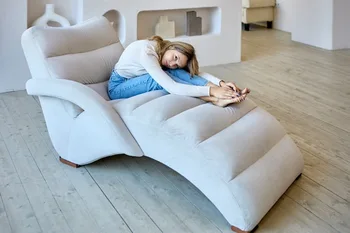
Home, Furniture
Furniture that promotes the art of rest and disconnection
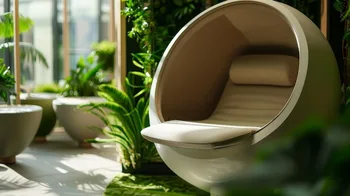
Home, Furniture
How to select furniture that reinforces your investment in Costa Rica
Home, Furniture
Tips for selecting furniture that reflects your lifestyle
Home, Furniture
How to choose furniture that enhances the functionality of your home
Most viewed in Home
Home, Furniture
Furniture that promotes the art of rest and disconnection
Home, Furniture
How to select furniture that reinforces your investment in Costa Rica

Home, Essential Appliances
Appliances that ensure functionality and style in your home

Home, Security and Technology
Early warning systems for smart home security