


How to furnish a new house in stages and on a budget
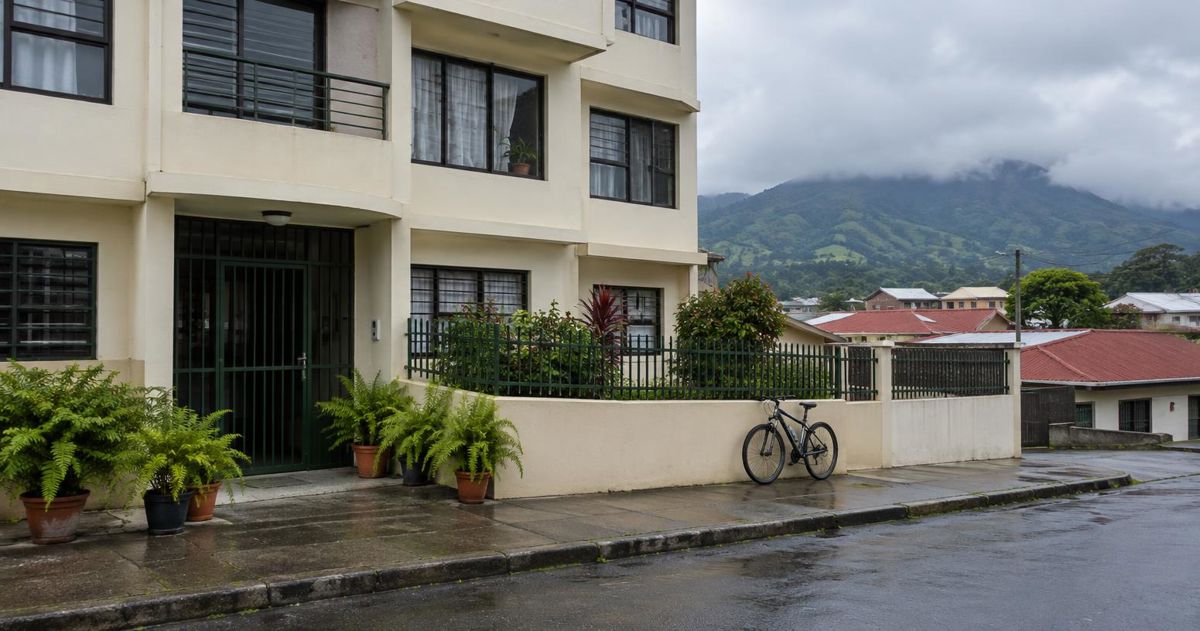
A new house in Costa Rica is rarely furnished in a single weekend, and it does not have to be. This guide is for anyone who has just bought or rented and wants to do it in stages: what to buy first, which appliances are needed from day one, how to build a clear budget and how to give the house its own character without filling it with impulse purchases.
What should you buy first, and what can wait, in a new house?
The practical rule is simple: the first things you buy are the ones that let you live in the house from the first night. A bed with a good mattress, a place to eat, curtains in the bedrooms and the kitchen basics. Everything else is ordered in stages, according to how you actually use each space. Furnishing this way reduces the risk of buying a sofa that does not fit through the door or a dining set that blocks the way.
| Stage | What it includes | Why in that order |
|---|---|---|
| First: living | Bed and mattress, table and chairs, curtains, refrigerator, stove, washing machine and basic utensils | Lets you sleep, eat and do laundry from day one |
| Second: organizing | Sofa, wardrobes or closets, bookcases, desk, bathroom furniture and storage | Easier to decide after a few weeks of use |
| Third: decorating | Pictures, rugs, lamps, plants, textiles and outdoor furniture | Depends on the light, colors and style already defined |
For appliances, the essentials to start with are the refrigerator, the stove (electric or gas, depending on the house's installation) and the washing machine. A rice cooker and a blender cover much of everyday cooking in Costa Rica; the microwave, the dryer or the dishwasher can wait. Before buying, check which outlets each space has, whether the stove needs a special connection and how wide the refrigerator space is. If you are still comparing options among homes for sale in Costa Rica, ask what each one includes: some are delivered with kitchen cabinets, closets or a water heater, and that changes the shopping list.
What is best left for later is the formal dining set, the decoration and the outdoor furniture. Living in the house for a few weeks shows you where the light comes in, which corners get damp in the rainy season, where heat builds up and how the family moves through the house. With that information, each later purchase fits better.
Advertisements
How do you build a budget to furnish and decorate?
The furniture budget starts where the purchase or moving budget ends. Anyone still deciding how much to pay for the home can review home prices in Costa Rica to estimate how much will be left after signing, closing costs and the move. The prudent approach is not to spend on furniture the money that should remain as a reserve for the household.
- Measure each room, door and hallway, and draw a simple plan by hand.
- List by room what is essential and what is desirable, in two separate columns.
- Get quotes for each major item from at least three stores and include delivery and installation.
- Assign each purchase to a stage and a month, according to your available income.
- Set aside a separate fund for surprises, repairs and details that come up when moving in.
- Review the budget at the end of each stage before moving on to the next.
With store credit, it is worth looking at the total cost and not just the installment. Stacking several installment purchases at the same time complicates the budget for the following months. Other routes help stretch the money: second-hand furniture in good condition, carpentry workshops that build to measure and craft fairs, where you find unique pieces. A solid table bought used and well restored can last longer than a new one made of weak materials.
How do you choose a style and give the house its own character?
A style is better chosen from the house itself than from a magazine. Start with what you already own and want to keep, with the light in each space and with the climate of the area. In Guanacaste or Puntarenas, cool fabrics, light woods and furniture that lets air circulate work well; in Cartago or the higher parts of Heredia, heavier textiles and warm tones are welcome. Gather photos of spaces you like and look for what repeats: colors, materials, shapes.
With that, define a short palette of three colors and a base material, such as wood or rattan, that repeats across several rooms. A home's own character comes from pieces with a story: Guaitil pottery, from Santa Cruz in Guanacaste; a painted oxcart or a carved piece from Sarchí; teak furniture or other woods worked by local carpenters; hammocks, cushions and woven blankets. A few well-chosen pieces say more than many mass-produced ones, and they can be added over time, in the third stage.
Style is also measured by how the house is used. A wide dining table, a living room arranged for conversation and not only around the television, or a kitchen with a breakfast bar change a family's daily life. Furniture that promotes family connection in every space offers concrete ideas for choosing furniture with that criterion, room by room.
How do you gain storage and make one room serve several purposes?
In small houses and apartments, each piece of furniture must earn its place. The pieces that do the most are the ones that store or transform: beds with drawers or a lift-up base, sofa beds, extendable or fold-down tables, benches with inner storage and ottomans that work as both seat and chest. Furniture on legs, which leaves the floor visible, makes the space feel larger.
- Use the height: shelves up to the ceiling, shelves above doors and hooks behind them.
- Use the space under the stairs or under the bed with boxes of the same size.
- Choose closets with sliding doors where a swinging door gets in the way.
- Place mirrors facing the windows to multiply the light.
To make one room serve several purposes, the trick is to divide it into zones. A guest room can also be an office if the desk folds away and the bed is a sofa bed. A rug, an open bookcase or a folding screen mark where one zone ends and another begins without building walls. Each zone needs its own light: a desk lamp for working and a warmer floor lamp for resting.
The key is not to lose the room's function as a place to rest. If the bedroom is also an office, it helps if work can be put away at the end of the day, behind a cabinet door or inside a desk that closes. Furniture that promotes the art of rest and disconnection has more ideas so shared spaces remain places to sleep and disconnect.
How do you decorate a rented apartment and make the most of the balcony?
In a rental, before drilling a wall or painting, check what your lease says and ask the owner; the prudent approach is to have any agreed change in writing. If you are still looking among homes for rent in Costa Rica, ask during the visit which changes the owner accepts. Meanwhile, there is a lot you can do without touching the walls: adhesive hooks and strips for light pictures, pictures leaning on shelves or on the floor, curtains on tension rods, floor lamps instead of new ceiling lights, rugs and plants.
Removable wallpaper and vinyl decals help change a wall or a kitchen, but it is worth testing them first in a hidden spot, because some paints come off when they are removed. Textiles, such as curtains, throws, cushions and rugs, are the fastest way to change the feel of a rental, and they move with you to the next home.
A balcony, however small, can be one more corner of the house. A few folding chairs, a fold-down table attached to the railing and hanging planters are enough to have coffee outside. Choose furniture that resists sun and humidity, and think about the afternoon rain: an outdoor curtain or an awning extends its use in the rainy season. Watch the weight of large planters and the drainage of watering, and ask the management if you live in a condominium. Urban spaces that invite coexistence and well-being has ideas for thinking about the balcony and common areas as part of daily life.
What we would do when furnishing a new house
- We would buy in the first stage only what lets you sleep, eat and do laundry, and leave decoration until after a few weeks in the house.
- We would build the budget by room and by month, with a separate fund for delivery and surprises.
- If the purchase is still undecided, we would also compare cheap homes for sale in Costa Rica, because what is saved on the home remains available to furnish it.
- In a rental, we would look among cheap homes for rent in Costa Rica for one that already includes the basics, and decorate with pieces that can move with us.
- We would invest in a few pieces with character, made of wood or local crafts, instead of many mass-produced ones.
Frequently asked questions
How do you set up a home cinema or karaoke space?
You do not need a dedicated room: a living room or a multipurpose room is enough. The essentials are controlling the light with heavy curtains, choosing a screen or a projector according to the distance from the seats, and adding a simple sound system. Comfortable seats, cushions and rugs improve acoustics and comfort. For karaoke, a wireless microphone connected to the television or the speaker is usually enough. Keep the volume moderate out of consideration for the neighbors, especially in an apartment.
Which appliances should you have before moving in?
The ones that let you live there from day one: the refrigerator, the stove and the washing machine, plus a rice cooker and a blender for everyday cooking. The microwave, the dryer and the dishwasher can wait for a later stage. Before buying them, check the outlets and the measurements of each space, and confirm what the house includes, because some are delivered with kitchen cabinets or a water heater.
Can you decorate a rented apartment without drilling the walls?
Yes, and it is the most prudent route until you have an agreement with the owner. Adhesive hooks and strips hold light pictures, shelves and the floor can support large pictures, and tension rods let you hang curtains. Floor lamps, rugs, plants and textiles change the feel without touching the structure. Before using removable wallpaper, test it in a hidden spot.
This guide summarizes common practice for furnishing and decorating a home in Costa Rica in November 2026. It does not replace the advice of a lawyer or a notary on your purchase or rental contract, nor that of a professional for electrical installations or structural changes to the house.
Advertisements
More in Furniture
Home, Furniture
Furniture that promotes the art of rest and disconnection
Home, Furniture
Eco-friendly furniture that transforms your home into a green oasis.
Home, Furniture
Furniture that enhances the connection with nature at home
Home, Furniture
Furniture that maximizes natural light in your home
Most viewed in Home
Home, Furniture
Furniture that promotes the art of rest and disconnection
Home, Security and Technology
Early warning systems for smart home security

Home, Entertainment and Technology
Bring your walls to life with interactive digital art at home.

Home, Security and Technology
Redefining home security with smart mesh technology