
Tips for choosing furniture that enhances the harmony of the home
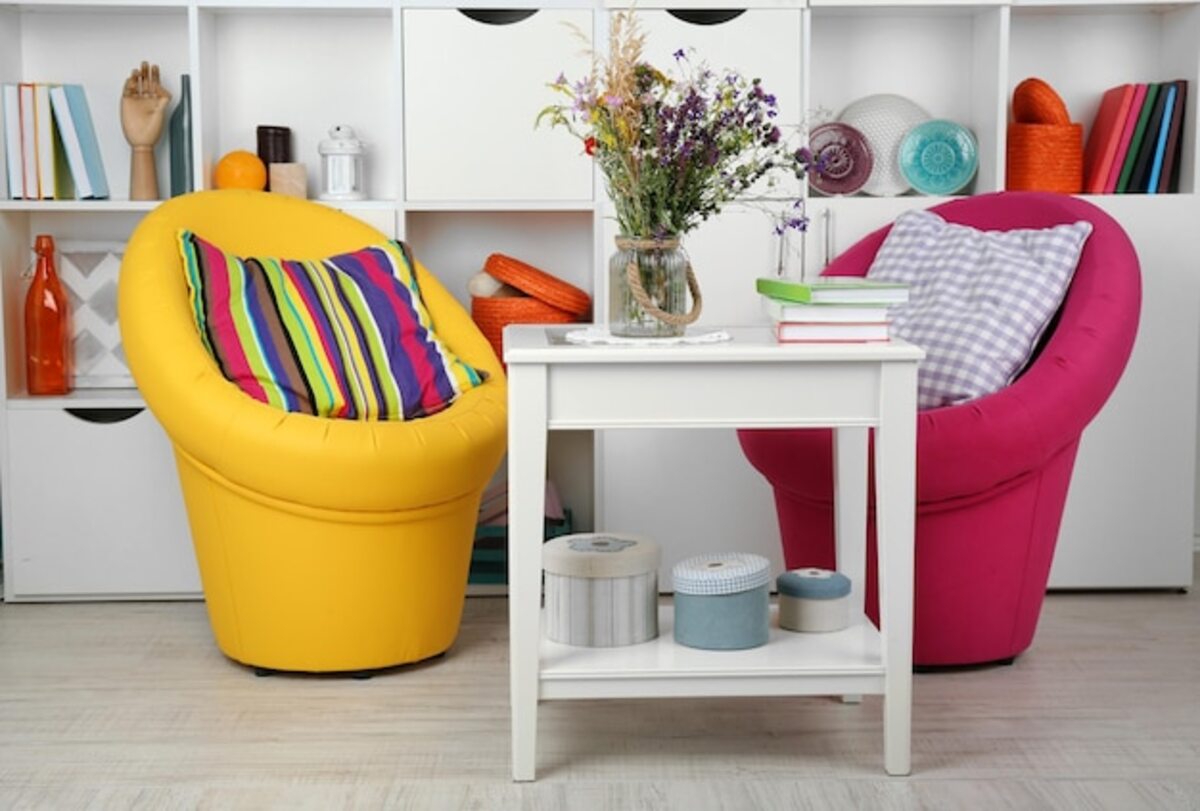
Choosing the right furniture is essential for creating a home that exudes harmony and style. Each piece should not only serve a function but also contribute to the desired aesthetics and atmosphere. In this article, I will share practical and effective tips that will help you select furniture that enhances the beauty of your space and reflects your personality, turning your home into a cozy retreat. Get ready to discover how to achieve that perfect harmony in every corner.
Define your personal style before buying.
Before embarking on the search for furniture, it is essential to take a moment to define your personal style. This first step will help you establish a clear vision of how you want your home to feel and look. Think about the colors that inspire you, the textures you enjoy, and the shapes that attract you the most. Research different decorative styles such as minimalism, Nordic, bohemian, or industrial, and select those elements that resonate with you. This reflection will not only facilitate your decisions but also ensure that each piece of furniture chosen reflects who you are and how you wish to live in your space.
Once you have identified your personal style, start making a list of the key features you want to incorporate into your furniture. Consider aspects such as functionality, the right size for your spaces, and comfort. Ensure that each piece not only aligns with your desired aesthetic but also with your daily needs. For example, if you value warmth and family togetherness, look for cozy furniture like spacious sofas and extendable tables. Remember that a harmonious home is not just about the visual; it should be a place where you feel comfortable and happy in every corner. With this clear guide in mind, you will be ready to choose pieces that truly transform your home into a unique and inspiring refuge.
Advertisements
Consider the functionality of the furniture.
When considering the functionality of furniture, it is crucial to evaluate the specific needs of each space. Every room has a unique purpose and, therefore, the furniture must adapt to those requirements. For example, in a living room, sofas should offer comfort for moments of relaxation and socialization, while side tables can facilitate the placement of drinks or books within reach. Choosing versatile pieces, such as a sofa bed or an extendable table, can maximize the use of space without sacrificing style or comfort. This way, you will achieve not only a harmonious environment but also a practical and dynamic one.
Additionally, the choice of multifunctional furniture can be key to maintaining an organized and open environment. In small spaces, furniture that offers additional storage is ideal for minimizing clutter and maintaining a clean appearance. For example, ottomans with internal storage capacity or shelves that also function as room dividers are smart options that provide both aesthetics and efficiency. By prioritizing functionality in each selected piece, not only is the available space optimized, but a more fluid and welcoming atmosphere is also created in your home.
The importance of proportions and scales
The choice of furniture goes beyond simply selecting pieces that we like; it also involves considering the proportions and scales of each element in relation to the space. A large sofa in a small room can make the environment feel cluttered and uncomfortable, while furniture that is too small can visually get lost. It is essential to measure your space and take into account the height, width, and depth of the furniture to ensure that everything fits harmoniously. By doing so, you will facilitate a natural flow in the room, which is key to creating a welcoming home.
Furthermore, the correct proportions not only affect the functionality of the space but also its overall aesthetics. For example, when combining different types of furniture, such as a low table with high chairs or a narrow sideboard with a large mirror, it is crucial to maintain a visual consistency that avoids abrupt contrasts. Scale thus becomes a powerful tool for generating balance and cohesion among decorative elements. Ensure that your choices highlight the architectural features of the space and allow for smooth circulation, thereby contributing to the overall harmony of the home.
Materials that provide warmth and durability
When selecting furniture that highlights the harmony of the home, it is essential to consider materials that provide both warmth and durability. Wood is one of the favorites in interior design, as it not only offers a natural and cozy aesthetic but also provides strength and longevity. Noble woods, such as oak or teak, are particularly valued for their ability to withstand the passage of time and their inherent beauty. Incorporating wooden pieces into your furniture can make every corner feel warmer and more livable, creating an environment where everyone feels comfortable.
Another material that deserves attention is textiles. Soft fabrics like linen, wool, or even velvets can bring a sense of comfort and warmth to any space. When choosing upholstery for sofas or chairs, consider neutral colors or earth tones that complement your home's palette while adding visual texture. Additionally, cushions and blankets made from different materials not only enhance comfort but also allow for playing with layers and depths in the decor, making the home a cozy place to enjoy pleasant moments.
Color palette: keys to visual harmony
Choosing the right color palette is essential for achieving visual harmony in your home. Colors not only influence the perception of space but also affect our mood and well-being. When selecting furniture, it is crucial to consider how it will integrate with the tones of the walls, floors, and existing decorative elements. Opting for a cohesive palette that combines complementary or analogous tones can create a more fluid and inviting environment. For example, if you have chosen a scheme in neutral tones, adding furniture in soft pastel shades or natural textures can bring warmth without clashing.
Also, don't underestimate the power of color accents. A vibrant piece of furniture or a centerpiece with a bold design can act as focal points that draw attention and add character to the room. However, it is crucial to balance these elements to avoid making the space feel chaotic. A good strategy is to choose one or two primary colors for your furniture and complement them with secondary details in accessories like cushions, curtains, or rugs. This way, you will achieve an appealing visual balance that reflects your personal style while maintaining the desired harmony throughout the environment.
Multifunctional furniture: optimize space
Multifunctional furniture is an innovative and practical solution for those looking to optimize space in their home without sacrificing style. These versatile elements, such as sofa beds, extendable tables, or shelves that convert into desks, allow for maximizing usable areas while maintaining a harmonious environment. By incorporating this type of furniture, not only is space utilized efficiently, but a modern and functional touch is also added to home decor. The key is to choose pieces that integrate with the rest of the furniture and complement the overall aesthetic of the space.
In addition to being practical, multifunctional options help reduce visual and physical clutter in the home. By decreasing the number of pieces of furniture needed to perform different tasks, a clearer and more relaxing atmosphere is created. This is especially beneficial in small spaces where every corner counts. By selecting furniture that serves multiple purposes, you can ensure that your home is not only functional but also cozy and stylish. Don't forget to consider the quality and durability of these elements; investing in well-designed pieces will ensure that they accompany you for a long time, maintaining harmony in your personal retreat.
Lighting as an ally of furniture
Lighting is a fundamental element that can completely transform the perception of furniture in your home. Proper lighting highlights the textures, colors, and shapes of each piece, creating a visual dialogue that enhances the harmony of the space. For example, a strategically placed floor lamp next to a sofa not only illuminates the area but also highlights the design of the furniture and makes it the focal point of the room. Additionally, by playing with different light sources, such as recessed lights or warm lights, you can create cozy environments that invite you to enjoy the surroundings.
It is important to consider both the intensity and the color temperature of the chosen lights to complement your furniture. Warmer lights usually create a sense of warmth and comfort, ideal for resting areas like living rooms and bedrooms. On the other hand, cooler lights can add a modern and elegant touch in spaces like kitchens or offices. By integrating these lighting variations with your furniture, you will achieve an aesthetic cohesion that will make every corner exude style and personality, thus enhancing the overall harmony of your home.
Accessories that complement without overwhelming
To achieve harmony in the home, it is essential to select accessories that complement the furniture without overloading the space. These decorative elements, such as cushions, blankets, or small pieces of art, should be chosen carefully, ensuring that their style and color align with the rest of the environment. The key is to maintain a visual balance; for example, if you have a sofa in neutral tones, you can choose cushions in vibrant colors or subtle patterns that add interest without clashing. This way, each accessory becomes an extension of the main furniture rather than a competitor.
Also, consider the scale and proportion of the accessories in relation to the furniture. A large painting can be impressive on a wide wall behind a spacious sofa, while smaller pieces may get lost if placed on very extensive surfaces. It is advisable to group the accessories into sets that create a coherent visual narrative; this not only adds depth to the design but also allows each piece to shine without overwhelming the space. Always remember to leave enough free space to ensure that the flow and functionality of the home prevail over any decorative excess.
Maintain the balance between the modern and the classic.
Maintaining a balance between the modern and the classic in furniture selection is essential for creating a harmonious and timeless environment. Modern furniture, with its clean lines and innovative designs, can bring freshness and functionality to your home. However, by combining it with classic pieces, such as an elegant carved wooden table or a vintage sofa, you can add character and warmth to your spaces. This fusion not only prevents your home from feeling cold or impersonal but also allows each piece to tell its own story, thus contributing to a rich and inviting visual narrative.
When selecting furniture, look for elements that serve as a bridge between contemporary and traditional styles. For example, a minimalist design lamp can be placed over an antique console to create an attractive contrast. You can also choose modern textiles in neutral tones that complement classic patterns in curtains or tapestries. This approach not only ensures that your home remains relevant over time but also reflects your multifaceted personality. At the end of the day, the key is to experiment and integrate both styles harmoniously to achieve a balanced and vibrant space.
Tips for maintaining consistency throughout the house
To achieve visual coherence throughout the house, it is essential to establish a color palette and a decorative style that remains consistent across different spaces. This does not mean that each room must have the same furniture or design, but rather that the choices should communicate with one another and create a fluid visual narrative. For example, if you choose a modern style in the living room, you can incorporate elements of that same style in other spaces like the kitchen or dining room. Using complementary tones or similar textures will help to unite the environments, creating a sense of continuity.
Also, consider the scale and proportion of the furniture in relation to the size of each room. Oversized furniture can overwhelm a small space, while minimal pieces can get lost in larger areas. The key is to balance these dimensions so that each area feels harmonious and inviting. It is also helpful to include recurring decorative elements, such as cushions or pictures with similar motifs, as these details will reinforce aesthetic cohesion without detracting from the personality of each individual space. Keeping these principles in mind, you can create a home where every corner reflects your personal style while exuding harmony and warmth.
Advertisements
More in Furniture
Home, Furniture
Furniture that promotes the art of rest and disconnection

Home, Furniture
How to select furniture that reinforces your investment in Costa Rica

Home, Furniture
Tips for selecting furniture that reflects your lifestyle
Home, Furniture
How to choose furniture that enhances the functionality of your home
Most viewed in Home
Home, Furniture
Furniture that promotes the art of rest and disconnection
Home, Furniture
How to select furniture that reinforces your investment in Costa Rica

Home, Essential Appliances
Appliances that ensure functionality and style in your home

Home, Security and Technology
Early warning systems for smart home security