
Tips for ensuring the best purchase of your new home in Costa Rica
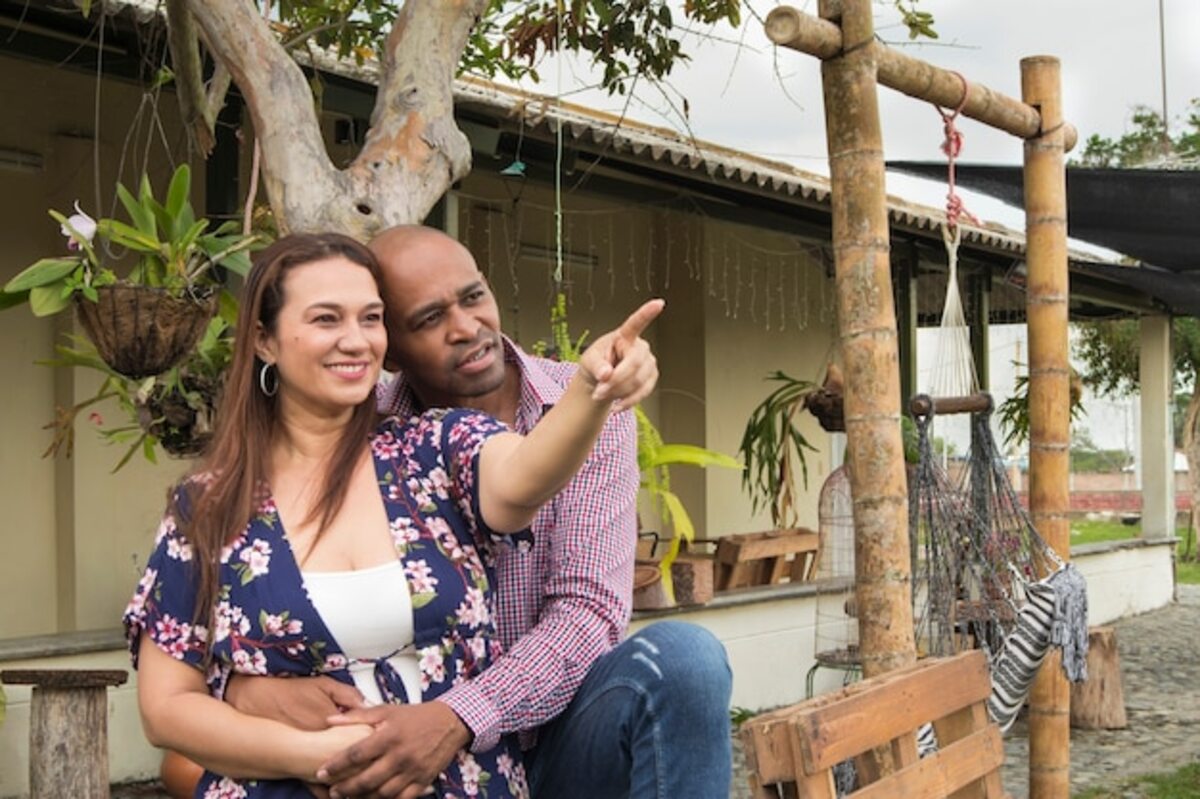
Are you ready to take the step towards buying your new home in Costa Rica? This beautiful country offers an impressive variety of options, but navigating the process can be a challenge. In this article, we will share practical and valuable tips to ensure that your investment is the best it can be. From analyzing the market to considering the perfect location, here you will find everything you need to know to make your new home a space that reflects your lifestyle and dreams. Keep reading and discover how to become an expert in property buying!
Understand the Costa Rican real estate market
Understanding the Costa Rican real estate market is essential for any buyer looking to make an intelligent investment. In Costa Rica, the real estate sector presents a diverse landscape, where properties vary not only in price but also in location, typology, and characteristics. Coastal areas are popular among foreign investors due to their natural beauty and the possibility of vacation rentals, while urban areas like San José offer convenience and access to essential services. Knowing market trends, such as demand in different regions and average prices per square meter, will enable you to make more informed decisions when choosing your new home.
Additionally, it is crucial to pay attention to external factors that can influence the Costa Rican real estate market. Aspects such as infrastructure development, changes in government regulations, or even economic fluctuations can affect both the availability of properties and their long-term value. Conducting a thorough analysis of the local environment and consulting with industry experts will help you anticipate potential opportunities or risks. By understanding these dynamics, you will be better positioned to negotiate and find the ideal property that meets your needs and expectations.
Advertisements
Set a realistic and flexible budget.
Setting a realistic and flexible budget is one of the most crucial steps in the process of buying your new home in Costa Rica. Before you start searching for properties, it is essential to analyze your personal finances. This includes evaluating your income, expenses, and savings to determine how much you can allocate to the purchase without compromising your economic stability. Consider all the costs associated with acquiring a property, such as the down payment, notary fees, taxes, and maintenance. By having a clear understanding of this financial landscape, you will be able to set a limit that allows you to explore options within an accessible range.
However, it is also important to maintain some flexibility within that budget. The real estate market can be unpredictable; you may find a property that perfectly fits your desires but is slightly above what you planned. In those cases, consider whether there is room to adjust other areas of your financing or if you can negotiate with the seller to close the deal. Additionally, keep in mind the possibility of additional financing or government subsidies that may be available for buyers in Costa Rica. A flexible budget will allow you to make more informed decisions and adapt to opportunities that arise during your search for the ideal home.
The importance of choosing the ideal location
Choosing the ideal location for your new home in Costa Rica is one of the most crucial aspects of the buying process. It's not just about finding a property you like, but also considering how that location aligns with your lifestyle and long-term needs. Factors such as proximity to essential services, schools, workplaces, and recreational areas can significantly influence your quality of life. Furthermore, it is essential to assess the neighborhood's atmosphere and safety, as this will impact not only your well-being but also the future value of your investment.
Another important aspect to consider is access to transportation and road connections. A good location should facilitate your daily commute, whether to your workplace or to enjoy the natural wonders that Costa Rica offers. Well-connected areas tend to experience greater appreciation of real estate value over time, which can be advantageous if you decide to sell or rent in the future. Ultimately, choosing the ideal location not only enhances your daily experience but also protects and boosts the economic value of your new property.
Considerations on local laws and regulations
When considering the purchase of a new home in Costa Rica, it is essential to be aware of the local laws and regulations that may affect your investment. Each canton or region may have specific regulations related to property, land use, and building permits. Therefore, it is advisable to conduct thorough research or seek the advice of a lawyer specialized in real estate to ensure that all transactions are carried out in accordance with the law. This will not only protect you legally but also ensure that your new home meets all the requirements set by local authorities.
It is also important to inform you about property-related taxes in Costa Rica, such as the property tax and other charges associated with the purchase. These costs can vary significantly depending on the location and type of property you are considering. By understanding these tax obligations from the beginning, you will be able to better plan your budget and avoid unpleasant surprises in the future. Also, remember to check if there are special regulations for properties located in protected areas or coastal zones, as this could influence your rights as a property owner and the possibilities for development or modification of your new home.
Evaluate properties: what to look for beyond the surface
When evaluating properties in Costa Rica, it is crucial to go beyond the surface and consider aspects that will truly impact your long-term quality of life. While exterior aesthetics and location are important, you should also pay attention to factors such as the building's structure, the condition of electrical and plumbing systems, as well as the quality of materials used in construction. Conducting a thorough inspection will allow you to identify potential issues that could lead to significant expenses in the future. Do not hesitate to hire a professional to help you assess these technical aspects; their expertise can be invaluable in avoiding unpleasant surprises.
Also, consider the immediate surroundings of the property. Research nearby services such as supermarkets, schools, and medical centers, as well as access to public transportation and major roads. The safety of the neighborhood is another fundamental aspect; make sure to inquire about crime rates and whether there is police presence in the area. It is also advisable to talk to potential neighbors to get a clearer idea about the community. Remember that buying a home not only involves acquiring a physical property but also integrating into a new lifestyle that should be comfortable and satisfying for you and your family.
The relevance of good legal and real estate advice
When considering the purchase of a new home in Costa Rica, it is essential to have good legal and real estate advice. The regulations regarding properties and transactions can be complex and vary significantly from one place to another. A lawyer specialized in real estate will guide you through the process, ensuring that all documents are in order, that there are no hidden liens, and that the property complies with local regulations. Additionally, their experience will help you avoid potential legal issues that could arise in the future, providing you with peace of mind throughout the buying process. On the other hand, a local real estate agent is also an invaluable resource. They not only possess a deep knowledge of the market and current prices but can also offer you access to properties that are not necessarily publicly listed. Their negotiation skills can make the difference between getting a good deal or missing out on a valuable opportunity. Together, having both types of advice creates a network of protection and essential support to ensure that your investment is secure and satisfactory in all aspects.
Financing options: what suits you?
When considering the purchase of a new home in Costa Rica, it is essential to explore the various financing options available that fit your needs and financial situation. From mortgage loans offered by local banks to government programs designed to facilitate access to housing, each option has its own advantages and disadvantages. Researching interest rates, payment terms, and approval requirements will enable you to make a more informed decision. Don't forget to compare different financial institutions to find the option that best suits your economic profile.
In addition to conventional financing, consider alternatives such as credit unions or mutual funds that may offer more flexible terms. It is also advisable to consult with financial advisors or real estate experts who can guide you on how to maximize your investment, taking into account factors such as your payment capacity and the type of property you wish to acquire. Remember that choosing an appropriate plan will not only help you meet your housing goals but will also contribute to healthy financial management in the long term.
Inspections and appraisals: don't skimp on details
When you embark on the exciting adventure of buying a home in Costa Rica, it is essential not to overlook inspections and appraisals. These processes are crucial to ensure that you are making a safe and sound investment. A professional inspection will allow you to identify potential structural or maintenance issues that could turn into costly surprises in the future. Additionally, having a detailed report on the condition of the property will give you negotiating power and greater clarity on the fair price to pay. On the other hand, the appraisal is an equally important step that ensures the property's value matches what you are willing to invest. An expert appraiser will evaluate factors such as location, size, and characteristics of the property, providing an objective analysis of the local market. Do not skimp on these details; investing time and resources in inspections and appraisals can save you money in the long run and provide peace of mind knowing that you have made an informed decision for your new home in this beautiful country.
Effective negotiation: strategies to get the best deal
Effective negotiation is one of the most important skills you can develop when buying your new home. In Costa Rica, where the real estate market can be competitive, it is essential to approach negotiation with confidence and preparation. Before starting any conversation, research the value of similar properties in the area you are interested in. This will allow you to have a solid argument when discussing the price and other contract conditions. Additionally, do not hesitate to ask questions about the property; knowing details such as maintenance costs or the history of the property can give you an advantage when negotiating.
Another key strategy is to be willing to listen and show flexibility. Often, sellers have personal or financial reasons that can influence their selling decision. If you manage to establish a good relationship and demonstrate empathy towards their circumstances, you might open the door to better offers or more favorable conditions. Additionally, consider including elements such as necessary repairs or furniture included in the deal in your negotiations; these aspects can make a significant difference in your final investment and contribute to your feeling that you have secured the best possible deal for your new home.
Moving preparations: making home a personal sanctuary
Moving is an exciting but often stressful stage in the process of acquiring a new home. To make your new space a personal refuge from day one, it is essential to plan every detail in advance. Start by creating a task list that includes organizing your belongings, hiring essential services, and arranging the furniture in your new home. Make sure to pack your most cherished items carefully and label the boxes to make unpacking easier. Also, consider setting aside time to clean the place before moving in; a clean and fresh environment will help you establish a welcoming atmosphere.
Once you have arrived at your new home, take a moment to visualize how you want your ideal space to be. This includes not only the decoration and furniture but also the creation of specific areas that promote tranquility and well-being. Add personal elements like photographs, plants, or art that reflect your style and personality. Additionally, do not underestimate the importance of creating functional zones: a cozy reading nook or a small outdoor area can completely transform the atmosphere of your house. Remember that making your home a personal refuge is an ongoing process; allow yourself to enjoy each step as you turn that space into a place where you truly feel at home.
Advertisements
More in Lifestyle

Home, Lifestyle
Guide to finding the ideal home in Costa Rica hassle-free

Home, Lifestyle
Escape to Paradise: Your New Lifestyle in La Fortuna
Home, Lifestyle
Guide to choosing the ideal neighborhood in your new life in Costa Rica
Home, Lifestyle
Strategies to secure your investment in a new home in Costa Rica
Most viewed in Home

Home, Furniture
Furniture that promotes the art of rest and disconnection

Home, Furniture
How to select furniture that reinforces your investment in Costa Rica
Home, Essential Appliances
Appliances that ensure functionality and style in your home
Home, Security and Technology
Early warning systems for smart home security