
Discover how to organize your home to live with peace and security.
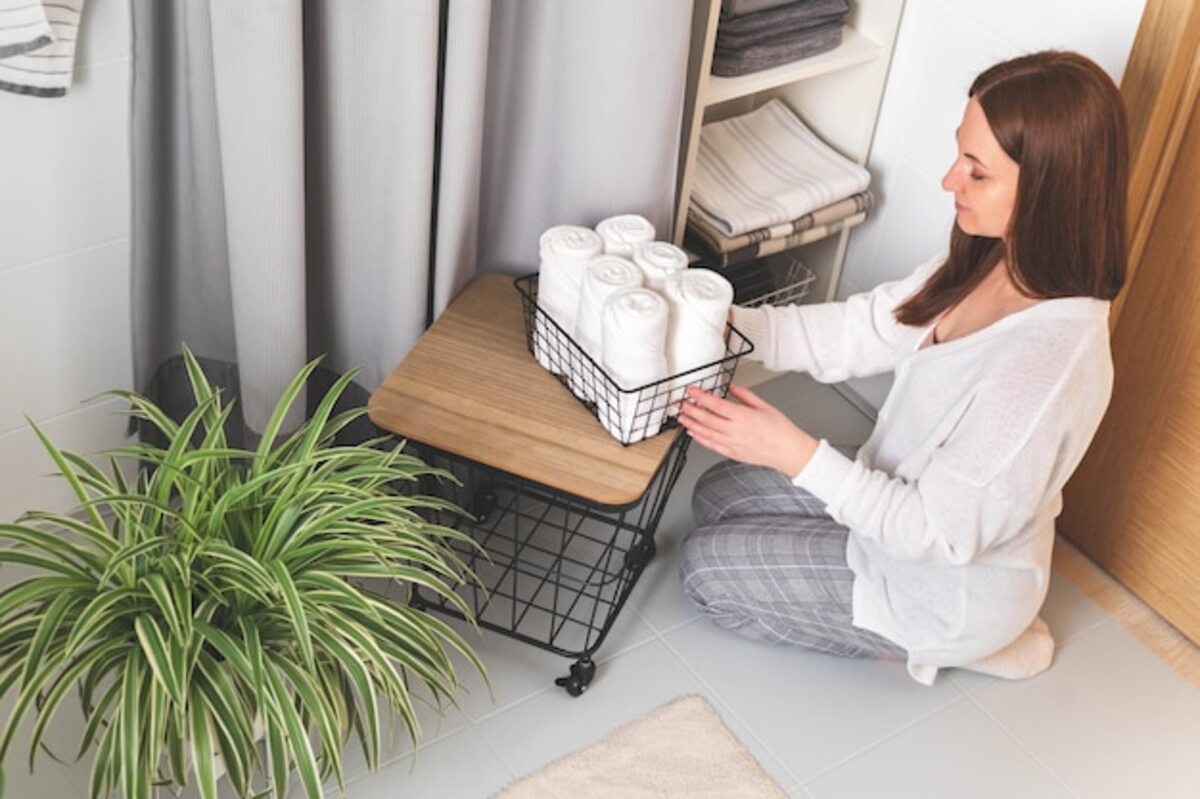
Discover how to organize your home for a tranquil and safe living. A well-organized home not only enhances aesthetics but also promotes a sense of calm and order in our daily lives. In this article, we will teach you effective strategies to optimize your spaces, avoiding chaos and fostering an environment conducive to mental peace. Learn to create a safe haven that provides you with well-being, making your day-to-day life easier and increasing your quality of life. Keep reading and transform your home into a sanctuary!
The importance of organization at home: more than just simple order
Home organization goes beyond simply maintaining a clean and tidy space; it is a fundamental pillar for achieving a more serene and functional life. An unorganized environment can generate stress and distraction, affecting our productivity and emotional well-being. By establishing an appropriate organization system, we not only facilitate our daily tasks but also create an environment that allows us to enjoy tranquility and mental clarity. Every object in its place contributes to a harmonious atmosphere where we can relax and live fully.
Additionally, the importance of organization extends to interpersonal relationships within the home. A well-organized space promotes communication and coexistence, as it reduces conflicts arising from shared disorder. When all family members participate in the organization process, it fosters a sense of collective responsibility that strengthens family ties. Thus, organizing our home is not just an aesthetic or practical matter; it is an investment in our quality of life and in the emotional well-being of those who inhabit it.
Advertisements
Strategies to get rid of accumulated clutter
One of the most effective strategies for getting rid of accumulated clutter is to adopt the "one thing in, one thing out" approach. This means that every time you acquire a new item, you should consider getting rid of an old one. This method not only helps you maintain a cleaner and more organized space, but it also encourages you to reflect on what you truly need and value in your home. In this way, it fosters a constant cycle of review and decluttering, preventing clutter from piling up again.
Another useful technique is to implement the 30-day rule: if you haven't used an item in that time, you probably don't need it. This strategy can be especially effective for clothing, kitchen utensils, and decorative objects. By evaluating your belongings with this rule, you can make more objective decisions about what to keep and what to let go. Additionally, consider donating or selling those items in good condition; this not only clears space in your home but can also benefit others. The key is to be proactive and mindful when managing your belongings to enjoy a more organized and peaceful environment.
How to categorize your belongings to make them easier to locate
One of the keys to keeping a home organized is to categorize your belongings effectively. This process not only involves grouping similar items but also assigning them a specific place that makes them easy to access and use daily. Start by identifying the main categories based on your needs and routines, such as clothing, kitchen utensils, tools, or important documents. Once you have defined these categories, you can proceed to classify each item within them, allowing you to quickly find what you're looking for without wasting time on constant searching.
Additionally, when categorizing your belongings, you can adopt the "less is more" method. Review each category and ask yourself if you really need each item. If something hasn't been used in months or years, consider donating or discarding it. This practice not only reduces the physical clutter in your home but also frees your mind from the emotional weight associated with unnecessary items. By the end of the process, you will have a cleaner and more organized space that will help you live with greater peace and security in your daily life.
Creative ideas to maximize small spaces
When living in a small space, creativity becomes your best ally. One of the most effective ideas to maximize space is to opt for multifunctional furniture. For example, a sofa bed not only provides a comfortable place to sit but can also be transformed into an additional bed for guests. Likewise, coffee tables with integrated storage or benches with hidden compartments help keep clutter at bay and make the most of every available corner. Also consider using tall shelves that take advantage of the verticality of the environment, thus freeing up floor area and creating a sense of spaciousness.
Another valuable strategy is vertical organization. Placing hooks on the walls to hang bicycles, kitchen utensils, or even plants can free up floor space and add a decorative touch to your home. Additionally, using decorative boxes or baskets will allow you to group similar items and optimize the use of closets and shelves without sacrificing style. Don't forget to implement mirrors strategically; they not only reflect light and create an illusion of more space but also add an attractive decorative element. With these creative ideas, you can transform small spaces into functional and cozy places that promote tranquility in your home.
Storage solutions that combine style and functionality
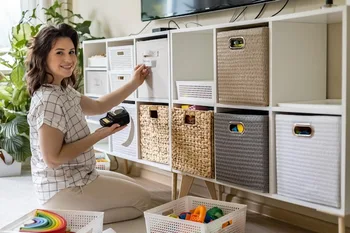
When it comes to organizing your home, storage plays a crucial role. Solutions that combine style and functionality not only help keep things orderly but also add an aesthetic touch to your spaces. From open shelves that display your books and decorative items to wicker baskets that bring warmth and texture, each element can be both practical and visually appealing. By choosing pieces that reflect your personal style, you can create an environment that is not only functional but also welcoming and harmonious.
It is also important to consider the use of vertical space in home organization. Tall shelves or wall hooks can free up surface area on furniture and contribute to a sense of spaciousness. Choosing multifunctional furniture, such as benches with internal storage or side tables with hidden compartments, allows you to maximize every corner without sacrificing design. These clever solutions will help you maintain calm and security in your home by eliminating clutter, creating a more relaxing environment where you can enjoy moments of peace of mind.
Maintaining order: daily routines for a sustainable home
Maintaining order at home is essential for cultivating a sustainable and harmonious environment. Establishing daily routines can be the key to achieving this. Start by dedicating a few minutes each day to simple tasks, such as organizing common areas and returning each item to its place after use. This not only prevents clutter from accumulating but also creates a habit that becomes part of your daily life. Consider implementing a weekly cleaning system where each household member takes on specific responsibilities, thus promoting collaboration and commitment to the shared space.
Incorporating sustainable practices into these routines can further transform your home. For example, setting specific days for recycling or donating items you no longer use can help reduce unnecessary accumulation and promote a minimalist mindset. Additionally, by keeping your spaces organized and clean, you make it easier to identify products that may be harming your environment, allowing you to make more informed decisions about your consumption. Remember that an organized home not only has aesthetic benefits; it also contributes to a more conscious and balanced lifestyle.
Creating safe zones: how to organize spaces according to their use
Creating safe zones in your home is essential for fostering an atmosphere of tranquility and well-being. By organizing spaces according to their use, you can maximize the functionality of each area, which not only improves aesthetics but also reduces daily stress. For example, designating a quiet corner for reading or meditation can help you disconnect from the daily hustle. Likewise, establishing specific areas for work or study allows you to maintain focus and productivity without unnecessary distractions. The key is to identify the activities you engage in most frequently and adapt your environment to them.
In addition, when creating safe zones, it is important to consider the ergonomics and physical safety of each space. Make sure that heavy objects are placed on low shelves and that there is sufficient lighting in areas where you perform important tasks. Implementing appropriate storage solutions also helps keep everything in its place, avoiding accidents due to clutter. Remember that a well-organized home not only reflects your personal style but also becomes a safe haven where you can relax fully and enjoy every moment without worries.
Advertisements
More in Organization and Spaces
Home, Organization and Spaces
Discover how to organize your new home to maximize its value.
Home, Organization and Spaces
Organize your new home to maximize investment and comfort.
Home, Organization and Spaces
Intuitive organization for a home that flows with life
Home, Organization and Spaces
Maximize your new home with essential organizing strategies.
Most viewed in Home
Home, Furniture
Furniture that promotes the art of rest and disconnection
Home, Furniture
How to select furniture that reinforces your investment in Costa Rica
Home, Essential Appliances
Appliances that ensure functionality and style in your home
Home, Security and Technology
Early warning systems for smart home security