
Make the most of every space in your new home for an organized life.
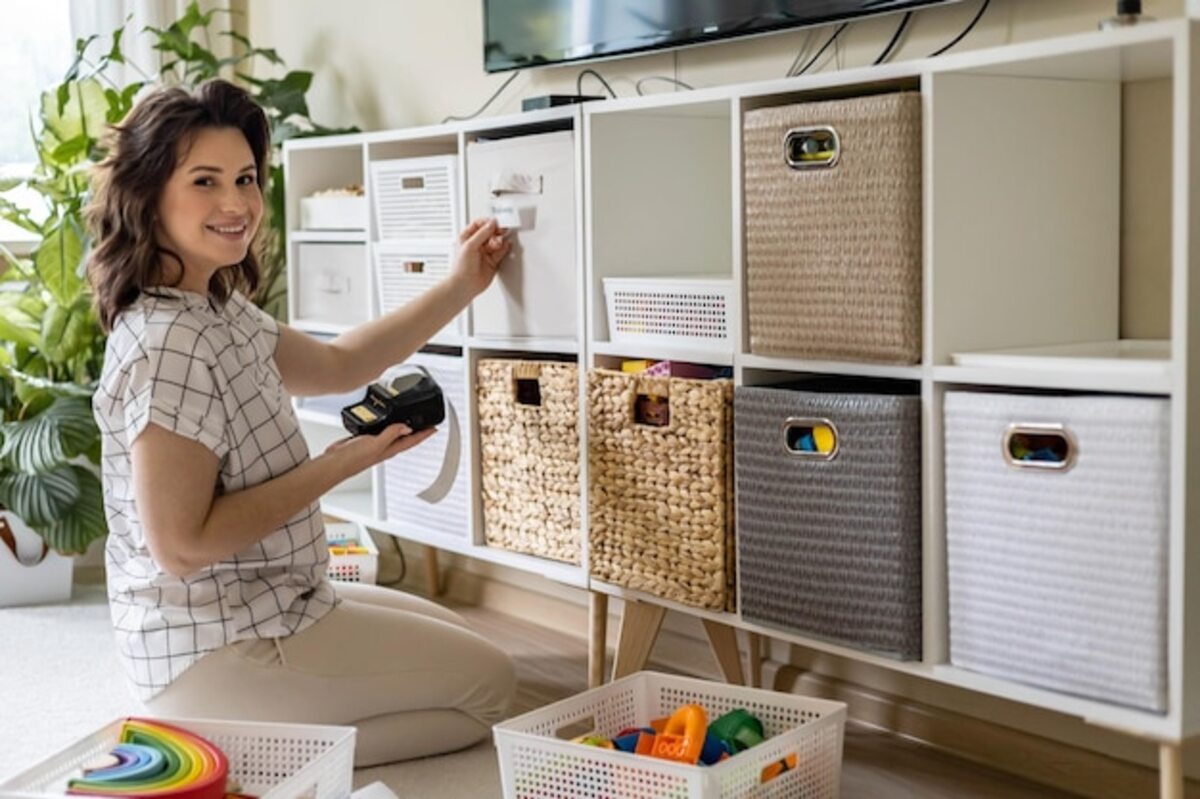
Making the most of every corner of your new home is key to living in an organized and efficient way. In this article, you will discover clever and practical strategies that will allow you to optimize spaces while maintaining order and harmony in every area. From small details to creative solutions, you will learn how to transform your environment into a place where every object has its place. Get ready to enjoy a more functional and welcoming home!
The importance of planning before moving.
Planning before moving is a crucial step that can make the difference between a cluttered home and an organized one. By taking the time to assess your needs, preferences, and the available space, you can design a plan that maximizes every corner of your new home. Think about how you use each area: do you need a workspace? Or maybe a play area for the kids? Having clarity on these issues will make it easier to decide which furniture and accessories are essential and which can be discarded or donated.
Additionally, careful planning will allow you to identify creative and efficient storage solutions from the beginning. For example, by measuring the spaces where you plan to place shelves or cabinets, you will be able to choose options that not only meet your functional needs but also your personal style. This stage not only avoids unpleasant surprises on moving day but also facilitates a quicker and more organized installation, which is essential for starting this new phase in your life on the right foot. Remember that getting organized from the start will enable you to fully enjoy a harmonious environment!
Advertisements
How to use vertical space: shelves and more
Using vertical space in your home is a fundamental strategy to maximize every corner and maintain order. Shelves are one of the most versatile tools you can incorporate in different rooms. From floating shelves in the living room to display books and decorative objects, to tall shelves in the kitchen that take advantage of the space above the countertops, these solutions not only optimize storage but also add character to your environments. Don't forget to consider the height of the furniture: using taller units can free up floor space and create a feeling of greater spaciousness.
In addition to traditional shelves, there are many other creative alternatives to make use of vertical space. For example, hooks can be an excellent option to hang kitchen utensils or personal accessories in entryways and bathrooms, keeping everything within reach but without taking up valuable surface area. You can also use hanging organizers inside closets or behind doors to keep your belongings visible and accessible, which is crucial for avoiding clutter. Implementing these ideas will not only help you better organize your home, but it will also contribute to creating a more open and relaxing environment.
Multifunctional furniture: the key to maximizing space
Multifunctional furniture has become an essential ally for those looking to maximize space in their homes. These clever designs not only offer the necessary functionality but also add an aesthetic touch to the decor. For example, a sofa bed can serve as a comfortable place to sit during the day and transform into a cozy bed at night, perfect for hosting guests without sacrificing space. Additionally, extendable tables or stackable chairs allow for adapting the environment according to the needs of the moment, creating a versatile and practical atmosphere.
Incorporating multifunctional furniture is an effective strategy for maintaining order and avoiding visual clutter. By choosing pieces that serve multiple functions, you can reduce the number of furniture items needed, which is especially useful in small spaces where every centimeter counts. An ottoman with internal storage or a bed with built-in drawers not only provides seating and resting solutions but also facilitates the storage of items out of sight. This way, you can enjoy a more spacious and organized home, where every corner serves its purpose without compromising your personal style.
Organize your kitchen: tips for an efficient pantry
Organizing your kitchen is not just about keeping it clean, but about creating a functional environment that facilitates the preparation of your daily meals. Start by completely emptying your pantry and sorting the food. Group products by categories: canned goods, cereals, spices, and snacks. Use clear containers to store bulk ingredients and labels to identify each group; this will not only help you find what you need quickly, but it will also prevent the accumulation of forgotten products at the back. A good organization system will ensure that every ingredient is within reach, thereby making meal planning easier.
Additionally, take advantage of the vertical space in your pantry by installing additional shelves or using hanging organizers. This maximizes space and keeps the most used items always visible and accessible. Also, consider using baskets or boxes to group similar items; this way, you can take out a whole set without disrupting the rest of the space. Don’t forget to periodically check the stored products to ensure there are no expired or spoiled foods. With these simple steps, you will transform your pantry into an efficient and organized place, where cooking will be a pleasant and hassle-free experience.
Smart solutions for the bedroom: closets and hidden storage
The bedroom is a personal refuge where order and functionality are essential to ensure a relaxing environment. One of the best ways to maximize space in this area is through smart wardrobes that not only provide storage but also contribute to the aesthetics of the place. Choosing built-in or modular wardrobes can free up valuable floor space and allow you to store clothes, shoes, and accessories in an organized manner. Additionally, consider integrating adjustable shelving systems within the wardrobe; this allows you to customize the space according to your needs and keep everything within reach without clutter.
Another effective strategy is to incorporate hidden storage into existing furniture. For example, a bed with integrated drawers or a bench with compartments offers clever solutions for storing sheets, blankets, or other items without sacrificing style or comfort. You can also use side tables or stools that open to reveal extra space to hide books or personal items. These small decisions can transform your bedroom into an oasis of tranquility, where every element serves a purpose and contributes to a more organized and harmonious environment.
The art of categorizing: declutter with style
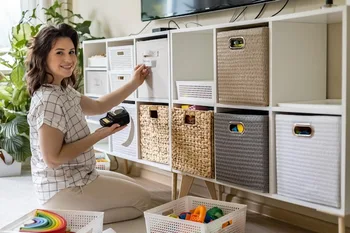
The art of categorizing is an essential skill for getting rid of clutter without sacrificing style. Start by defining categories that fit your life and needs: clothes, books, kitchen utensils, or souvenirs. Once the categories are established, use decorative boxes, baskets, or open shelves that not only help you organize but also add an aesthetic touch to your home. The key is to find solutions that are functional and visually pleasing; remember that order can be a reflection of your personality.
Additionally, implementing a sorting system will help you keep clutter at bay and make it easier to find items when you need them. Consider adopting the "one in, one out" method: every time you acquire something new, commit to getting rid of an old item. This approach will not only prevent unnecessary accumulation but also promote a more minimalist and mindful lifestyle. In the end, you will enjoy not only an organized home but also a renewed sense of knowing that each item in your space has its purpose.
Specific areas for activities: creating defined spaces at home
To achieve an organized and functional home, it is essential to create specific zones for different activities. By defining concrete spaces for tasks such as working, reading, or enjoying hobbies, you not only optimize the use of space but also establish a clear separation between the various functions of your home. For example, a corner dedicated to reading can include a well-organized bookshelf, a comfortable armchair, and an appropriate lamp; this way, every time you sit there, your mind will prepare to focus on reading and relaxation. This zoning helps minimize distractions and fosters a more productive routine.
Additionally, by assigning specific areas for family or social activities, you help strengthen bonds and improve daily life. A space dedicated to play can be ideal for children to have fun without cluttering other parts of the house. Similarly, creating an entertainment area with comfortable seating and audiovisual equipment allows for enjoyable movie nights or gatherings with friends without disrupting the order in the quieter areas of the home. In summary, by establishing defined spaces for different activities, you not only make better use of every corner but also promote a harmonious environment where each family member can enjoy their free time efficiently and pleasantly.
Minimalist decoration: less is more in home organization
Minimalist decor is based on the premise that less is more, a philosophy that applies not only to aesthetic design but also to home organization. By reducing the number of objects and decorative elements, a calmer and more ordered environment is created, allowing each item to take center stage. This approach not only makes cleaning and maintenance easier but also helps clear the mind, as a clutter-free environment allows for focus on what is essential. Choosing multifunctional furniture and empty spaces can be key to maintaining a sense of spaciousness and serenity in any room.
Moreover, minimalist decoration encourages the conscious use of resources and promotes a sustainable lifestyle. By carefully selecting what is incorporated into the home, it is possible to prioritize quality over quantity. This means investing in timeless pieces that are durable and meaningful to you. Thus, every corner reflects your personality without falling into excess or visual distractions. Ultimately, adopting this style not only transforms your physical space but also contributes to a more organized and fulfilling life, where every element has its reason for being and defined place.
Maintaining long-term order: daily habits that work
Maintaining long-term order is a task that requires dedication, but with simple daily habits, you can make it a natural part of your routine. One of the keys to achieving this is to set a specific time each day to review and organize your spaces. Spend 10 to 15 minutes before bed or at the end of the day picking up out-of-place items, sorting mail, or cleaning surfaces. This small daily effort can prevent clutter from accumulating and will help you maintain harmony in every corner of your home.
Another effective habit is to practice the "one in, one out" rule. Every time you acquire a new item, commit to getting rid of another. This not only reduces unnecessary accumulation but also fosters a more mindful attitude about what you really need in your daily life. Additionally, involving all household members in these practices can make the process lighter and more enjoyable. With these simple yet powerful habits, you can enjoy an organized and welcoming environment for a long time.
Advertisements
More in Organization and Spaces
Home, Organization and Spaces
Discover how to organize your new home to maximize its value.
Home, Organization and Spaces
Organize your new home to maximize investment and comfort.
Home, Organization and Spaces
Intuitive organization for a home that flows with life
Home, Organization and Spaces
Maximize your new home with essential organizing strategies.
Most viewed in Home
Home, Furniture
Furniture that promotes the art of rest and disconnection
Home, Furniture
How to select furniture that reinforces your investment in Costa Rica
Home, Essential Appliances
Appliances that ensure functionality and style in your home
Home, Security and Technology
Early warning systems for smart home security