
Optimize the comfort of your new home with effective organization.
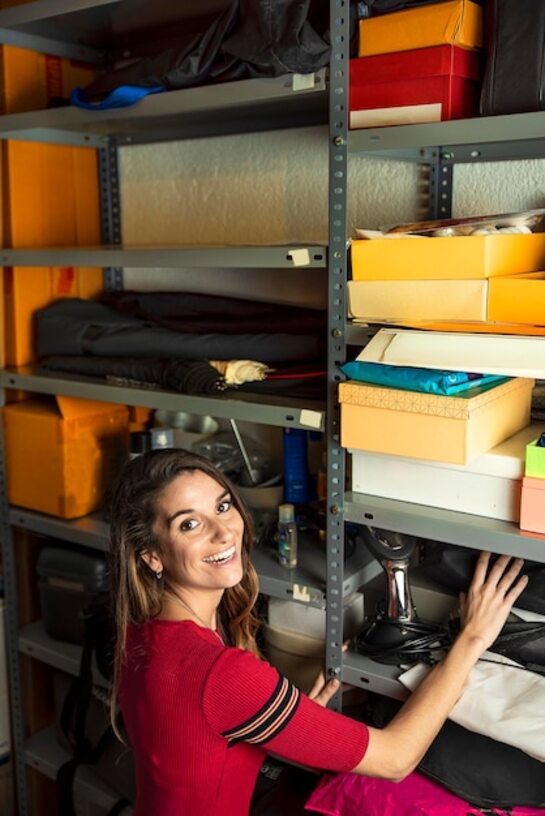
Optimize the comfort of your new home with effective organization. Keeping an orderly space not only enhances aesthetics but also boosts your well-being and daily efficiency. By applying organization strategies, you can enjoy a more relaxing and functional environment. In this article, you will discover how to transform every corner of your home into a harmonious refuge, where each item has its place and each day feels like a new opportunity to thrive. Get ready to maximize comfort and style in your new home!
The importance of organization in home well-being
Organization at home is a fundamental pillar for achieving a state of overall well-being. A cluttered space can generate stress, distraction, and a feeling of overwhelm that affects both mental health and daily productivity. By keeping each item in its place and designing an efficient organization system, a more serene environment is promoted, facilitating concentration, creativity, and rest. Thus, not only is the aesthetics of the home improved, but also the emotional state of those who inhabit it, turning it into a refuge where one can fully enjoy their time.
Moreover, good organization fosters positive habits that directly impact our daily routine. Knowing exactly where to find everything saves time and energy on everyday tasks such as cooking, cleaning, or working from home. This efficiency not only frees up physical space but also provides mental clarity by reducing the cognitive load associated with clutter. Therefore, investing time in establishing effective organizational methods not only transforms your home into a more pleasant and welcoming place; it also allows you to maximize your personal and professional potential by creating an environment conducive to growth and happiness.
Advertisements
Effective strategies to get rid of clutter
To effectively get rid of clutter, it is essential to implement the principle of "one in, one out." This simple yet powerful strategy means that each time you acquire a new item, you commit to letting go of an existing one. This way, you will avoid accumulation and promote a culture of mindful consumption in your home. Additionally, setting a regular time to review your belongings, such as at the end of each season, can be a great opportunity to assess what you truly need and what simply takes up space. Remember that less is more; by reducing the number of items in your home, you can enjoy more of what you truly value.
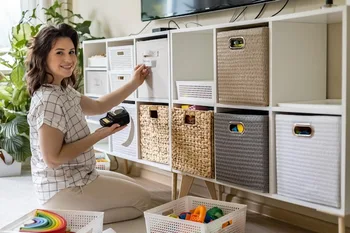
Another effective technique is organization by categories. Instead of tackling the clutter room by room, consider grouping similar items throughout your home. For example, gather all your books in one place or assess all your clothes at once. This approach will allow you to better visualize how much you have and decide what to keep and what to donate or discard. Additionally, by organizing by categories, it will be easier to find what you need when you need it. Implementing accessible and visual storage systems will also make it easier to maintain order in the long term; use clear boxes or open shelves to keep your essential belongings visible at all times.
How to create functional areas in small spaces
To create functional zones in small spaces, it's essential to understand how each area of your home can serve multiple purposes without sacrificing comfort or aesthetics. Start by assessing the activities you engage in most frequently and assign a specific place for each one. For example, if you work from home, consider designating a corner of the living room as your makeshift office; use versatile furniture, such as a folding desk or a table that also functions as a shelf. This way, you can maximize the use of space and keep it organized.
In addition to selecting multifunctional furniture, it is crucial to visually define each area using colors, rugs, or lightweight dividers. These elements not only help separate functions within the same space but also add personality and style to the overall design. A small rug can indicate the relaxation area in the living room, while a wall painted in a different shade can delineate the workspace. By implementing these strategies, you not only optimize the available space but also create a more welcoming and efficient environment in your home.
Storage solutions for every room
To ensure that each room in your home functions optimally, it is essential to implement specific storage solutions that cater to your needs and lifestyle. In the kitchen, for example, open shelves and organizer baskets allow easy access to utensils and food, while in the bathroom, organizers inside the cabinet help keep personal hygiene products orderly and within reach. Don't forget to utilize vertical space; installing shelves or hooks can transform even the smallest room into an oasis of organization.
The bedroom is another space where storage solutions can make a big difference. Consider using beds with built-in drawers or benches with space to store pillows and blankets. In areas like the living room or the study, multifunctional furniture, such as tables with hidden compartments or modular shelving, will allow you to maximize space usage without sacrificing style. With these well-thought-out strategies, you will not only optimize every corner of your home, but also create a more welcoming and functional environment that fosters your daily well-being.
Using multifunctional furniture to optimize space
Multifunctional furniture is a clever solution for those looking to maximize space in their home without sacrificing style or comfort. These versatile pieces not only serve multiple functions but also bring a modern and elegant touch to any room. For example, a sofa bed can easily transform from a comfortable seating area during the day to a cozy bed at night, perfect for hosting guests. Similarly, coffee tables that convert into desks or benches with hidden storage are ideal options for maintaining organization and reducing clutter.
Incorporating multifunctional furniture allows you to make the most of every corner of your home, enabling a more organized and efficient life. By choosing pieces that adapt to your daily needs, you can create flexible environments that respond to different situations without needing to fill your space with unnecessary furniture. Thus, in addition to keeping your home tidy and stylish, you will generate a more functional environment where each element contributes to your daily well-being. The key is to select those designs that best integrate with your personal style and offer practical solutions for your daily routines.
Techniques for maintaining long-term order
To maintain long-term order in your home, it is essential to establish routines that naturally integrate into your daily life. An effective technique is to dedicate 10 to 15 minutes each day to quickly review the most used spaces. This can include quickly returning items to their places, eliminating unnecessary elements, and doing a surface clean. By turning this task into a daily habit, you will prevent clutter from accumulating and create a more harmonious and pleasant environment.
Another important strategy is to implement organizing systems that are sustainable and adaptable to your needs. Use labeled boxes, baskets, or shelves to categorize your belongings and make them easier to access. Be sure to review these systems regularly and adjust them as your habits or the dynamics of your home change. This way, you can maintain order without additional effort, keeping your space functional and welcoming over time.
The role of decoration in effective organization
Decoration is not just about choosing colors and furniture you like; it also plays a crucial role in the effective organization of your home. A well-decorated space can influence how we perceive and use each area, facilitating the logical arrangement of objects and promoting a more functional environment. For example, the use of open shelving not only beautifies the surroundings but also allows for a clear display of your belongings, making it much easier to maintain order. Strategic decoration can guide you in creating specific zones for different activities, from work to relaxation, ensuring that every corner is optimized.
Additionally, the incorporation of decorative elements such as baskets or elegant boxes provides attractive storage solutions. By integrating these accessories into your design, you can hide clutter without sacrificing style. The key is to select decorative pieces that are both aesthetically pleasing and functional; this not only enhances the appearance of your home but also contributes to a greater sense of calm and control. Ultimately, by combining thoughtful decoration with smart organizational methods, you can enjoy a space where each element complements the others, promoting a harmonious flow that elevates your daily well-being.
Useful tools and resources to facilitate organization
To achieve effective organization in your new home, it is essential to have tools and resources that facilitate the process. From storage boxes to closet organizers, each of these elements can help you keep your belongings tidy and accessible. Labels are also valuable allies; by marking each container or shelf, you can quickly locate what you need without wasting time searching. Additionally, there are mobile applications designed for home management that will allow you to keep track of your belongings and remind you when it's time to get rid of what you no longer need.
Do not underestimate the power of a good plan. Spending a few minutes to create an outline or task list can be the key to lasting organization. Consider taking a walk through each room and noting the areas that require special attention. Resources like online guides or tutorial videos can provide you with practical and inspiring tips to maximize the available space. Remember that organization is not just a one-time task; it is about cultivating sustainable habits that keep your home in its best shape over the long term, thus providing you with the desired comfort and functionality.
Advertisements
More in Organization and Spaces
Home, Organization and Spaces
Discover how to organize your new home to maximize its value.
Home, Organization and Spaces
Organize your new home to maximize investment and comfort.
Home, Organization and Spaces
Intuitive organization for a home that flows with life
Home, Organization and Spaces
Maximize your new home with essential organizing strategies.
Most viewed in Home
Home, Furniture
Furniture that promotes the art of rest and disconnection
Home, Furniture
How to select furniture that reinforces your investment in Costa Rica
Home, Essential Appliances
Appliances that ensure functionality and style in your home
Home, Security and Technology
Early warning systems for smart home security