
Optimize your home's functionality with these practical tips.
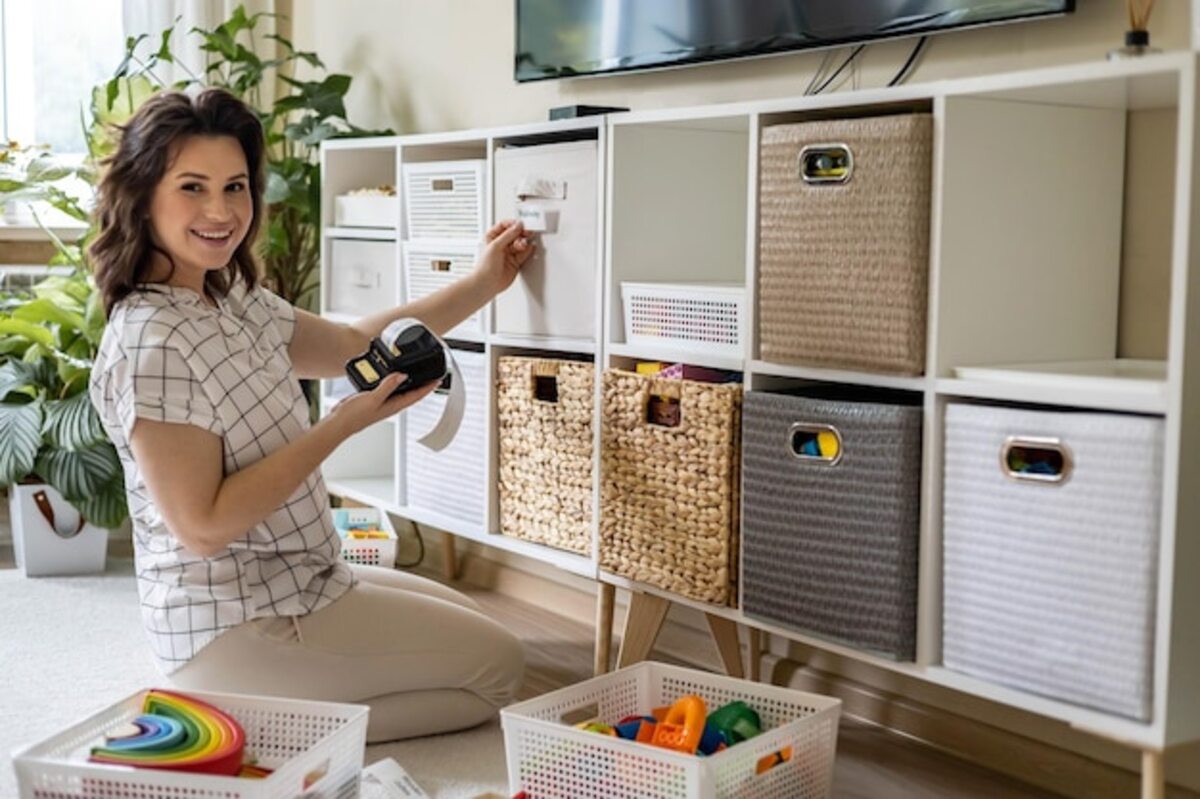
Optimize the functionality of your home with these practical tips to transform your spaces into more organized and efficient places. In this article, you will discover simple yet effective strategies that will help you maximize every corner of your house. Whether you are looking for a more harmonious environment or simply want to reduce clutter, here you will find the keys to achieve it. Do not underestimate the power of good organization: an optimized home not only improves your quality of life but also enhances your emotional well-being.
Decluttering: The art of letting go of the unnecessary
Decluttering, or the art of getting rid of the unnecessary, is a fundamental step to optimize the functionality of your home. Many times, we accumulate objects that we no longer use, which not only takes up physical space but also mental space. By taking the time to review each area of your house and questioning the necessity of each item, you can create a clearer and more harmonious environment. This process allows you to identify what you truly value and need in your daily life, thus facilitating a deeper connection with your surroundings.
Decluttering is not just about getting rid of things; it is also an opportunity to reflect on your consumption habits and priorities. By establishing a simple system to categorize items into "keep," "donate," or "discard," you will transform this task into a liberating and rewarding activity. Remember that every item you choose to keep should add value to your life. With a mindful approach to decluttering, you will not only optimize the space in your home but also promote a more minimalist and balanced lifestyle, allowing every corner to breathe functionality and tranquility.
Advertisements
Specific areas: Allocate spaces for each activity
One of the keys to optimizing the functionality of your home is to assign specific areas for each activity. This not only facilitates organization but also helps create an environment conducive to each task. For example, dedicating an exclusive area for work or study can enhance your concentration and productivity, while a cozy zone in the living room will promote relaxation and family bonding. When defining these spaces, be sure to consider both the needs of the household members and the activities that are carried out most frequently.
It is also essential to maintain consistency in the design and decor of each area. Use furniture and accessories that are not only functional but also reflect the purpose of the space. For recreational areas, opt for more relaxing and colorful elements; on the other hand, in places designated for work or study, choose neutral tones and practical organizers. This harmony will not only facilitate the use of the space but also contribute to a pleasant and balanced environment throughout your home. At the end of the day, having well-defined zones will allow you to fully enjoy each activity without distractions or clutter.
Multifunctional furniture: Maximize space usage
Multifunctional furniture is a clever solution for those who want to maximize space usage in their home. These versatile items not only serve a specific function, but they also transform and adapt to the changing needs of your daily life. For example, a sofa bed allows you to make the most of your living room, serving as a comfortable place to host guests during the day and converting into an extra bed at night. In this way, you can provide comfort without sacrificing valuable space.
In addition to sofa beds, there are other smart furniture pieces like extendable tables or benches with internal storage that help keep any room organized. By incorporating these elements into your decor, you not only optimize the available space but also add a modern and functional touch to your home. The key is to choose pieces that harmoniously integrate with your personal style and effectively meet your daily needs. This way, you will achieve a more organized and fluid environment where every corner serves an essential purpose.
Vertical storage: Make use of the walls
One of the most effective ways to optimize space in your home is through vertical storage. Walls, often underutilized, offer countless opportunities to organize and maximize every corner. From floating shelves to hooks and brackets, you can create a system that not only helps you keep your items within reach but also becomes a decorative element. For example, installing shelves in the kitchen can free up valuable counter space, while using hanging organizers in the bathroom clears furniture and gives a more tidy appearance to the room.
In addition to being functional, vertical storage allows you to play with the aesthetics of your spaces. You can choose shelves that complement your personal style or even paint a wall to highlight the pieces you decide to place. Vertical organizers can transform a simple empty wall into a creative gallery to display books, plants, or your favorite items. Taking advantage of the height of rooms is not only practical; it also provides a sense of spaciousness and brightness, making environments feel more open and welcoming. So don't hesitate to look up: your walls are key allies in the search for the ideal home.
The "one in, one out" rule: Maintain balance
The "one in, one out" rule is a powerful strategy to maintain balance in your home and avoid the accumulation of unnecessary items. The idea is simple: every time you acquire a new item, you must get rid of another. This not only helps control the available space, but also forces you to reflect on your purchases and be more aware of what you actually need. By applying this rule, you can ensure that everything has its place and that your environment remains functional and pleasant.
Implementing this rule can be challenging at first, especially if you have a tendency to collect or keep things "just in case." However, you will see how it gradually becomes a positive habit. You can start by setting up a bag or box for items you no longer use; once it's full, you simply donate or recycle its contents. This approach not only makes it easier to organize your spaces, but also contributes to a more minimalist and sustainable lifestyle, where you value the essentials and enjoy a home free of excess.
Organization by categories: It makes accessing your items easier.
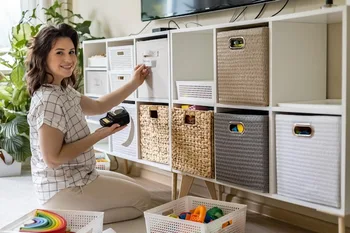
Organizing by categories is one of the most effective strategies to facilitate access to your items and optimize space in your home. By classifying your belongings into logical groups, such as clothing, kitchen utensils, or cleaning supplies, you not only simplify the search for what you need but also reduce the time spent looking for a specific item. For example, by keeping all cleaning products together in a designated cabinet or shelf, you can maintain your home clean more efficiently and without distractions. This technique ensures that everything is in its place and that you know exactly where to look when you need it.
Additionally, organizing by categories helps prevent cumulative clutter. When you assign a specific space for each group of objects, you become more aware of what you have and find it easier to decide what to keep and what to discard. Implementing appropriate storage systems—such as labeled boxes or transparent containers—can work wonders to keep everything accessible and visible. This way, you not only optimize your physical environment but also promote a more orderly and serene mindset in your daily life. Remember that an organized home is not only practical; it also helps create a welcoming and pleasant atmosphere for you and your loved ones.
Shared spaces: Create harmonious family areas
When creating shared spaces in your home, it is essential to think about the harmony and functionality that each area can offer. Designing family areas that encourage interaction and joint enjoyment not only improves relationships but also optimizes the use of available space. Consider assigning different sections for specific activities: a cozy reading nook, a play area for the little ones, and a comfortable space for family relaxation. By integrating multifunctional furniture, such as storage benches or extendable tables, you can maximize the use of space without sacrificing aesthetics.
It is also essential to involve all family members in the design and organization process. Encouraging active participation not only promotes a sense of belonging but also helps establish norms on how to keep spaces clean and tidy. Setting daily or weekly routines for maintenance can be an excellent way to teach responsibility while enjoying time together. At the end of the day, creating harmonious family zones will significantly contribute to the emotional well-being of all its members and transform your home into a place where connection and shared enjoyment prevail.
DIY projects to optimize storage
For those looking to maximize space in their home, DIY projects are a creative and personalized solution. From floating shelves to drawer organizers, there are a wide variety of options to optimize storage in any room. For example, creating a wall shelf system can not only free up floor space but also add a decorative touch to your home. Additionally, by getting involved in these projects, you can tailor each solution to your specific needs, ensuring that every corner is utilized to the fullest.
Another interesting idea is to repurpose old furniture or decorative items that you no longer use. With a little imagination and some simple tools, you can turn an old dresser into a practical bench with storage space or transform wooden boxes into organizers for toys or books. These projects not only contribute to the functionality of the home but also encourage a personal and unique style. At the end of the day, optimizing storage through DIY projects not only helps keep things organized; it also gives you the satisfaction of having created something special with your own hands.
Importance of lighting in the functionality of the home
Lighting is a crucial factor that is often overlooked when considering home functionality. It's not just about illuminating spaces, but about creating atmospheres that foster productivity and well-being. Good lighting planning can make work areas more efficient, while soft lighting in rest spaces promotes relaxation. By incorporating different light sources, such as floor lamps, wall sconces, and recessed lights, you can tailor each room to meet the specific needs of the moment, making your home a more functional and welcoming place.
Furthermore, the proper choice of color temperature can significantly influence how we perceive a space. Warm lights tend to create a cozy and relaxing atmosphere ideal for living rooms and bedrooms, while cool lights are perfect for kitchens and study areas, as they stimulate concentration. Playing with different intensities and shades not only enhances the aesthetics of the home but also contributes to its functionality. Thus, proper lighting not only beautifies spaces; it also optimizes their daily use by facilitating everyday activities and improving our emotional state in the home environment.
Stick to the routine: Tips for maintaining order in the long term
Maintaining order in your home in the long term is a challenge, but with a well-established routine, it becomes an achievable goal. To achieve this, it is essential to create daily habits that integrate naturally into your life. Spend a few minutes each day doing small organizational tasks, such as returning items to their place after using them or doing a quick clean-up of specific areas. Setting a weekly schedule for deeper tasks, such as cleaning closets or reorganizing spaces, will also help you maintain control and prevent clutter from accumulating.
Involve all family members in this routine. Assign responsibilities and create a system where each person has their own space to take care of. This not only fosters teamwork but also teaches the importance of order and personal responsibility from an early age. Finally, don't forget to regularly review your organizational systems and adjust them as necessary; what works today may require adaptations later as your needs and lifestyle change. With dedication and consistency, maintaining order will be an integral part of your optimized home.
Advertisements
More in Organization and Spaces
Home, Organization and Spaces
Discover how to organize your new home to maximize its value.
Home, Organization and Spaces
Organize your new home to maximize investment and comfort.
Home, Organization and Spaces
Intuitive organization for a home that flows with life
Home, Organization and Spaces
Maximize your new home with essential organizing strategies.
Most viewed in Home
Home, Furniture
Furniture that promotes the art of rest and disconnection
Home, Furniture
How to select furniture that reinforces your investment in Costa Rica
Home, Essential Appliances
Appliances that ensure functionality and style in your home
Home, Security and Technology
Early warning systems for smart home security