
Optimize your new home with practical organization tips.
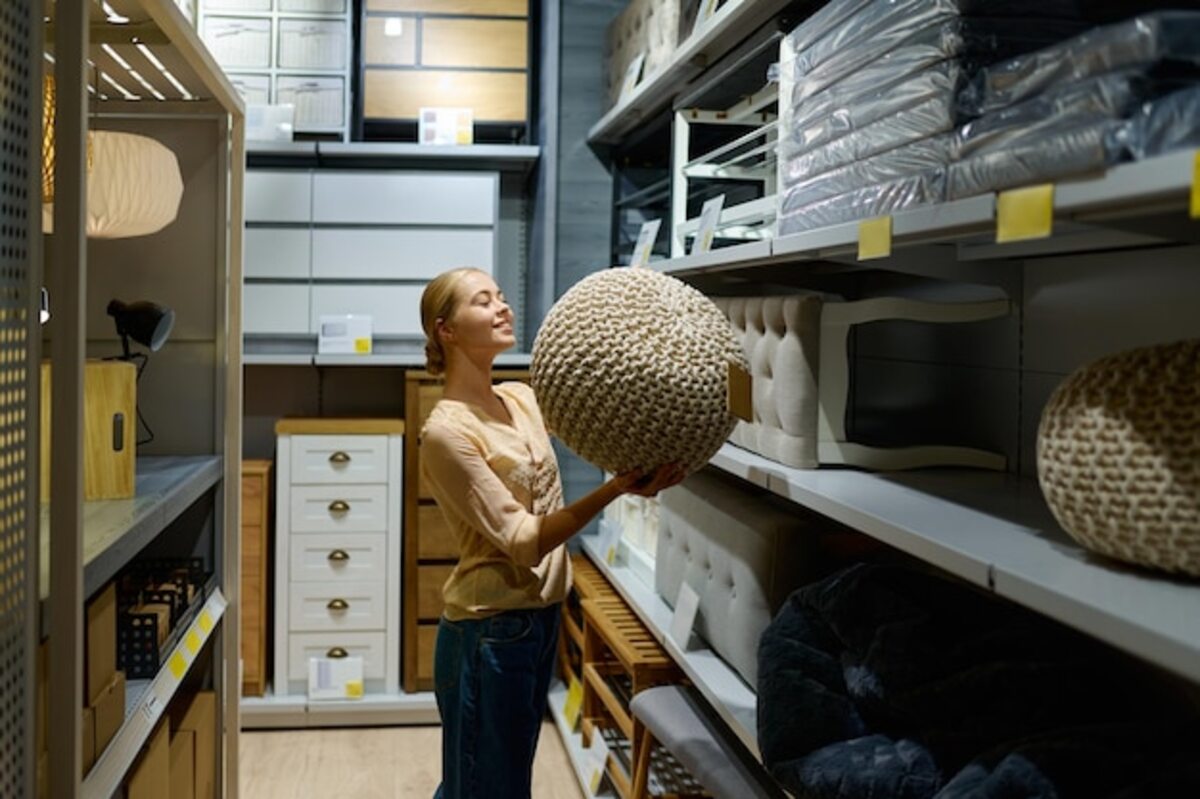
Optimizing your new home is not just about decorating it, but about transforming every corner into a functional and harmonious space. In this article, you will discover practical tips that will help you organize your home efficiently, maximizing space usage and minimizing clutter. From smart furniture arrangement to creative solutions for storing your belongings, these strategies will allow you to make the most of your new home while creating a cozy and tidy environment.
Create an organization plan: how to start from scratch
To begin organizing your new home from scratch, it's essential to establish a clear plan that will guide you through the process. Take some time to assess each room and define how you want to use each space. Make a list of the functions that each area needs to fulfill: for example, you might want the living room to be a place for relaxation and entertainment, while the kitchen should be practical and accessible. With this information in hand, you will be able to better visualize how you want your home to flow and what elements are essential to achieve that vision.
Once you have a clear purpose for each room, start breaking down your belongings into categories: what you need, what you use occasionally, and what you can donate or discard. This process will not only help you reduce clutter from the start but will also make later organization easier. Consider implementing suitable storage solutions for each category; decorative boxes, open shelves, or multifunctional furniture can be great allies on your path to an optimized home. Remember that the key is to maintain a flexible approach; as you live in your home, you will adjust your organizational decisions according to your actual needs.
Advertisements
The importance of the entry area: organize your arrival
The entryway is the first point of contact with your home and, therefore, it should be a space that invites calm and order. Organizing this area will not only make your arrival after a long day easier, but it will also help you establish an efficient routine. Consider installing a coat rack or hooks for coats, where you can instantly hang jackets and scarves, thus preventing them from accumulating in other parts of the house. Adding a shelf or a tray for keys is another excellent way to ensure everything has its place from the moment you cross the threshold.
Don't underestimate the importance of decorative elements in this area; a mirror can make the space seem larger and brighter, while a small plant or a piece of art can welcome with a personal touch. It is also useful to include a bench or stool where you can sit to put on or take off your shoes. By creating an organized and functional space in your entryway, you not only optimize the arrival at your home but also set the tone for the rest of the interior: tidy, welcoming, and full of personality.
Smart solutions for small spaces
In a world where space is increasingly scarce, finding smart solutions for small spaces becomes essential. One of the most effective strategies is to opt for multifunctional furniture that serves multiple purposes. For example, a bed with storage underneath or an extendable dining table can transform the way you use your space. These elements not only add functionality but also help maintain order by providing practical places to store your belongings. By choosing furniture wisely, you can maximize every square meter and create a more fluid and welcoming environment.
In addition to choosing versatile furniture, another key solution is to make the most of the walls. Installing floating shelves not only saves floor space but also allows you to display books, plants, or decorations without taking up valuable area. Hooks and hanging organizers are ideal for keeping everyday items like keys or kitchen utensils visible, thus avoiding clutter on flat surfaces. By implementing these creative ideas, you can make your home not only small in size but also large in functionality and style.
Vertical storage: making use of the walls
Vertical storage is one of the most effective strategies to optimize space in your home. By using the walls as allies, you can free up surfaces and keep clutter to a minimum. Installing floating shelves, hooks, or ledges allows you to display books, decorations, or kitchen utensils in a stylish way while taking advantage of areas that often go unused. Additionally, multifunctional furniture with integrated storage is ideal for maximizing the use of vertical space, allowing each corner to serve a dual purpose.
Don't forget to personalize your vertical storage solutions to reflect your style and needs. You can opt for an industrial design with metal shelves or a warmer approach with reclaimed wood. Also consider using decorative boxes or baskets on the shelves to hide small items and maintain a tidy appearance. By implementing these ideas, you will not only improve the organization of your home but also create a cozy and appealing atmosphere that makes each room unique and functional.
The art of getting rid of things: how decluttering improves your space
The decluttering process, or getting rid of excess belongings, is one of the best ways to optimize your space. By reducing the number of objects around you, you not only create a cleaner and aesthetically pleasing environment, but you also promote a sense of peace and well-being in your home. Each item you choose to keep should have a purpose or meaning, allowing you to enjoy a more functional and distraction-free environment. By the end of the process, you will notice how your spaces feel larger and brighter, inviting you to fully enjoy every corner.
Additionally, decluttering fosters a mindset of simplicity and organization that can impact other areas of your life. By adopting this minimalist approach in your home, you become more aware of your consumption habits and learn to value the essentials. This not only helps maintain order in your new house, but also empowers you to make more informed decisions about what to take with you as your needs and tastes evolve. In summary, decluttering is much more than just getting rid of things; it is an effective way to revitalize your space and improve the quality of life in your new home.
Organize the kitchen like a professional chef.
Organizing the kitchen like a professional chef will not only allow you to have a more efficient space, but it will also transform your culinary experience. Start by defining specific areas for each type of utensil and equipment. For example, place your knives, cutting boards, and spices near the stove to facilitate the cooking process. Use drawer organizers to keep cutlery and utensils in their place, which will prevent chaos when preparing your favorite dishes. Remember that accessibility is key; make sure that the items you use most frequently are within reach.
Also, consider verticality in your kitchen by using open shelves or hooks to hang pots and pans. This not only saves counter space but also adds a decorative touch to your kitchen by showcasing your most used tools. Make the most of corners with solutions like rotating shelves or sliding baskets to maximize every available inch. By organizing your kitchen like a professional chef, you will be creating an environment where creativity can flow freely and daily tasks become much more enjoyable and efficient.
Maintaining order: daily habits that make a difference
Keeping order in your home may seem like an overwhelming task, but developing simple daily habits can make a big difference. Start with the "one in, one out" rule: for every new item you bring home, get rid of another. This approach not only helps reduce clutter but also encourages a mindful attitude towards what you truly value and need in your daily life. Spend a few minutes at the end of each day organizing your belongings; put items in their place and ensure your spaces are clean and clear. Over time, these small efforts will add up and create a more pleasant and functional environment.
In addition to establishing daily routines, it is helpful to implement organizational systems that facilitate maintaining order in the long term. Consider creating specific zones for different activities within your home: an area for keys and important documents near the entrance, a corner dedicated to household chores, or a creative space for your hobbies. Use labeled containers and accessible shelves that allow you to easily visualize what you have. By making order an integral part of your daily life, you will not only optimize your new home but also cultivate a sense of peace and well-being in every corner.
Advertisements
More in Organization and Spaces
Home, Organization and Spaces
Discover how to organize your new home to maximize its value.
Home, Organization and Spaces
Organize your new home to maximize investment and comfort.
Home, Organization and Spaces
Intuitive organization for a home that flows with life
Home, Organization and Spaces
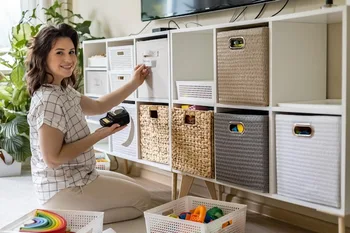
Maximize your new home with essential organizing strategies.
Most viewed in Home
Home, Furniture
Furniture that promotes the art of rest and disconnection
Home, Furniture
How to select furniture that reinforces your investment in Costa Rica
Home, Essential Appliances
Appliances that ensure functionality and style in your home
Home, Security and Technology
Early warning systems for smart home security