
Practical guide to organizing your new home and securing your investment
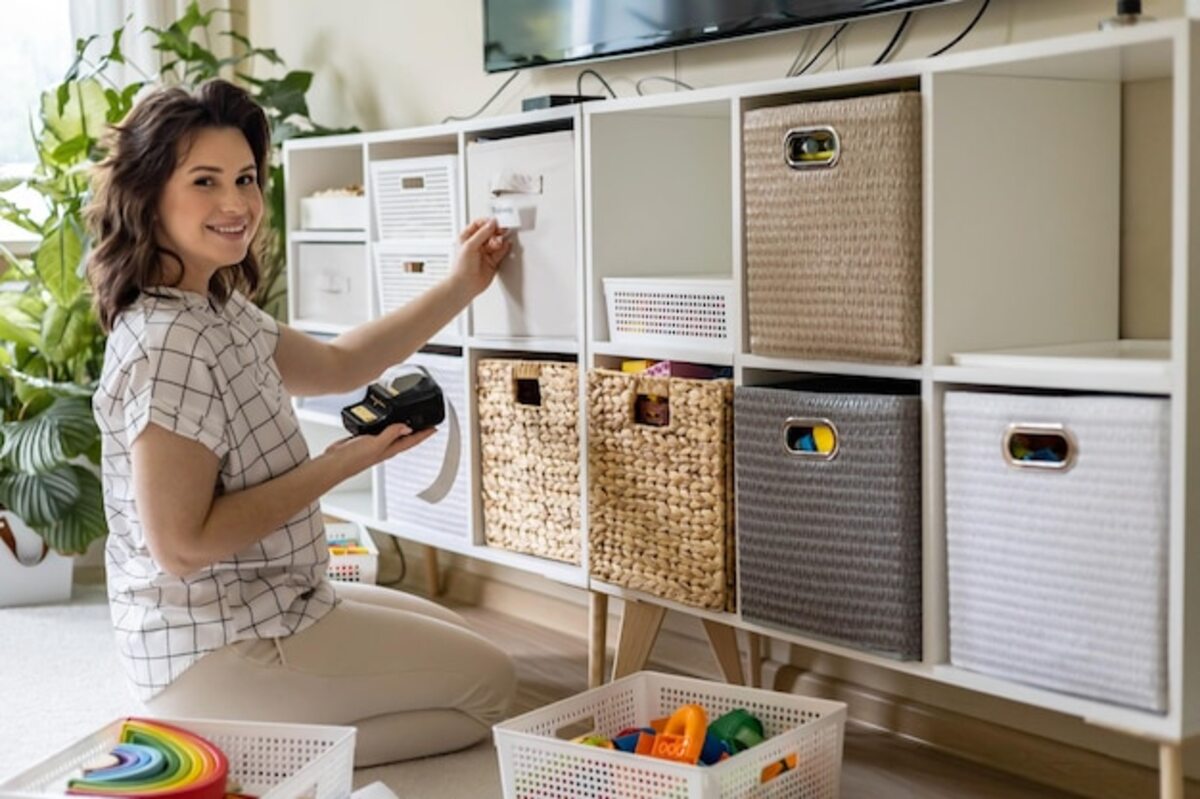
Organizing your new home not only transforms your spaces but also protects a significant investment. In this practical guide, I will show you how to maximize every corner of your house, ensuring functionality and style. You will learn to declutter, optimize storage, and create cozy environments that reflect your personality. It's not just about aesthetics; good organization is key to maintaining the value of your property in the long term. Let's start building that dream home!
The importance of prior planning: define your needs.
Pre-planning is a fundamental step in the process of organizing your new home. Before you start arranging furniture and decorating, it is essential that you define your specific needs. Ask yourself how you use each space: do you need a home office area? Or do you prefer a play area for the children? By having clarity about your requirements, you will be able to make more informed decisions about the layout and selection of furniture, avoiding impulsive purchases that do not align with your lifestyle. This stage will allow you to create a functional environment that suits you and your family.
Additionally, considering aspects such as the number of people who will inhabit the home, their daily routines, and the activities they will perform in each room will help you optimize the use of space. Take the necessary time to make a list of priorities regarding storage, comfort, and aesthetics. Good planning will not only facilitate initial organization but will also allow you to anticipate future needs, ensuring that your home evolves alongside your personal circumstances without losing its value or functionality. Remember, investing time in this initial phase is key to building a harmonious and lasting home.
Advertisements
Effective strategies for decluttering: less is more.
Decluttering, or the process of getting rid of the unnecessary, is a fundamental strategy for organizing your home and maximizing its potential. Start by evaluating each room and sorting your belongings into three categories: keep, donate/sell, and discard. This exercise will not only help you free up physical space, but it will also create a more serene and functional environment. Remember that less is more; by reducing the number of objects in your home, you will not only increase visual clarity but also make daily maintenance easier.
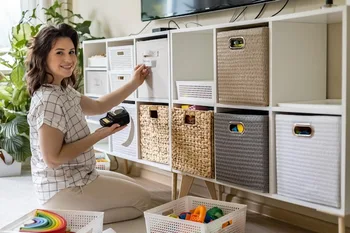
Once you have completed the first step of decluttering, establish efficient storage systems that suit your needs. Use decorative boxes, open shelves, and multifunctional furniture to optimize the available space. Every item should have a designated place; this will not only prevent future clutter but also make it easier to find what you truly need when you need it. The key is to create an environment where each element has its purpose, allowing you to fully enjoy your new home without the burden of the superfluous.
Smart storage solutions for small spaces.
Smart storage solutions are essential to make the most of limited spaces in your home. Instead of resigning yourself to living with clutter, consider options like modular shelves that fit the dimensions of your walls or multifunctional furniture, such as sofas that contain space to store blankets and cushions. These elements not only offer a practical solution but also add a modern and stylish touch to your decor. Additionally, using decorative boxes or baskets can help you organize small items without sacrificing the aesthetics of your spaces.
Another effective strategy is to use vertical space. Installing hooks on the wall to hang utensils in the kitchen or high shelves in the bathroom for personal care products will allow you to free up surface area and keep everything within reach. You can also explore storage options under the bed; there are containers specifically designed for this purpose, ideal for items you don't use daily. By implementing these solutions, you will not only maximize the use of available space but also facilitate a more organized and functional life, ensuring that your home remains a reflection of your personal style while protecting your investment.
How to design a functional flow in each room.
Designing a functional flow in each room is essential to maximize space usage and improve the quality of life in your home. Start by observing how you interact with each area: where do you spend the most time? What activities do you perform? Identify the entry and exit points, as well as the items you need at hand. For example, in the kitchen, make sure that the utensils and appliances you use frequently are within reach, while those you use less can be stored in upper cabinets. This principle applies to all rooms; a logical and accessible layout not only facilitates daily tasks but also creates a more relaxed and welcoming environment.
In addition to considering functionality, the design of an appropriate flow can positively influence the overall aesthetics of the space. Use furniture that fits the dimensions of the room and avoid visual clutter. For example, in the living room, opt for a U-shaped or L-shaped arrangement to encourage conversation and maintain smooth circulation. In the bedrooms, make sure to leave enough space around the bed for comfortable movement. Also, remember to incorporate designated areas for storage; open shelves or decorative baskets can help keep everything organized without sacrificing style. With a careful focus on how your spaces flow, you will achieve not only an organized house but also a home where every corner reflects comfort and harmony.
Decoration and organization: creating visual harmony.
The decoration and organization of a home go hand in hand to create a visual harmony that not only beautifies the space but also improves its functionality. When choosing decorative elements, it is crucial to consider how they integrate with the rest of the environment. Opting for a coherent color palette and selecting furniture that complements each other can transform any room into a cozy retreat. Details such as artwork, cushions, and plants add personality to the home, but it is important to maintain a balance to avoid visual clutter. Remember that each element should have a purpose; this will not only contribute to the overall aesthetics but also facilitate organization.
In addition to decoration, organization plays a fundamental role in maintaining that desired visual order. Implementing smart storage solutions helps reduce clutter and maximizes the use of available space. From open shelves that showcase your favorite books to decorative baskets that store everyday items, there are multiple options to keep everything in its place without sacrificing style. The key is to establish defined zones within each room and ensure that each item has its designated place. This way, not only is a cleaner and more organized appearance achieved, but the functionality of the home is also enhanced, which is essential for protecting your long-term investment.
Regular maintenance: keys to avoiding clutter.
Regular maintenance is essential to avoid clutter and ensure that your home remains in optimal condition. Establishing cleaning and organization routines can make a significant difference in how you perceive and enjoy each space. Spend a few minutes each day or week to check specific areas, such as closets, the pantry, and surfaces. A simple check will allow you to identify items you no longer need, preventing unnecessary accumulation. Furthermore, incorporating an organization system, such as labels or containers, makes it easier to access what you actually use and prevents spaces from becoming points of accumulation.
Another key to keeping clutter at bay is involving all household members in this process. Encouraging organizational habits from an early age can create an environment where everyone takes responsibility for their space. Consider implementing a daily "cleaning minute" where everyone participates in picking up and organizing what is out of place. This way, you will not only keep your home tidy but also cultivate a sense of belonging and care for the place where you live. Remember that small daily efforts can prevent large messes in the long term, ensuring that your investment is protected and your home is always welcoming.
Useful tools and resources to better organize yourself.
To achieve effective organization in your home, having the right tools and resources is essential. First, consider investing in closet organizers, storage boxes, and modular shelves that fit your spaces. These items will not only help you maintain order but also facilitate access to your belongings, preventing clutter and extending the lifespan of your items. You can also explore mobile applications designed for home management, which allow you to keep an inventory of your things and remind you when it's necessary to clean or restock.
In addition to physical tools, there are digital strategies that can enhance your organization. Platforms like Pinterest or Instagram are excellent resources to inspire you with innovative ideas on how to organize each room in your house. You can create virtual boards where you compile images and practical tips that align with your personal style. Don't underestimate the power of calendars and lists; establishing weekly routines to review and reorganize certain spaces can make a significant difference in the maintainability of order in your home. With these resources at your disposal, you will be well-equipped to turn your new home into a functional and harmonious space.
Outdoor spaces: don't forget the organization in gardens and patios.
Outdoor spaces, such as gardens and patios, are extensions of our home that we often overlook when it comes to organization. However, these areas can be an impressive refuge if well organized. Start by defining the areas of use and the elements that you really need; this will help you avoid visual and functional clutter. Use outdoor furniture that is versatile and weather-resistant, and make sure to incorporate plants suitable for your local climate. By doing so, you will not only enhance the aesthetics of the space but also foster an environment conducive to relaxation and socialization.
Additionally, consider implementing storage systems in your exteriors. From shelving for tools to decorative chests for storing cushions or blankets, every corner can have a specific purpose without sacrificing style. Lighting also plays a crucial role; add solar lamps or hanging lights to create a cozy atmosphere at night. A well-organized garden not only increases personal enjoyment but also contributes to the overall value of your property, becoming an additional attraction for future buyers if you decide to sell at some point. With these simple yet effective strategies, your outdoor spaces will reflect both your personality and your commitment to home maintenance.
The emotional impact of a well-organized home on your daily life.
A well-organized home not only translates to a visually appealing space but also has a profound emotional impact on your daily life. When every object has its place and the spaces are free of clutter, an atmosphere of calm and serenity is created. This can significantly reduce stress and anxiety levels, allowing you to enjoy your home more fully. An orderly environment facilitates concentration and productivity, which is especially beneficial if you work from home or need to create a conducive space for studying.
Moreover, good organization fosters healthier relationships within the home. Having a space where each family member can easily find what they need prevents unnecessary frustrations and promotes harmonious living. The sense of accomplishment that comes from maintaining an orderly home can also reinforce self-esteem and overall well-being. Ultimately, living in an organized environment not only improves our daily quality of life but also contributes to building happy and lasting memories in our personal sanctuary.
Advertisements
More in Organization and Spaces
Home, Organization and Spaces
Discover how to organize your new home to maximize its value.
Home, Organization and Spaces
Organize your new home to maximize investment and comfort.
Home, Organization and Spaces
Intuitive organization for a home that flows with life
Home, Organization and Spaces
Maximize your new home with essential organizing strategies.
Most viewed in Home
Home, Furniture
Furniture that promotes the art of rest and disconnection
Home, Furniture
How to select furniture that reinforces your investment in Costa Rica
Home, Essential Appliances
Appliances that ensure functionality and style in your home
Home, Security and Technology
Early warning systems for smart home security