
How to choose a safe home that protects your investment in Costa Rica
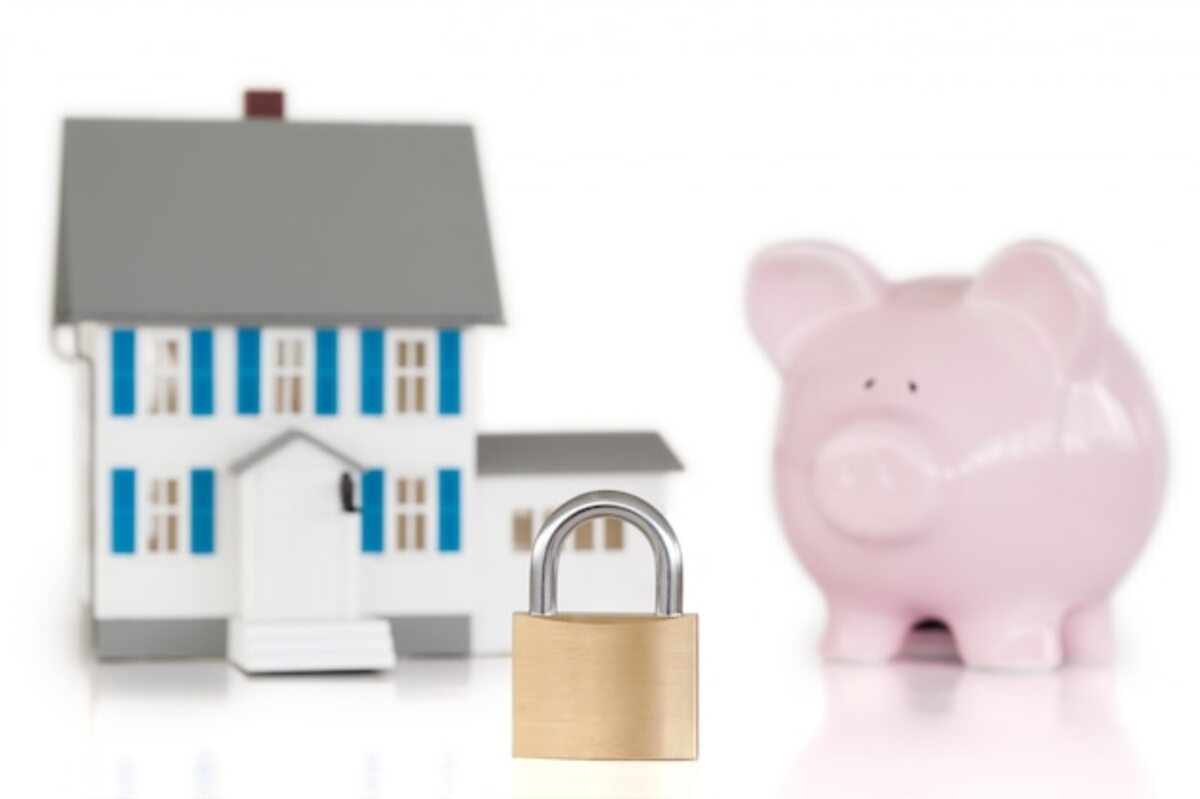
Selecting a safe home in Costa Rica is not only fundamental for your peace of mind but also essential for protecting your investment. In a country where safety can vary significantly from one region to another, knowing the key aspects that make a property a safe place becomes vital. From neighborhood analysis to technological innovations in security systems, this article will guide you through the best strategies for choosing a home that provides protection and confidence, ensuring that your investment is well safeguarded.
Neighborhood assessment: keys to identifying safe areas
When evaluating a neighborhood in Costa Rica, it is crucial to pay attention to various factors that can influence the safety of the area. First, research the crime statistics of the region; many municipalities publish reports on crime and criminal trends. Additionally, observe the physical environment: good public lighting, well-maintained streets, and the presence of green spaces can be indicative of a safe neighborhood. It is also advisable to visit the area at different times of the day to gain a more complete perception of the atmosphere and community activity.
Another important aspect to consider is the services available in the neighborhood. Proximity to police stations, hospitals, and community centers can be a positive indicator of safety. Additionally, interacting with current residents will provide you with valuable information about their experiences and perceptions regarding the area's safety. Asking them about their concerns or recurring issues will allow you to better assess whether that neighborhood aligns with your expectations and needs to ensure both your well-being and your long-term investment.
Advertisements
Importance of local security infrastructure
Local security infrastructure plays a crucial role in protecting not only residents but also their real estate investments. In Costa Rica, where crime incidents can vary considerably between different areas, it is important to assess how community characteristics contribute to a safe environment. The presence of police patrols, community surveillance systems, and active neighbor participation in security programs are indicators that reflect a collective commitment to the well-being of the area. A neighborhood with adequate security infrastructure can deter criminals and improve overall quality of life.
Additionally, a robust infrastructure is not limited to visible measures such as fences or cameras; it also includes aspects like proper maintenance of streets and public spaces that foster a sense of community and natural surveillance. Well-lit areas, for example, are not only more aesthetically pleasing but also reduce opportunities for criminal activities. When choosing a home in Costa Rica, researching these features can provide a clear insight into the level of security offered by a particular area and help make informed decisions that protect your assets in the long term.
Security technology: cameras, alarms, and more
Security technology has advanced significantly in recent years, offering homeowners more effective and accessible options to protect their investment. Surveillance cameras, for example, not only allow real-time monitoring of activity, but many of them also feature smart functions such as motion detection and instant alerts to your mobile device. This provides an additional layer of peace of mind knowing you can monitor your home from anywhere, which is especially useful if you spend long hours away or travel frequently.
In addition to cameras, alarm systems have been modernized to offer comprehensive solutions that include motion sensors, sound alarms, and 24/7 monitoring by specialized companies. These systems can be configured to send immediate notifications in case of an attempted intrusion, allowing for quick action in any eventuality. The integration of smart home devices has also gained popularity; for example, smart locks and remote control of the security system add convenient comfort without sacrificing protection. Implementing these technologies in your home not only enhances physical security but can also increase the overall value of the property in the long run.
Architectural design: how it influences home security
The architectural design of a home plays a crucial role in the safety of the house, as it involves not only aesthetics but also functionality and protection. A good layout of the spaces can facilitate surveillance and control over who accesses your property. For example, houses with entrances visible from the street or with windows facing common areas allow homeowners to observe the surroundings and detect potential suspicious situations. Additionally, a design that limits blind spots reduces opportunities for potential intruders, creating a safer environment for both residents and their belongings.
Similarly, the choice of materials and construction elements also influences the safety of the home. Using reinforced doors and windows, as well as integrating advanced locking systems, are decisions that strengthen the physical resistance of the house against possible burglary attempts. Additionally, incorporating features such as high fences or perimeter walls not only serves as a physical barrier but also acts as a visual deterrent for those who may have criminal intentions. In this sense, investing in a well-thought-out architectural design can be an effective strategy to safeguard your home and protect your investment in Costa Rica.
Proximity to services and its relationship with safety
Proximity to essential services, such as schools, hospitals, and shopping centers, can significantly influence the safety of a neighborhood. When a home is close to these services, it not only makes daily life easier for its residents but can also help reduce the risk of crime. Neighborhoods with access to public facilities often have a greater police presence and community surveillance, creating a safer environment for residents. Moreover, the constant activity in these areas tends to deter criminal behavior, as there are more eyes watching the surroundings.
It is important to consider that proximity to these services not only improves quality of life but also protects your real estate investment. Properties located in well-connected and safe areas tend to maintain their value or even increase it over time. Therefore, when evaluating a potential home in Costa Rica, it is advisable to research not only the characteristics of the property itself but also access to key services and how this relates to the overall perception of safety in the area. An informed choice can result in a home that not only provides you with peace of mind today but also ensures a solid investment for the future.
Gated communities vs. open residences: pros and cons
When considering the security of your home in Costa Rica, it is essential to evaluate the differences between gated communities and open residences. Gated communities often provide a safer environment due to their restricted access and constant surveillance, which can be a significant advantage for those seeking a protected space to live. These areas tend to have additional services such as access control, security patrols, and, in some cases, exclusive recreational facilities. However, this level of security may also come with additional costs in the form of monthly or annual fees that could impact your budget.
On the other hand, open residences offer greater flexibility and connection with the local environment, which can be attractive to many buyers. Living in these areas allows for a more integrated and dynamic community, where contact with neighbors is more frequent. However, this openness can also entail certain risks related to security, as they do not have the same levels of control as gated communities. Therefore, it is essential to weigh these pros and cons according to your personal priorities and specific needs before making a decision about where to settle in Costa Rica.
Consult with experts: real estate agents and their advice on security
Consulting with experts, such as real estate agents, is a crucial step when selecting a safe home in Costa Rica. These professionals not only have extensive knowledge of the local real estate market, but they are also familiar with the security dynamics in different neighborhoods. By speaking with them, you can gain valuable insights into areas that present lower risks and what characteristics to look for in a property to maximize your safety. Additionally, agents often have access to crime statistics and can provide recommendations on additional measures you can implement to protect your investment.
The advice from real estate agents goes beyond simply selecting the right location; it also includes practical aspects regarding infrastructure and home design. For example, they may suggest properties that already have integrated security systems or architectural features such as fences and controlled entrances. They can also advise you on the importance of knowing your neighbors and being an active part of the community, which can be a determining factor in the overall safety of the area. In summary, leveraging the expertise of these professionals will enable you to make informed decisions that will not only safeguard your peace of mind but also your long-term investment.
Preventive maintenance: ensuring long-term safety
Preventive maintenance is one of the keys to ensuring the safety and value of your home in the long term. Conducting regular inspections of electrical installations, plumbing systems, and structures can prevent major issues that not only compromise safety but can also be costly to repair. Additionally, maintaining a clean and waste-free environment helps avoid problems such as infestations or structural damage caused by moisture. Paying attention to these details not only protects your investment but also provides peace of mind knowing that your home is kept in optimal condition.
Implementing a regular maintenance plan also includes reviewing and updating the security systems installed on the property. This can range from checking the functionality of alarms and cameras to evaluating locks and vulnerable points in access to your home. By doing so, you not only reinforce protection against intruders but also show a commitment to maintaining the property for potential future buyers. A well-maintained home is more attractive and valuable in the market, ensuring a solid long-term investment.
Testimonials and experiences: learning from other owners in Costa Rica
The testimonies of other homeowners in Costa Rica are an invaluable source of information when selecting a safe home. Many have faced unique challenges related to security and have found effective solutions that can serve as a guide for those in the buying process. By sharing their experiences, these homeowners not only provide practical advice on the best neighborhoods and the features that make a property safer but also highlight the importance of engaging with the local community. The connection with neighbors can be a determining factor in creating a more protected and supportive environment.
Additionally, hearing stories about how others have handled risky situations can broaden our perspective on what it truly means to have a safe home. From the implementation of security systems to the establishment of community networks, homeowners share strategies that have allowed them to safeguard their investment and improve their quality of life. Therefore, by researching and learning from others' experiences, you can make more informed decisions and avoid common mistakes that could compromise your peace of mind and your assets in this beautiful country.
Advertisements
More in Security and Technology
Home, Security and Technology
Early warning systems for smart home security
Home, Security and Technology
Tips to secure your investment when buying property in Costa Rica

Home, Security and Technology
Innovation in security systems for smart homes

Home, Security and Technology
Redefining home security with smart mesh technology
Most viewed in Home

Home, Furniture
Furniture that promotes the art of rest and disconnection

Home, Furniture
How to select furniture that reinforces your investment in Costa Rica
Home, Essential Appliances
Appliances that ensure functionality and style in your home
Home, Security and Technology
Early warning systems for smart home security