
How to ensure a safe environment when buying your new home
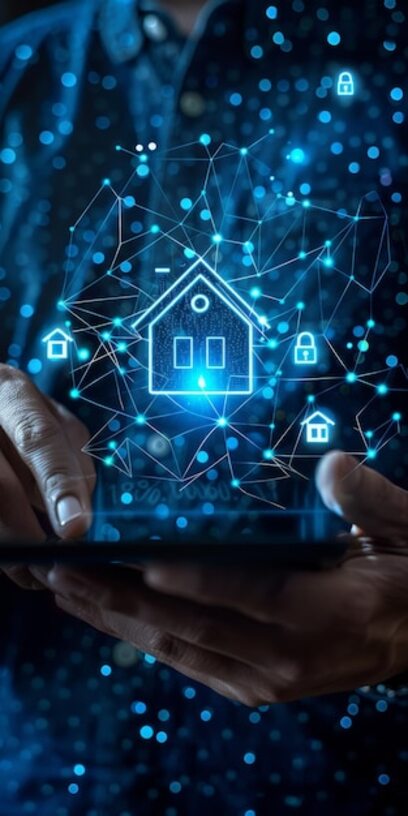
How to ensure a safe environment when buying your new home? When acquiring a property, safety should be one of your top priorities. This article will guide you through effective strategies and practical tips to ensure that your new home is not only a cozy space but also a safe haven. From evaluating the neighborhood to implementing advanced technology, you will discover how to protect your investment and your loved ones. Get ready to become an informed and savvy buyer!
Neighborhood assessment: keys for a safe choice
When looking for a new home, evaluating the neighborhood becomes a crucial step in ensuring a safe environment. It is essential to research not only crime statistics but also the quality of life that the area offers. Talking to current residents can provide you with valuable insights about the atmosphere and characteristics of the area. Inquiring about local services, such as schools, hospitals, and transportation options will also give you a clear idea of the convenience and safety of the neighborhood.
Also, pay close attention to the physical condition of the neighborhood: well-lit streets, maintenance of green areas, and the presence of security are indicators of a community committed to its safety. Don't hesitate to visit the area at different times of the day and during the week; this will give you a more complete perspective on what it is really like to live there. Remember that choosing a safe neighborhood is as important as selecting the perfect home; your well-being and that of your family largely depend on the environment that surrounds you.
Advertisements
Pre-inspections: detecting hidden risks in the property
Pre-purchase inspections are a crucial stage in the home buying process, as they allow you to detect hidden risks that can compromise the safety and well-being of its occupants. By conducting a thorough inspection, you can identify structural, plumbing, or electrical issues that could become serious threats if not addressed in time. It is advisable to hire a professional inspector with experience, who will use specialized tools to assess every corner of the property and provide you with a detailed report on its overall condition.
In addition to visible problems, it is essential to pay attention to less obvious aspects such as the presence of mold, pests, or even air contaminants. These conditions can severely impact the health of those living in the home. Conducting environmental tests and inspecting the facilities can help you avoid unpleasant surprises after closing the deal. Remember that a well-informed investment not only ensures your safety but also the long-term value of your new property.
Security systems: What technology should you consider?
When considering the security of your new home, it is essential to evaluate the security systems available on the market. Technology has advanced significantly in this field, offering innovative solutions that can adapt to different needs and budgets. From Wi-Fi-connected surveillance cameras to smart alarms, each option has its advantages. For example, modern cameras not only allow real-time monitoring from your mobile device, but also feature motion detection and night recording capabilities. This means you can keep an eye on your property even when you're not at home.
In addition to cameras and alarms, consider integrating home automation systems. These systems allow you to control devices like lights and locks through an app or voice commands, further increasing security. For example, programming the lights to turn on and off at random intervals can simulate that there are people at home, thus deterring potential intruders. Another important aspect is the installation of smart locks that offer remote access and can be monitored from anywhere. When choosing these technological devices, make sure to research their compatibility and ease of use to create a safe and comfortable environment for you and your family.
Lighting and visibility: creating safer spaces at home
Proper lighting is a fundamental component for creating a safe environment at home. A well-lit house not only enhances aesthetics but also deters potential intruders and reduces shadowy areas where they could hide. When assessing your new home, consider installing outdoor lights with motion sensors at entrances and hallways. It is also advisable to incorporate strategic lighting indoors, such as table lamps or wall sconces, to ensure that every corner is well-lit. This not only provides greater visibility at night but also creates a sense of comfort and security for the residents.
In addition to exterior and interior lighting, it is crucial to consider the design of the space and how it affects overall visibility. Keeping areas around windows and doors clear allows for better perspective both from inside and outside, facilitating the identification of any suspicious activity. Installing curtains or blinds that allow natural light to pass through without sacrificing privacy can be another effective strategy. Together, these measures not only enhance home security but also contribute to creating a more welcoming and pleasant environment for you and your loved ones.
Consulting with experts: the importance of professional advice
Consulting with experts is one of the most effective strategies to ensure a safe environment when purchasing your new home. The experience and knowledge of real estate professionals, as well as property inspectors, can be invaluable in the buying process. These experts will not only help you identify potential structural or safety issues in the home but will also provide information about the neighborhood's reputation, crime rates, and other factors that could affect the quality of life. Investing time and resources in professional advice can save you from unpleasant surprises and unexpected expenses in the long run.
Additionally, consulting with experts gives you access to a wide network of resources and additional services that can enhance the security of your new home. For example, architects or specialized designers can advise you on modifications that strengthen physical security, such as the installation of advanced locks or alarm systems. Likewise, professionals in smart home technology can guide you in implementing innovative solutions that not only increase protection but also optimize your energy costs. By surrounding yourself with the right knowledge, you will be able to make informed decisions that safeguard both your investment and your family's well-being.
Closed vs. open communities: pros and cons in security
When it comes to choosing between closed and open communities, security is a decisive factor that can influence your purchasing decision. Closed communities often offer a range of security measures that may include 24/7 surveillance, restricted access, and regular patrols. This can create a sense of protection and peace of mind for residents, as the risk of crime is usually lower in these areas. However, it is important to consider that this perception of security also depends on the proper maintenance of facilities and the active participation of residents in community oversight. On the other hand, open communities may provide a more accessible and flexible environment, which can be appealing to those who value social interaction with non-resident neighbors. Although these areas may not have the same restrictive measures as closed communities, they often benefit from strong neighborhood cohesion and informal oversight from their inhabitants. It is essential to evaluate the neighborhood's crime history and be aware of local initiatives to promote safety. Ultimately, both closed and open communities have their pros and cons; the crucial thing is to determine which aligns best with your personal needs and lifestyle while prioritizing safety in your new home.
Emergency preparedness: tools to ensure peace of mind
Emergency preparedness is a crucial aspect of ensuring peace of mind in your new home. Having the right tools will not only help you face unforeseen situations but also contribute to creating a safer environment for you and your family. Make sure to equip your home with an emergency kit that includes essential items such as flashlights, a first aid kit, batteries, drinking water, and non-perishable food. Additionally, consider keeping important documents and a list of key contacts, such as emergency services and close relatives, on hand. This preparation can make a difference in critical moments.
It is also essential to establish an evacuation plan and conduct regular drills with household members. This not only familiarizes everyone with escape routes and meeting points but also reduces panic in the event of a real emergency. Investing in technologies such as fire alarms and security systems can also provide you with an additional layer of protection. By being well-prepared for any eventuality, you can fully enjoy your new space without allowing uncertainty to affect your peace of mind.
Advertisements
More in Security and Technology
Home, Security and Technology
Early warning systems for smart home security

Home, Security and Technology
Tips to secure your investment when buying property in Costa Rica

Home, Security and Technology
Innovation in security systems for smart homes

Home, Security and Technology
Redefining home security with smart mesh technology
Most viewed in Home

Home, Furniture
Furniture that promotes the art of rest and disconnection

Home, Furniture
How to select furniture that reinforces your investment in Costa Rica
Home, Essential Appliances
Appliances that ensure functionality and style in your home
Home, Security and Technology
Early warning systems for smart home security