
How to ensure a safe environment when purchasing your ideal home in Costa Rica
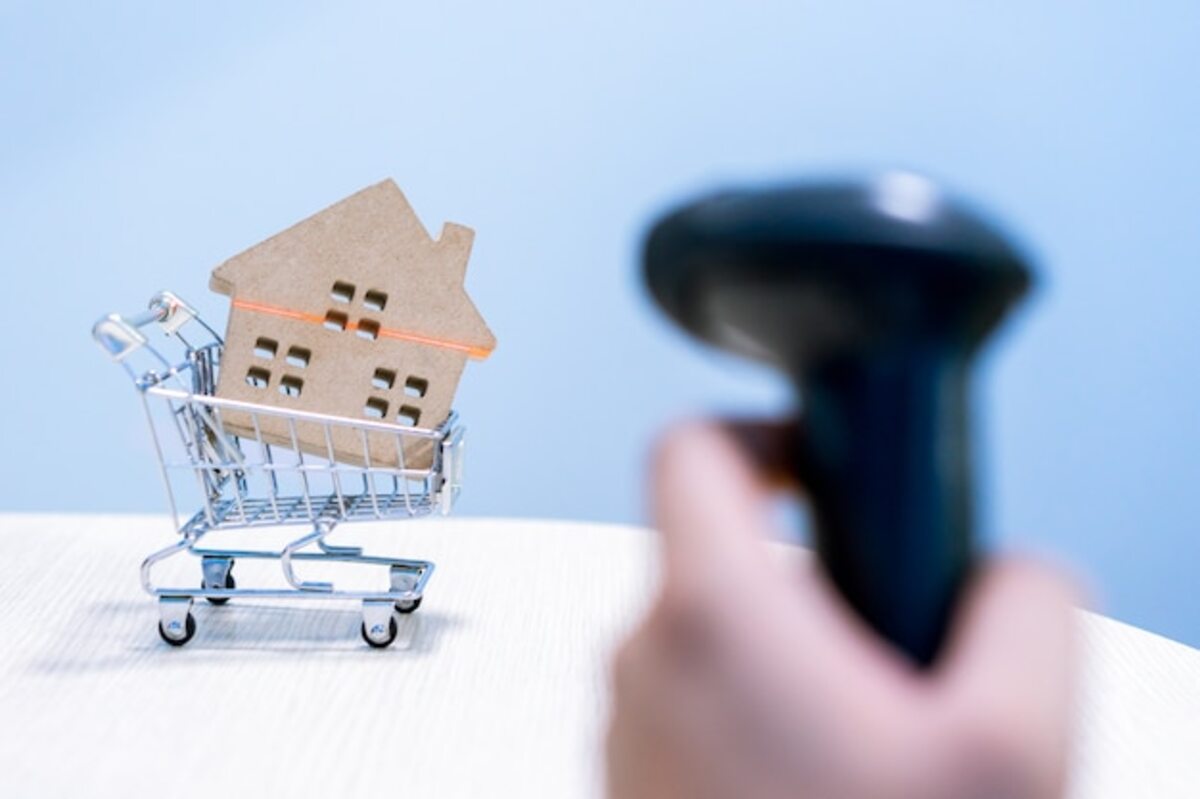
Buying your ideal home in Costa Rica is an exciting decision, but it also involves considering the safety of your new investment. In a country where the environment and technology are constantly evolving, ensuring a safe space is essential. In this article, we will explore effective strategies to protect yourself during the buying process and ensure that your future home is a peaceful refuge. With practical tips and technological tools at your disposal, you will be ready to make informed decisions and enjoy the peace of mind you deserve.
Importance of location: How to choose the right neighborhood?
Choosing the right neighborhood is one of the most crucial aspects when buying a home in Costa Rica. The location not only influences the quality of life but also directly impacts the safety of the environment. When researching different areas, it is essential to consider factors such as proximity to essential services, schools, and health centers, as well as access to public transportation. A well-connected neighborhood with good infrastructure is often an indicator of a safe and active community, which can provide peace of mind when making your investment.
It is also advisable to gather information about the perception of safety in the selected area. Talking to local residents and consulting reliable sources about crime statistics can provide you with a clearer insight into the reality of the neighborhood. You can also check online forums or community groups where experiences regarding safety in different neighborhoods are discussed. Keep in mind that some segments may experience changes over time; therefore, visiting at different times of the day will allow you to assess how the place really feels before making a final decision about your new home.
Advertisements
Seller background check: Keys to a safe purchase
The seller's background check is a crucial step to ensure a safe purchase when acquiring your ideal home in Costa Rica. Before committing to a transaction, it is essential to research the seller's reputation and history. This includes checking if they have had previous legal issues or if there are complaints from other buyers. You can look for information online, consult mutual contacts, or even ask for direct references. This process not only provides you with peace of mind but also helps you detect potential warning signs that may arise later in the transaction.
In addition to personal references, it is also advisable to use available digital tools to conduct this verification. There are platforms and applications that allow access to public records and backgrounds related to properties and their owners. Make sure to review aspects such as the legality of the title of ownership, existing financial encumbrances, and any litigation related to the house you are considering buying. Taking the time to properly research the seller can prevent unpleasant surprises in the future and ensure that your investment is truly safe and reliable.
Security systems in your new home: Available options
When considering the security of your new home in Costa Rica, it is important to explore the various security system options available on the market. From alarms and surveillance cameras to smart locks and home automation systems, there is a wide range of solutions to fit your specific needs. Security cameras can be installed both indoors and outdoors, allowing you to monitor your property from anywhere through mobile apps. Additionally, alarms connected to rapid response services provide an extra layer of protection by alerting authorities in case of intrusion.
Do not underestimate the importance of physical security systems such as bars and reinforced doors. These elements not only act as deterrents to potential intruders but also provide additional peace of mind to residents. The integration of technology with physical measures can create a safe and reliable environment. At the end of the day, choosing a system that fits your lifestyle and budget is key to ensuring that your new home is both welcoming and secure. Do not hesitate to consult with local experts who can offer you personalized recommendations based on the specific characteristics of the area where you plan to live.
Smart technology: How to protect your home with modern devices
Smart technology has revolutionized the way we can protect our homes, offering solutions that go beyond traditional security systems. From surveillance cameras connected to your smartphone to smart locks that allow remote access, these devices not only enhance physical security but also provide peace of mind for the owner. When considering the purchase of your ideal home in Costa Rica, investing in modern technology will enable you to monitor and control your environment from anywhere, which is especially valuable if you travel frequently or simply want to have full control over your home's security.
Implementing a home automation system can be an effective strategy to prevent intrusions and enhance daily comfort. For example, smart lights can be programmed to turn on automatically at sunset or simulate activity at home when you're away. Additionally, motion sensors and alarms can be integrated with mobile applications that alert you in real-time to any suspicious activity. When choosing a home, consider not only its location and structural features but also the available technological options; this will provide you with an additional layer of protection and make your new space better suited to your personal security needs.
Technical inspections: Ensuring the structural quality of the property
Conducting technical inspections is a crucial step to ensure the structural quality of any property you are considering buying in Costa Rica. These evaluations allow for the identification of potential hidden problems that could compromise the safety and well-being of your home, such as structural damage, pests, or deficiencies in electrical and plumbing systems. Having a qualified professional conduct these inspections will not only provide you with peace of mind but also enable you to negotiate better on the price of the property if significant issues are detected.
Additionally, technical inspections can provide valuable information about the maintenance required to keep the property in optimal condition in the long term. This foresight can save you time and money on future repairs, as well as help you plan your expenses adequately once you acquire the home. In such a diverse and dynamic environment as Costa Rica, where climatic and geological factors can influence the integrity of a property, investing in a technical inspection becomes a smart and responsible decision that reinforces your commitment to a safe and lasting home.
Legal documentation: Legal aspects to consider
Legal documentation is a crucial aspect when buying a home in Costa Rica. It is essential to ensure that all documents related to the property are in order and legitimate. This includes verifying the title of the property, which must be free of encumbrances or legal burdens. Additionally, it is advisable to request a cadastral report to confirm the boundaries and the exact location of the land. Having a lawyer specialized in real estate can facilitate this process, as they can help you interpret complex legal documents and ensure that there are no unpleasant surprises later on.
Another important aspect to consider is the local regulations and the permits needed to build or modify the property. Each canton in Costa Rica may have different rules regarding zoning and land use, which could affect your future plans to make changes to your home. Make sure to consult with local authorities before making any significant purchase or modification. Being clear about these legal aspects will not only provide you with peace of mind but also protect your long-term investment, ensuring that your new home complies with all current regulations.
Gated communities vs. independent houses: Pros and cons of each option
When considering safety when buying a home in Costa Rica, it is essential to assess the differences between living in a gated community and opting for a standalone house. Gated communities generally offer a more controlled environment with restricted access, surveillance, and common areas designed to promote coexistence. This can translate into a greater sense of security for many families, especially those with children. Additionally, these communities often have additional services like maintenance of green areas and recreational activities that can enhance the quality of life for their residents. However, it is important to keep in mind that the cost of living in these areas may be higher due to maintenance fees and other associated costs. On the other hand, choosing a standalone house can offer you greater flexibility and personal freedom. In this type of housing, you have the option to modify your space according to your needs without the restrictions that gated communities often impose. However, this also means taking full responsibility for the home's security: from installing alarm systems to ensuring adequate fencing. Furthermore, depending on the chosen neighborhood, the level of security can vary significantly. Therefore, it is crucial to research the area and its characteristics before making a final decision. At the end of the day, both gated communities and standalone houses have their pros and cons; it all depends on the lifestyle you wish to lead and the priorities you have regarding safety in your new home.
Local opinions: The importance of talking to neighbors before making a decision
Talking to neighbors before deciding on a property can provide you with valuable information that is not found in the descriptions of listings or online valuations. Local residents have a deep understanding of the area, including aspects such as neighborhood safety, community behavior, and any recurring issues that may affect your quality of life. This interaction will give you a clearer perspective on the environment surrounding your future home and whether it truly aligns with your expectations and needs.
Additionally, building relationships with neighbors can be a determining factor for your personal safety and that of your family. A good neighborhood is one where there is active communication among its residents, fostering a safe and supportive environment. By talking to them, you can explore both nearby amenities and the security measures implemented in the community. This will not only help you make more informed decisions but also integrate better into your new home once you make the purchase.
Insurers and policies: Protecting your investment against unforeseen events
Securing your home is not just about protecting it against theft or damage, but also about safeguarding your long-term investment. Insurance companies offer policies that cover a variety of risks, from natural disasters like earthquakes and landslides to fire damage and liability. When choosing the right policy, it is crucial to assess the available coverages and consider your specific needs. For example, if your property is located in a flood-prone area, seeking a policy that includes this coverage can be invaluable. The peace of mind that comes from knowing you are protected against unforeseen events is a key factor in enjoying your new home.
Additionally, informing yourself about different insurers and comparing their offers will help you make more informed decisions. Not all policies are the same; some may offer lower premiums but with a lower level of coverage. It is advisable to read the terms and conditions carefully to be aware of exclusions and limitations. You may also consider consulting with a specialized home insurance agent in Costa Rica, who can guide you in finding the most suitable plan according to your personal circumstances. Investing time in understanding how these policies work will allow you to fully enjoy your new space without additional worries about the unexpected.
Post-purchase tips for maintaining a safe home environment
Maintaining a safe environment in your new home after purchase is as crucial as selecting the right property. Once you have moved in, conduct a thorough assessment of your home's security. Check the locks on doors and windows, ensuring they are sturdy and in good condition. Consider installing additional security systems, such as alarms or cameras, which not only deter intruders but also provide peace of mind knowing your home is protected. Additionally, get to know the neighborhood and make contact with your new neighbors; they can be valuable allies in community watch.
Another important aspect to consider is the preventive measures related to emergencies. Make sure to have smoke and carbon monoxide detectors in strategic locations within your home. Conduct family drills to be prepared for potential fires or natural disasters common in the region. Additionally, keep a basic emergency kit on hand that includes essential items such as flashlights, a first aid kit, and drinking water. By implementing these post-purchase recommendations, you will not only enhance the overall safety of your home but also foster an environment conducive to fully enjoying the new chapter in your life in Costa Rica.
Advertisements
More in Security and Technology
Home, Security and Technology
Early warning systems for smart home security
Home, Security and Technology
Tips to secure your investment when buying property in Costa Rica

Home, Security and Technology
Innovation in security systems for smart homes

Home, Security and Technology
Redefining home security with smart mesh technology
Most viewed in Home

Home, Furniture
Furniture that promotes the art of rest and disconnection

Home, Furniture
How to select furniture that reinforces your investment in Costa Rica
Home, Essential Appliances
Appliances that ensure functionality and style in your home
Home, Security and Technology
Early warning systems for smart home security